
Vintage Christmas sweaters usually land in the CA$40-90 range for Canadians once you add shipping and import charges, but the right channel can drop that cost or make a higher price actually worth it. True vintage 1980s–1990s pieces with classic holiday motifs often list around US$30-60 on platforms like Etsy’s vintage Christmas sweater marketplace, and cross-border costs push that up. New vintage-style or mass-produced sweaters can be significantly cheaper, especially if you source from large marketplaces or buy off-season.
What Vintage Christmas Sweaters Really Cost for Canadian Buyers
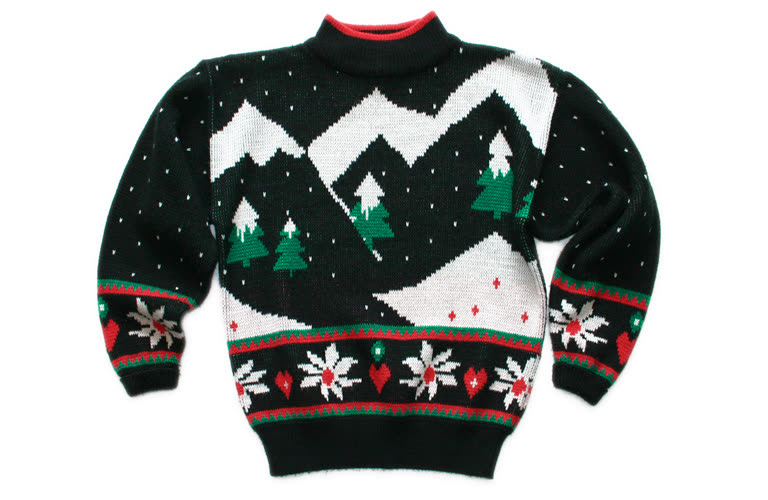
Vintage Christmas sweaters are generally festive knit or fleece tops from past decades, popularized in the late 20th century and featuring bold motifs like snowflakes, reindeer, Christmas trees, and Santa Claus, as described in the Christmas jumper overview. On resale platforms, you’ll see that “vintage” often means 1980s–1990s acrylic or wool knits, heavily patterned and sometimes hand-knit.
On Etsy’s vintage Christmas sweater listings, single sweaters are often priced in the US$30-60 band, with rarer hand-knit or branded pieces going higher. A Canadian buyer paying in Canadian dollars then layers on:
- Currency conversion from USD or other currencies to CAD.
- Shipping from the seller’s country, which can be modest within North America but steeper from Europe or elsewhere.
- Possible import charges or handling fees, depending on ship method and declared value.
That’s how a US$50 sweater can easily land closer to CA$80 or more by the time it arrives. If you’re running a small shop and importing a dozen sweaters, those add-ons multiply fast. For domestic secondhand options, eBay.ca shows a broad range of vintage Christmas sweaters—including plus-size vintage styles for women—where you can often avoid surprise customs fees by buying from Canadian or US-based sellers with clear shipping terms.
For resellers sourcing a small batch, specialty sites dedicated to Christmas sweaters, such as ChristmasJumpers NZ’s vintage section, show how curated true vintage stock is usually priced higher per piece but may save you time versus hunting individually on open marketplaces.
Why Prices Vary So Much: Vintage, Size, and Season
The same search for “vintage Christmas sweater” can surface CA$30 secondhand finds and CA$100+ statement pieces. The difference comes from a few specific factors:
1. Authentic vintage vs. vintage-style True vintage sweaters from the 1980s–1990s are finite and often more detailed. A hand-knit landscape scene or heavily embellished cardigan typically commands more than a modern novelty knit labeled “vintage-inspired.” Specialty vintage shops and curated Etsy sellers lean toward true vintage; large marketplaces mix both, so the description matters.
2. Brand, construction, and condition Named brands or hand-knit pieces, intact beadwork, and thicker wool or cotton blends cost more. Acrylic pullovers with noticeable wear or pilling tend to sit at the lower end of the range. On a platform like Etsy, you’ll see “rare find” labels for distinctive sweaters with cleaner condition and stronger pricing to match.
3. Size and inclusivity Plus-size vintage Christmas sweaters are less common, so they often price higher and sell faster. The plus-size search pages on eBay.ca show that Canadians do have options, but stock and pricing vary by seller. If you resell, expect to pay a premium for inclusive sizing and price your own stock accordingly.
4. Ugly sweater trend and timing Media coverage of “ugly Christmas sweater” days and parties has pushed demand for both vintage and novelty sweaters over the last couple of decades, driving up prices during peak season. As reported by outlets like AS.com’s feature on ugly sweater day, the trend is now mainstream, so buyers competing for December deliveries pay more.
If you’re budget-focused, buy in September or early October when sellers are stocking up but party demand hasn’t spiked. For resellers, source your inventory even earlier or in the off-season, then hold it for the holidays.
Quick authenticity vs. vintage-style checklist
Use this short checklist to decide if a listing is likely true vintage or just vintage-style:
- Era claimed: Is the seller specific (“80s/90s”), or just “retro”?
- Fabric: Older acrylic and wool blends are common; flimsy polyester often signals newer fast fashion.
- Labels and tags: Photos of older brand tags, care labels, and country of origin help support age.
- Wear patterns: Light fading or age-appropriate wear can be a sign of authentic vintage, while pristine mass prints may be new.
For resellers, true vintage with clear era details and label photos is easier to market and generally carries more resale potential than a modern “ugly sweater” knit.
Choosing the Right Online Channel (Including When a Marketplace Like DHgate Makes Sense)
Different channels make sense for different budgets and use cases. Here’s how they typically stack up for Canadian buyers and small ecommerce sellers:
| Channel type | Best for | Typical price feel | Key tradeoffs |
|---|---|---|---|
| Secondhand marketplaces (Etsy, eBay.ca, Poshmark) | 1-3 personal sweaters; small curated resale | Wide range; true vintage often mid-to-high priced | Time spent hunting; mixed quality; cross-border shipping for some sellers |
| Youth-focused resale apps (Depop) | Trend-led pieces; single sweaters or micro-drops | Often mid-range, with unique styling | Audience skews younger; lots of vintage-style mixed in |
| Curated vintage Christmas sweater sites | Higher-end resale collections or themed drops | Higher per piece, but curated and on-brand | Less control over price; may be overseas, affecting landed cost |
| Mass marketplaces (including Cross-border multi-seller and similar sites) | Budget novelty or vintage-style stock; bulk sourcing | Lower per-unit for new items | Mostly new “ugly” or vintage-style designs; need to vet quality per listing |
Depop’s vintage Christmas sweater theme page shows how individual resellers style and price their finds for a younger audience, which can be useful if you want one standout piece or inspiration for your own shop. Specialty sites like ChristmasJumpers NZ’s vintage catalog curate higher-impact knits, useful if you’re building a themed drop and are willing to pay more per item to save sourcing time.
For budget novelty or vintage-style sweaters, large marketplaces come into play. DHgate’s own blog promotes the platform as a place to buy affordable Christmas sweaters with a wide range of styles and sizes, highlighting variety and price as selling points. That positions DHgate as one option if you want new, mass-produced sweaters at lower unit costs, especially for bulk orders or party giveaways.
Because DHgate is an open marketplace, you should treat each listing and seller individually:
- Compare product photos closely to avoid lookalike or generic designs.
- Check seller ratings and feedback volume, not just a star average.
- Pay attention to fabric composition and sizing details, especially for plus-size or unisex fits.
If your priority is true vintage, however, platforms like Etsy, eBay.ca, Depop, and dedicated vintage shops will generally be more suitable than mass marketplaces that mainly sell new items.
Smart Ways to Keep Costs Down Without Sacrificing Quality
You don’t control listing prices, but you can control how those sweaters add up for your wallet or your business.
For personal buyers (1-3 sweaters):
- Shop secondhand first: search Etsy, eBay.ca, and Depop for “80s vintage Christmas sweater” or specific motifs. Use filters for Canada or North America to reduce shipping and import risk.
- Buy early: aim for early fall before ugly sweater party season heats up. You’ll see more choice and less competition.
- Accept minor wear: small signs of age are normal for vintage and can keep prices below pristine collector-level pieces.
For small ecommerce sellers:
- Decide your mix: maybe 60-70% true vintage from Etsy/eBay.ca/Depop, plus 30-40% new novelty sweaters from mass marketplaces to cover inclusive sizing and lower price points.
- Calculate landed cost per sweater: product price in source currency, conversion to CAD, shipping per unit, and any import handling charges. Use that to set minimum resale prices.
- Source off-season: buy vintage lots in spring/summer when competition is lower, then store them for holiday drops.
If you plan to experiment with DHgate or similar marketplaces for budget stock, consider starting with a small test order and listing those pieces alongside your true vintage inventory. Track sell-through rate and customer feedback on fabric, fit, and print quality before scaling up. For more background on comparing large marketplaces for cross-border sourcing, you can read DHgateWiki’s guide to comparing DHgate with AliExpress, Alibaba and Temu, and if you’re importing in volume, its overview on customs, tariffs and import fees is helpful for modeling your real costs.
Done well, vintage Christmas sweaters can be a budget-friendly personal splurge or a solid margin category for a small shop. The key is matching your expectations—true vintage versus vintage-style—and your volume needs to the right channel, then buying early enough that you’re paying for the sweater itself, not just the holiday rush.