
Wall basket decor can be very budget-friendly if you’re deliberate about three things: the type of baskets you buy, how many you actually need, and where you source them. A chic basket wall doesn’t require designer pieces; a cohesive mix of woven rattan, seagrass, or water hyacinth baskets hung in a tight grouping can look polished even if most of them are budget finds. For a typical Canadian buyer, the real spend comes from the combined product price, shipping, and (for cross-border orders) potential duties and taxes, so your choice of channel matters as much as the baskets themselves.
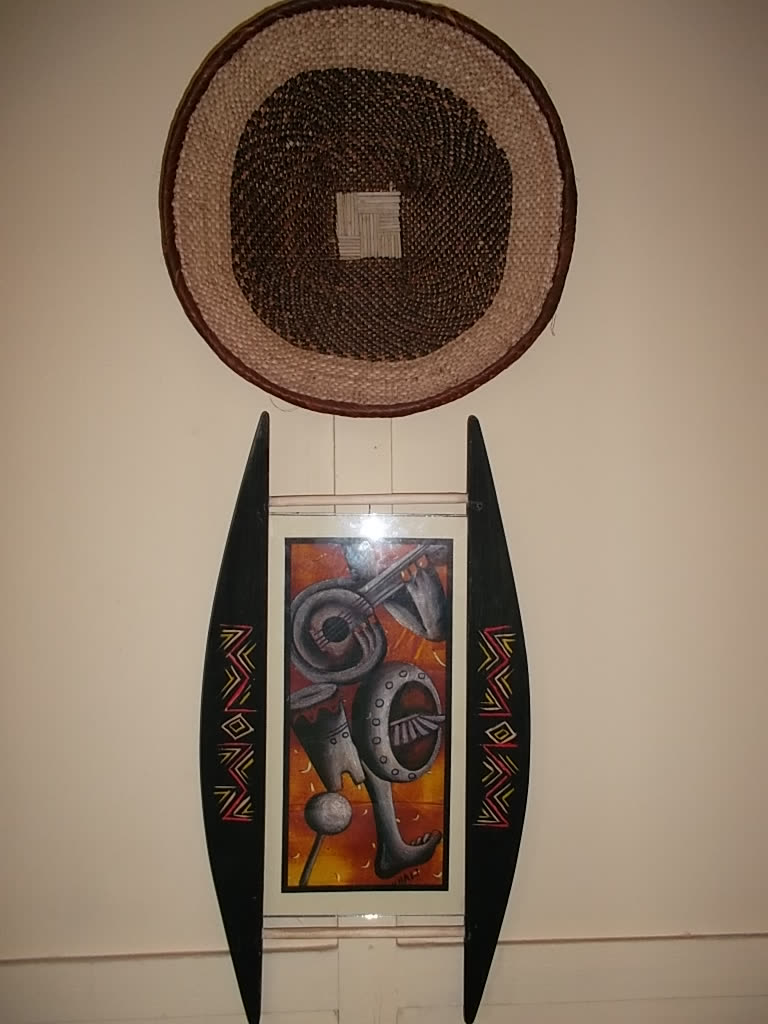
Wall basket decor simply means hanging woven baskets on your walls to add texture, warmth, and visual interest. Retailers specializing in basket decor describe flat or shallow baskets crafted from natural fibers like rattan, seagrass, and water hyacinth, often arranged in sets or gallery walls rather than used for storage.Wall basket decor examples show this clearly. You can build a statement above a sofa with 5-7 baskets, or a small vignette with 3 pieces over a console or in an entry.
What Wall Basket Decor Costs in Canada: Components and Typical Ranges
From what Canadian retailers list, wall baskets are sold either one by one or as small sets. Budget-friendly styles at big-box sites like Walmart.ca’s wall baskets section tend to be simple weaves, often machine-made, while more artisanal or designer options lean on intricate patterns, handweaving, or specialty fibers.
Instead of fixating on a single “cheap” price, think in terms of a project budget. For a Canadian buyer creating a basket wall, the total cost is usually made up of:
- Product price – each basket or a bundled set.
- Shipping – which can be free or noticeably add to cost depending on retailer and order size.
- Import duties and taxes – if you buy cross-border from US or other international sites or marketplaces, these can show up at checkout or on delivery and push the project up a tier.
Those non-product costs often matter more than the sticker price difference between a budget basket and a mid-range one. For example, a Canadian decor shop shipping a single water hyacinth wall basket may charge a separate delivery fee, and a US-based decor site selling a wall basket set to a Canadian address may layer in international shipping and possible import fees. You’re not just choosing baskets; you’re choosing how much friction (and surprise) you’re comfortable with.
A useful way to plan is:
- Small personal wall (3-5 baskets): expect to buy mostly individual baskets or one small set from domestic retailers to keep shipping predictable.
- Feature wall (7-12 baskets): mix a budget-friendly multi-pack with a few statement pieces; this is where cross-border orders can start to look interesting, but only if shipping and fees stay in check.
- Inventory for resale (20+ baskets): per-unit pricing dominates; wholesale or marketplace sourcing becomes relevant, and shipping/duties are part of your cost of goods.
Price Drivers for Chic-Looking Basket Walls (Without Blowing the Budget)
Several design choices move your cost up or down while changing the look.
1. Material and perceived quality
Natural fibers like rattan, seagrass, and water hyacinth are common in wall basket decor and are often marketed as eco-friendly decor options.54kibo’s wall baskets and other specialty shops highlight the natural texture and sustainability angle. These materials generally read as warmer and more “designer” than plastic or synthetic weaves.
Editorially:
- Natural rattan/seagrass: visually rich, often positioned as higher-quality and more eco-conscious; usually priced above basic synthetics.
- Water hyacinth: thicker, sculptural texture; often sold as specialty or boutique decor.
- Synthetic wicker/plastic: typically budget-friendly, sometimes with a smoother, less artisanal look.
If your budget is tight, you can still aim for mostly natural fibers but keep patterns simple. They’ll read as cohesive and intentional even without the fine handwoven detailing of premium pieces.
2. Size, depth, and impact
Larger and deeper baskets generally cost more than small flat ones, but you don’t need all oversized pieces for a designer feel. A balanced wall usually has:
- 1-2 larger focal baskets near the center.
- Several medium baskets to build the composition.
- A few small accents to fill gaps and create rhythm.
Choose just one oversized statement basket (which may carry a higher price due to material and craft) and surround it with budget-friendly medium and small baskets. That mix keeps the total project cost down while still giving the wall a strong focal point.
3. Sets vs. mix-and-match
Ready-made sets from big-box retailers or decor sites often come at a lower combined price than buying identical pieces individually, especially for budget styles. However, sets can look flat if everything is the same size and weave.
A cost-conscious strategy:
- Buy one coordinated set for your core, then
- Add 2-3 individual baskets from other sources with slight changes in color, texture, or pattern.
This gives you the unit-cost advantage of sets plus the layered, curated look that feels more expensive than it is.
4. DIY and repurposing
You can stretch your budget by repurposing baskets sold for storage as wall decor. Cotton hanging baskets or wicker storage baskets with strong structure often translate well onto walls. Some decor blogs and marketplaces show examples of trays and woven storage baskets used as wall art; the DHgate editorial blog, for instance, has a piece on turning woven baskets into a gallery wall.
For a truly budget project:
- Use thrifted or clearance baskets as your base.
- Paint or stain a few for cohesion (soft whites, warm browns, or a single accent color).
- Add simple hanging hardware (loop, picture wire, or strong hooks) rather than elaborate framing.
Small ecommerce sellers can apply the same logic: source generic woven baskets at lower cost, then add value through curation, color palettes, or bundling into wall-ready sets.
Mini layout tips to maximize impact per dollar
- Keep a tight grouping. Close spacing makes even a small number of baskets feel like a coherent “artwork,” which reads pricier.
- Stick to a palette. Choose 2-3 tones (e.g., natural, white, and one accent) and avoid random color additions that make the wall feel scattered.
- Use odd numbers. Groups of 3, 5, or 7 baskets typically look more intentional.
- Mock it on the floor first. Arrange baskets on the floor, take a photo, then replicate on the wall to avoid wasted holes and re-hanging.
Picking the Best Sourcing Channel and Trimming Total Cost
Once you know your layout and rough basket count, the next decision is where to buy. The right channel depends heavily on volume and how much effort you’re willing to invest in verification.
Here’s a compact overview based on what Canadian and international retailers and marketplaces actually offer:
| Channel type | Best for | Price feel (editorial) | Main cost risks |
|---|---|---|---|
| Local retail & boutiques | 1-3 baskets, quick refresh | Higher per piece; curated, artisanal | Fewer discounts; limited selection |
| Domestic big-box / ecommerce | 3-10 baskets, simple sets | Budget to mid-range; frequent promos | Shipping fees; quality varies by line |
| Cross-border decor sites | Statement sets or niche looks | Mid to higher; design-forward pieces | International shipping, duties/taxes |
| Cross-border marketplaces | 10+ baskets, resale or large walls | Lower per-unit at volume (editorial) | Verification effort; possible import fees |
Local retail and Canadian online stores
Canadian decor shops and department stores offer wall baskets and occasionally wall-specific designs (for example, a water hyacinth rounded wall basket listed by a Canadian retailer). For a small personal project, buying locally gives you predictable pricing in CAD and straightforward taxes at checkout. You pay more per basket but avoid customs complexity.
Domestic ecommerce through chains like Walmart.ca or Canadian decor sites is often the sweet spot for budget personal walls: you can pick from budget-friendly wall baskets and small sets, then see shipping fees and taxes upfront. The tradeoff is that highly distinctive, artisanal looks may be limited or priced as premium decor.
Cross-border decor retailers
US-based sites and international decor shops sometimes carry more intricate woven wall baskets and curated sets. Editorially, these tend to sit above big-box prices and below luxury designer levels. For Canadian buyers, their appeal is unique patterns and larger sets, but you need to be ready for international shipping charges and potential import duties/taxes.
These costs can noticeably add to your project budget even if the base price looks reasonable, so they fit best when you’re buying a set you can’t replicate domestically or when you’re sourcing stock for a small ecommerce business and can spread fees across multiple pieces.
Cross-border marketplaces (including DHgate)
Cross-border marketplaces host many sellers offering woven baskets, trays, and decor items that can be used as wall art. DHgate’s editorial blog, for instance, shows woven baskets used in gallery walls, which reflects how such items are commonly available on marketplaces.
Marketplace sourcing is usually most attractive when:
- You’re buying larger quantities (e.g., 20+ baskets for resale or multiple projects), and
- You’re willing to spend time checking product photos, material descriptions, and seller history.
Practical ways to trim total cost without losing the chic factor
For personal basket walls in Canada:
- Anchor your project in domestic buys. Use a Canadian big-box or decor site for the majority of baskets to keep shipping/taxes predictable, then optionally splurge on one cross-border statement piece.
- Choose one premium material. Decide on natural rattan or seagrass as your “hero” texture and let budget-friendly versions of that material fill out the wall.
- Set a per-wall cap. Decide your max spend for the whole wall (for instance, the equivalent of what you’d spend on a framed print) and back into how many baskets you can afford under that cap.
For small ecommerce sellers:
- Test with domestic stock first. Validate that your customers actually want basket walls using inventory from Canadian or nearby suppliers, then graduate to cross-border marketplaces for larger reorders.
- Think in bundles. Curate 3-7-basket sets that combine lower-cost basics with one stronger piece; this lets you justify a higher retail price without dramatically increasing your own sourcing cost.
- Map landed cost per basket. When you do move to cross-border sourcing, treat shipping and duties as part of your cost of goods per basket, not a separate “incident,” so your pricing stays rational.
Done well, wall basket decor is one of the easier ways to get a designer-looking wall on a budget. The baskets themselves are simple; the value comes from smart material choices, a cohesive palette, and a sourcing strategy that matches how many pieces you truly need.