
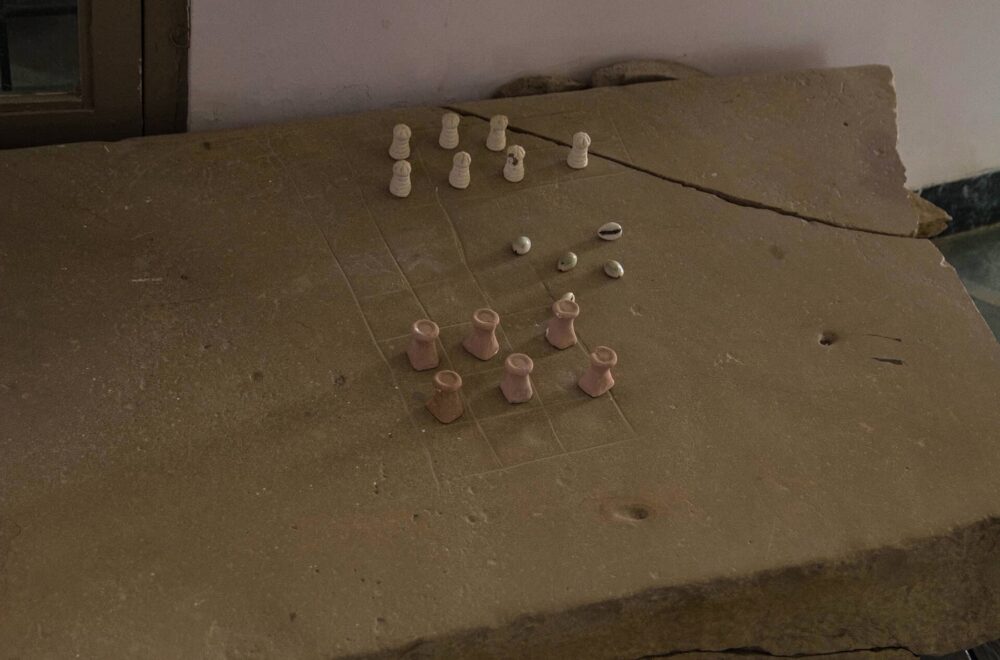
Traditional Indian board games are sold today through a mix of Indian niche brands, Western hobby retailers, big marketplaces, and local game shops. For a Canadian buyer or small ecommerce business, the right route depends on whether you want one or two authentic sets (like Pachisi or Chowka Bara), modern Indian-themed Euro-style games, or bulk stock for a shop. Direct Indian publishers and specialty sites tend to be better for culturally grounded titles, while marketplaces and distributors are better for volume and convenience.
Where Indian Board Games Are Sold: Market Snapshot
“Indian board games” covers both classic titles that originated in the subcontinent and modern designs inspired by Indian history and culture. Traditional games include race and strategy titles such as Pachisi/Chaupar, Snakes and Ladders (originally Moksha Patam), and regional games like Chowka Bara and dash-guti that use simple boards and stones or counters rather than plastic miniatures.Source
In the current retail landscape you’ll find these in several places:
- Indian specialty brands and online shops creating physical sets or modern reimplementations of traditional games.
- Western-published, Indian-themed hobby games, like historical strategy titles, sold through general board game retailers and curated lists. For example, BoardGamePile’s Indian-themed board games page highlights modern Western designs inspired by Indian settings.
- Large marketplaces where independent sellers list traditional sets (e.g., wooden Snakes and Ladders) and mass-market versions.
- Local game and toy stores in Canada that may carry a few Indian-themed Eurogames or family classics but rarely stock the full spectrum of traditional titles.
For a buyer, the key is choosing a platform type that matches your goal: cultural authenticity and education, a modern hobby game with Indian flavor, or simply a durable family set.
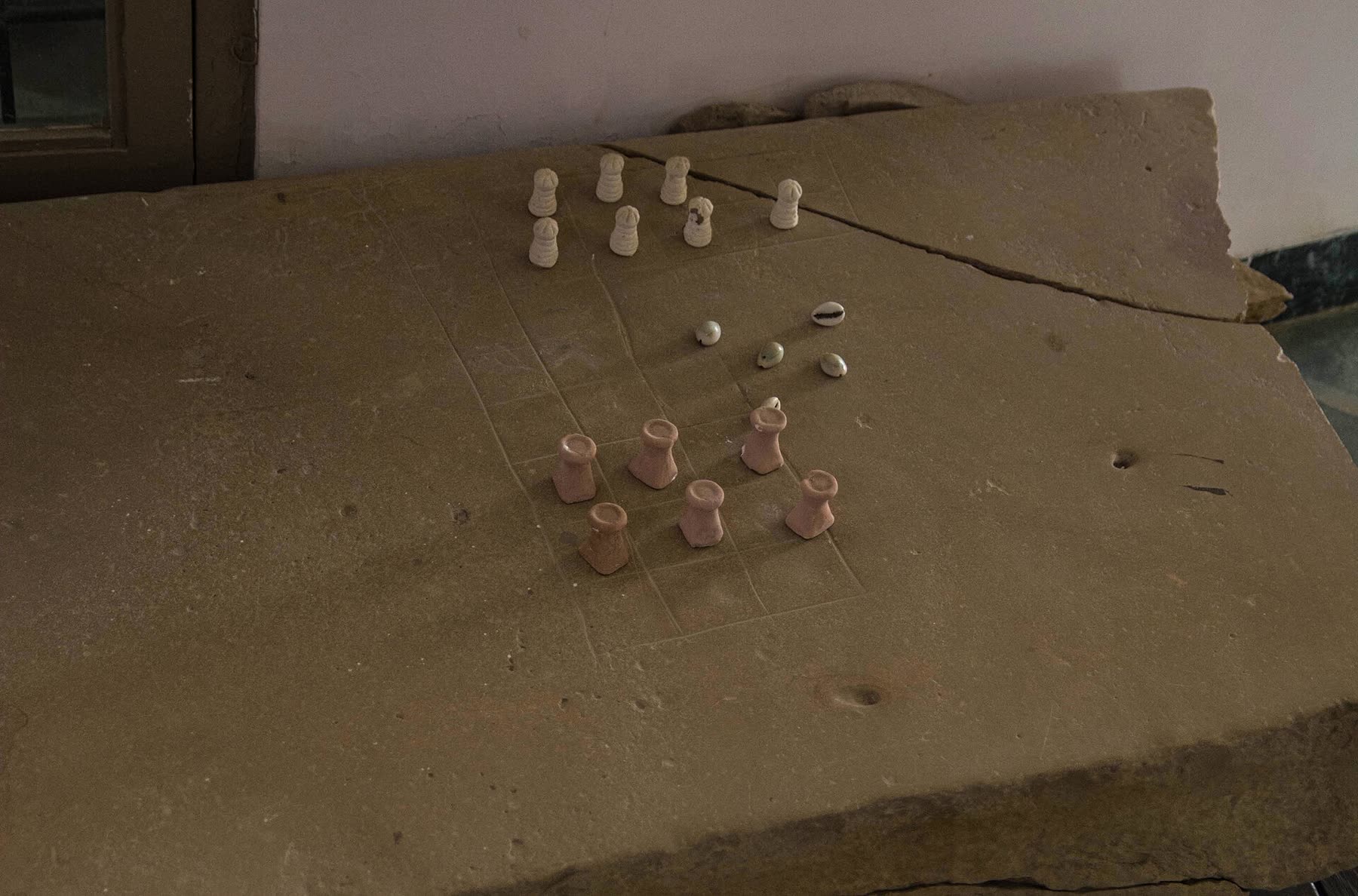
Platform Models for Buying Indian Board Games
Different platform types treat Indian board games very differently. Here’s how the main models work for both single-set buyers and small resellers.
1. Indian-focused publishers and shops
Indian niche brands often position their catalog around heritage, education, or storytelling.
- Kheo Games promotes Indian board games and Indian-themed titles through its own website, acting as both publisher and retailer.Source This kind of platform usually offers curated titles (not a huge catalog) with rules and materials tailored to explain cultural context.
- GoIndiaGames sells historically inspired games like Bharata 600 BC via its online store.Source That title focuses on ancient Indian history, and the store presents it as one of several India-centric games you can order directly.
For Canadian families, this route is ideal if you care about:
- Clear English rules and cultural notes written by the designers.
- Artwork and components that intentionally reflect Indian motifs.
For small ecommerce shops, ordering direct from a publisher can mean:
- Smaller but distinctive catalog (good for a niche Indian-culture games section).
- More manual work negotiating shipping and any bulk discounts.
2. Western hobby sites and curated lists
Hobby sites don’t usually focus on India specifically, but some curate Indian-themed games as part of a global catalog.
- The BoardGamePile Indian-themed board games list shows how Western publishers use Indian history, settings, or mythology in modern designs. These are often Euro-style strategy or family games with standard hobby production values.
From a platform perspective, these sites:
- Act as discovery tools—helping you identify which Indian-themed titles exist and who publishes them.
- Often link out to general retailers, publishers, or marketplaces for purchase.
This route works well if you’re:
- A Canadian board game shop owner deciding which Indian-themed titles fit your mix.
- An online retailer who wants modern hobby games with Indian flavor but doesn’t necessarily need traditional rulesets like Moksha Patam.
3. Big retail marketplaces (Amazon, eBay, etc.)
Large marketplaces host thousands of sellers and treat Indian board games as part of broader categories like “board games” or “traditional toys.” Typical listings include:
- Mass-market Snakes and Ladders sets (often without reference to its Indian origin as Moksha PatamSource).
- Wooden or cloth Pachisi-style boards.
- Modern Indian-themed games imported or fulfilled by third-party sellers.
For individual buyers, these platforms offer:
- One-click ordering and Prime-style convenience (if you buy through Amazon in Canada).
- User reviews and photos, useful for judging component quality.
For small shops, marketplaces can work as informal sourcing tools for small quantities, but they usually don’t expose wholesale terms clearly. You’ll need to contact sellers directly if you want volume pricing.
4. Local Canadian game and toy stores
Brick-and-mortar shops in Canada tend to stock:
- Global family classics like Snakes and Ladders.
- Modern hobby games from major Western publishers, including some Indian-themed titles highlighted by hobby communities.
They rarely carry deep catalogs of traditional Indian games, but they’re still relevant if you:
- Want to see component quality in person.
- Are a retailer building relationships with distributors who can also special-order India-themed titles.
5. Cross-border marketplaces and B2B sourcing platforms
Beyond mainstream retail marketplaces, cross-border platforms connect international buyers with overseas suppliers. These include China-based marketplaces and B2B platforms, some of which may list generic traditional-style games or Indian-themed products.
A platform like DHgate, for example, operates as a marketplace where global buyers can source many categories of goods from independent sellers. DHgate’s blog on board and card games suggests common shopping routes—online retailers, marketplaces, and local stores—as general options for finding games.Source If you explore a cross-border marketplace for Indian board games, treat each listing as its own offer and vet seller details before ordering.

Comparing Channels and Choosing the Right Route
Here’s a compact comparison of how the main platform types tend to work for Indian board games, framed for a Canadian buyer or small shop.
| Platform type | Best for | Typical catalog | Practical notes for Canada-based buyers |
|---|---|---|---|
| Indian-focused publisher sites | Authentic, culturally grounded titles | Traditional and historically inspired | Strong storytelling; cross-border shipping to check case by case |
| Western hobby sites / curators | Discovering modern Indian-themed hobby games | Euro-style, strategy, family hobby titles | Often link to other retailers; good for selection planning |
| Big retail marketplaces | Quick purchase of classics and some themed games | Mass-market plus independent seller stock | Easy for one-off buys; sourcing in bulk requires seller outreach |
| Local game/toy stores (Canada) | Seeing components in person; mainstream titles | Popular family games, select hobby titles | Limited traditional-India depth; viable for stocking a few themed titles |
| Cross-border marketplaces (incl. DHgate) | Experimenting with low-cost generic or themed stock | Broad general goods, some game listings | Treat each seller/listing individually; good for testing demand in small batches |
For different buyer profiles, the route changes:
- Family or individual buyer (one or two games):
- If you want a traditional ruleset like Pachisi, Chowka Bara, or Moksha Patam, start with Indian-focused brands (such as Kheo Games or GoIndiaGames) and then check marketplaces for more basic sets.
- If you prefer a modern strategy game with Indian flavor, use hobby lists like BoardGamePile’s Indian-themed catalog and buy via the recommended retail channels or your local shop.
- Small Canadian board-game shop or boutique:
- Use hobby sites to pick a shortlist of Indian-themed titles that match your audience.
- Contact publishers or your existing distributors about availability; many Western Indian-themed games route through standard North American distribution.
- Consider a handful of traditional sets ordered directly from Indian brands to create a cultural corner—these won’t move in mass volume, but they differentiate your store.
- Online niche store focused on Indian culture:
- Anchor your catalog around heritage-focused publishers and shops, then layer in accessible family games like Snakes and Ladders (framed with its origin story as Moksha PatamSource).
- Test generic or low-cost themed products from cross-border marketplaces only after you’ve validated demand and carefully checked each supplier.
DHgate specifically is just one of several cross-border marketplaces you might test for generic components or themed stock. For broader marketplace comparisons—how DHgate compares to AliExpress, Alibaba, and others—it’s worth reading DHgateWiki’s overview of online marketplaces and shopping platforms and the comparison of DHgate vs AliExpress, Alibaba and Temu. For many Canadian buyers of Indian board games, though, direct Indian brands and mainstream hobby channels will be the most straightforward fit.