
American crafts and art are now sold through a mix of online gallery sites, handmade marketplaces, big ecommerce stores, and smaller niche platforms. If you’re a buyer or a small ecommerce business, you can source American-made ceramics, textiles, furniture, metalwork, and more online—but each channel works differently and is better for some goals than others. Handmade American crafts also often cost more upfront than mass-produced items, and many buyers see that as a trade-up for uniqueness, quality, and support for local artisans rather than a universal rule.
This guide maps out what “American craftsmen and art galleries” looks like on the web today, then ties platform types to real buying and sourcing scenarios so you’re not just browsing randomly.
How American Craftsmen and Art Galleries Show Up Online Today
“American crafts” typically covers handmade furniture, ceramics, textiles, metalwork, glass, and mixed media objects created by artists and artisans in the United States. Institutions like the Smithsonian American Art Museum’s craft highlights show how broad this category is, from studio pottery to intricate woodwork.
Historically, these pieces were only sold through physical galleries and craft shows. Many of those galleries now operate hybrid models:
- An American Craftsman Galleries was founded in 1980 to showcase contemporary American crafts and today runs locations in Massachusetts while also presenting work online through its site.https://www.anamericancraftsman.com/pages/about-us
- Mountainsong Galleries in Carmel-by-the-Sea offers fine art and craft via its website and gallery space.https://mountainsonggalleries.com
These kinds of sites function as curated online galleries. They’re selective about artists, focus on American-made work, and often mirror the experience of visiting a gallery—high-quality images, artist bios, and themed collections rather than mass listings.
Alongside these, American craftspeople use broader platforms that weren’t built only for art:
- Handmade marketplaces like Etsy.
- Large retailers like Amazon in categories such as Arts, Crafts & Sewing.
- Smaller handmade-focused platforms such as iCraft or Ecrater.
Understanding these different models is the key to choosing where to buy or source.
Platform Types for Buying American Crafts and Art
Here’s how the main platform types differ in practice.
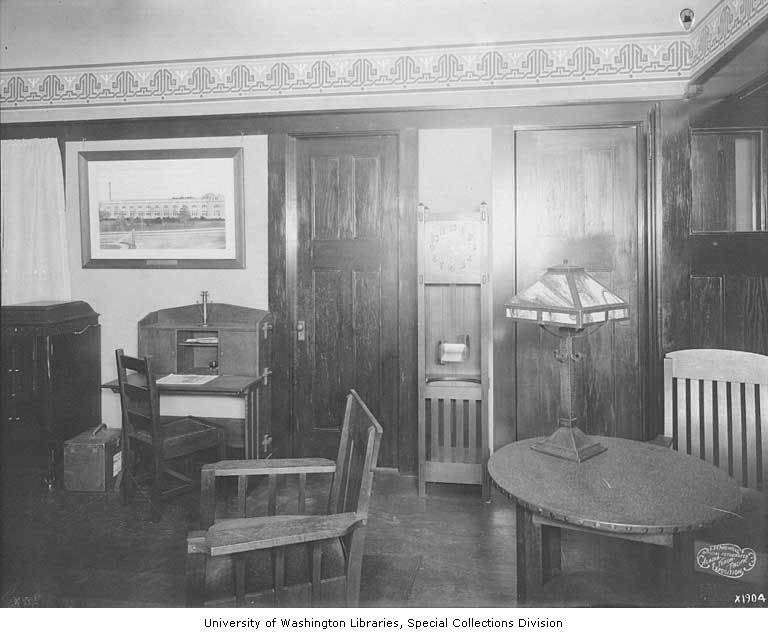
1. Dedicated American craft and art gallery sites
Examples: An American Craftsman Galleries, Mountainsong Galleries, regional gallery sites in the Berkshires and similar arts destinations.
How they work:
- Operate as retail galleries with curated rosters of American artists and craftspeople.
- Often emphasize specific media (e.g., wood, ceramics, glass) and contemporary craft.
- Provide storytelling—artist biographies, exhibition notes—alongside product detail pages.
Best for:
- Collectors and gift buyers who care about provenance and curation.
- Small shops looking for a few distinctive statement pieces rather than volume.
2. Handmade marketplaces (Etsy and similar)
Etsy and similar marketplaces host thousands of independent sellers. DHgate editorial has highlighted Etsy’s role as a place for handcrafted goods from small businesses and creative makers.https://www.dhgate.com/blog/?p=15540
Platforms like iCraft and Ecrater are smaller but focus heavily on handcrafted items and individual online stores.https://www.dhgate.com/blog/?p=15026
How they work:
- Each listing is owned by an individual artist or small business.
- You’ll find American crafts mixed with global handmade products.
- Quality, style, and pricing vary widely; curation is up to the buyer via search and filters.
Best for:
- Shoppers wanting unique, often customizable American-made items.
- Micro-retailers sourcing small batches directly from artisans.
3. Large ecommerce stores (Amazon, big-box craft categories)
Major platforms like Amazon have extensive Arts, Crafts & Sewing categories surfaced in search results, but they mix:
- Art supplies and craft tools.
- Finished decorative items.
- Mass-produced home decor with some artisan-made pieces.
How they work:
- Primarily retail: you buy finished goods at unit-level pricing.
- American-made products sit alongside imports; country-of-origin and maker identity aren’t the central focus.
Best for:
- Buyers who care more about style and convenience than artisan provenance.
- Small businesses needing filler decor or craft-adjacent products where “handmade in America” is optional.
4. Niche handmade platforms and independent artist sites
Beyond the bigger names, many American craftspeople sell via:
- Their own websites or Shopify storefronts.
- Niche marketplaces like iCraft or Ecrater that emphasize handmade work and small sellers.https://www.dhgate.com/blog/?p=15026
How they work:
- Limited, focused inventories often around a single maker or small collective.
- Strong storytelling and direct contact with the artist.
Best for:
- Buyers who want a direct relationship with the craftsperson.
- Small ecommerce brands exploring collaborations, commissions, or custom series.
How different online platform types handle American crafts
| Platform type | Curation focus | Typical inventory size | Maker visibility | Good fit use case |
|---|---|---|---|---|
| American craft gallery sites | High, gallery-selected | Moderate | Strong (bios, exhibits) | Collecting, premium gifts, statement American decor |
| Handmade marketplaces (Etsy etc.) | Low–medium (buyer-driven) | Very large | Medium (shop pages) | Unique gifts, small-batch American craft sourcing |
| Large ecommerce stores | Low (algorithm-driven) | Very large | Low–variable | General decor, convenience-first craft purchases |
| Niche handmade / independent sites | High, maker-selected | Small–moderate | Very strong (direct) | Collaboration, custom work with American craftspeople |
Choosing the Right Platform for Your Craft or Art Purchase
If you’re an individual buyer or gift shopper
- You care about the story and maker: Start with American-focused gallery sites and independent artist websites. You’ll see clear American provenance and curated work, which is helpful if you’re new to craft categories.
- You want something unique but under a tighter budget: Handmade marketplaces like Etsy, iCraft, or Ecrater open up a range of price points. Filter specifically for US-based sellers and handmade tags to stay aligned with “American crafts.” Remember that handmade pieces often sit above mass-produced prices because of the time, materials, and small-scale production involved.
- You primarily want décor, not necessarily artisan-made: Large ecommerce stores are fine if style and convenience matter more than craft credentials. Use filters like “made in USA” or read descriptions carefully if origin is still important.
If you’re a small ecommerce business
Think about how American craft fits your assortment:
- Premium, story-led products: Gallery sites and direct artist relationships are stronger. You can build content around individual makers and limited series.
- Broader handmade assortment at mixed price points: Handmade marketplaces let you test small batches from different US artisans without committing to a gallery-level price structure.
- Volume-oriented decor with some artisan accents: Mix mass-market platforms for baseline inventory with targeted purchases from craftspeople to differentiate hero SKUs.
For cross-border sourcing of crafts and decor, some businesses also look at large international marketplaces. DHgate, for example, is a general sourcing marketplace where independent sellers offer a wide range of products, but it is not focused on American-made work, so it’s mainly relevant if you’re comparing overall marketplace routes rather than strictly American crafts.
A compact checklist to narrow your platform choice
As you decide where to buy or source, answer these three questions:
- Is “made by American craftsmen” non-negotiable or just a nice-to-have? If non-negotiable, prioritize gallery sites, US-based shops on handmade marketplaces, and independent artist websites.
- Do you need a few standout pieces or repeatable inventory? Standout pieces point to galleries and solo artist sites; repeatable inventory leans toward marketplaces and large stores.
- How much does the maker’s story matter to your brand or gift? High storytelling needs favor platforms where the artist is front and center, not buried behind generic product pages.
Answering those three questions usually makes the right platform type obvious—and helps you avoid wasting time in channels that don’t really sell the kind of American craft work you’re looking for.
If you’re comparing marketplace routes more broadly for your business, you can also look at online marketplaces and shopping platforms and deeper comparisons such as DHgate vs AliExpress, Alibaba and Temu to see how different sourcing models stack up.