
Indian home decor can be budget-friendly in a Canadian apartment if you build your look around textiles, wall accents, and a few small metal or wood pieces, then choose the cheapest reliable way to source each type. For most renters and small ecommerce sellers, the sweet spot is a handful of cushions, a mandala-style wall hanging or tapestry, an area rug, some lantern-style lighting, and one or two brass or carved-wood accents. The big cost swing comes not from the item price alone, but from shipping and import charges if you buy cross-border.
Indian style is known for bright colors, ornate details, natural materials, mixed patterns, and rich textures. That plays well in small spaces: you don’t need many objects to change the mood of a room. A single patterned tapestry, five or six bold cushions, and one brass lamp can make a basic Canadian rental feel layered and warm without touching the furniture.
What Indian Home Decor Costs for a Small Canadian Apartment
For a small space, you can think of Indian home decor in a few cost-focused categories rather than hundreds of product types.
Textiles and soft accents (best impact per dollar) Cushion covers, throws, bedspreads, and wall tapestries carry the hallmarks of Indian design—bold color, block prints, paisleys, mandalas, embroidery. Editorial guides to Indian decor emphasize textiles and tapestries because they’re affordable and easy to ship compared with heavy furniture or large metal pieces. A Canadian buyer’s main cost here is the item price plus parcel shipping; duties and taxes can be modest on small fabric orders but still need to be checked if you import.
Wall art and hangings You can stay budget-conscious by choosing printed art, fabric hangings, or lightweight wooden pieces instead of large framed paintings or carved panels. Guides to Indian home decor highlight mandala tapestries and framed artwork featuring Indian landmarks or motifs as quick ways to get an Indian feel without major spend. These are also compact and work well in apartments where wall space matters more than floor space.
Small metalware and wood accents Traditional brass lamps, candle holders, bells, and carved wooden boxes or small room dividers add depth but are more expensive to ship because of weight. Canadian landlords may also prefer small table or shelf pieces over anything that alters structure, so think in terms of a single brass lamp, a pair of candle stands, or a modest carved tray.
Lighting and DIY decor DIY lanterns, hand-painted jars, and custom cushion covers are frequently recommended as budget tactics for Indian-inspired decor because they let you mimic the look while reducing your spend on finished pieces. You buy basic materials locally, add Indian-style designs, and avoid cross-border shipping entirely.
In cost terms, your total is usually:
- Item price – depends on whether it’s mass-produced or artisan-made.
- Shipping – high for heavy brass/wood, much lower for textiles.
- Duties, GST/HST, brokerage – kicks in when you import; you should factor it in before checking out on any non-Canadian site.
- Platform or payment fees – currency conversion and card fees if you buy in INR or USD.
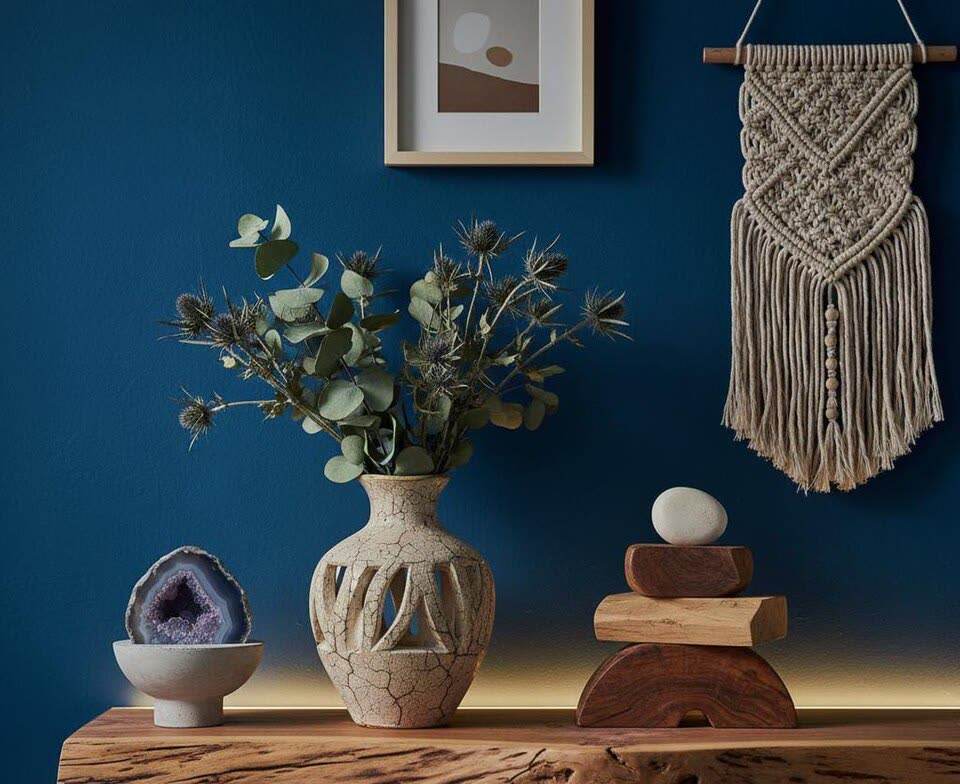
For a renter buying a few pieces, textiles plus a couple of small accents usually stay within a modest budget; for a small ecommerce seller, the same categories are attractive because they pack and ship cheaply to your own Canadian customers.
Why Prices Vary: From Handmade Textiles to Imported Brassware
Indian decor can look similar in photos but behave very differently on your budget. The main price drivers are materials, craftsmanship, order size, customization, and how you move the goods.
Materials and craftsmanship
Indian decor leans heavily on natural materials like wood, stone, clay, and cotton or silk. Hand-carved wood, brass, and embroidered fabrics cost more at source and weigh more in transit. A mandala tapestry printed on cotton or polyester is cheaper and lighter than a carved wooden panel with the same motif. For budget apartments, that’s good news: the most visually impactful items (colorful fabrics, pattern-heavy wall hangings) tend to be the least expensive to transport.
Handmade work—carving, block printing, embroidery—drives price up but also gives you uniqueness. As an ecommerce seller, artisan-heavy stock is harder to compete on price but easier to differentiate.
Order size and small-batch economics
For personal use, you’re probably buying ones and twos: a single tapestry, a set of cushion covers, a lamp. Unit prices are higher, but your total outlay stays modest. For a small ecommerce business testing Indian decor in Canada, the economics shift:
- A small batch of cushion covers or tapestries is easier to sell and store than bulky furniture.
- Per-piece prices might drop slightly if a supplier offers tiered pricing, but your main saving is on consolidated shipping vs many micro-imports.
- Oversized brass or wood items quickly eat into margin because of freight and packaging.
Customization vs ready-made
Customization—your own colorway, logo tag, or size—adds setup cost and often a minimum order quantity. Ready-made designs inspired by traditional Indian patterns are cheaper and quicker to source. For a small apartment, standard sizes work fine; for resale, consider limited customization only once you know which motifs your customers actually buy.
Shipping method and risk to your budget
You generally face a tradeoff:
- Postal/parcel services: slower, but usually cheaper for lightweight textiles and small decor. Works well for individual buyers and micro-sellers importing samples.
- Courier: faster and more trackable but more expensive, especially as weight climbs with brass or wood.
Because Canadian import guides for Indian-style decor often emphasize compact accents, most small buyers stay in the parcel zone. Heavy pieces, or large orders for resale, magnify shipping and potential duties enough that they need real cost modeling before you commit.
Here’s a compact way to think about which categories are “budget-friendly” vs. “budget-stretchers” for a Canadian apartment:
| Decor type | Typical traits (style) | Weight/ship cost impact | Better for renters or resellers? |
|---|---|---|---|
| Cushion covers & throws | Bright colors, embroidery, mixed prints | Low | Both – high impact, easy to ship |
| Mandala tapestries/wall hangings | Bold patterns, cotton/poly fabric | Low | Both – wall focus, small-space friendly |
| Brass lamps & candle holders | Ornate metalwork, warm glow | Medium to high | Best as a few hero pieces |
| Carved wood accents | Natural material, intricate designs | Medium to high | Careful choice; shipping-heavy |
| DIY lanterns/cushions | Personalized Indian-style motifs | Very low (local materials) | Renters and sellers testing demand |
Choosing Sourcing Channels and Keeping Costs Down
Your biggest budget decision isn’t which pattern to pick—it’s where to buy. Canadian buyers and small sellers have three broad options.
1. Buy within Canada (retail and boutique)
Canada has Indian and South Asian decor boutiques and online shops, including examples like Aapon, GulabHomes, Krishna Collections, and ShopIndya. These focus on imported or Indian-inspired decor, so they’ve already dealt with shipping, customs, and curation.
Pros:
- Clear CAD pricing with taxes shown at checkout.
- Fast domestic shipping and easier returns.
- Ability to see pieces in person in some cities or at least rely on local reviews.
Cons:
- Item prices can be higher because import and overhead are baked in.
- Less choice than giant marketplaces if you want niche motifs or bulk quantities.
For renters, local boutiques are often the most predictable budget path: you pay a slightly higher sticker price but avoid surprise duties. For small ecommerce sellers, they can be a source of initial stock while you test demand without taking on import complexity.
2. Specialist online stores shipping from India
Many India-based brands and decor stores ship internationally, often with strong design curation and artisan focus. You get more direct access to Indian-made textiles and craftwork, but you need to think in “landed cost” rather than price tag.
Key checks for Canadian buyers:
- Whether the store includes duties and taxes in the checkout total or leaves them to the carrier.
- Estimated shipping cost for your basket and whether heavier brass/wood items make sense.
- Currency conversion from INR to CAD and any card or payment service fees.
3. Global marketplaces (including DHgate)
Global marketplaces connect you directly with suppliers and traders offering Indian-inspired items: mandala tapestries, decorative pillows, brass lamps, wooden room dividers, and more are highlighted in editorial guides and marketplace blogs as budget-friendly decor ideas. DHgate is one such marketplace alongside others.
For Canadian buyers and small resellers, the main advantages are selection and the possibility of lower per-unit pricing, especially on textiles or small decor. The tradeoff is that you must personally piece together the total cost:
- Check if the seller ships to Canada and how they describe taxes, duties, or brokerage costs.
- Read detailed reviews and photos to judge quality, since you can’t count on a local curator.
If you’re comparing DHgate to other cross-border options, it helps to zoom out and look at how marketplaces differ overall; the broader comparison of platforms like DHgate, AliExpress, Alibaba, and Temu is covered in more detail at Compare DHgate with AliExpress, Alibaba and Temu.
Practical cost-control tactics for renters and small sellers
To keep your Indian-inspired decor project realistic:
- Lead with textiles: They deliver most of the visual identity of Indian decor with the lowest shipping risk.
- Use DIY for mood lighting: Making lanterns from jars or paper with Indian-style painted designs gives you the festive feel without importing glass or metal.
- Limit heavy pieces: Choose one brass lamp or carved wood accent as a focal point instead of several; this keeps both spend and clutter down in a small apartment.
- Test the channel with a small basket: For any cross-border shop or marketplace, do a single small order and note the final cost including GST/HST and any delivery fees. That data is more useful than guesses.
- Consolidate for small-batch resale: Once you know what sells, bundling similar lightweight items in one shipment tends to reduce your per-unit logistics cost.
If you’re planning repeated imports, it’s worth getting familiar with how Canadian customs and tariffs work for decor and textiles so you can budget more accurately; the guide at Understand customs, tariffs and import fees explains the main concepts even if you’re not using DHgate specifically.
The overriding strategy for a small Canadian apartment is simple: let color, pattern, and fabric do the heavy lifting, add one or two metal or carved pieces for depth, and pick the sourcing channel that gives you the lowest reliable landed cost for each category rather than chasing the lowest sticker price across the board.