
You can build a solid gorpcore look on a tight budget by focusing on the key silhouettes — shell jackets, fleeces, cargo pants, and trail shoes — and then choosing cheaper fabric options, secondhand outdoor gear, and occasional cross-border buys instead of chasing premium performance brands. For everyday wear in Australia, you rarely need top-tier technical membranes or hyped labels; you need the outdoorsy shape, smart layering, and a few practical details like pockets and weather resistance.
For small ecommerce sellers, the budget-friendly move is to treat gorpcore like an aesthetic first and a performance category second. Test demand with thrifted and locally sourced pieces that read “outdoor” (fleece, cargo, caps) and only add higher-spec items or imported stock once you see which colors and cuts actually sell.
What Gorpcore Actually Is – and What It Costs to Mimic
Gorpcore is a style that blends functional outdoor apparel with urban streetwear: think hiking gear worn on city streets rather than on a trail. Definitions from sources like Wikipedia and specialist blogs emphasise practical fabrics, visible hardware, and a slightly technical vibe.
Common gorpcore silhouettes include:
- Technical shell jackets (hooded, often with visible zips and toggles)
- Fleece mid-layers (pullovers or zip-front jackets)
- Cargo or hiking-style pants with multiple pockets
- Caps or beanies
- Chunky trail sneakers or boots
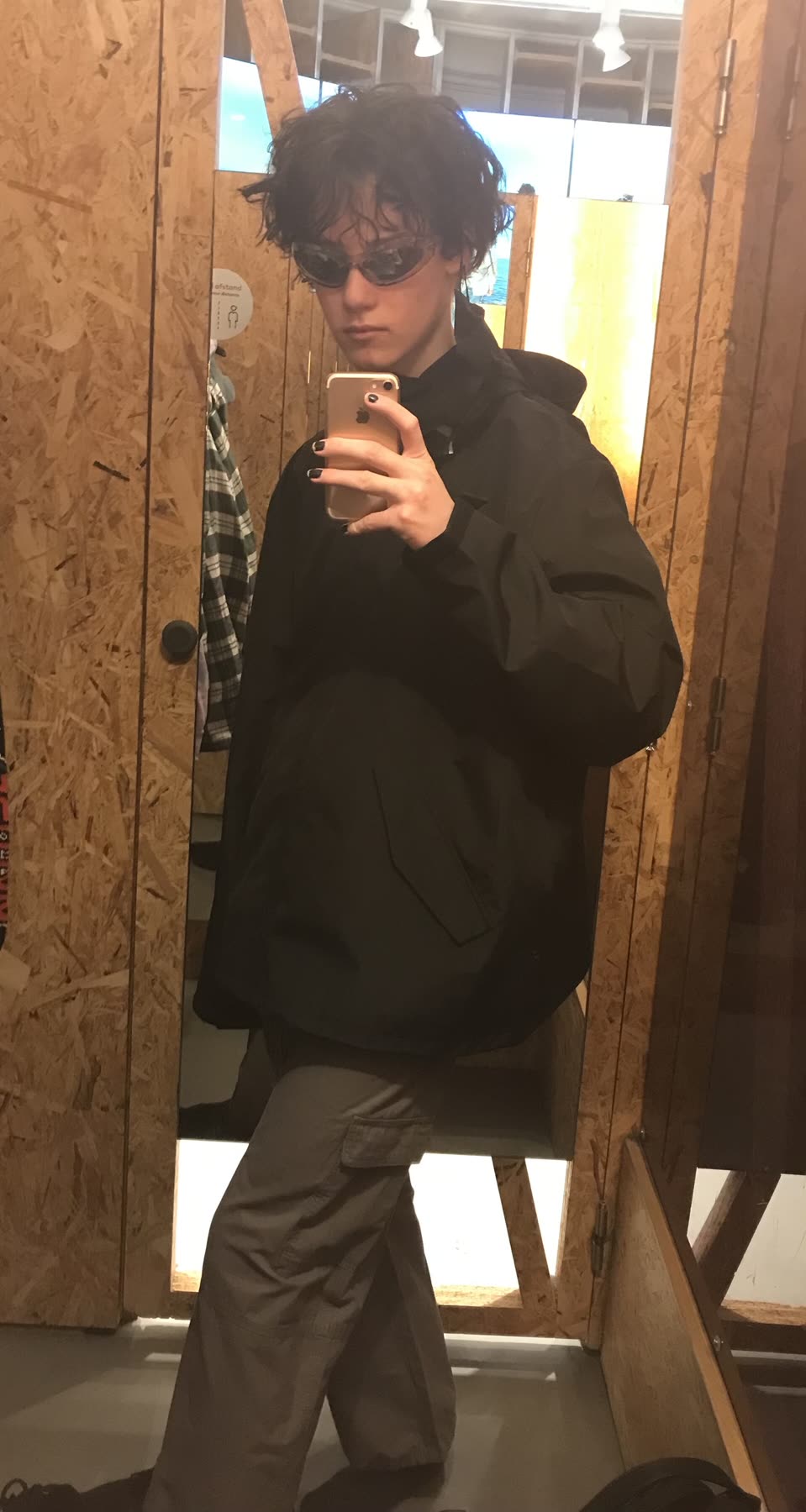
If you’re dressing for the look rather than serious alpine weather, these are the categories that matter most for your budget:
- Shell jackets tend to be the single biggest-ticket item, especially when they use branded waterproof/breathable membranes and taped seams.
- Fleeces and cargo pants are usually mid-priced: easy to find both cheaply and at premium levels, and they do a lot of visual work for gorpcore.
- Trail footwear can swing from budget trainers to expensive technical boots; the chunky, utilitarian shape is more critical than the exact tread for city wear.
Understanding that hierarchy helps you decide what deserves investment. Many buyers get a convincing gorpcore feel by investing modestly in one good outer layer and keeping everything else thrifted or basic.
Why Some Gorpcore Pieces Cost More Than Others
Prices vary widely inside gorpcore because the trend touches both hardcore outdoor gear and street fashion. A few main factors drive cost:
1. Technical fabrics and construction Shell jackets and performance pants get more expensive as you add features: multi-layer membranes, taped seams, water-repellent zips, and reinforced panels. Australian streetwear guides point out that technical outerwear with brand-name fabrics often costs significantly more than casual outdoor-inspired coats that just look the part.
For budget dressing, ask yourself: will this piece actually see heavy rain, bushwalks, or climbing, or is it mostly for cafes and commutes? If it’s the latter, you can choose cheaper polyester shells or anoraks that carry the look without advanced engineering.
2. Branded performance labels and hype Big outdoor brands and collabs push prices up. Their logos signal both function and status, so you pay for marketing as well as materials. Gorpcore explainers from outlets like Culture Kings note that branded technical gear often sits above generic alternatives even when the garment types are similar.
To stay on budget, treat logos as optional. A no-name fleece and cargo pant combo can still read gorpcore if the cut is relaxed, the colors are earthy or technical (black, charcoal, sage, rust), and you layer smartly.
3. Seasonality and demand spikes In Australia, demand for outdoor jackets and boots increases ahead of winter and during trend peaks, which tends to push pricing and reduce discounts. Buying off-season (shells in late summer, fleeces at winter’s end) often gives better value.
4. Minimum order quantities (MOQs) for small sellers If you’re a small ecommerce business sourcing stock, you’ll meet MOQs with many wholesalers and manufacturers. Higher MOQs tie up more cash and increase risk if gorpcore cools off or your audience prefers only certain pieces (say, fleeces but not technical pants).
A practical tradeoff for small Australian sellers:
- Use low-MOQ or single-unit channels (local retail sales, outlet stores, thrift, small marketplace orders) for early testing.
- Move to higher-MOQ, cross-border or wholesale channels only for items that clearly sell (e.g., a particular color of cargo pant or a best-selling fleece cut).
Choosing Sourcing Channels and Cutting Your Total Gorpcore Spend
Once you know which pieces matter most visually, the next step is choosing where to buy them or source them for resale. Think in terms of total landed cost: product price plus shipping, import charges, and your time.
Here’s a channel-level view for Australian buyers and small sellers:
| Channel type | Best for | Cost profile (qualitative) | Key budget advantages |
|---|---|---|---|
| Local outdoor / street retail | One or two hero pieces | Highest ticket per item | Fit/feel in person, easy returns |
| Outlet and end-of-season | Branded shells, boots | Mid; often below full retail | Access to technical gear at discount |
| Thrift / secondhand | Fleeces, cargo pants, caps | Lowest unit price overall | Unique finds, sustainable, low risk |
| Online fashion retailers | Trend-led versions of key pieces | Mid; broad range from budget to mid | Clear photos, easy size runs |
| Cross-border marketplaces | Budget outdoor-inspired apparel | Low unit price but higher landed cost | Variety; can source multiples at once |
Thrift and secondhand are repeatedly recommended in budget-fashion advice because they let you access quality fabrics and outdoor brands for a fraction of new prices. For gorpcore, they’re ideal for fleeces, hiking pants, and vintage caps.
Cross-border marketplaces (for example, DHgate) can sometimes offer low unit prices on outdoor-inspired jackets, pants, and accessories. That doesn’t automatically mean they’re your cheapest option overall. You still need to look at:
- Shipping cost and transit times to Australia
- Whether the listing uses generic fabrics or claims advanced performance
- How many units you must buy at once
If you go this route, treat it as one tool in your kit, not your default answer. For serious outdoor use, prioritize proven technical garments from reputable outdoor brands via local channels; for fashion-only use, cheaper cross-border pieces might work provided you verify fabric type and read product details carefully.
If you’re considering cross-border sourcing more seriously or comparing marketplace options, it can help to cross-check broader marketplace pros and cons in resources like this comparison of DHgate vs AliExpress, Alibaba and Temu, and to understand potential import charges with guides such as this overview of customs, tariffs and import fees.
Practical Ways to Keep Your Gorpcore Spend Down
To keep your wardrobe or small gorpcore inventory budget-friendly without making outfits feel cheap, focus on strategy rather than chasing every trending piece.
Build around a few classic staples Budget-fashion guidance often points to timeless pieces as a way to avoid constant replacement. For gorpcore, that might be:
- One neutral shell (black or dark green) that goes over everything
- Two fleeces (one neutral, one in a pop color)
- One pair of cargo or hiking pants in a versatile color
These items can rotate through most outfits, letting you experiment with thrifted tees, caps, and bags around them.
Lean heavily on thrift and secondhand for mid-layers and pants In Australian cities, op shops and secondhand marketplaces are rich in fleeces, hiking trousers, and old trail shoes. This is where you can pick up real outdoor brands cheaply and mix them with more affordable shells or sneakers.
For small resellers, mixing thrift finds with carefully chosen new stock helps you test what sells without committing to large imports or high MOQs. You might find that secondhand fleeces and caps drive most of your gorpcore sales, while new cargo pants fill in size gaps.
Use DIY tweaks to get the look Simple alterations can push a basic garment into gorpcore territory:
- Adding elastic cord and a toggle to a hem for a techy silhouette
- Swapping standard buttons for snaps on a shirt or overshirt
- Dyeing or over-dyeing cotton pants into darker, more utilitarian tones
Budget-style advice often highlights DIY as a way to stretch existing wardrobes; it works well here because gorpcore welcomes visible function and hardware.
Time your buys and avoid over-investing in logos Buying shells and boots off-season and choosing generic trail designs instead of the most hyped collabs helps you avoid paying for trend peaks. If you’re a small business, avoid building inventory around one expensive logo-heavy brand; instead, offer a mix of price points and see where your customers actually spend.
For Australian buyers, the goal isn’t to perfectly match every runway interpretation of gorpcore. It’s to get the right mix of shape, layering, and utility, without paying for technical features or labels you won’t actually use.
If you decide to explore cross-border marketplaces for stocking up on budget-friendly pieces, research each platform’s strengths and limitations first; DHgate-specific sourcing tactics, MOQs, and cost checks are covered in more detail in focused guides like this article on finding wholesale suppliers on DHgate, so you can judge if that route suits your budget and risk tolerance before ordering.