
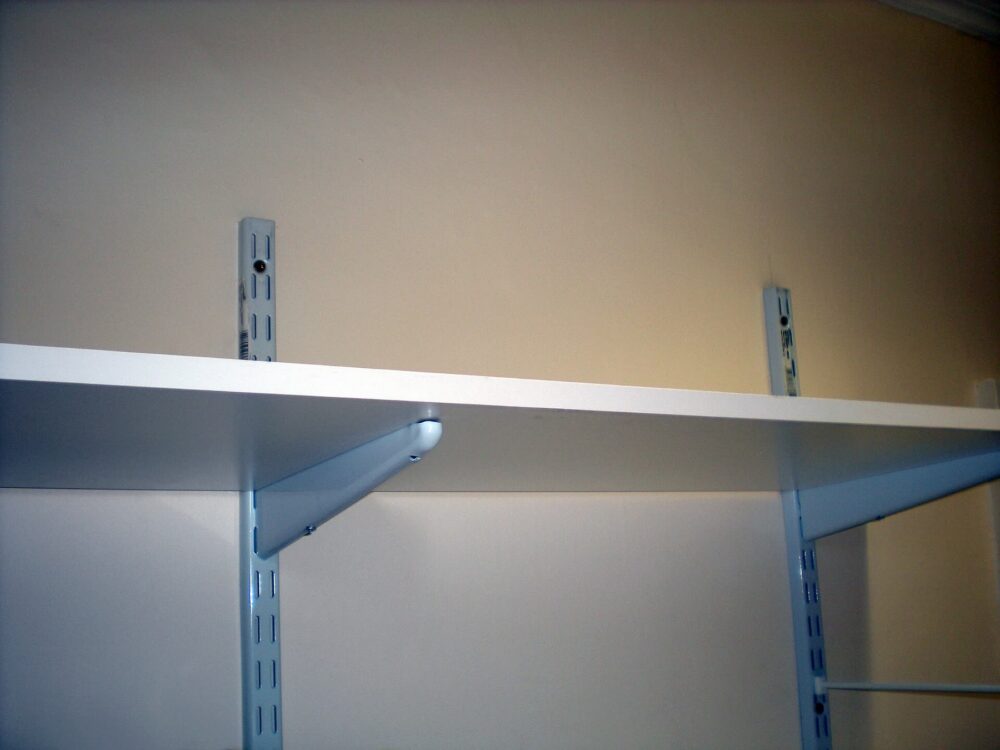
Amazon shelves are not a single product line with fixed specs or prices. On Amazon you’re buying from hundreds of brands: some use cheap MDF with light-duty hardware, some use solid hardwood or thick steel brackets. That’s why you’ll see Amazon floating shelves that cost less than big-box or boutique brands, and others that cost more once you include shipping to Australia. The real difference isn’t “Amazon vs everyone else” but material, load rating, finish, and how far the shelf has to travel.
For Australian buyers and small ecommerce businesses, you get the best value when you compare individual listings across channels against the same checklist: material type, advertised weight capacity, quality of mounting hardware, and total landed cost (item + shipping + any taxes or customs). Sometimes that will lead you to an Amazon listing; other times a local brand, or a wholesale marketplace, will beat it on price for the same spec.
What Do Amazon Floating Shelves Actually Cost Compared with Other Brands?
On Amazon, “shelves” spans everything from slim MDF floating shelves for decor to heavy-duty steel standing units for garages. Tools like AmzChart’s shelves category overview show thousands of SKUs across many brands and price points. So you’re not comparing Amazon as a brand; you’re comparing its marketplace to other ways of buying the same category.
In practice, prices group into rough tiers that look very similar across retail sites:
- Budget floating shelves: often MDF or particleboard, thin veneer, basic hidden brackets. You’ll see these on Amazon, large retailers, and discount decor sites. They’re usually the cheapest option for light decor.
- Mid-range shelves: thicker engineered wood or entry-level solid wood, better brackets, more robust finishes. These overlap heavily with what you’ll find at mainstream furniture chains and specialist online shelf stores such as those indexed by BoxToRoom’s storage category.
- Heavy-duty garage/industrial shelves: multi-tier steel units with boltless assembly and higher load ratings. Amazon carries many brands in this segment; review aggregators like BestViewsReviews’ REIBII standing shelf unit page show both budget and more premium racks with similar structures available on multiple marketplaces.
For an Australian buyer, the sticker price is only the first number. Your real cost can change based on:
- Shipping method and distance – a heavy steel shelf shipping from overseas can add a significant freight charge, while a local flat-pack MDF shelf may ship cheaply.
- Parcel weight and size – deep or long shelves, and multi-pack sets, often fall into higher shipping classes.
- Taxes and customs – cross-border orders may incur GST, import processing fees, or duties depending on order value and origin. These aren’t guaranteed for every order, but they’re part of the risk envelope you should budget for.
For the same size and material, Amazon listings usually sit in the same broad price band as other online retailers. The difference is whether you can stack promotions, bundle items, or find a brand that’s using cheaper materials than the competition.
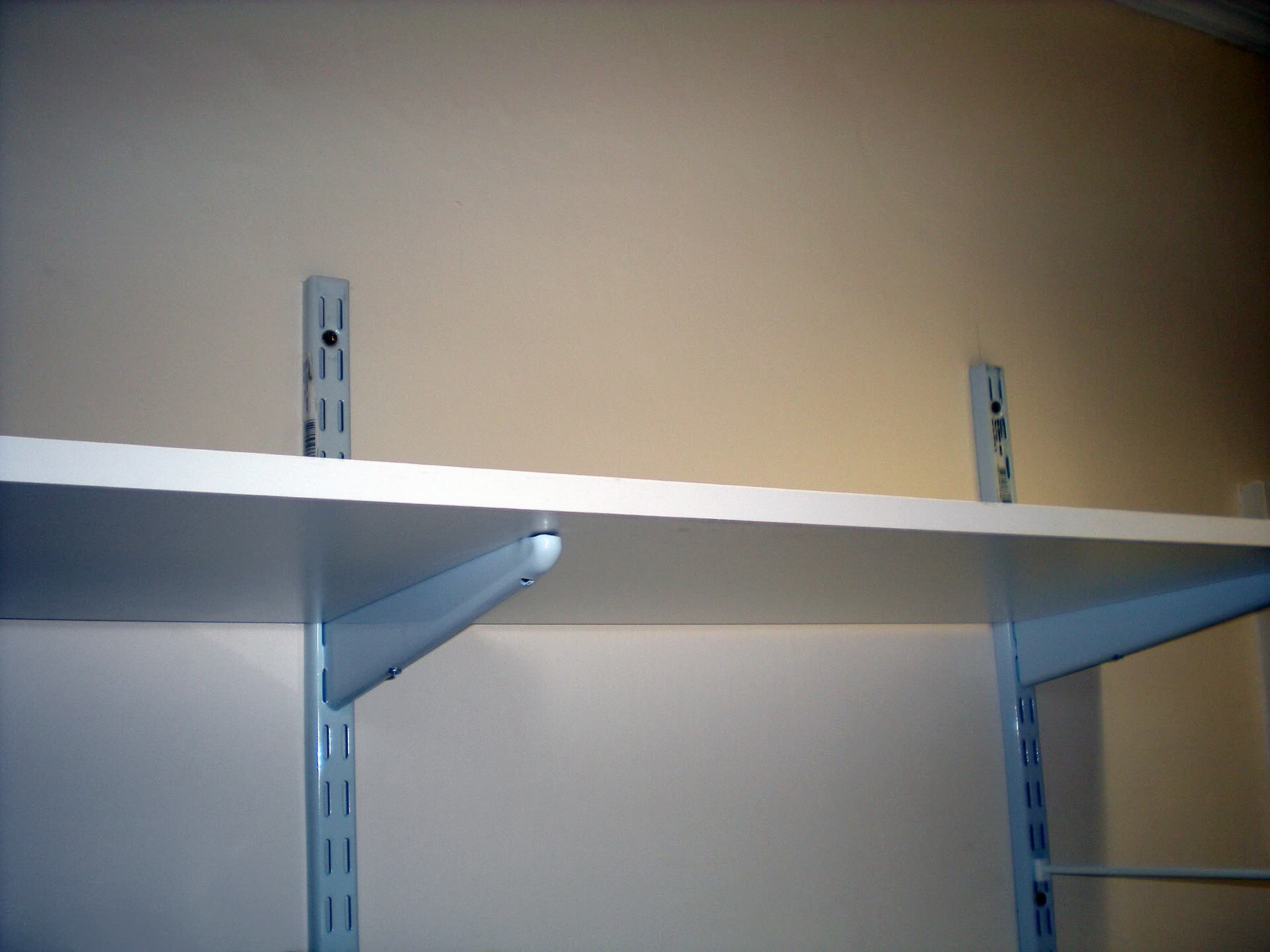
How Materials and Specs Change the Price of Floating Shelves
Material is the single biggest driver of price and long-term value, regardless of channel.
Quick material cost-impact guide
Here’s a useful way to think about the common shelf materials you’ll see in Amazon listings and from other brands:
| Material | Typical Price vs MDF | Durability & Use Case (editorial judgment) |
|---|---|---|
| MDF / particleboard | Baseline (cheapest) | Fine for light decor, can sag or swell under heavy loads or humidity. |
| Solid wood (pine, oak, etc.) | Higher | Stronger and more repairable, good for books and daily-use storage. |
| Bamboo | Lower than hardwoods | Can be up to significantly less expensive than hardwoods; durable, moisture-resistant, good for kitchens/bathrooms. |
| Metal (steel, aluminum) | Varies (often mid–high) | Excellent for heavy loads and high humidity (garages, bathrooms). |
| Glass | Mid–high | Aesthetic display shelves, limited load and impact resistance. |
DHgate’s editorial guides on shelf materials describe wood and metal as durable choices, with plastic and MDF positioned as more budget-friendly but less robust for heavy loads or moisture. Their bamboo piece notes that bamboo can be up to 50% less expensive than hardwoods while still offering good long-term durability and resistance to mold and moisture.
Why an MDF Amazon shelf can undercut a solid-wood brand shelf
Imagine you’re choosing between two wall-mounted floating shelves for a living room in Sydney:
- Option A: MDF Amazon floating shelf – engineered wood core, thin veneer, lightweight hidden brackets. Lower item price, but lower advertised load rating and more sensitivity to humidity.
- Option B: Solid-wood shelf from a direct brand site – pine or oak board, robust steel mounting bar, thicker finish, higher load rating.
Even if Option B’s site price is higher, that extra spend buys you:
- More confidence hanging books or plants.
- Better resistance to everyday bumps and long-term sagging.
- Hardware that’s less likely to strip or fail.
For a single shelf, many Australian buyers accept the higher solid-wood price because they don’t want to replace a sagging MDF shelf in two years. For a rental fit-out or light decor project, though, the MDF Amazon shelf may be the smart budget choice if you’re strict about what you place on it.
Don’t ignore load rating and hardware
On both Amazon and specialist shelf sites, brands now highlight weight capacity and wall-type compatibility (drywall, masonry, etc.). The DHgate Blog’s material guides stress how engineered woods can warp or crack over time if overloaded, while metals handle heavy items and humidity better.
As you compare prices, treat mounting hardware as part of the material decision:
- Cheap hidden brackets + MDF usually mean “light decor only.”
- Solid-wood or bamboo paired with thick steel rods or bars can safely carry books, kitchenware, or bathroom storage.
If a shelf is unusually cheap for the claimed material, dig into the description and reviews for phrases like “coated MDF” or “veneer over particleboard.” Guides like Joybuy’s floating shelf articles (visible in Google search results) also call out that many “solid wood” shelves are actually engineered cores with a wood-look foil.
Choosing the Best Channel for Your Shelf Budget
For Australian buyers and small ecommerce sellers, the real decision is which channel gives you the best landed cost for the material and spec you actually need.
Amazon and other retail sites
Amazon, big-box chains, and decor-focused sites all compete hard on price for mass-market MDF and basic solid-wood shelves. You’ll usually get:
- Fast search and comparison across many brands.
- Strong promotional cycles (sales, coupons).
- Standard consumer-friendly returns for domestic orders.
You start by filtering for material and size, then compare:
- Item price vs similar products on other retail sites.
- Shipping to your Australian postcode (including whether the shelf ships locally or cross-border).
- Review patterns around sagging, hardware quality, and actual load capacity.
Direct-brand and specialist shelf stores
Specialist shelf stores and furniture brands often skew toward mid- to high-end materials:
- More emphasis on solid wood, bamboo, or metal for durability.
- Better documentation of load ratings and installation.
- Higher prices for custom finishes or built-in looks.
You’ll pay more per shelf than a budget Amazon listing, but if you’re fitting out a café, salon, or long-term home office, the durability can make the cost-per-year lower than repeatedly replacing cheaper shelves.
Wholesale and cross-border marketplaces (including DHgate)
If you’re a small ecommerce business or you’re outfitting multiple properties, marketplaces built around wholesale and cross-border sourcing can change the math.
- You need to verify quality upfront – material descriptions, sample orders, close-up photos of hardware.
- Check minimum order quantities (MOQs) to avoid overbuying.
If you’re considering this route, resources such as DHgateWiki’s customs and import fees explainer and its overview of marketplace comparisons can help you frame the cost and risk against more familiar platforms.
Practical Ways to Keep Shelf Costs Down Without Sacrificing Safety
If you’re price-sensitive but don’t want sagging or falling shelves, use these focused strategies:
- Match material to job, not to marketing. Use MDF or particleboard only for light decor in low-humidity rooms. Step up to bamboo, solid wood, or metal for kitchens, bathrooms, garages, or any shelf that will hold books or heavy objects.
- Treat load rating as non-negotiable. Compare weight-capacity claims across Amazon listings and brand sites, and sanity-check them against independent guides. If a very cheap shelf claims a very high load, be skeptical unless reviews back it up.
- Bundle your order smartly. Shipping to Australia often hurts most on bulky or isolated items. Buying a set of two or three shelves from the same seller or brand can reduce per-shelf freight compared with mixing single units across multiple stores.
- Use finish, not material, to hit a look on a budget. If you love the look of walnut but can’t justify hardwood prices, a bamboo or mid-range solid pine shelf with a darker stain can balance cost and durability better than MDF with a printed foil.
- For businesses, prototype before scaling. Buy one shelf from your shortlisted Amazon brand, one from a direct brand, and if you’re exploring wholesale, one sample from a DHgate seller. Install, load-test, and compare real-world performance before committing to a large order.
If you keep your focus on material, hardware, and landed cost instead of the marketplace logo, you’ll quickly see where Amazon shelves genuinely save you money and where other brands or channels quietly offer a better deal for the same job.