
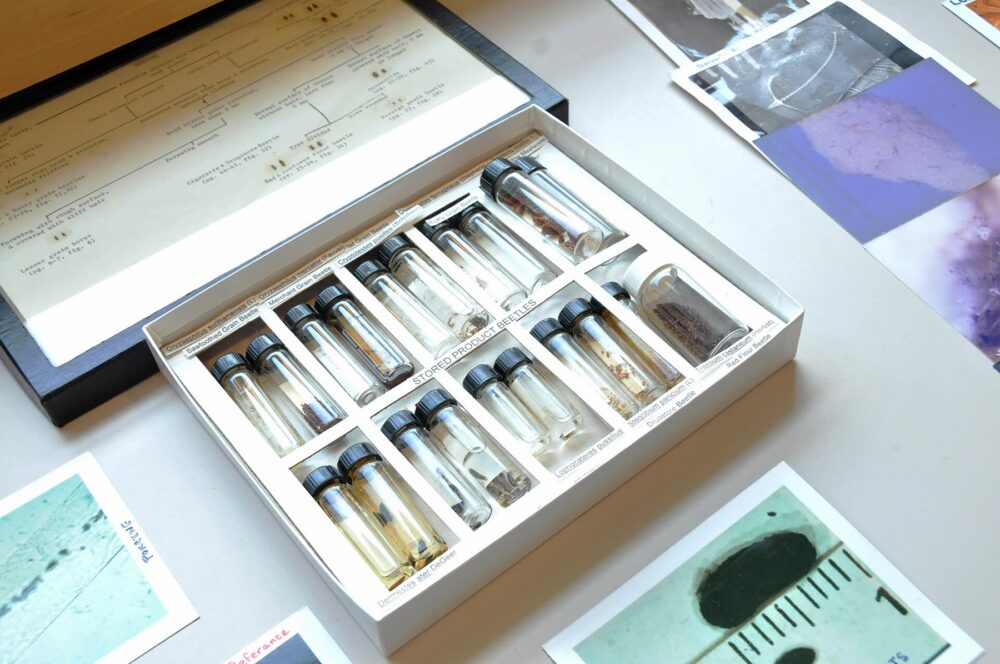
Entomology supplies are sold online through a mix of specialist bug-collecting shops, broader lab distributors, general marketplaces, and cross-border sourcing platforms. Each channel works differently and suits a different kind of buyer. If you only need a couple of nets and pinning boards, you’ll probably use a specialist retailer or a mainstream marketplace. If you’re outfitting a teaching lab or planning a small resale operation, the decision shifts toward lab distributors or B2B platforms that can handle repeat orders and bulk.
This article takes a platform-first look at where entomology supplies live online so you can match channels to your actual use-case, not just grab the first kit that shows up in search.
How the Online Market for Entomology Supplies Is Structured
Entomology supplies are the tools, materials, and equipment used to collect, study, prepare, and display insects and other arthropods. In practice, that usually means:
- Field gear: nets, aspirators, beating sheets, collecting jars, headlamps.
- Preparation tools: pinning boards, stainless steel pins, forceps, spreading boards, relaxing chambers.
- Storage and display: unit trays, drawers, display frames, insect boxes, labels.
- Teaching and lab items: basic microscopes, rearing cages, preserved specimens.
Online, these products tend to cluster into four main platform types:
- Specialist entomology retailers – dedicated bug-collecting and specimen-prep shops.
- Broad lab and science distributors – large scientific supply companies with an entomology subcategory.
- Niche specimen/collecting shops – small ecommerce sites focused on insects or ecology gear.
- General and cross-border marketplaces – multi-category sites where entomology tools appear alongside other hobby or lab products.
Specialist retailers like BugsDirect run focused catalogs of professional nets, pinning tools, and preparation equipment. Larger lab distributors such as Fisher Scientific’s entomology section fold entomology under broader biology and lab equipment. Niche shops including Pin-It Entomological Supply, EntomoBoxes, and Ecology Supplies sell targeted mixes of insect specimens, collecting gear, and simple kits through ecommerce storefronts.
BioQuip historically acted as a major source of insect preparation tools; its current site functions more like a reference for preparation equipment than a full, active retail catalog, so buyers often pair its information with sourcing from newer retailers or distributors.
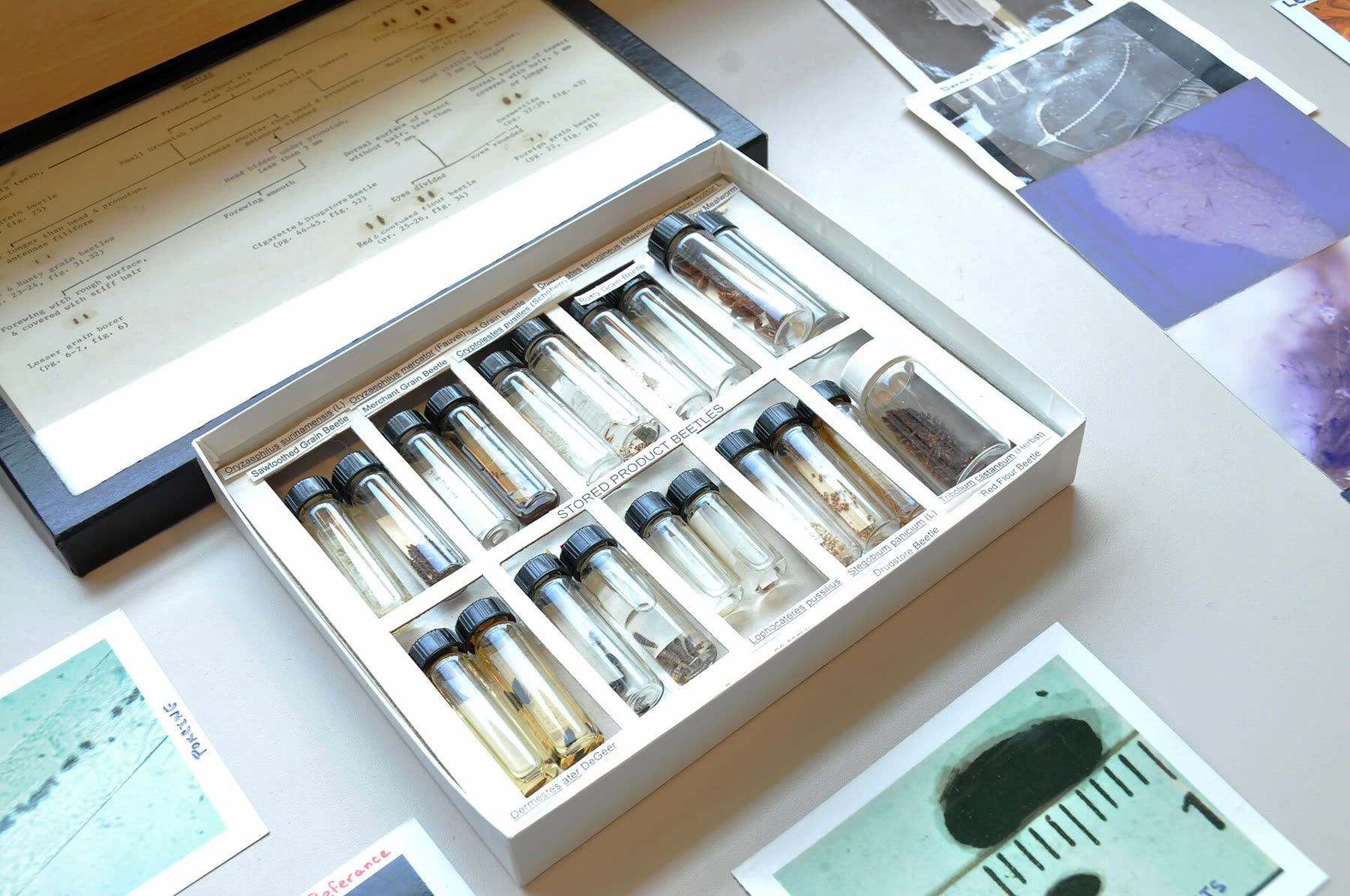
Platform Types for Entomology Supplies and How They Work
From a buyer’s point of view, the key differences between platform types are assortment depth, who you’re actually buying from, and how orders are handled.
1. Specialist entomology retailers
Sites like BugsDirect’s entomology catalog and Pin-It Entomological Supply focus on professional insect collecting and specimen preparation tools. You buy directly from the retailer, not from an individual marketplace seller.
Typical traits:
- Deep coverage of collecting and pinning: multiple net styles, specialized forceps, pinning boards and foils, breeding cages.
- Assortment curated by people who understand entomology, which tends to reduce off-topic gear.
- Retail-style ordering: you add items to a cart, check out, and the store ships from its inventory.
These platforms are usually the most straightforward route if you need a full toolkit rather than one or two generic items.
2. Lab and science distributors
Large scientific suppliers like Fisher Scientific’s entomology supplies section and education-focused companies such as Ward’s Science’s biology equipment fold entomology into broader biology and lab categories.
How they operate:
- Assortment spans microscopes, general labware, and entomology-specific tools.
- They’re geared toward institutions: schools, universities, government labs.
- Purchasing may support POs, institutional accounts, or contract pricing.
For a US school or lab that already buys chemicals and glassware from these distributors, layering entomology supplies into the same vendor can simplify procurement.
3. Niche specimen and ecology shops
Niche ecommerce sites such as EntomoBoxes (insect and butterfly specimens), Ecology Supplies, and Pin-It straddle the line between hobby and professional gear. They typically emphasize:
- Ready-made insect displays or loose specimens for teaching and collecting.
- Basic collecting kits for students or beginners.
- Direct online checkout with small- to medium-sized assortments.
They’re useful if your priority is specimens or classroom-ready displays, not outfitting a full research collection.
4. General marketplaces and sourcing platforms
Broader marketplaces such as Amazon and eBay frequently show up in buying guides as sources for specialized hobby and scientific tools. You’ll typically find generic items there: forceps labeled as “entomology tweezers,” inexpensive insect pins, simple nets, and starter kits. These can be cost-effective for casual use but are inconsistent in quality and terminology, so you often need to inspect listings closely.
Cross-border sourcing marketplaces expand that idea to bulk and B2B purchasing. DHgate, for example, is described in its own editorial content as a marketplace where Chinese suppliers list products for global buyers, including adjacent categories like beekeeping equipment. As with other B2B platforms, you’re dealing with individual suppliers, so assortment, minimum order sizes, and product focus vary widely and need to be checked listing by listing.
Matching Platform Types to Common Entomology Use-Cases
Different buyers hit very different constraints. A US hobbyist collecting in their backyard doesn’t need the same channel as a small ecommerce brand reselling insect kits.
Here’s a compact way to think about the choices:
| Buyer scenario | Typical needs | Platform types that usually fit best |
|---|---|---|
| Hobby bug collector | Nets, pins, basic tools, small budget | Specialist entomology shops; general marketplaces |
| K–12 or intro college teacher | Classroom kits, durable boxes, specimens | Lab/education distributors; niche specimen shops |
| University / research lab | Consistent tools, lab integration | Lab distributors; specialist entomology retailers |
| Small ecommerce reseller | Repeatable stock, margin on gear or kits | Specialist retailers for rebranding; B2B marketplaces |
Hobbyist or casual collector
If you’re a hobbyist:
- Start with specialist retailers like BugsDirect or Pin-It for nets, pinning boards, and proper insect pins.
- Use general marketplaces only for simple add-ons (extra tweezers, storage boxes) where exact specifications matter less.
You’re trading a small premium in price for tools that are designed with insect work in mind, not repurposed from other crafts.
Teachers and education programs
For US educators outfitting a course:
- Check your institution’s existing suppliers; many already buy from science distributors like Fisher Scientific’s entomology category or biology lines like Ward’s Science.
- Complement those with niche shops such as EntomoBoxes or Ecology Supplies for prepared specimens or simple student kits.
That mix lets you keep purchasing inside institutional systems while still getting visually engaging materials for students.
Small ecommerce sellers and cross-border sourcing
If you run a small online store and want to resell entomology supplies or insect-themed kits, your priorities shift toward margin and supply stability.
Common routes:
- Domestic wholesale or bulk retail buys from specialist shops: some retailers will accommodate larger orders or basic white-labeling if you reach out, letting you avoid complex import logistics.
- Cross-border marketplaces such as DHgate or comparable platforms: these can expose you to lower per-unit pricing or adjacent products (for example, beekeeping tools, display frames) that you can combine with entomology content on your own site.
For cross-border channels, you should treat each supplier as its own micro-platform: verify product descriptions carefully, confirm whether items actually suit insect collection or display, and test small orders before committing to larger quantities.
For more background on how multi-seller marketplaces operate and differ by region, it can help to read a general overview like Compare online marketplaces and shopping platforms or a focused comparison such as Compare DHgate with AliExpress, Alibaba and Temu. Those pieces give context for how platforms structure buyer–seller relationships, which carries directly over to entomology gear sourcing.
If your needs are small and occasional, you don’t have to dive into B2B marketplaces at all. Specialist entomology retailers and mainstream lab distributors already cover most hobby and teaching requirements; the bigger platforms start to matter once you’re chasing volume or niche price points.