
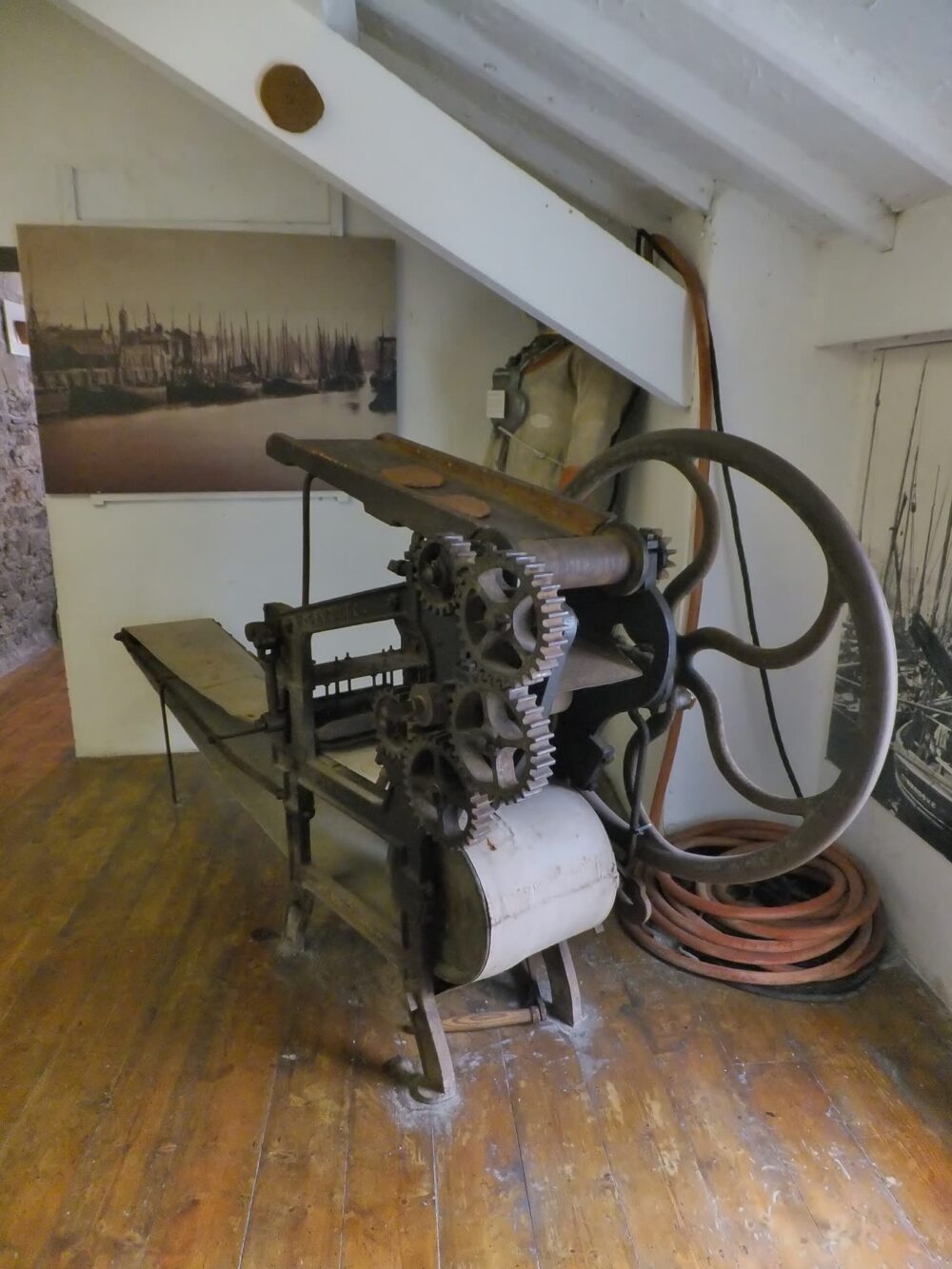
You can absolutely find affordable biscuit making equipment online, but “affordable” depends entirely on your scale. Simple home tools like cookie/biscuit presses sell for just a few dollars, while compact machines for small production can run into the low thousands and mini biscuit lines into the higher thousands. On top of that, US buyers need to budget for freight, customs, and installation – not just the sticker price.
This guide maps what different tiers of biscuit equipment really cost, why similar machines can be priced wildly differently online, and how to choose a sourcing channel that fits your budget without nasty surprise fees.
What Biscuit Making Equipment Costs at Different Scales
Biscuit making “equipment” ranges from a $5 gadget to an integrated line. Knowing which tier you’re actually in is the first budget decision.
1. Home baking and DIY tools Online listings for cookie/biscuit presses and small DIY-style tools often start in the low single digits per unit – example presses are advertised around a few dollars. These are hand-operated, sized for a home kitchen, and essentially accessories: presses with decorative discs, manual extruders, or small electric biscuit makers under consumer-appliance power levels.
DIY biscuit cutters are even cheaper. Guides show you can bend metal strips into circles or shapes using basic hardware-store materials and hand tools, underscoring how low-cost simple cutters can be compared with machinery.
2. Prosumer and micro-bakery machines Between gadgets and full lines, you’ll see “home biscuit machines” or compact cookie makers marketed to serious hobbyists and cottage bakeries. These might be small electric presses, tabletop rotary moulders, or narrow tunnel ovens. Prices vary widely, but they typically sit far above home gadgets and below industrial lines: think hundreds up to the low thousands of dollars, depending on construction (stainless steel vs. light materials), throughput, and automation.
Example listings for compact biscuit machines designed for small-scale production show prices starting around the high hundreds to low thousands and rising with advanced features.
3. Small-scale commercial biscuit machines At the next tier, you’re looking at machines meant to feed a bakery or small factory rather than a single household. Online examples of compact biscuit machines suitable for small-scale production frequently sit in a band from roughly $1,900 to about $7,000, with the upper end including more complex options like center-fill technology for cream- or jam-filled biscuits. These are usually single machines covering forming and sometimes partial baking, not full end-to-end lines.
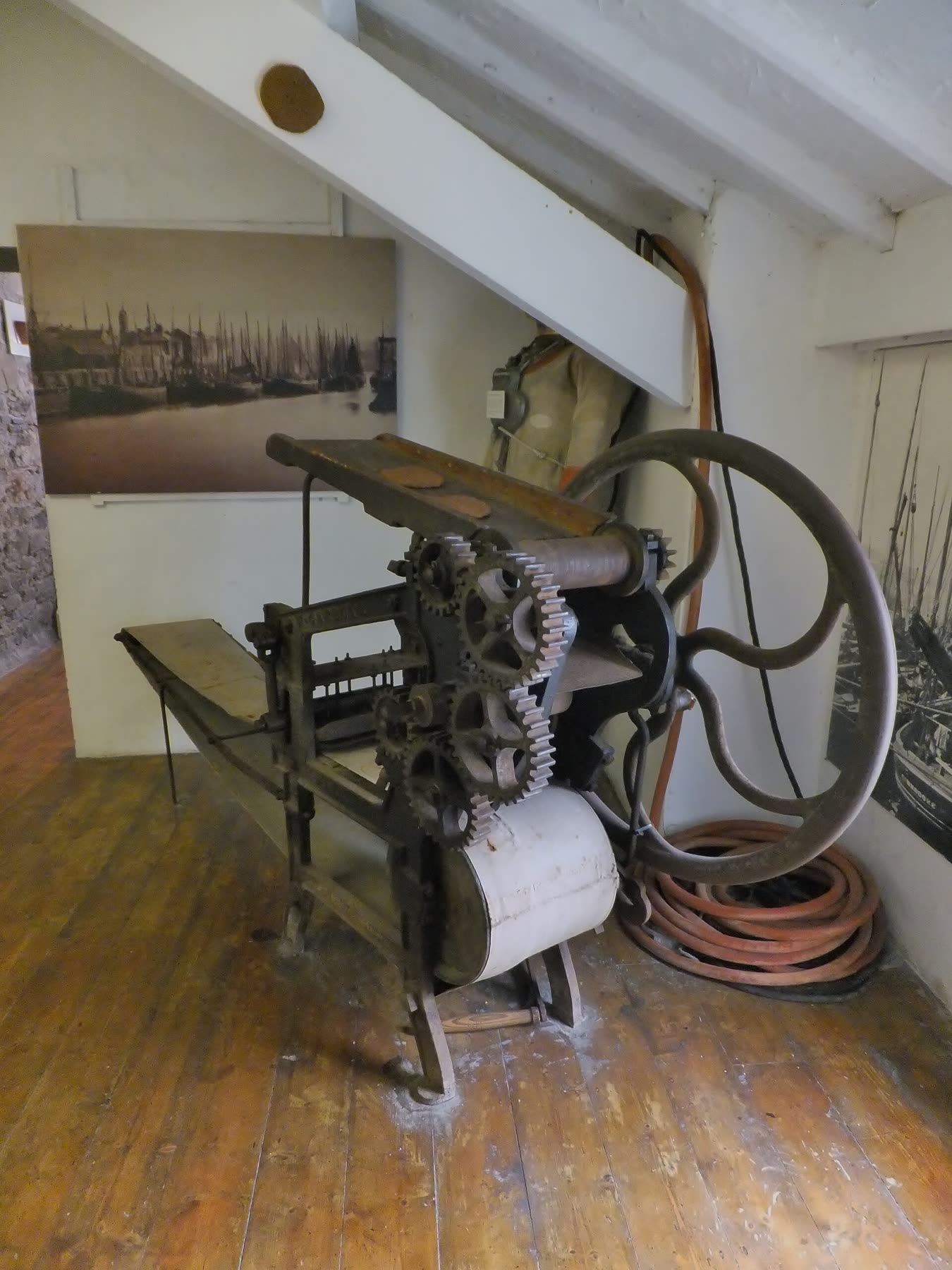
4. Industrial biscuit lines Industrial setups split production into stages: dough mixing, sheeting, laminating, forming, and baking in dedicated ovens, often followed by cooling and packaging equipment. Industry overviews from machinery platforms like Making.com’s biscuit equipment page confirm that a typical line includes mixers, sheeters, laminators, rotary moulders or cutters, and ovens as distinct units.
Full lines are quoted case-by-case and depend on capacity (kg/hour), product type, and level of automation. For a small US bakery thinking about upgrading, it’s realistic to view a compact line not as a four-figure purchase but something that can easily move toward the mid-five figures once you add freight, installation, and utilities.
Quick budget snapshot by tier
| Scale / use case | Typical equipment type | Indicative price band (machine only) |
|---|---|---|
| Home baker | Manual cookie/biscuit presses, cutters | Low single digits to low tens of dollars |
| Serious hobbyist / cottage | Small electric biscuit makers, tabletop units | Roughly hundreds to low thousands (varies) |
| Small commercial bakery | Compact forming machines, mini ovens | Example listings around $1,900–$7,000 |
| Industrial line (multi-stage) | Mixers, sheeters, laminators, ovens | Project-based; typically well into five figures+ |
These ranges are directional, based on visible listings and industry examples – actual quotes will move with specs and market conditions.
Why the Same Biscuit Machine Can Cost More or Less Online
Two machines that look similar in a photo can land in the US at very different total costs. The difference usually isn’t just seller margin; it’s how production, freight, and compliance stack up.
Machine capacity and configuration Higher throughput, more automation (e.g., automatic dough feeding, digital controls), and additional stages like center-fill injectors or integrated ovens push the base price. A compact machine that only forms plain biscuits will sit lower than one designed for filled or patterned products with multiple shape options.
Materials, hygiene, and power specs Food-contact parts in stainless steel, washdown-friendly frames, and UL/CE-style compliance all add cost but matter for a US bakery that needs durability and hygiene. Power configuration is another budget factor: machines built for local voltage/frequency may be cheaper than ones needing transformers or re-engineering.
MOQ and discount structure Editorial guides about small-scale biscuit machines talk about “price in 2025” and stress comparing verified manufacturers. You’ll often see that per-unit pricing is negotiable at higher quantities – some suppliers mention discounts for multi-unit orders. For most small US buyers, however, you’re purchasing one machine, so you won’t access those volume breaks and should budget close to the advertised single-unit price.
Shipping method and freight class Heavy biscuit machinery doesn’t ship like a stand mixer from a retail site. For cross-border sourcing, the freight choice matters:
- Parcel or courier: possible only for smaller, lighter devices; faster but usually more expensive per kilo.
- LCL/FCL ocean freight: typical for compact machines and lines; cheaper per unit but adds handling, port fees, and longer lead times.
A compact forming machine in the $2,000–$7,000 range can easily add a meaningful percentage on top for crating, freight, and insurance before it reaches your door.
Customs, import duties, and local compliance costs US buyers also face customs duties and brokerage fees on imported machinery. Rates depend on classification and trade status, so you shouldn’t assume a flat percentage. Budgeting a buffer and reading up on how duties and fees work – for example via resources like “Understand customs, tariffs and import fees” on dhgatewiki.com – helps you avoid underestimating the landed cost.
Seasonality and demand spikes Peak seasons for equipment upgrades (before major holidays or business expansion cycles) can tighten production slots and freight capacity, nudging both machine and shipping quotes up. If you have flexibility, timing your purchase outside peak windows can soften the total price.
Choosing a Sourcing Channel and Keeping Your Biscuit Equipment Budget Under Control
Once you know roughly what you need, the bigger question is where to buy – and what that does to your budget.
1. Global marketplaces Large marketplaces list everything from low-cost baking tools to some small biscuit machines. DHgate is one example: its editorial content highlights affordable home baking tools and DIY cutters, and the marketplace itself hosts a mix of inexpensive utensils and some machinery offers.
For biscuit equipment, marketplaces can work if you:
- Focus on simple tools (presses, cutters, low-power appliances) where specs are straightforward.
- Treat machinery listings as a starting point, then directly verify with the seller: machine capacity, materials, power requirements, included accessories, packaging, shipping method, and lead time.
- Factor in that the sticker price usually excludes freight and import charges.
If you’re considering a compact production machine or mini line, marketplaces are useful for initial price reconnaissance but may not give you the engineering support or installation help you’d get from a specialist.
If you want a deeper look at how DHgate fits into the wider marketplace landscape, the comparison on DHgate vs AliExpress, Alibaba and Temu can help you frame it among other platforms.
2. Specialist biscuit machinery manufacturers Dedicated manufacturers and aggregators, such as the suppliers featured on Making.com’s biscuit manufacturing equipment overview or company sites like UTF Group’s biscuit machines page, focus on industrial and semi-industrial lines. Their strengths for a budget-conscious buyer are:
- Clear breakdowns of process stages (mixing, sheeting, laminating, forming, baking) and capacity.
- Engineering advice to right-size equipment so you don’t overbuy.
- More realistic total project costing: machine, installation, training, and often utilities requirements.
Initial quotes may look higher than marketplace listings, but you’re less likely to be surprised by missing components or underestimated freight.
3. Local distributors and used equipment brokers Local distributors add margin, yet they sometimes reduce total cost by including installation, training, and warranty handling in one package. Used-equipment brokers can bring the purchase price down at the expense of higher maintenance risk and older specs.
For a small US bakery, it can be worth getting at least one quote from a local distributor or broker to compare against cross-border online prices, particularly once you add freight and import fees to overseas offers.
4. Practical cost-control moves Whichever channel you choose, a few actions help keep your biscuit equipment budget under control:
- Start with manual and DIY tools if your volume is low. A set of cookie presses and homemade biscuit cutters can cover early demand for a tiny fraction of a machine’s cost.
- Upgrade stepwise. Move from gadgets to a single compact forming machine before committing to a full line. Each step should pay for itself in labor savings and extra output.
- Request landed-cost quotes. Ask suppliers to estimate machine price, crating, freight, and expected import fees so you compare like-for-like.
- Match capacity to your forecast. A machine capable of double your realistic output often costs much more and can strain your power and space without immediate payoff.
For buyers leaning toward cross-border online sourcing, dhgatewiki.com’s guide on wholesale suppliers on DHgate and the explainer on customs, tariffs and import fees offer more context on how to assess supplier offers and the extra costs that sit between a listing price and a machine running in your bakery.