
If you’re looking for moose hand puppets, you’re basically choosing between four kinds of online platforms: big-box retail sites, education-focused toy shops, handmade marketplaces, and specialty puppet retailers. Each route works differently and fits a different buyer. For small ecommerce sellers, you can layer in cross-border marketplaces as a fifth option, but they require more verification effort.
What “Moose Puppets and Hands” Means and Where They’re Sold Online
“Moose Puppets and Hands” isn’t a brand; it’s a search phrase that usually points to moose-themed hand puppets—soft toys you wear over your hand for play, classroom stories, or puppet shows.
These puppets show up on several platform types:
- Mass retail platforms. Major US retailers such as Walmart list moose hand puppets like the DolliBu Super Soft Stuffed Animal Moose Hand Puppet, a plush toy around 10 inches designed for kids’ imaginative play and puppet shows. You can see an example on Walmart’s site.
- Niche education-focused sites. Sprig Learning sells hand puppets with an explicit classroom and early-learning angle, including a moose puppet in its range of animal characters. Their puppet collection is visible at Sprig Learning’s hand puppets page.
- Handmade and craft marketplaces. Etsy hosts independent creators offering both finished puppets and sewing patterns, such as a moose hand puppet pattern with step-by-step instructions, shown in this listing: moose hand puppet pattern on Etsy.
- Specialty puppet retailers. Dedicated puppet shops stock textile moose hand puppets alongside other animals. For example, Marionettes-Puppets.com lists a fabric moose hand puppet in its catalog: Moose textile hand puppet.
These examples are useful not just as product ideas, but as anchors for understanding how each platform type works.
Platform Types for Moose Hand Puppets and How They Work
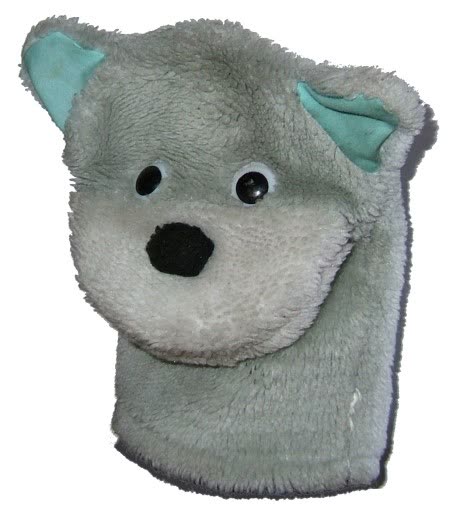
From a buyer’s point of view, the same moose puppet can be sold very differently depending on the platform model.
1. Mass retail sites (Walmart, Target, Amazon) These are conventional retail platforms selling finished products in consumer quantities. You typically buy 1-5 units per order, often from established brands or importers. For moose hand puppets, Walmart’s DolliBu listing is a good example: it’s clearly a packaged toy with a defined size and audience, aimed at parents or teachers buying individual pieces.
How they work for you:
- Quick, simple checkout, clear per-unit prices.
- Limited control over branding if you’re reselling—you’re flipping an existing branded product.
- Good for small quantities and testing whether kids or customers even like moose characters.
2. Education-focused platforms (Sprig Learning, Montessori/early-learning shops) Sites like Sprig Learning curate puppets specifically for literacy, language, and social-emotional activities. Their moose puppet sits inside a broader hand-puppet set designed for classroom use, as seen on Sprig’s puppet collection.
How they work for you:
- Product selection optimized for teaching scenarios (storytelling sets, book tie-ins, matching prop kits).
- Helpful if you’re a teacher or school buyer who wants puppets that fit lesson plans, not just generic toys.
- Less variety than general marketplaces, but more focus on age-appropriate design and classroom durability.
3. Handmade & craft marketplaces (Etsy) On Etsy, moose puppets may be one-of-a-kind handmade toys or digital patterns, like the moose hand puppet pattern. You’re usually dealing directly with an individual creator.
How they work for you:
- Strong customization potential: colors, fabric types, or even character tweaks if the seller offers that.
- Higher per-unit prices than mass retail, but you get uniqueness and artisan branding.
- For small ecommerce businesses, you can buy patterns and sew puppets yourself, or work with makers on small-batch production if they’re open to it.
4. Specialty puppet retailers Shops such as Marionettes-Puppets.com focus entirely on puppets: glove puppets, marionettes, stage puppets, and more. Their moose textile hand puppet listing shows a classic glove style intended for puppet theaters and storytelling shows: Moose hand puppet.
How they work for you:
- Deep, puppet-specific assortment (many animals, character types, sizes).
- Often designed for performance settings—libraries, theaters, or serious hobbyists.
- Suitable if you need a moose puppet that matches a larger cast of characters for regular shows.
Here’s a quick comparison of how those platform types feel as buying channels:
| Platform type | Typical buyer use | Quantity sweet spot | Branding control if you resell |
|---|---|---|---|
| Mass retail (Walmart) | Home play, small classes | 1-10 units | Low – resell existing brands |
| Education-focused (Sprig) | Class sets, literacy | 1-30 units | Low – school / edu brands |
| Handmade/craft (Etsy) | Gifts, boutique shops | 1-20 units | Medium–high with creator |
| Specialty puppet shops | Puppet shows, theaters | 1-15 units | Medium – niche performance look |
Values here are editorial judgment based on how these platforms typically operate, not fixed rules.
Choosing the Right Platform Route for Your Moose Puppet Needs
The best channel depends heavily on whether you’re a parent, teacher, or reseller—and how much effort you want to invest.
If you’re a parent or caregiver
You probably want one or two durable puppets for play or to match a favorite book (such as If You Give a Moose a Muffin kits sold on classroom supply sites). In that case:
- Start with mass retail: Walmart, Target, and Amazon tend to carry moose-themed puppets and ship quickly.
- Check education-focused sites if you want puppets designed for early literacy or Indigenous storytelling programs; Sprig Learning’s animal puppets category is one example.
Handmade puppets on Etsy are great if you want something special for a birthday or holiday, but you’ll usually pay more than a mainstream brand.
If you’re a teacher or librarian
You care about how well puppets support group storytelling and classroom management.
- Education-focused platforms are often the best starting point, since their assortments are built around lesson plans and sets (for example, Sprig’s hand puppets collection including a moose). You can often get multiple characters in a similar style so kids recognize them.
- Specialty puppet retailers make sense if you’re running regular puppet shows and want a moose character that visually matches other animals from the same line, like the textile glove puppets at Marionettes-Puppets.com.
Retail marketplaces still work if budget is tight, but you may get a mix of styles that don’t feel cohesive on stage.
If you’re a small ecommerce seller or boutique owner
Your decision is more complex: you’re balancing margin, differentiation, and sourcing risk.
For low-volume selling (a few dozen units):
- You can buy finished puppets from mass retail or specialty puppet shops and resell them, but margins are usually thin and you have limited brand control.
- You can buy patterns or commission handmade runs through Etsy and position your shop around artisan or locally-made moose puppets.
For higher-volume or cross-border sourcing:
- You might look at global marketplaces that connect you with manufacturers. Editorial guides to plush toys often point out that platforms like Amazon, Etsy, Walmart, and Target are widely used for buying finished plush and puppet products, but they’re not the only route.
- Cross-border marketplaces such as DHgate exist as additional sourcing options where individual sellers offer bulk quantities of toys and puppets. If you explore that route, treat it as supplier discovery rather than instant trust: click through to seller pages, read listing details carefully, and confirm product specs and sample quality before committing. For a neutral overview of how that marketplace works in general, see what DHgate is and how the marketplace works.
Because cross-border sourcing adds more variables—communication, lead times, local regulations—it’s usually better suited to sellers who already have some experience vetting suppliers. If you’re very early-stage, sticking to domestic retail, education, handmade, and specialty puppet platforms often keeps your risk lower.
For broader context on the types of online marketplaces you’ll encounter, you can also read Compare online marketplaces and shopping platforms and, when you’re ready to look beyond US-based sites, Compare DHgate with AliExpress, Alibaba and Temu.
The short version: use retail platforms for convenience, education sites for teaching value, handmade marketplaces for uniqueness, specialty puppet shops for performance quality, and cross-border marketplaces only when you’re prepared to vet sellers and manage more complex sourcing.