
You can assemble a personalised hamper on a tight budget by treating it like a small project: set a spend per recipient, choose an inexpensive container and filler, then build around one or two “hero” items instead of lots of premium products. For most Australian buyers and small gifting businesses, the cheapest way to get a hamper that still looks high-end is usually DIY—buying components from supermarkets, discount stores or wholesalers and investing effort in presentation—rather than paying a retailer for curation and labour.
The key is to understand what you’re actually paying for: the contents, the basket or box, all the wrapping, and the time it takes to put everything together. From there you can decide whether a pre-made hamper, a home-assembled basket, or a mix of local and cross‑border sourcing suits your budget and volume.
What Actually Drives the Cost of a Gift Basket or Hamper?
Most hampers, whether purchased or DIY, share a basic structure: a container, filler, themed items, and decorative wrapping, as you’ll see in Australian guides like The Hamper Boutique’s overview of gift hampers.
For budgeting, think in five lines:
- Container – basket, box, crate or tin. Wicker looks classic but costs more; simple cardboard gift boxes or reusable tins are usually cheaper. Size also matters: bigger containers force you to buy more fill.
- Filler/base – tissue, shredded paper, raffia. These are low-cost but essential because they bulk out the hamper and make fewer items look abundant. DHgate’s own editorial tips stress how filler and careful layering instantly make a budget hamper appear fuller and more expensive.
- Hero items – the things the recipient will actually notice: a bottle of wine, a local artisanal snack, a candle, a bath set, a mug. This is where your spend should concentrate.
- Supporting items – the smaller pieces that round out the theme: tea bags, chocolate bars, bath salts, socks, stationery. These can be supermarket or discount-store buys without cheapening the feel.
- Wrapping & decoration – cellophane or a lid, ribbon, tags, possibly a card. Simple ribbon and clear wrap usually look more “premium” than busy patterned paper when you’re on a budget.
Australian hamper retailers like Giftbasket.com.au charge fixed prices that also include their labour, overheads and branding. With DIY, you’re taking on that labour yourself. That’s why many editorial guides note that building your own hamper can be cost-effective: you avoid the retailer’s markup and decide exactly how much to spend on each item.
For a single gift, DIY can keep costs modest but does require time. For a small business doing 20+ hampers, you’ll feel container and wrapping costs more sharply—buying in bulk then becomes essential.
How Theme, Quantity and Customisation Change the Price
Not all hampers cost the same to build. Three factors move your budget up or down fast.
1. Theme and item type
Choosing a clear theme around the recipient’s interests keeps you focused and protects your budget. Common themes that work well on a smaller spend include:
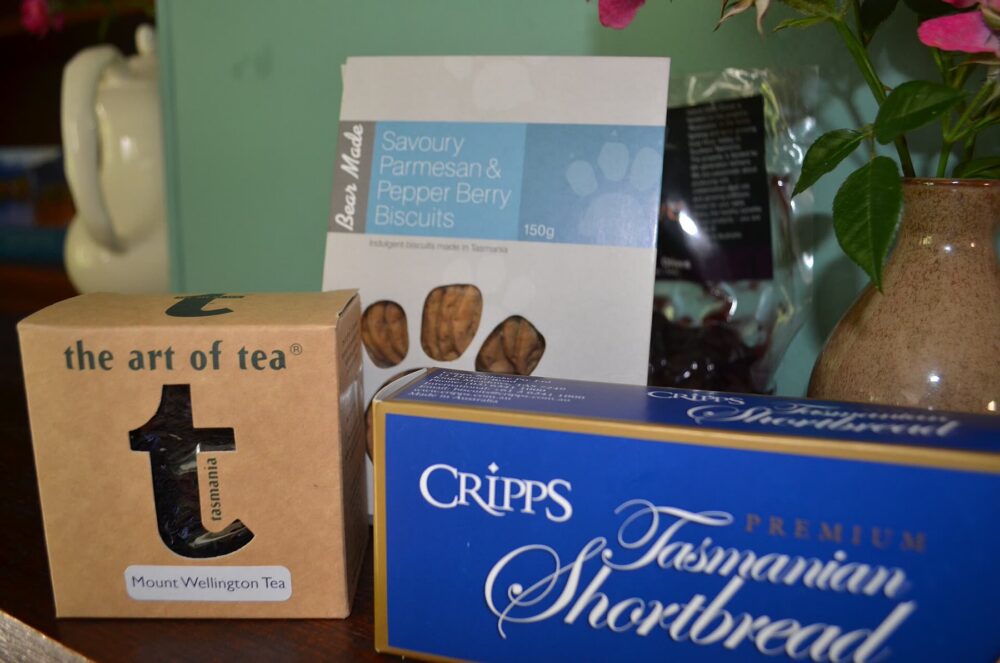
- Tea or coffee lover – supermarket or specialty-store tea/coffee, a mug, biscuits, maybe a small infuser or scoop.
- Spa/pamper – bath salts, a face mask, a soy candle, a flannel or towel. These can be sourced affordably if you avoid high-end skincare brands.
- Gourmet snacks – artisan crackers, nuts, chocolate, chutney. You can mix one or two gourmet items with everyday brands to keep cost sane.
- Sports or hobby kit – for example, a cricket-themed hamper with socks, sunscreen, snacks and a water bottle.
Budget-friendly hamper advice from DHgate’s editorial blog and other gift guides frequently suggests focusing on items like snacks, candles, bath products and small personalised gifts instead of high-ticket electronics or luxury fashion. These categories are easier to source cheaply while still feeling generous.
Gourmet vs everyday is the big price lever: swapping a premium bottle of wine for craft soda, or imported chocolates for local supermarket blocks, can pull a hamper down a whole price tier while still matching the recipient’s tastes.
2. Quantity and batch size
How many hampers you need changes your sourcing strategy:
- One-off personal gift – you can happily mix brands and buy in ones and twos, even cherry-picking supermarket specials.
- Micro-batch (5-20 hampers) – ideal for side-hustle gifting businesses. Here, buying the container, filler and at least one hero item in bulk starts to matter. You might standardise the core contents and personalise with one item or a card per recipient.
- Larger corporate orders – often require consistency and branding, pushing you towards wholesale suppliers or established hamper companies.
Volume also amplifies small design choices. For instance, including a tea towel or mug in every hamper is manageable for five recipients but becomes a major cost line at 50 unless you secure a wholesale price.
3. Level of customisation
Fully bespoke hampers (different contents for each person) are wonderful for personal gifts but time-intensive for small businesses. The more individual tailoring you do—different colours, sizes, printed names—the more you’ll pay in unit costs and labour.
A practical compromise for budget-conscious businesses is:
- Set a standard base hamper (container, filler, 3-4 core items).
- Add one personalised item (monogrammed keyring, custom tag, specific snack) per recipient.
This keeps procurement efficient while still delivering that personalised feel customers want.
Sourcing Channels: DIY, Local Retailers, Marketplaces (Including DHgate)
Once you know your theme and quantity, you need a channel mix that suits your budget and effort level. Here’s a compact comparison.
| Sourcing option | Typical value profile | Pros for budget | Tradeoffs & effort |
|---|---|---|---|
| Pre-made hampers (Australian retailers) | Mid to premium; you’re paying for curation, branding and labour. | Zero assembly time; predictable price per hamper; often attractive presentation. | Less control over contents; harder to keep costs low for large groups; limited personalisation without extra fees. |
| DIY from supermarkets/discount stores | Can be low to mid-range depending on hero items chosen. | Strong potential savings; easy to react to specials; full control over mix and theme. | Time-consuming; you must source containers and wrapping; design quality depends on your skills. |
| Local wholesalers / bulk-buy | Good for micro-batches and small businesses. | Lower unit cost on containers, filler and repeat items; better margin on resale hampers. | Requires upfront planning and storage space; MOQs may be higher than a casual gifter wants. |
| Cross-border marketplaces (e.g., Cross-border multi-seller) | Useful for low-cost small gifts or packaging bought in bulk. | Wide variety of filler items, trinkets and containers; potential savings on per-unit cost for bulk orders. | You must check each listing and seller, factor in long shipping times and any import charges; not ideal for last-minute gifting. |
Where DHgate might fit
For an Australian small gifting business, a marketplace like DHgate can be one channel for bulk non-food components: things like inexpensive baskets, small homeware items, keyrings, or stationery to use as filler. It’s less suited to time-sensitive or perishable gifting.
If you explore DHgate or similar marketplaces:
- Read buyer reviews for signals on actual product quality, not just photos.
- Reserve cross-border sourcing mainly for items where timing is flexible (e.g., generic containers or trinkets you’ll use across many hampers).
For food items or tight deadlines, local Australian sources—supermarkets, discount chains, farmers’ markets, or domestic wholesalers—are usually more practical.
If you’re deciding between DHgate and other marketplaces more broadly, the comparison guide at Compare DHgate with AliExpress, Alibaba and Temu can help you zoom out from just hampers and look at platform fit.
Practical Ways to Make Hampers Look Premium on a Shoestring
Whether you’re building one basket or fifty, a few design habits consistently lift perceived value without lifting spend.
Focus on the container and layout
You don’t need expensive wicker. A medium-sized box, crate or tin keeps both container and filler costs modest and prevents you from needing to “stuff” it with lots of products. Arrange larger items at the back and smaller items at the front, with shredded paper or tissue supporting them—DHgate’s editorial guides emphasise that this layering and depth makes even simple contents feel luxe.
Spend selectively on 1-2 hero items
Pick one or two things the recipient genuinely cares about—good coffee beans, a nice candle, favourite snacks—and anchor your theme around them. Then surround those with budget-friendly supports: supermarket biscuits, basic bath salts, plain mugs or notebooks.
For example:
- Low-budget gourmet – one local artisan chutney, a packet of nice crackers, supermarket nuts and chocolate, packed in a simple crate with raffia and a handwritten tag.
- Budget spa hamper – mid-range candle, budget-friendly face mask sachets, bath salts decanted into a jar, rolled washcloth, all wrapped in clear cellophane with a single ribbon.
- Christmas mini-hamper – small pudding or fruit cake, tea bags, a Christmas ornament, and chocolates in a small box with tissue and a sticker. Perfect for office or client gifts.
Standardise for small batches, personalise lightly
For a side-hustle or small ecommerce brand:
- Keep containers, filler and 3-4 core items identical across the batch.
- Personalise with a name tag, short note, or one item swapped to fit dietary or taste preferences.
This approach lets you buy packaging and most contents in bulk, dramatically cutting per-unit costs while still delivering a “personalised” experience customers value.
Time your buying and reuse where sensible
Gifting supplies spike in price and sell out in the weeks before Christmas, Mother’s Day and Valentine’s Day. For recurring hampers:
- Buy neutral containers and ribbon off‑season and store them.
- Reuse props such as reusable crates or tins in your own household or business after gifting, or encourage recipients to use them—adding perceived value without adding cost.
If you’re planning to bring in any components from overseas, read up on how customs and import fees can change your real cost; the explainer at Understand customs, tariffs and import fees has a practical, marketplace-agnostic overview.
Handled thoughtfully, a budget hamper doesn’t have to look budget. Decide your spend per recipient, pick a tight theme, invest in one or two meaningful items, then use modest containers, simple fillers and clean presentation to do the rest. DIY is usually the most flexible and cost‑smart route for Australian buyers and small gifting businesses, with local retailers and marketplaces like DHgate playing supporting roles when you need either convenience or specific bulk components.