
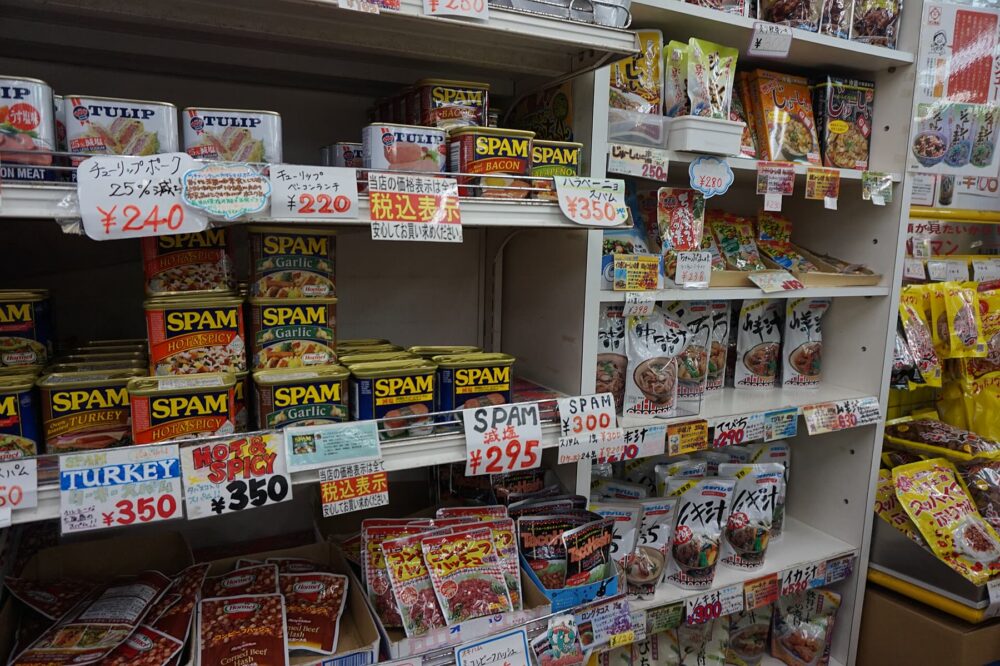
Amazon’s canned food selection covers most pantry basics: vegetables, fruits, beans, tomatoes, meats, tuna and other fish, soups, chilies, and ready-to-eat meals. The best options for you depend on how you’ll use them—quick dinners, emergency storage, or small-scale resale—and on concrete details like ingredients, sodium and sugar levels, packaging integrity, brand reputation, and seller reliability. You can get solid everyday staples and emergency-friendly items on Amazon if you know which types to favor for each role and how to read the listing.
What Amazon Canned Food Shopping Covers and Who It’s For
On Amazon, canned foods live inside grocery categories such as “Canned, Jarred & Packaged Foods” and “Pantry Staples.” That umbrella includes shelf-stable vegetables and fruits, canned meat and fish, soups and stews, tomato products, beans, and assorted ready meals, sold by a mix of major brands, private labels, and smaller producers.Amazon category overview
People in the US tend to shop these Amazon categories for three main reasons:
- Everyday pantry building. You stock diced tomatoes for pasta, beans for tacos, canned corn or green beans for sides, tuna or chicken for sandwiches.
- Emergency or survival stockpiling. Preparedness guides often call out canned vegetables, fruits, tomatoes, beans, tuna, chili, stews, and canned meats as core items because they’re ready to use, have extended shelf life, and can form complete meals with little effort.
- Small resale and bundling. Small ecommerce operators or local shops may buy multipacks on Amazon—especially popular or store-brand lines—to break into smaller units or build themed bundles (e.g., chili night kit).
Well-chosen canned goods work for all three scenarios because they’re accessible (no prep), keep for a long time in their sealed containers, and plug into a wide range of dishes—from quick weeknight dinners to emergency meals.DHgate editorial context
Key Canned Food Types on Amazon and How They Differ
Below is a practical way to think about the main canned categories you’ll see on Amazon and what they’re good for.
| Canned type | Typical examples on Amazon | Best everyday uses | Stockpile role & tradeoffs |
|---|---|---|---|
| Vegetables | Corn, green beans, peas | Side dishes, casseroles, soups | Core emergency veg; may be salty |
| Fruits | Peaches, pineapple, pears | Snacks, desserts, smoothies | Vitamins/calories; watch added sugar |
| Beans & legumes | Black beans, chickpeas | Tacos, salads, chilis, grain bowls | High protein & fiber; very versatile |
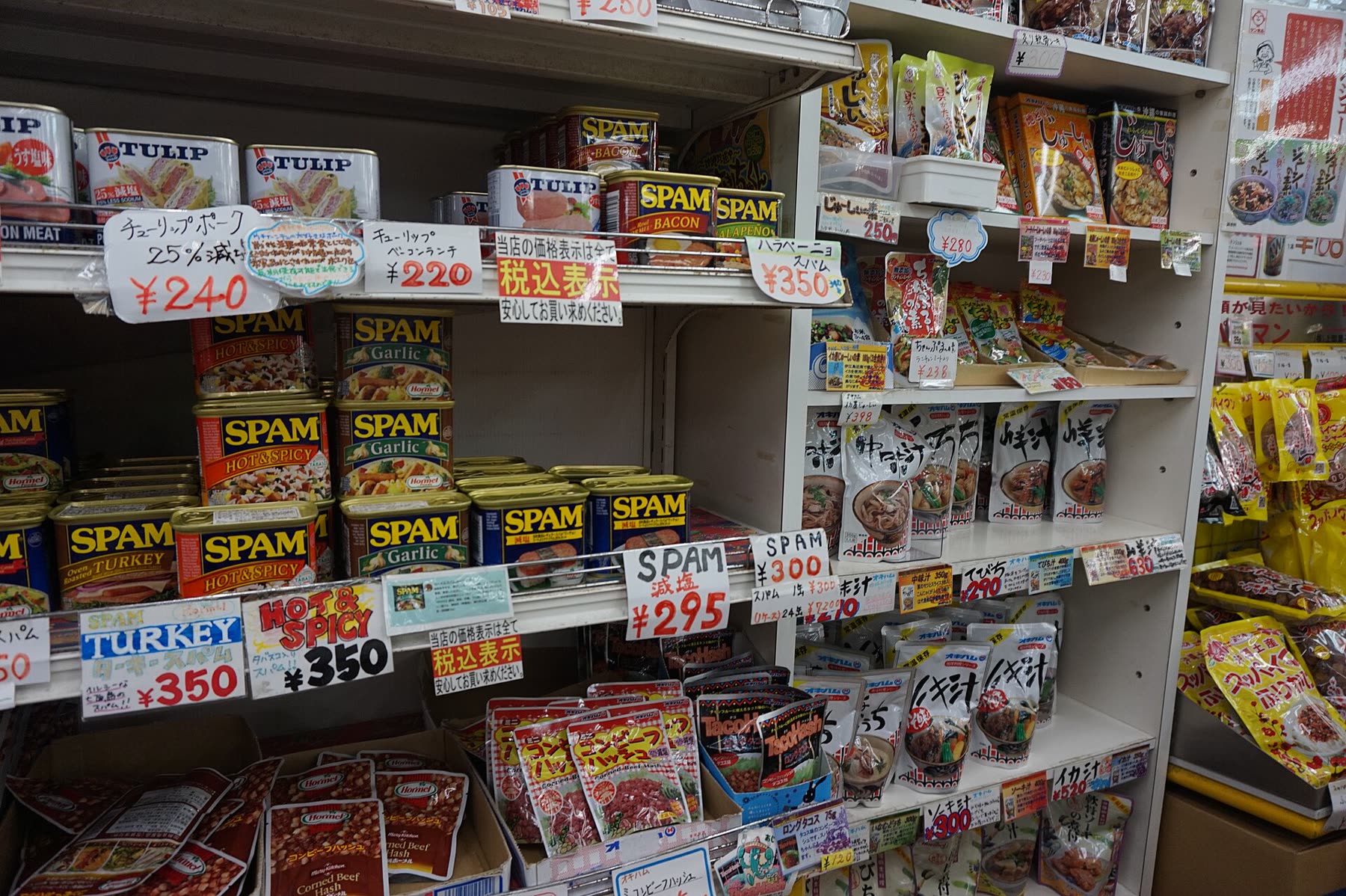
| Meats | Corned beef, roast beef | Sandwiches, hash, hearty main dishes | Dense calories/protein; richer taste |
| Fish | Tuna, salmon, sardines | Salads, sandwiches, pasta, rice bowls | Compact protein; check oil/sodium |
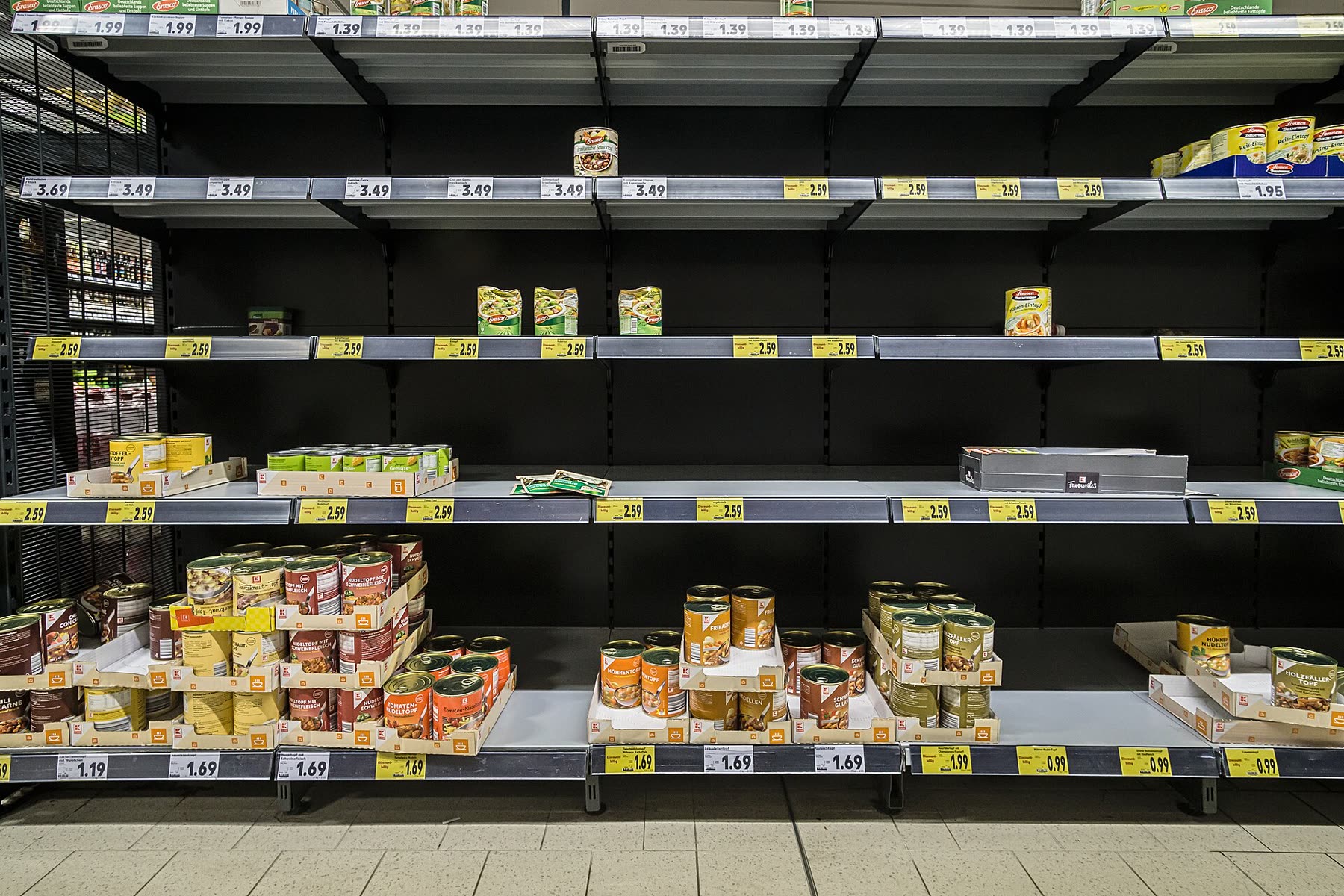
| Soups & stews | Chicken noodle, beef stew | Heat-and-eat meals, office lunches | Complete meals; often higher sodium |
Vegetables and fruits. These are common in both pantry and survival lists. Canned corn, green beans, mixed vegetables and fruit cocktail make side dishes or quick add-ins to rice, pasta, and stews. For everyday use, look for “no salt added” vegetables or fruit packed in juice rather than heavy syrup to keep sodium and sugar in check.
Beans and legumes. Many deal-hunting guides treat canned beans as a cornerstone pantry item because they’re cheap per serving, high in protein and fiber, and flexible—black beans for burritos, chickpeas for salads, kidney beans for chili.Canned-bean price strategies On Amazon, you’ll see both name brands and store brands sold in single cans and cases.
Meats and fish. Canned tuna in oil or water, salmon, sardines, and corned beef or roast beef appear frequently in stockpile recommendations because they pack a lot of protein into small space. For everyday use, you might favor tuna and salmon for lighter meals; for emergency reserves or hearty dishes, canned beef or chicken stews can be useful.
Soups, chilis, and ready meals. Amazon’s broader “Packaged Meals & Side Dishes” and canned soup sections include heat-and-eat options like chili with beans, beef stew, chunky vegetable soups, and ethnic-style ready meals.Packaged meals bestseller list These shine when you need complete meals without extra ingredients.
Tomato products. Diced, crushed, and whole tomatoes, plus sauces and paste, show up on almost every “best canned foods to stockpile” list because they’re a base for pasta sauces, soups, curries, and braises.Stockpile example list
How to Choose Reliable Canned Foods and Sellers on Amazon
You don’t see the physical can until it arrives, so your selection has to rely on listing details, labels, and seller signals.
1. Start with packaging and dates (once delivered).
When the order lands, check that every can is intact: no swelling, deep dents on seams, leaking, or rust. Look for clear production and “best by” dates printed on the lid or can body. These are basic quality checks recommended in canned-food guides and are especially important if you bought from a third-party seller or plan to store items for a long time.
2. Read ingredient lists and nutrition panels in the listing photos.
Most Amazon grocery listings include photos of the back or side of the can. Favor products that:
- Use recognizable ingredients instead of long strings of additives.
- Have reasonable sodium per serving (many soups and chilis are quite high, so compare within the category).
- Keep added sugars modest, especially for fruit and tomato products.
These aren’t medical rules, but helpful heuristics from general nutrition advice for picking better canned foods.
3. Compare price per ounce, not just per can.
Cost-focused bean-buying articles show that you can shave a lot off your budget by comparing unit prices, watching promotions, and including store brands in the mix.Canned-bean deal tips Amazon makes this easier with its “price per ounce” metrics on many listings. When you’re choosing between a 6-pack of 12-ounce cans and a case of 15.5-ounce cans, check that number rather than guessing.
For small resellers, that unit price is your margin anchor: it determines whether you can profit after repackaging or bundling.
4. Use brand and seller signals specific to grocery.
On Amazon, canned goods can be sold by:
- Well-known national brands
- Amazon’s own or partner private labels
- Independent brands or third-party marketplace sellers
For grocery items that will sit in storage or be resold, pay attention to:
- How many reviews the specific product has and whether recent ones mention damaged cans or off flavors.
- Whether the seller is the brand owner, “Ships from and sold by Amazon,” or a third party.
- Consistency across listings—do multipacks and single cans share the same label graphics and descriptions?
These checks help weed out sloppy handling or inconsistent sourcing, even without any platform-wide guarantee.
5. Think channel choice and cross-border sourcing carefully.
Most US buyers will find what they need in domestic Amazon grocery channels or local stores, especially for mainstream canned vegetables, fruits, soups, and meats.
If you’re a small ecommerce business looking at bulk or cross-border packaged foods, marketplaces like DHgate sometimes list canned or jarred goods. That can be relevant if you’re sourcing niche regional products or trialing small import runs. But you’ll need extra steps: confirm the product’s suitability for your market, dig into seller history and reviews, ask for documentation, and make sure labeling and compliance are acceptable before committing to large orders.
Resources like What DHgate is and how the marketplace works and Find trusted sellers on DHgate offer general marketplace background; for high-volume food imports, layer that on top of your own regulatory and quality checks.
6. Match your mix to your real use case.
For home everyday use, tilt toward beans, tomato products, lighter soups, and tuna or salmon—items you’ll realistically rotate through recipes.
For emergency supplies, push your mix more toward complete meals (chili, stews, hearty soups), canned meats and fish, and a range of vegetables and fruits to maintain variety.
For resale, focus on products with consistent packaging, strong brand recognition, and stable supply on Amazon—so you’re not constantly pivoting when items go in and out of stock.
Choosing canned foods on Amazon isn’t just about clicking “best sellers”; it’s about mapping each item to a specific role in your pantry or business, then checking that the nutrition, packaging, and seller details line up with that role.