
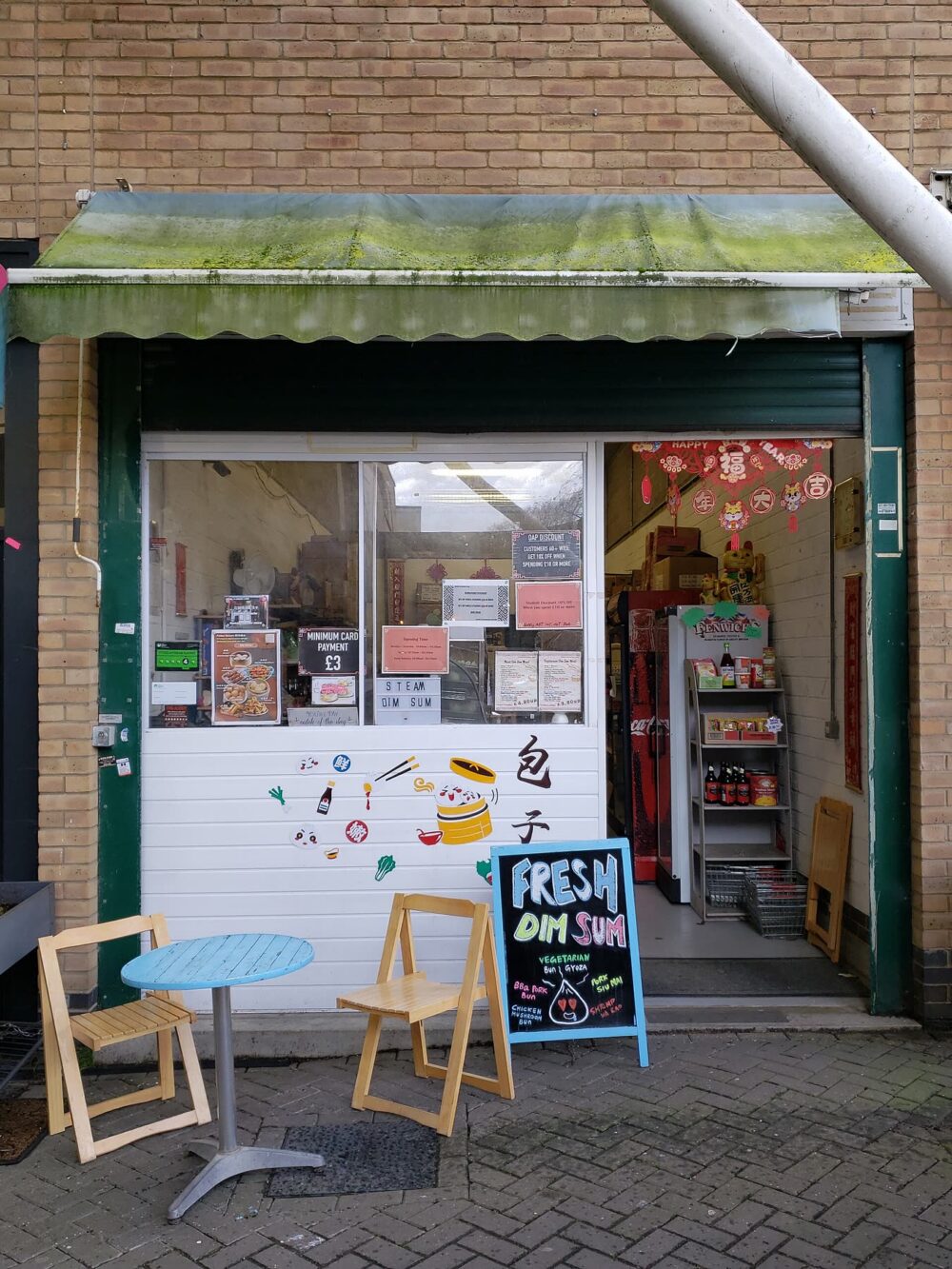
In the United States, “Saffron Grocery and Market” usually isn’t a single online platform. It’s a pattern of small ethnic groceries and markets—often Persian, Indian, Afghan, or broader Mediterranean—that use “Saffron” in their name. For home cooks, these stores can be one of the best practical places to get saffron: you can see the package, compare brands, and ask questions before you buy. For a small ecommerce or food business, they’re fantastic for testing flavors and brands, but they rarely work as a scalable, nationwide sourcing channel.
This article explains what those Saffron-branded markets actually are, how the in-person experience compares with buying saffron through online retail sites or wholesale-style marketplaces, and which route fits different buyer situations.
What “Saffron Grocery and Market” Usually Means in the US
Search “Saffron Grocery and Market” and you’ll see multiple independent stores across the country using similar names. They’re not a chain; they’re local ethnic groceries serving their own communities.
A few examples:
- Torrance, CA – Saffron Food Mart / Torrance Persian Market
The Torrance Persian Market presents itself as a family-owned Persian food market. It offers groceries, Persian pastries, Mediterranean and Halal foods, and prepared meals—essentially a neighborhood hub for Iranian and Middle Eastern cuisine.
- Novato, CA – Saffron Grill & Market
Saffron Grill & Market in Novato combines a Persian/Mediterranean restaurant with a small market, typically stocking imported staples and spices alongside ready-to-eat dishes.
- Glen Mills, PA – Saffron Indian Market
Saffron Indian Market describes itself as a South Asian grocery with premium groceries, spices, Halal meat, and more, targeting everyday cooking needs for Indian and Pakistani cuisines.
- Scottsdale, AZ – Saffron Market
The Scottsdale listing shows Saffron Market as an Indian grocery—again focused on regional staples, spices, and convenience items.
- Cockeysville, MD – Saffron International Market
Saffron International Market is listed as an international market, suggesting a mix of Middle Eastern, South Asian, or other imported groceries.
Different owners, slightly different focuses, but a common pattern: small ethnic markets, often with Halal meat, a strong spice section, and sometimes an attached kitchen.
What this means for saffron These stores typically stock boxes or small jars of saffron from Iran, Spain, India, or other producing regions because their customers cook dishes like paella, biryani, tahdig, or kheer. Buying saffron here is very tactile:
- You can physically inspect the packaging for origin and production date.
- You often see multiple brands side by side on a spice shelf.
- Staff may be able to tell you which brand regulars prefer for color and aroma.
That in-person visibility is a major advantage over distant online sellers, where you’re deciding from product photos and descriptions alone.
How Local Saffron Markets Compare to Online Retail and Wholesale Platforms
Saffron is sold through several platform types:
- Local ethnic groceries and specialty markets – the Saffron-branded stores described above, plus other Middle Eastern, Indian, and Mediterranean shops.
- Mainstream and niche online retailers – Amazon, Walmart.com, Whole Foods’ online listings, and specialty spice shops.
- Wholesale-style marketplaces – Alibaba, AliExpress, and cross-border platforms such as DHgate, often connecting you directly to exporters or traders.
Here’s how those channels usually stack up for saffron and similar spices.
Key differences by channel
| Channel type | Typical strengths for saffron | Typical limitations for saffron |
|---|---|---|
| Local Saffron-style market | You can inspect packaging and compare brands; staff know regional cooking; good for small quantities. | Limited stock and brand variety; not set up for large recurring wholesale orders. |
| Online retail sites (Amazon, specialty spice shops) | Wide brand selection; easy price comparison; home delivery; often better for repeat personal orders. | You rely on photos and reviews, not in-person inspection; shipping time and handling can affect freshness. |
| Wholesale marketplaces (Alibaba, AliExpress, Cross-border multi-seller) | Potentially lower unit costs for bulk; direct contact with suppliers; options for private label if you scale. | Quality control and authenticity vary; minimum order quantities can be high; requires careful vetting and test orders. |
Specialty and ethnic markets are widely recognized as a core channel for authentic imported foods alongside online retailers and mainstream chains, as described in guidance on finding Spanish products through local specialty stores and ethnic markets. That general pattern applies neatly to saffron: local markets are a practical route for “authentic everyday” buying, while online retailers widen your choices and help once you move beyond what’s stocked locally.
A parallel example comes from spices like dried minced onion: editorial guides on that ingredient point out the same spread of channels—local grocery spice aisles, specialty shops, farmers’ markets, and online retailers such as Amazon, Walmart, and eBay. Saffron simply sits at the premium end of that same distribution network.
Where DHgate and other marketplaces fit
For small ecommerce sellers and food entrepreneurs, wholesale-style marketplaces can become relevant once you move beyond buying a few grams at a time.
- Alibaba and AliExpress tend to offer large numbers of spice and saffron listings, often oriented toward bulk or semi-bulk orders with higher minimums.
- DHgate functions as a cross-border marketplace that can list food-related products, including packaging, kitchenware, or edible goods from individual sellers. If you explore saffron there, you need to treat each seller individually: review their product details carefully, ask for documentation, and start with small trial orders rather than assuming platform-wide quality.
If you want a deeper explanation of how DHgate works overall before you even consider it for food products, you can read what DHgate is and how the marketplace works. For comparing DHgate with larger marketplaces like AliExpress or Alibaba in a general sense, see online marketplaces and shopping platforms or Compare DHgate with AliExpress, Alibaba and Temu.
Which Saffron Buying Route Fits Your Situation?
The best channel depends heavily on who you are and what volume you need. Here are practical scenarios.
Home cook trying saffron for the first time
If you’re making your first paella, biryani, or Persian rice:
- A local Saffron-style market or other ethnic grocery is often your smartest first stop. You can buy a small box, see the origin, and ask staff how much to use for a given dish.
- If you don’t live near one, a reputable online retailer or a mainstream grocery’s online service (like the Whole Foods listing for saffron) is the next best route. You get predictable packaging and brand information, plus delivery.
Use local markets for learning and tasting. Move online once you know the brand and format (threads vs powder) you like and want easy repeat orders.
Frequent home cook or micro food business
If you cook with saffron regularly, run a small pop-up, or sell limited baked goods or meal kits:
- Continue to source baseline saffron from your local ethnic market so you can visually check quality and tweak brand choice over time.
- Layer in online retail purchases for specific brands or origins your local market doesn’t carry. This can help standardize flavor if you need consistency for your customers.
For most micro businesses at this stage, wholesale marketplaces are still overkill. The risk and effort of vetting distant suppliers usually outweighs the cost savings on relatively small quantities.
Small packaged-goods brand or growing restaurant
If your volume is starting to stretch local availability—say you’re opening multiple locations or selling packaged products widely—your channel mix shifts:
- Use local Saffron markets and similar ethnic stores as your R&D lab: buy multiple brands, test flavor, and observe how real customers respond.
- Once you’ve locked in a preferred origin and specification, explore importers, domestic wholesalers, or carefully vetted suppliers on wholesale marketplaces for contract-level supply.
When to move beyond Saffron Grocery & Market entirely
Local ethnic groceries are excellent for:
- Learning saffron’s flavor and behavior in real cooking.
- Buying in-person, inspectable quantities for home use.
- Getting informal advice from staff who cook with these ingredients themselves.
They are less suitable for:
- Large, predictable volumes delivered to multiple locations.
- Private-label or custom packaging at scale.
- Complex import compliance and nationwide distribution.
If your needs sit squarely in that second bucket, Saffron-branded markets stay in your life as tasting rooms and backup supply—but your primary saffron sourcing strategy should pivot to a mix of domestic distributors and the better-vetted side of online wholesale marketplaces.
Aligning your route with your reality—local market, online retail, or wholesale—is what keeps saffron a delight in your kitchen instead of a sourcing headache in your business.