
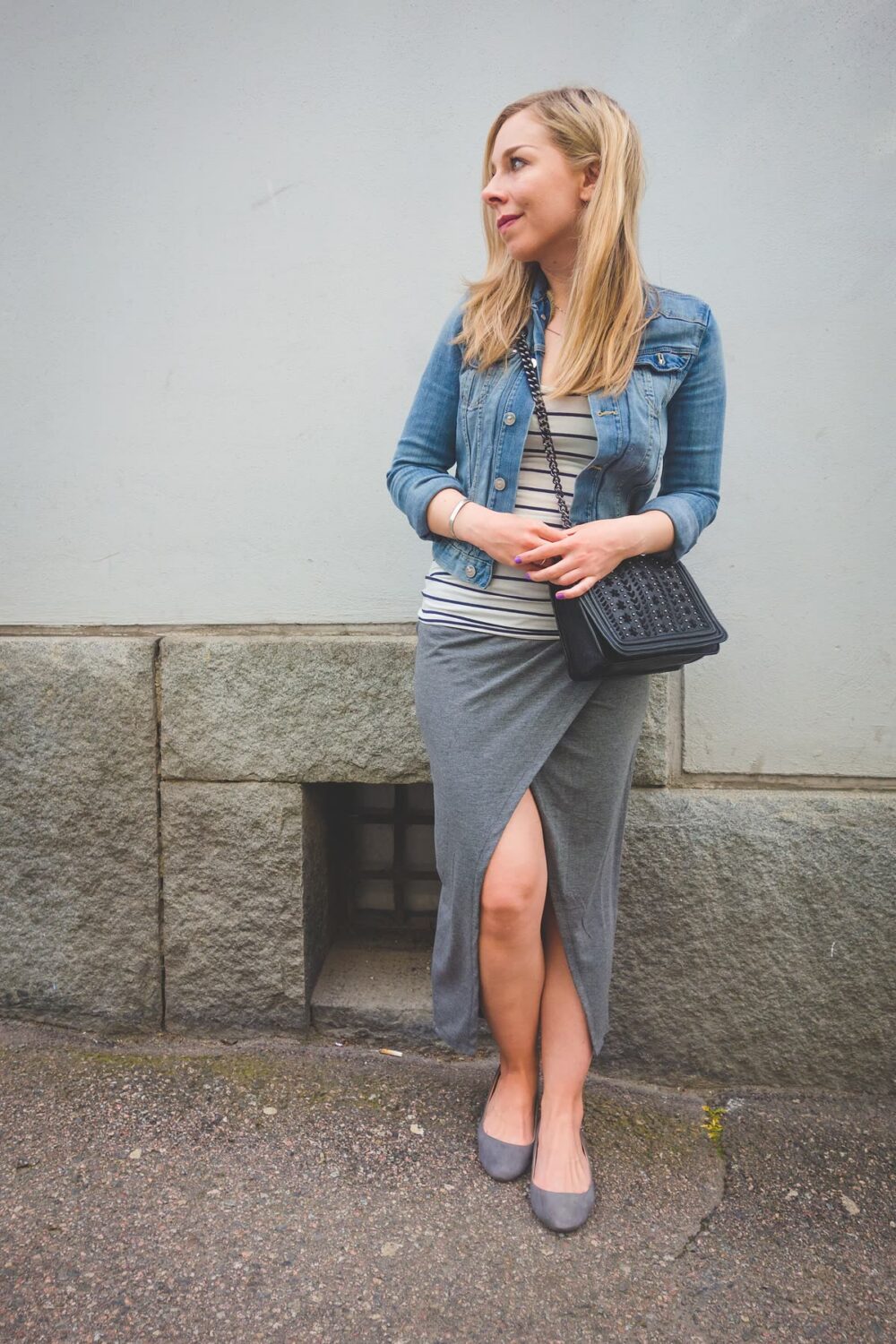
Linen wrap skirts are easy to find online, but the best place for you depends on whether you’re buying one skirt for summer or stocking a whole rack for your boutique. From Australia, you’ll mainly be choosing between mainstream fashion retailers (like Boohoo or H&M), indie/boutique sites, craft marketplaces such as Etsy, and global multi-seller marketplaces and supplier platforms. Retail sites are simpler and predictable; marketplaces and supplier platforms unlock variety and custom colours but need more careful selection.
If you’re a personal shopper who just wants a breathable, elegant skirt in a few colours, an Australian-facing fashion retailer or local boutique platform will usually be the most straightforward route. If you’re building capsule wardrobes or sourcing stock, mixing those with global marketplaces and supplier platforms can give you a wider spread of colours, price points and fabric qualities.
The Online Market for Linen Wrap Skirts
From Australia, linen wrap skirts sit across several types of site:
- Mainstream fashion retailers. Large brands such as Boohoo Australia, H&M, ASOS and Next Australia all list linen and wrap skirts. These tend to focus on warm-weather styles: mini, midi and maxi lengths in neutrals (white, beige, black) plus seasonal colours and prints.
- Indie/boutique platforms. Australian label Palm Collective and marketplace-style platforms like Wolf & Badger carry linen wrap skirts with more emphasis on design and curated colour palettes. You’ll often see natural and muted tones, and fabric descriptions that lean into sustainable or premium linen positioning.
- Craft and handmade marketplaces. On Etsy (see typical listings like “Melange Linen Wrap Skirt” and “Wide Linen Wrap Skirt” surfaced in search), individual skirt shops offer handmade linen wrap skirts with custom colours and sizes. Many makers provide a colour chart and let you choose from multiple swatches, which is useful if you care about a very specific shade.
Editorial fashion sources describe linen skirts as popular for warm-weather outfits and capsule wardrobes because of their breathability and relaxed elegance. That’s why you see them spread across both mass retail and more artisanal sites rather than concentrated in one niche.
How Different Platform Models Handle Linen Wrap Skirts
Each platform type works differently behind the listings. Understanding that helps you match your linen wrap skirt needs to the right route.
1. Retail fashion sites
Retailers like Boohoo, H&M, ASOS and Next operate as single-brand or multi-brand stores. You buy directly from the retailer, which curates the range and controls sizing standards.
For linen wrap skirts, that usually means:
- Limited but cohesive colour stories tied to a season.
- Consistent product photography and fit notes.
- Centralised checkout and returns.
This model suits buyers who want a straightforward purchase: one or two skirts, predictable sizing, and a style that matches the broader collection.
2. Indie and boutique platforms
Labels such as Palm Collective sell through their own sites, while curated marketplaces like Wolf & Badger host multiple independent brands. These platforms emphasise design, linen quality and brand stories.
In practice:
- You’ll often find higher emphasis on fabric (e.g., European or organic linen) and craftsmanship.
- Colour ranges are smaller but more intentional—earthy neutrals, soft pastels, or a signature palette.
- Prices and availability vary by brand rather than being standardised across the site.
This route fits shoppers or small boutiques who care about visual cohesion and are willing to pay more for distinctive cuts and fibres.
3. Craft marketplaces for handmade and custom
Craft marketplaces such as Etsy host thousands of independent skirt makers. Listings like “Melange Linen Wrap Skirt” or “Wide Linen Wrap Skirt” typically highlight handmade construction, custom sizing and selectable colours.
For linen wrap skirts, you can usually:
- Request custom waist and length measurements.
- Pick from multi-swatch colour charts, which is powerful if you’re matching brand colours.
- Order small batches by talking directly with the maker.
The trade-off is that every seller sets their own production process and policies, so you need to evaluate each shop individually instead of relying on a single site-wide standard.
4. Global marketplaces and supplier platforms
Global multi-seller marketplaces and supplier platforms connect buyers with numerous sellers of linen garments, including skirts. Editorial context about linen shopping on DHgate’s blog, for example, describes DHgate as an online marketplace that links buyers and sellers worldwide and lets you compare different linen garment options.
On these platforms, you typically:
- See many similar linen wrap skirt styles from different sellers.
- Can compare prices, colours, minimum order expectations and sometimes bulk options for resale.
Because each seller is independent, you have to verify listing details, fabric composition and any terms on a seller-by-seller basis.
Choosing the Right Platform Route for Your Linen Wrap Skirt Needs
Here’s how these options line up for typical Australian buyer scenarios.
Quick summer outfit: buy one or two skirts
If you just want a breathable skirt for holidays or weekends:
- Start with retail fashion sites accessible from Australia like Boohoo, H&M, ASOS or Next. They’ll give you tried-and-true warm-weather styles with clear size filters and straightforward checkout.
- If you prefer a softer aesthetic or care more about linen quality, check an indie platform like Palm Collective for pieces designed specifically around linen and coastal dressing.
The upside is predictability: you get a focused colour range and sizing that aligns with the rest of the brand’s clothing.
Capsule wardrobe: multiple colours, consistent feel
For building a capsule wardrobe where your linen wrap skirts need to mix and match:
- Use indie/boutique sites for a small set of well-made skirts in a coherent palette.
- Layer in retail sites for extra colours or lengths once you know your preferred fit.
- Consider craft marketplaces if you want a particular shade (for example, a brand-specific terracotta or olive) that mass retailers don’t offer.
Buying across two platform types can give you both reliability (from retail) and uniqueness (from indie or handmade makers), while keeping the overall look consistent.
Small boutique or ecommerce seller: sourcing stock
If you’re stocking linen wrap skirts for resale, your priorities shift towards margin, flexibility and differentiation.
A practical mix looks like this:
- Boutique/indie brands (Palm Collective, Wolf & Badger labels) for hero pieces that anchor your visual story.
- Craft marketplaces like Etsy to test small-batch, custom-colour runs where you can work directly with makers.
- Global marketplaces/supplier platforms (including DHgate and similar sites) when you want broader price and style comparison across multiple linen garment sellers. Use them as discovery and comparison channels, then vet individual sellers carefully before committing to volume.
Cross-border sourcing makes the most sense when:
- You need a price point or colour spread that local brands don’t provide.
- You’re able to invest time in verifying each supplier’s fabric details, communication and reliability.
Quick comparison: which platform fits which need?
| Buyer need / scenario | Best primary platform type | Colour range pattern | Complexity level from Australia |
|---|---|---|---|
| Single summer skirt | Retail fashion sites (Boohoo, H&M, ASOS, Next) | Seasonal neutrals + a few brights | Low |
| Capsule wardrobe (2-4 skirts) | Indie/boutique sites + retail | Curated palettes, then topped up by retail | Low–medium |
| Custom brand colours, small batches | Craft marketplaces (e.g. Etsy) | Wide, maker-specific colour charts | Medium |
| Bulk or price-sensitive sourcing | Global marketplaces/supplier platforms | Very wide, but varies by seller | Medium–high |
If you’re unsure, start with the lowest-complexity option that still meets your colour and fabric needs, then experiment cautiously with cross-border marketplaces once you’re clear on your requirements.
For a deeper dive into how multi-seller marketplaces work in general, you can compare models in more detail via online marketplaces and shopping platforms or look at high-level differences between DHgate and other large marketplaces in Compare DHgate with AliExpress, Alibaba and Temu.