
Educational board games can absolutely be both affordable and high-quality for Canadian buyers, but “cheap” and “good” only line up when you look beyond the sticker price. The true cost is a mix of product price, shipping, import charges and how well the game actually supports the skills or curriculum outcomes you care about—math facts, phonics, critical thinking, geography, and more.
For parents, teachers and small ecommerce sellers, that means a $30 game from a Canadian retailer might be a better value than a $18 cross‑border import once you factor in shipping and customs—or vice versa, depending on your order size and channel. The sections below unpack those tradeoffs so you can decide whether to buy locally or source games across borders.
What Really Drives the Cost of Educational Board Games for Canadian Buyers
Educational board games are designed to teach or reinforce knowledge and skills in an engaging, interactive way, turning learning into something players do socially rather than just read or watch. Canadian retailers like Best Buy describe them this way and stock titles that target math, language, logic, science and more, using puzzles, questions and scenarios to embed learning in play.bestbuy.ca
From a budget point of view, you can think of the cost in layers:
- Product price – The base cost of the game itself. Domestic retail educational games in Canada often sit in the same band as mainstream family games; you’ll see simple card‑based learning games in a low price tier and larger boxed sets with boards, miniatures or wooden pieces in a higher tier. Editorial guides on educational games show options across subjects and age ranges, from basic counting and spelling up through logic and strategy games.boardgamesguide.com
- Shipping inside Canada – If you order from a Canadian online store, you usually pay standard parcel rates or hit a free‑shipping threshold. This cost is predictable and rarely exceeds the product price for a single game.
- Cross‑border shipping – Importing games from abroad adds international parcel charges. Lightweight, compact games ship relatively cheaply; heavier boxes or multi‑game bundles push you toward more expensive methods.
- Customs, duties and taxes – Educational board games are physical consumer goods. When they cross into Canada, the shipment may trigger customs processing, potential duty, and GST/HST on the declared value. The exact rates depend on classification and order value, and you’ll typically see these as brokerage fees or taxes charged by the carrier on delivery.
- Marketplace and payment fees – If you resell games, payment processing fees and marketplace commissions eat into your margin. For classroom buyers, this shows up more as the difference between retail price and any education discounts you can access.
For a single game headed to a home or classroom, domestic retail often wins on simplicity: one price, tax at checkout, maybe a modest shipping fee. For a box of 20 identical math or literacy games for a school or small online shop, wholesale or cross‑border sourcing can deliver a lower unit cost—but only after you tally all these layers.
How Price Changes with MOQ, Customization and Shipping Choices
Prices jump around a lot because educational board games are not a single product type. You have thin decks of cards focused on phonics, chunky wooden logic puzzles, quiz‑and‑board hybrids, and fully illustrated strategy games that teach history or geography. Each adds cost differently.
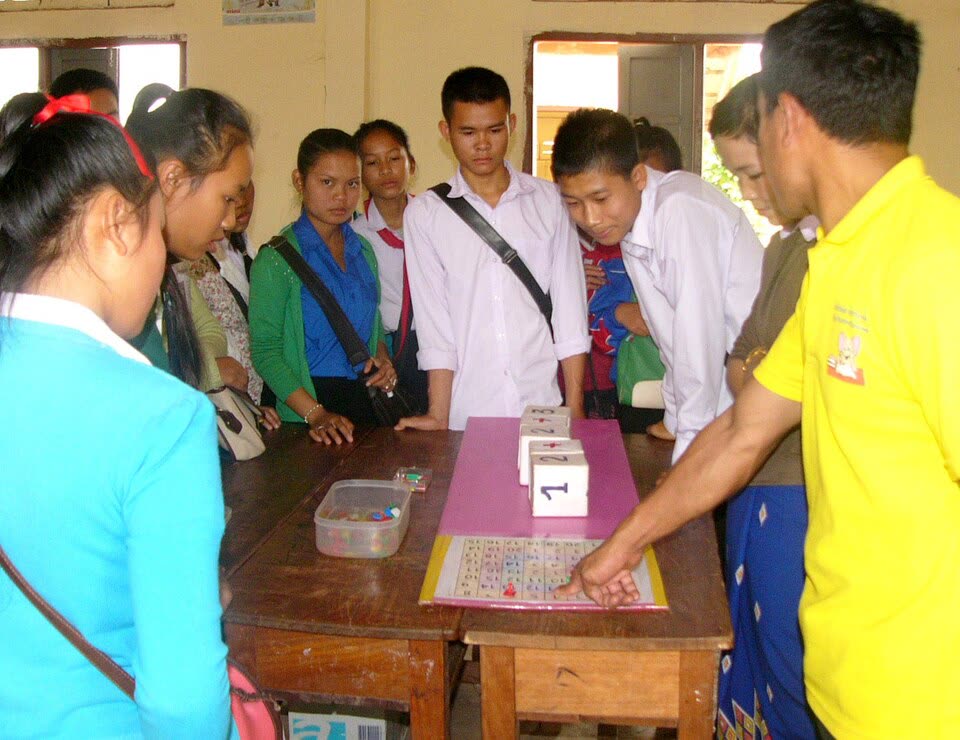
Here are the big levers that change what you pay.
Order size and MOQ
For schools or small ecommerce businesses, the minimum order quantity (MOQ) is often the first constraint when you move beyond retail. A printer or factory making custom math or language games may only quote attractive per‑unit pricing once you commit to a certain batch size.
- Small test orders (a few dozen units) tend to carry a higher per‑game cost, because setup time for printing boards, cards and packaging is spread over fewer copies.
- Larger orders spread those fixed costs over more units, but you take on inventory risk. For curriculum‑aligned games, you want confidence the content won’t instantly become outdated.
Customization and curriculum alignment
Curriculum alignment itself doesn’t automatically add cost, but customizing games to match a specific curriculum usually does.
- Using an off‑the‑shelf spelling or math game that broadly aligns with Canadian provincial expectations keeps costs low.
- Commissioning a custom game that embeds your school’s exact units, local history, or bilingual language standards introduces design, editing and playtesting fees, plus bespoke printing.
Educational game references note that modern titles now span math, literacy, logic, science, and geography at various grade levels.boardgamesguide.com Many of those are generic enough to fit common Canadian curricula—especially for skills like number sense, reading fluency, and problem‑solving—without needing custom work.
Shipping method and timing
Shipping has its own knobs you can turn:
- Postal or economy shipping keeps costs down for lightweight games but takes longer and can be harder to track.
- Courier and express options raise the shipping bill, sometimes enough to wipe out savings from a lower product price.
- Seasonal timing matters. Ordering well before back‑to‑school or holiday periods helps avoid premium shipping, and gives you buffer if customs processing slows things down.
For a Canadian classroom wanting games ready for September, the budget‑friendly move is often planning orders in late spring or early summer, choosing slower but cheaper shipping, and avoiding last‑minute express upgrades.
Choosing the Lowest-True-Cost Channel and Optimizing Your Budget
You can buy educational board games through three main channels: local retail, domestic wholesale/education suppliers, and global marketplaces or factories. The “lowest cost” option changes with your role (home, school, reseller) and your tolerance for complexity.
Channel snapshots
Here’s a compact view of how those options tend to compare on budget factors for Canadian buyers:
| Channel type | Who it suits best | Typical strengths on a budget | Common hidden costs |
|---|---|---|---|
| Local Canadian retail (in‑store/online) | Parents, small classrooms | Simple purchasing, known brands, clear tax at checkout | Higher per‑unit price, limited bulk deals |
| Domestic education/wholesale suppliers | Schools, tutoring centres, resellers | Volume discounts on curriculum‑friendly sets | Account setup, shipping on larger orders |
| Cross‑border marketplaces & manufacturers | Resellers, larger school orders | Potentially lower unit cost, wider subject variety | International shipping, customs, taxes |
Where a marketplace like DHgate can fit—and where it may not
DHgate is one example of a cross‑border marketplace that lists educational board games across subjects including mathematics, science, history and language.dhgate.com blog Its editorial content highlights games that use quizzes, puzzles and challenges to reinforce academic topics and skills such as memory, problem‑solving, and teamwork.dhgate.com blog
One DHgate blog example shows an educational construction or STEM‑style game in roughly the US$12-19 range, illustrating that these kinds of products can sit in a budget‑friendly price tier.dhgate.com blog For a Canadian reseller ordering multiple units, that can look attractive compared with domestic retail.
However, you still need to layer on:
- Any customs and tax payable in Canada
- Your own margin requirements
For buyers running consistent import flows or comparing marketplaces, a deeper look at platform tradeoffs can help; for example, comparing DHgate with AliExpress, Alibaba and Temu on business terms and seller landscape is covered in more detail here: Compare DHgate with AliExpress, Alibaba and Temu.
Practical ways to stretch your budget without sacrificing learning value
Regardless of channel, a few moves reliably improve your cost‑to‑learning ratio:
- Bundle by skill, not just by game. Instead of buying many different titles lightly tied to your curriculum, pick a smaller set that each hit multiple learning outcomes—e.g., a geography strategy game that also demands reading, numeracy and planning.
- Favor reusable, open‑ended games. Logic puzzles, word games like Scrabble,Scrabble product page or strategy titles can be re‑used across units and grades, which effectively lowers their annual cost compared with one‑and‑done review games.
- Test alignment before scaling. Buy a small batch or even a single copy, run it with a class or focus group, and only then consider bulk ordering or cross‑border sourcing. The highest risk isn’t usually the cardboard—it’s discovering the content doesn’t teach what you hoped.
For most Canadian households and individual classrooms, that mix points toward buying a handful of well‑chosen educational games from local retailers or education suppliers, and perhaps experimenting with one or two cross‑border orders. For small ecommerce businesses, the math often justifies exploring marketplaces and wholesalers—but only after you’ve done a true landed‑cost comparison that includes shipping, customs and how many plays you’ll realistically get out of each game.