
Rapunzel and Tangled birthday cards are easy to find online, but the best place to buy them depends on whether you need a single card or repeat, small-batch stock. US parents usually do best with mainstream retailers or card specialists that ship quickly and offer officially licensed designs. Micro sellers and small ecommerce businesses often lean on artisan marketplaces and global platforms for more unusual Rapunzel/Tangled themes, digital downloads, or low-MOQ sourcing.
Below is how the main platform types break down, using Rapunzel cards and party invites as concrete examples.
Where Rapunzel and Tangled Birthday Cards Are Sold Online
For this niche, you’re really choosing between four broad platform types:
1. Artisan marketplaces (handmade and printable designs) On marketplaces like Etsy, you’ll find many Rapunzel and Tangled-themed birthday cards and invitations, including both physical and digital products. For example, Etsy hosts listings such as a printable Rapunzel birthday card in Tangled style and personalized Rapunzel birthday cards that let you add the child’s name or age before purchase.Etsy Rapunzel printable card · Etsy personalized Rapunzel card
These platforms are strong on variety: you’ll see everything from watercolor-style Rapunzel illustrations to lantern-filled Tangled scenes, often as instant digital downloads you print yourself.
2. Specialist print/card sites (downloadable Rapunzel cards) Some sites focus on printable greeting cards. One example is a Rapunzel-themed section on a card-focused site that offers Rapunzel Disney printable birthday cards as downloadable files you can print at home or through a local print shop. Printable Rapunzel card site
These are closer to templates than one-off handmade art, which can be helpful if you need a consistent look across multiple cards.
3. General card retailers (personalized physical cards) Card retail sites like The Card Zoo show how general card shops approach this theme. They have a personalised Tangled Rapunzel birthday card that illustrates the typical model: pre-designed artwork plus fields for name, age, and sometimes a short message, printed and mailed to you.The Card Zoo Tangled Rapunzel card
US-facing guidance on greeting card shops also highlights brands like Paper Source, Papyrus, and Minted as notable platforms for birthday cards, though you’d need to search their sites directly to confirm current Rapunzel/Tangled availability.Greeting card shops overview
4. Global marketplaces (mixed inventory and invites) Marketplaces such as eBay can host Rapunzel/Tangled birthday cards or party invitations from many different sellers, including cross-border listings.Example eBay Rapunzel card listing Selection can include physical cards, invitation packs, and sometimes older or niche designs that don’t appear in mainstream US retail.
Artisan marketplaces, print-card sites, general card retailers, and global marketplaces together make up the real platform landscape for Rapunzel/Tangled cards and invitations.
How Platform Models Affect Rapunzel/Tangled Card Buying
Each platform type operates differently. That affects price, minimum order quantity (MOQ), customization, and what “inventory” looks like.
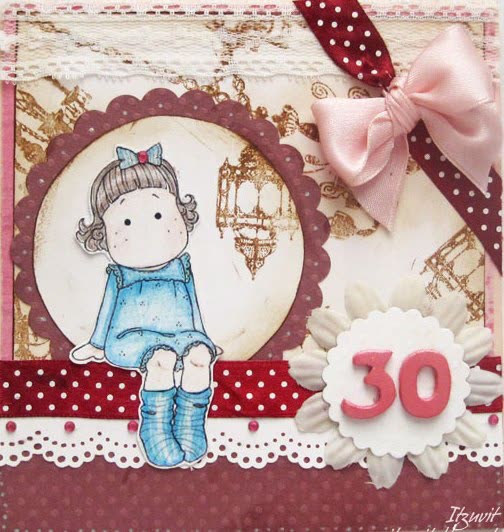
Retail vs artisan vs global: practical differences
Here’s a compact way to compare the main models:
| Platform type | Typical MOQ for Rapunzel cards | Customization style | Inventory form |
|---|---|---|---|
| Big-box/card retailers | Single card or small pack | Limited (age, name on some designs) | Physical pre-printed cards |
| Specialist print/card sites | Single downloadable design | Some template edits (name, message) | Digital printable files |
| Artisan marketplaces | Single card or file; custom sets | Deep personalization; handmade art | Mix of physical & digital |
| Global marketplaces | Single item up to bulk lots | Varies by seller; some personalized offers | Physical cards & invites |
These are editorial generalizations based on the patterns visible across Rapunzel/Tangled listings and card guidance sources.
Price and MOQ: Retail card shops and big-box store card sections tend to price per card or per small pack, with no real MOQ beyond “one.” Specialist printable sites and artisan marketplaces usually sell per file or per card, so you can buy just one design and print as many copies as you need. Global marketplaces can be anywhere from single cards to larger lots, depending on the seller.
Customization: On Etsy and similar artisan platforms, many Rapunzel/Tangled listings allow significant customization: the child’s name integrated into the artwork, custom wording, sometimes hair color tweaks or party details baked into the design.Etsy Tangled Rapunzel card market Print-card sites offer lighter customization—often editable text in a fixed layout. General card retailers like The Card Zoo sit in the middle: they let you add a name and age on a pre-set Rapunzel/Tangled design.
Digital vs physical inventory (sidebar concept) For Rapunzel/Tangled cards, digital downloads are a quiet game-changer for small sellers.
- A digital Rapunzel birthday card file (common on Etsy and specialist sites) is sold once and printed many times. You can test a theme in your shop by ordering a design, then printing small batches on demand.
- Physical cards from retail or global marketplaces lock you into whatever quantity you buy up front and take up storage space.
For an ecommerce shop experimenting with Disney-princess themes, starting with digital designs plus local printing can reduce risk compared with importing bulk card inventory.
Licensing and IP sensitivities Rapunzel and Tangled are Disney properties. Many cards use either official Disney artwork or clearly Disney-inspired designs. As a US parent buying for personal use, this mainly means checking whether a card looks legitimate and suits your tastes. As a reseller, licensing is more sensitive: selling Disney-branded or lookalike designs without proper rights can create issues.
If you plan to resell, favor clearly licensed designs from established brands or original “princess with long hair” artwork that doesn’t lean on Disney trademarks. If a listing claims to be official but isn’t from an obvious brand, treat that as a signal to look closer or ask questions.
Choosing the Right Platform for Your Rapunzel Card Scenario
The best platform is different for a US parent planning a single party vs a small ecommerce business testing a themed product line.
Scenario 1: One-off birthday for your child
If you’re a US parent buying one Rapunzel or Tangled birthday card or a small set of invitations:
- General card retailers and big-box stores are the simplest route. You get a physical card, usually with age or name personalization options on certain designs, and straightforward checkout.
- Artisan marketplaces like Etsy are ideal if your child has strong preferences (lanterns, tower scene, specific quote) or you want a highly personalized design. Printable invites can be edited with your party details and printed at home.
The DHgate blog’s coverage of Rapunzel lanterns points out that Amazon and Etsy are common destinations for Disney-themed merchandise more broadly, which matches what you’ll see searching for Rapunzel cards and party pieces today.Rapunzel lantern buying options
Scenario 2: Micro seller testing Rapunzel/Tangled cards
If you run a small online shop or sell on marketplaces and want to test a Rapunzel/Tangled segment in low volumes:
- Digital designs from artisan marketplaces and specialist print sites are often the lowest-risk starting point. Buy a Rapunzel design license that allows limited resale, then print on demand through a local or online print service. This keeps your upfront cost and storage minimal.
- Global marketplaces (Amazon, eBay, and similar platforms) can work if you’re sourcing pre-made card packs or invitation sets to resell, but check seller location, quality, and any brand markings carefully.
Cross-border sourcing platforms such as DHgate can also list themed cards from different sellers. They’re occasionally useful when you want to test bulk or semi-bulk sourcing rather than print-on-demand, but you should treat each seller as its own business: inspect product photos closely, read whatever reviews are available, and start with small trial orders rather than committing to large quantities.
For broader context on how global marketplaces differ, including DHgate relative to other platforms, it’s worth looking at more general marketplace comparisons like online marketplaces and shopping platforms or a focused view such as DHgate vs AliExpress, Alibaba and Temu. Those comparisons won’t be Rapunzel-specific, but they will help you decide which global route matches your sourcing style.
Scenario 3: Small ecommerce business building a themed line
If you’re planning a broader “princess” or “storybook” line and Rapunzel/Tangled is only one piece:
- Use Minted, Paper Source, and Papyrus-style platforms for inspiration on overall card quality, finishes, and pricing tiers—even if you end up sourcing elsewhere.US greeting card platform examples
- Use Etsy and other artisan marketplaces to gauge which Rapunzel/Tangled aesthetics and phrases actually sell (lanterns vs tower, movie quotes vs generic birthday wishes).
- Combine digital inventory (downloadable designs you print yourself) with selective physical stock from global marketplaces, so you’re not over-exposed to one supplier or format.
In short: buy single Rapunzel cards or invites from mainstream retailers or card shops if you’re a parent, experiment with digital Rapunzel/Tangled designs from artisan or specialist platforms if you’re a micro seller, and mix digital-plus-physical sourcing across artisan and global marketplaces if you’re building a broader card line. DHgate is one global option in that mix, but it’s not inherently better or worse than Amazon, eBay, or AliExpress—it’s simply another seller-aggregating marketplace where careful listing-by-listing vetting matters.