
If you search “monkey wrench images and photos,” you’re really looking at three different kinds of platforms: paid stock photo sites, free/open image libraries, and icon/vector repositories. Each handles tool imagery differently. For a U.S. seller or small ecommerce brand, the best choice depends on whether you need a polished marketing shot, a simple listing photo, or a schematic-style icon you can reuse across designs.
Monkey wrench visuals can be found on major stock services like iStock, where you’ll see royalty‑free photos and vector illustrations, and on sites like Depositphotos, which mix single product shots with broader tool collections. There are also free image platforms such as Pixabay and open archives like Wikimedia Commons hosting historical and contemporary wrench images. Icon-specific platforms round out the picture with simplified “monkey wrench” graphics that work well in UI or quick product badges.
For ecommerce, you usually won’t license imagery from marketplaces themselves; those photos serve that particular seller’s listing. Instead, you pull generic tool visuals from image platforms, and you shoot or commission your own product photos for marketplaces such as eBay, Etsy, Amazon or cross‑border sites like DHgate. If you’re weighing marketplace options as part of a bigger strategy, this neutral overview of DHgate and our marketplace comparison hub help put it in context.
Monkey Wrench Images and Photos: What They Are and Where They Live Online
Monkey wrench imagery covers more than just a single product photo. For a seller, you’ll run into five main types:
- Straight product photos – A single wrench shot on white or a simple background, often used in catalogs and listing thumbnails.
- Lifestyle or context shots – A wrench in a mechanic’s hand, next to a pipe, or in a workshop. Good for ads or homepage hero images.
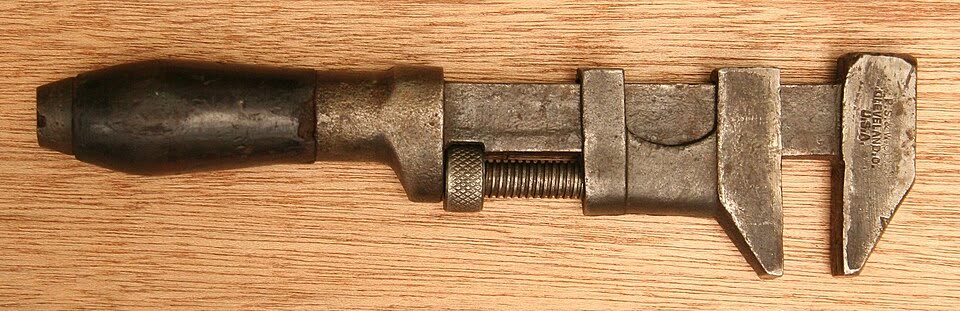
- Close‑up technical shots – Detailed views of jaws, adjustment mechanisms, or vintage stamp marks. Useful for vintage tool sellers or condition disclosure.
- Illustrations and vectors – Stylized drawings of monkey wrenches, sometimes flat-color or line-art, for manuals, infographics, or logo elements.
- Icons – Small, simplified wrench symbols for category labels, mobile apps, or quick “tools” badges.
These different file types live in different corners of the web:
- Stock photo platforms (iStock, Depositphotos, Getty‑style libraries) host thousands of monkey wrench photos and illustrations. They’re built for licensable, royalty‑free imagery that you can reuse across campaigns once you’ve paid for access.
- Free/open libraries like Wikimedia Commons organize historical and modern photos under open or Creative Commons‑style licenses. You’ll see everything from 1900s wrenches to recent tool shots.
- Free stock sites such as Pixabay or Pexels blend photos and vectors you can often use without payment, including for commercial projects, if you follow each file’s license terms.
- Icon/vector repositories list monkey wrench icons and SVGs specifically designed for interface and graphic design use.
If you sell actual tools, you’ll still need your own product photos for each SKU. Stock imagery and icons don’t replace listing photos; they support your brand storytelling, guides, and ads.
Platform Types for Monkey Wrench Visuals: Stock Sites, Free Libraries, Icons and Vectors
Paid stock, free/open libraries, and icon/vector platforms work very differently behind the scenes. Understanding that helps you avoid licensing trouble and wasted time.
Paid stock photo sites (iStock, Depositphotos, similar platforms)
On a platform like iStock, “monkey wrench” search results include both photos and vector illustrations under royalty‑free licenses. You typically:
- Pay via credits or a subscription.
- Get a license that lets you use the file in commercial contexts (ads, packaging, websites) within certain usage limits.
- Choose among file types (JPEG for photos, AI/EPS/SVG for vector art).
Depositphotos shows how granular this can get: you’ll see individual monkey wrench product photos alongside broader collections featuring multiple tools. That’s useful if you need one hero wrench shot versus a series for a multi‑page catalog.
These platforms are strong fits if you:
- Want consistent, polished imagery across all your channels.
- Need clear commercial licensing and documentation for brand or client work.
- Have recurring design work where predictable rights matter more than saving every dollar.
Free and open image libraries (Wikimedia Commons, Pixabay, Pexels)
Free libraries are more mixed and require a bit more diligence.
- Wikimedia Commons: The monkey wrenches category includes historical photos, modern shots, and derivative diagrams. Each file lists its own license (e.g., Creative Commons variants or public domain). Some may be fine for commercial reuse; others may require attribution or have non‑commercial restrictions.
- Pixabay: Its monkey wrench search returns free photos and vectors. Pixabay generally allows broad use without payment, including many commercial uses, but every file has specific terms.
- Pexels: Similar to Pixabay in spirit, with monkey wrench photos you can often use freely under the Pexels license.
These platforms are attractive if you’re:
- Running a tight-budget shop and need a few supporting images.
- Creating educational content (blog posts, repair guides, tool history pieces).
- Comfortable checking and following individual license notes.
A simple habit: always click into the file page and read the license line before downloading. Assume the license may differ from the file next to it.
Icon and vector repositories
Icon platforms list ready‑made “monkey wrench” or generic wrench icons as PNG and SVG files. A typical icon library will offer:
- Multiple styles (outline, filled, flat, 3D).
- Various sizes optimized for UI use.
- Either free use with attribution, a paid plan, or a mix of both.
Icons are best if you:
- Need category badges on your site (e.g., a wrench symbol for “hand tools”).
- Are designing apps or dashboards where full photos would be visually noisy.
- Want vector flexibility – you can recolor, resize, or animate the icon.
How these platforms compare for monkey wrench projects
Here’s a compact comparison using monkey wrench imagery as the lens:
| Platform type | Typical monkey wrench content | Cost model | Licensing character* |
|---|---|---|---|
| Paid stock photo | Polished photos, lifestyle shots, detailed vectors | Paid (credits/subs) | Royalty‑free, commercial use after purchase |
| Free/open library | Historical photos, mixed modern shots, some vectors | Free | Open/CC‑style; file‑specific rules |
| Free stock site | Modern photos, generic tool vectors | Free | Broad free use; platform/file license applies |
| Icon/vector repo | Simplified wrench icons and SVGs | Free + paid tiers | Icon‑specific; often requires attribution |
*Always verify each file’s exact license before using it in a commercial context.
Choosing the Right Image Platform for Listings, Marketing, and Tool Catalogs
Most small ecommerce businesses juggle a few concrete scenarios. Here’s how monkey wrench image platforms fit those.
Scenario 1: Listing a single monkey wrench (new or used)
If you’re listing one wrench on eBay, Etsy, a U.S. marketplace, or a cross‑border marketplace like DHgate:
- You must shoot your own product photos: clear front, back, jaw detail, and any markings. These are what buyers rely on for condition and authenticity.
- Stock images are useful only in supporting content – banners, blog posts, buying guides linked from your store.
Marketplaces generally don’t expect or license third‑party stock photos for listings; they expect that the listing images depict the actual item. DHgate, for example, is described in its own editorial content as one marketplace alongside eBay and Etsy in a wider ecosystem for things like vintage tools. That should frame it in your mind as a channel for selling or sourcing physical tools, not as an image library.
If you’re comparing marketplaces and sourcing routes as part of a broader strategy, this DHgate vs. other marketplaces comparison is a useful separate decision step.
Scenario 2: Building a multi‑SKU tool catalog or Shopify store
For a catalog of wrenches, pliers, and other tools:
- Use paid stock sites like iStock or Depositphotos for generic supporting visuals: hero banners, category headers showing someone using a wrench, template images for blog posts.
- Combine that with your own product shots for each SKU, ensuring angles are consistent so the catalog looks professional.
- Consider icon repositories for consistent category symbols (e.g., a monkey wrench icon for “adjustable wrenches”).
This mix keeps your catalog trustworthy (real product images) while letting you scale your branding imagery without hiring a photographer for every abstract background.
Scenario 3: Content marketing, DIY guides, or vintage tool education
If you’re a blogger, YouTube creator, or educational reseller focused on the history or use of monkey wrenches:
- Tap Wikimedia Commons’ monkey wrench category for historical photos and diagrams, especially if you’re discussing design changes over time.
- Use Pixabay/Pexels for modern illustrative photos that don’t need to show your exact SKU but help explain a repair or adjustment.
- Mix in icons or simple vectors to show torque directions, adjustment steps, or safety warnings.
This path keeps costs low while giving you varied visuals. Just keep a running note of each image’s source and license so you can provide attribution where required.
Scenario 4: Branding and ads for a tools business
For ad campaigns, landing pages, and brand visuals:
- Lean toward paid stock platforms so you have solid commercial rights, high resolution, and model/property releases handled by the provider.
- Commission custom photos for your hero products (your preferred wrench brand, your workshop), then backfill secondary visuals with stock.
- Use icons sparingly to keep the design clean – for trust badges, menus, or tool-type markers.
Free platforms can support blog content, but for ads and brand identity, paid stock licensing is safer and more predictable.
If you think about monkey wrench images as a toolbox in itself, each platform type is a different tool: paid stock for polished, license‑clear marketing; free/open libraries for history and education; icons for structure and navigation; and your own photos for listings and catalogs. Once you know which job you’re doing, the right platform choice is usually obvious.