
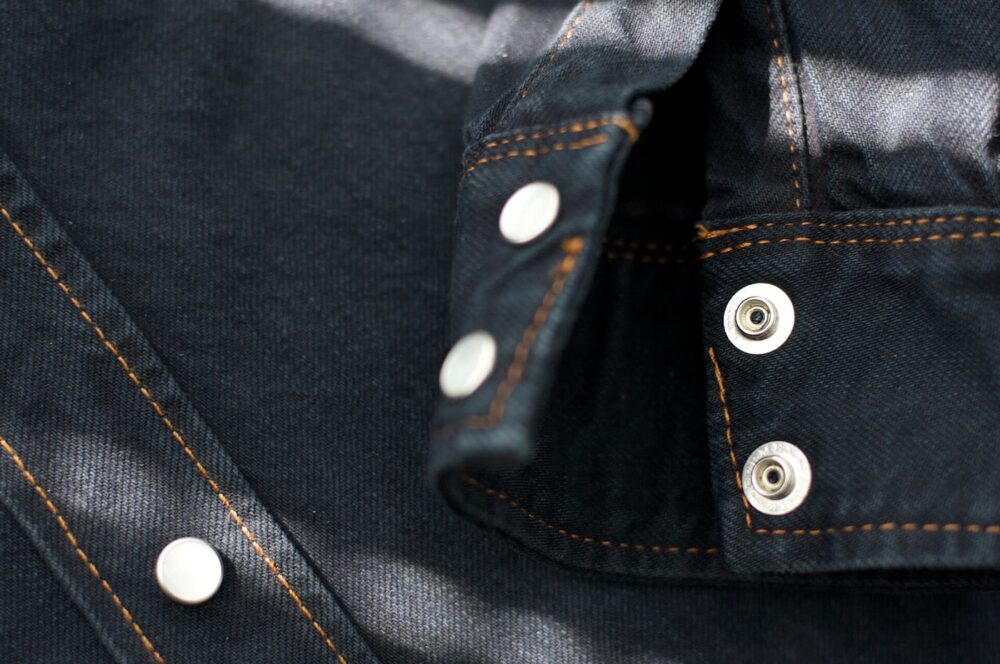
Affordable plus size denim jackets for Canadian buyers generally sit between about $40 and $100 from mainstream brands, with some budget options dipping closer to $30 and specialty plus-size labels pushing above $120. Your actual spend depends on the jacket’s fabric and construction, how inclusive the size range is, and whether you’re paying cross-border shipping and import charges on top of the sticker price. For small ecommerce sellers, the sweet spot is often mixing a few recognizable heritage or plus-size brands with cheaper fast-fashion jackets to keep your average unit cost under control.
What Do Plus Size Denim Jackets Typically Cost in Canada?
If you’re shopping mainstream plus-size denim from well-known names, expect approximate list prices (before tax and shipping) in these bands:
- Lane Bryant, Levi’s, Torrid, Old Navy, Eloquii, Avenue, Lucky Brand, Simply Be: roughly $49.99–$129 for plus-size denim jackets, based on historic examples from DHgate’s editorial roundup.
- Budget-focused labels like Old Navy, Forever 21, Wrangler, H&M: women’s denim jackets often fall around $29.97–$44.99, again using past pricing examples.
Those prices are usually quoted in USD and may differ today, but they’re useful benchmarks. Converted to CAD and including GST/HST, a Canadian buyer is realistically looking at something like:
- Budget tier: around $45–$75 CAD all-in for fast-fashion or basic denim, especially if you catch local promotions.
- Mid tier: roughly $80–$140 CAD for branded plus-size jackets or heritage denim truckers ordered from Canada or the US.
- Upper mid/high: $140+ CAD for specialty labels, embellished styles, or extended size runs.
On top of the base price, your total cost comes from:
- Shipping: Often modest or free for domestic Canadian retailers, but cross-border orders from US or UK sites can add $10–$25 CAD or more per jacket.
- Platform or payment fees: Currency conversion spreads on your card, or service fees on certain marketplaces, quietly nudge the real price up.
For a small Canadian reseller building inventory, assuming a landed cost of $40–$80 CAD per jacket is a realistic planning starting point for budget and mid-tier stock.
Why Some Plus Size Denim Jackets Are Cheaper Than Others
A $40 plus-size denim jacket and a $120 one can look similar in a thumbnail but behave very differently once you wear or resell them. Key price drivers include:
1. Fabric: stretch vs rigid, and denim weight Stretch denim with elastane tends to cost more to produce than purely rigid cotton weaves. Many plus-size specialists highlight stretch as a comfort feature, since it allows better movement and reduces tightness across the shoulders and upper arms. Heavier, more substantial denim also costs more than thin, light fabrics that feel closer to a shirt than a jacket.
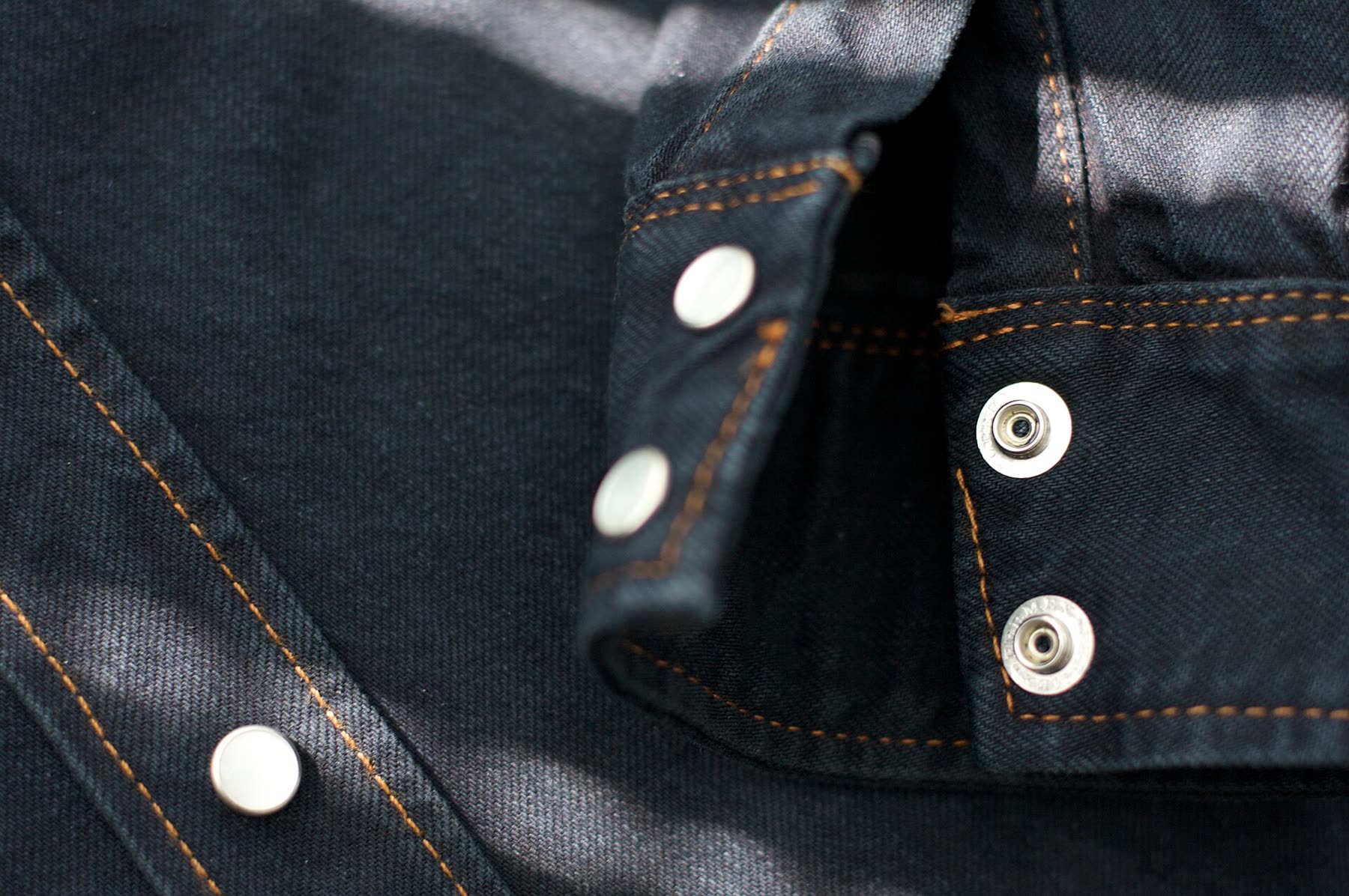
2. Construction quality More expensive jackets usually show their price in details: double-stitched seams, secure bar tacks at stress points, properly aligned button plackets, and lining or facing where the jacket rubs most. Cheaper fast-fashion jackets may skip some of that, which can impact longevity if you or your customers wear them hard.
3. Inclusive sizing and pattern development Brands that specialize in plus sizes or outerwear, like Evans, often offer sizes that extend to 4X–5X or beyond and cut different lengths and silhouettes for varied body shapes. Designing and grading these patterns takes extra work, which often translates into slightly higher list prices compared with standard-size fast-fashion pieces that only go to 2X or 3X.
4. Fit features tailored to plus-size bodies Many plus-size denim jackets emphasize value-adding features such as:
- Strategic seaming to shape the waist or accommodate bust and hips.
- Stretch panels or blended fabrics for mobility.
- Functional pockets sized to actually hold a phone or wallet.
These features are frequently called out in plus-size product descriptions and help justify the mid-tier price bands.
5. Brand positioning and styling extras Heritage denim brands (e.g., Levi’s trucker fit) and embellished specialty labels (embroidery, fringe, heavy distressing) use brand equity and styling to command a premium. Fast-fashion labels like SHEIN or Fashion Nova often undercut those prices by simplifying fabrics and construction and focusing on trend-forward cuts.
For budget shoppers and small sellers, the practical takeaway is to decide where you need quality (e.g., core trucker styles you’ll wear or sell for years) and where you can tolerate cheaper construction (trend pieces that will move quickly and don’t need to last a decade).
Choosing the Best Sourcing Channel and Cutting Your Total Cost
You have several ways to buy or source plus size denim jackets in Canada. Each channel has a different cost profile and effort level.
Quick channel comparison
| Channel type | Typical price level | Assortment for plus size | Best use case |
|---|---|---|---|
| Local Canadian retailers (e.g., Penningtons, Catherines via CA site) | Mid to upper mid | Good core plus-size range in-store/online | Personal wear, small sellers wanting reliable fit and easy returns |
| Brand ecomm (Levi’s, Eloquii, Avenue, Simply Be) | Mid to high, plus shipping | Strong plus-size outerwear selection, incl. 3X–4X+ | Signature pieces, branded inventory for resale |
| Fast-fashion platforms (SHEIN, Fashion Nova Curve) | Lower list prices than heritage brands | Very wide assortment of trendy plus-size denim | Trend-led stock, budget personal shopping with careful filtering |
| Cross-border marketplaces (e.g., DHgate) | Budget; varies by seller | Assortment depends on individual sellers and categories | Occasional low-cost trend buys or test runs for resellers, if you’re willing to research listings |
Fast-fashion platforms like SHEIN’s plus-size denim jackets and Fashion Nova’s curve denim jackets generally show large assortments at lower list prices than heritage denim brands. This can be attractive for budget shoppers and small sellers, but you do need to factor in variable quality, shipping timing, and cross-border charges.
Practical cost-cutting tactics
For Canadian buyers and small ecommerce businesses, a few channel-specific moves can significantly lower your landed cost without sacrificing fit:
- Anchor your wardrobe or catalog with mid-tier, fit-reliable brands, then layer in budget trend pieces. For example, combine a Levi’s or Lane Bryant trucker (higher upfront cost, strong fit reputation) with cheaper oversized jackets from fast-fashion sites.
- Batch cross-border orders to spread shipping and brokerage across multiple jackets. This is especially useful if you’re restocking for a store; aim to consolidate US or UK brand orders in fewer shipments.
- Use promo cycles strategically. Old Navy, Forever 21, and many plus-size specialists run frequent promotions. Watching price history on their denim jackets can save you $10–$20 per unit, which matters a lot to resellers.
- Standardize your fit blocks. For resellers, pick 2-3 silhouettes (classic trucker, longline, cropped) and source multiple washes in each. This lets you spend time evaluating fit on a small set of patterns, then buy variants more confidently from different channels.
- Experiment carefully with marketplaces or wholesale platforms. Start with small test orders of plus size denim jackets to validate sizing and fabric before committing to volume. If you later use DHgate or similar for wholesale sourcing, a resource like find wholesale suppliers on DHgate can help structure your supplier search, but you should still verify current terms directly with each seller.
The best mix for you depends on how price-sensitive your buyer base is, and how much risk you’re willing to take on cross-border sizing and quality. If you build your plan around realistic per-jacket landed costs—and use channels selectively instead of chasing the lowest sticker price alone—you’ll keep both your budget and your customers’ expectations in better shape.