Birch wood coffee tables usually sit in the low hundreds of dollars on mainstream U.S. sites, and rise into mid-range pricing at design brands or custom makers. For a typical buyer, “affordable” often means keeping the table itself under the low- to mid-hundreds and making sure shipping and, if applicable, import fees don’t quietly push the total higher. The way the table is built—solid birch vs veneer or faux birch, simple top vs storage, small vs oversized—does more to move the price than the word “birch” in the title.
If you’re buying one table for your living room, big-box and mainstream online furniture retailers usually offer the best balance of price and convenience. If you’re a small ecommerce business looking to stock multiple birch-style tables, cross-border marketplaces can show lower unit prices, but you have to model shipping, duties, and minimum order quantities before calling them a bargain.
What Birch Wood Coffee Tables Cost Across Common U.S. Channels
Looking at current online assortments, you’ll see birch or light-wood coffee tables spread across a few clear price tiers.
On big-box and mainstream furniture sites, including mass retailers and home improvement stores such as Lowe’s, birch or birch-look coffee tables often cluster in the low hundreds of dollars, with many options under roughly the mid-$300s. These are typically mass-produced, with straightforward shapes and modest storage.
Design-driven retailers like Birch Lane position light-wood coffee tables as mid-range pieces that emphasize style and build quality. You’ll see more distinctive bases, thicker tops, and coordinated collections, and the pricing reflects that step up from the big-box tier.
Brands such as Ashley Furniture show how variety inside a single retailer affects cost. Simple rectangular birch tables sit lower in the range; larger footprint tables, round versions, or designs with shelves and drawers typically price higher within the same store.
Custom and artisan makers, like those highlighted on Pickawood’s birch coffee tables page, usually occupy a higher tier than mass-market options. You’re paying for made-to-order dimensions, specific finishes, and often solid birch construction, which can push prices noticeably above big-box levels.
For most U.S. buyers, the landscape looks like this:
| Channel type | Typical birch table price band (editorial) | What you usually get |
|---|---|---|
| Big-box/mainstream retail | Low hundreds, often under mid-$300s | Simple designs, mix of veneer and solid wood |
| Design-focused brands | Mid-range prices above big-box | More distinctive style, coordinated collections |
| Custom/artisan makers | Often higher than both of the above | Made-to-order sizing, solid birch, premium finishes |
| Cross-border marketplaces | Lower unit prices, total cost varies | Wide quality range; shipping/duties change the math |
These aren’t guarantees, but they’re realistic bands for planning a budget before you start clicking through product pages.
Why Some Birch Tables Are Cheaper Than Others: Key Price Drivers
Two tables can both be marketed as birch and still belong in completely different budgets. The main drivers:
1. Solid birch vs veneer or faux birch Some listings at big-box stores explicitly describe a “faux birch wood finish” or a birch veneer over engineered wood rather than solid birch. Veneer and faux finishes typically cost less than solid birch and help keep prices closer to the low hundreds. Solid birch construction usually moves a table into the mid-range or higher, especially with thicker tops.
2. Size and shape Larger rectangular tables, oversized square designs, or wide round tables require more material and often heavier packaging. Retailers like Ashley show that compact tables sit lower in the range, while larger formats, particularly round birch tables, move higher inside the same brand.
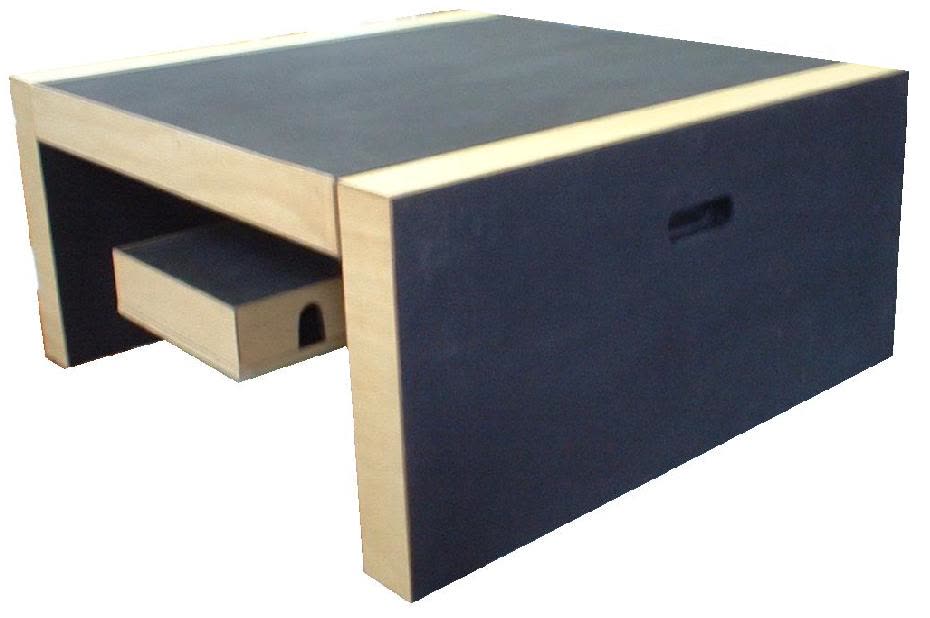
3. Design complexity and storage A simple four-leg coffee table with a flat top is cheaper to make than one with integrated shelves, drawers, or sculptural bases. Listings with multiple tiers, hidden storage, or mixed materials (wood plus glass or metal) are frequently priced above more basic options in the same category.
4. Customization level Artisan makers such as Pickawood allow you to specify dimensions and finishes for birch tables. That customization, plus smaller-scale production, usually places their pricing above mass-produced big-box tables, even when the overall size looks similar.
5. Shipping method and destination Within the U.S., shipping on a single coffee table is often folded into the price or shown as a moderate extra line item. Once you look at cross-border sourcing, freight method (parcel vs LCL freight), distance, and consolidation heavily influence your landed cost. A lower ex-factory price can be wiped out by bulky shipping and surcharges.
If you want a budget-friendly birch look, focusing on veneer or faux finishes, modest sizing, and simpler designs will generally keep you closer to big-box pricing. If durability and a premium feel matter more, you’re likely stepping into solid birch and either mid-range retail or custom territory.
Choosing the Right Sourcing Channel and Cutting Total Cost
For U.S. buyers and small resellers, the real decision is which channel gives you acceptable style and durability for the lowest total spend, not just the cheapest sticker price.
Here’s a quick view of how cost components stack up by channel:
| Channel | Main cost components | Best fit scenario |
|---|---|---|
| U.S. big-box/mainstream | Product price + domestic shipping | Single-table buyers on a tight budget |
| U.S. design brands | Higher product price, often fair shipping | Buyers prioritizing style and cohesive collections |
| Custom/artisan makers | Premium product price + custom build time/shipping | Buyers needing specific dimensions or unique pieces |
| Cross-border marketplaces | Unit price + intl. shipping + duties + MOQs | Small resellers or buyers willing to manage imports |
For a one-off purchase in the U.S., big-box or mainstream online retailers are usually the simplest way to keep costs low. You get transparent product pricing, relatively predictable shipping, and you avoid customs paperwork.
For small ecommerce businesses, the picture is more nuanced. Cross-border marketplaces can show birch-style tables at lower unit prices, especially in engineered wood with birch veneers or similar light finishes. Platforms like DHgate are one example, alongside other global marketplaces. However, the listing price there is only one line in the budget. You still need to check:
- International shipping quotes for the actual quantity and carton size
- Any minimum order quantity (MOQ) per design
- Estimated duties and taxes for importing furniture into the U.S.
Internal resources such as this guide to customs, tariffs and import fees and the broader comparison of marketplaces in DHgate vs AliExpress, Alibaba and Temu can help you model that landed cost before you commit.
Two practical budget scenarios
Scenario 1: U.S. buyer furnishing one living room Target budget: stay under the low- to mid-hundreds total. Best move: Browse big-box/light-wood tables, favor birch veneer or faux birch, and avoid oversized or heavily storaged designs. Verify dimensions and finish type in the description so you’re not paying for features you don’t need.
Scenario 2: Small reseller testing birch-style tables online Target budget: keep per-unit landed cost low enough to leave margin at mid-range retail pricing. Best move: Shortlist 2-3 suppliers across channels: a domestic wholesaler, an artisan willing to produce a small run, and a cross-border marketplace seller. For each, list out unit price, shipping, expected duties, and MOQs. That comparison often shows domestic sourcing winning for small test batches, with cross-border options becoming more interesting only once quantities grow.
Mini pre-purchase checklist for keeping costs in line
Before you hit “buy” or sign a PO, take 5 minutes to write down:
- Construction: Is it clearly solid birch, veneer, or faux birch?
- Size: Length, width, height—are you paying for extra surface you don’t need?
- Design extras: Shelves, drawers, mixed materials—do they justify the added cost?
- Channel costs: Product price, shipping, and (for imports) estimated duties and fees.
That small exercise turns a vague “affordable birch coffee table” search into a clear, budget-controlled decision—and makes it much easier to compare domestic retail against cross-border sourcing without surprises.