
Vintage tapestry coats are best sourced through specialist UK vintage shops, Etsy, eBay and well‑selected marketplace listings. Focus on dense woven fabric (not flat prints), clear dating to the 1950s–1970s, and honest condition photos. That mix gives you the strongest chance of getting an authentic, wearable piece—whether you’re buying for yourself or for resale.
For a small ecommerce seller, unique Welsh tapestry coats or 1960s–70s boho jackets can become signature items, but supply is sporadic. You’ll usually need a blend of channels: Etsy and eBay for one‑offs, UK vintage retailers for higher‑curated stock, and, if you’re willing to sell modern rather than true vintage, cross‑border marketplaces for tapestry‑style outerwear.
What Counts as a Vintage Tapestry Coat?
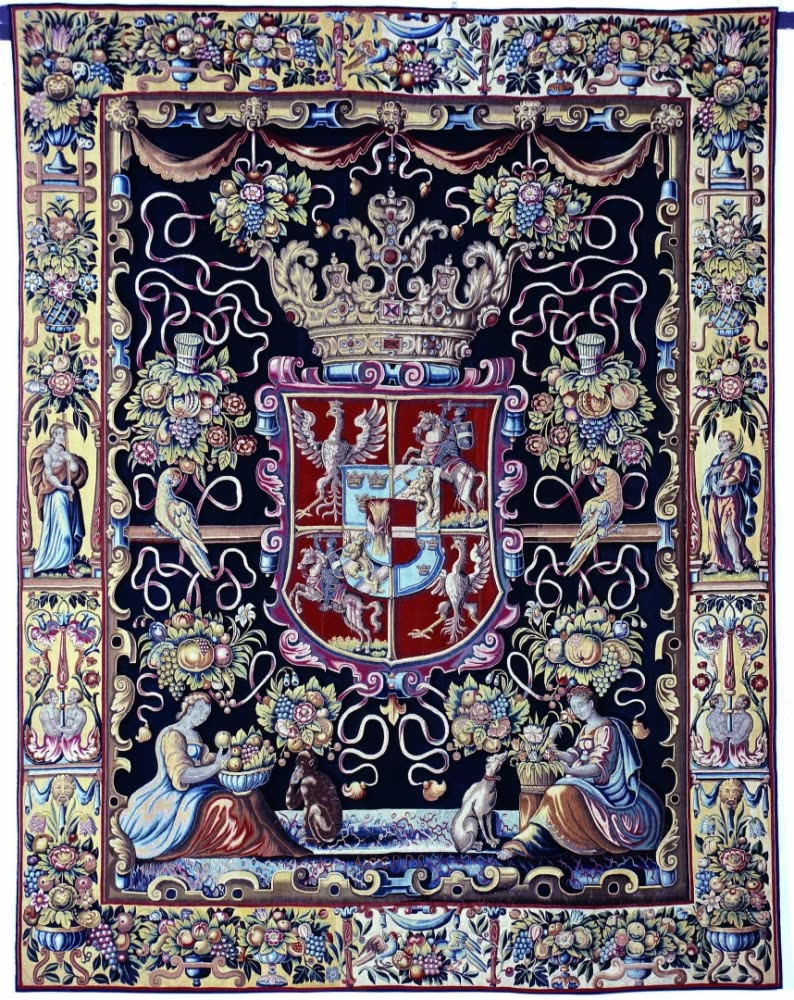
A vintage tapestry coat is an outerwear piece made from tapestry‑style woven fabric: a heavy textile with intricate patterns woven into the structure rather than printed on the surface. Historically these designs come from decorative wall tapestries; in fashion, they’re adapted into florals, geometrics or heraldic motifs across the whole garment.
On UK sites you’ll see this in examples like a 1950s tapestry swing coat with roses and swags on a dense ground from Top Notch Vintage, or a 1960s Welsh wool tapestry coat with bold geometric repeats from Brick Vintage. These pieces are typically mid‑century through 1970s and appeal to buyers who want statement outerwear with texture and heritage.
For personal wear, people choose tapestry coats as a single standout layer—often over simple knits and denim. Small resellers lean on them as high‑margin, low‑volume items: photographed well, a rare Welsh tapestry hooded jacket or 1970s patchwork coat can anchor a collection even if you only find a few per season.
Key Styles and Fabrics: Welsh, Swing, Boho and Beyond
Within “vintage tapestry coats” there are distinct sub‑styles. Knowing which look you want makes marketplace searching far more productive.
Common style families
- Welsh wool tapestry coats (1960s–1970s)
UK vintage shops such as Brick Vintage and Belle Moon regularly feature Welsh woollens: structured coats in geometric or stylised floral patterns, often in earthy or jewel‑tone palettes. Cuts range from fitted single‑breasted to full‑length coats and hooded jackets.
- 1950s tapestry swing and cocktail coats
Pieces like the 1950s swing coat on Top Notch Vintage have wide, swinging silhouettes, bracelet‑length sleeves and ornate florals. They tend to read dressy and pair well with evening wear.
- 1970s boho and patchwork coats
By the 1970s, tapestry fabric appears in boho maxi coats, sometimes combined with velvet. Featherstone Vintage shows a representative example: patchwork tapestry panels with velvet, a floor‑length cut, and a strong “Penny Lane” vibe.
- Tapestry jackets and shorter outerwear
Many buyers prefer jackets to full coats, especially for everyday resale. You’ll see woven tapestry jackets on sites like Gong Nong Bing Vintage (1980s era) and hooded Welsh tapestry jackets such as the 1960s piece on Pineapple Retro.
Fabric and weave cues
Authentic vintage tapestry garments usually use natural fibres—wool and cotton blends are common—rather than ultra‑light synthetics. From vintage tapestry decor guidance, genuine textiles tend to be wool, silk, or cotton with a visible woven structure. Applied to coats, that means:
- The pattern looks slightly raised or dimensional when viewed close up.
- The design is created by different coloured yarns, not a smooth surface print.
- Reverse side still shows the motif in some form, even if less crisp.
Some later pieces do incorporate synthetics for durability; those can still be authentic garments, but they won’t feel as traditional as heavy mid‑century wool.
Style choice by use case
A few quick scenarios:
- Statement everyday coat (UK climate): Look at Welsh wool tapestry coats or hooded jackets—warm, practical and visually strong.
- Occasional dressy wear: 1950s swing or cocktail coats with ornate florals work over simple dresses.
- Boho‑leaning vintage shop: 1970s tapestry/velvet patchwork maxis and 70s–80s tapestry jackets build a clear aesthetic around music‑festival and retro rock icons.
Buying Vintage Tapestry Coats: Quality Checks and Sourcing Channels
Once you know which style you’re after, the next challenge is finding high‑quality examples and reading listings critically. Because these are older textiles, quality and authenticity vary hugely.
How to read photos and descriptions
Guidance from vintage tapestry collectors translates neatly to coats:
- Fabric description: Look for explicit mentions of wool, cotton, or blends. Vague “polyester” with a perfectly flat surface usually signals tapestry‑print fabric rather than a true woven textile.
- Weave detail: Close‑up photos should show individual yarns and a textured surface. If the pattern looks like a poster print, it’s likely not tapestry.
- Inside views: A lining is normal, but any glimpse of the reverse side should show the pattern carried through, not a plain backing.
- Condition notes: Expect comments on wear such as fraying at cuffs, small moth nibbling on wool, or fading. Total absence of condition detail on a supposed 1960s piece is a red flag.
On marketplaces like Etsy and eBay, where vintage tapestry wall hangings are widely sold, advice is to scrutinise descriptions and photos before buying. For coats, the same applies—message the seller if you can’t see fibre content labels or clear close‑ups.
Where people actually find these coats
Here’s a practical channel overview for UK‑based buyers and resellers:
| Channel type | What you’ll typically find | Pros for buyer/reseller | Trade‑offs |
|---|---|---|---|
| Specialist UK vintage shops (e.g., Brick Vintage, Featherstone Vintage, Pineapple Retro) | Curated Welsh tapestry coats, 1950s swing coats, 1970s patchwork maxis | Better photography, clearer era dating, often measured sizing | Prices reflect curation; limited quantities per style |
| Etsy & eBay | Global mix of true vintage coats and tapestry‑style jackets; many 60s–80s items | Huge variety, filters by size/era, potential for bargains | Quality is uneven; you must vet fabric and condition carefully |
| Thrift shops & flea markets | Occasional vintage tapestry coats amid general stock | Lowest entry prices; chance finds can be very profitable for resale | Highly inconsistent availability; time‑intensive hunting |
| Cross‑border marketplaces (incl. DHgate) | Modern tapestry‑inspired outerwear rather than authentic mid‑century pieces | Useful if you want repeatable stock with similar look for a shop | Not true vintage; you need to check product pages for materials, construction and fit yourself |
For cross‑border channels, think of them as a way to complement rather than replace vintage. If you decide modern tapestry‑style pieces fit your range, you can explore marketplaces like DHgate and apply the same listing checks—materials, close‑up photos, seller track record—described above. If you’re new to that marketplace, background explainers such as What DHgate is and how the marketplace works help set expectations before you browse.
Practical buying moves for different goals
- Single coat for personal wear: Start with UK vintage retailers and Etsy. Use specific searches (“1960s Welsh tapestry coat”, “1950s tapestry swing coat”, “tapestry patchwork velvet maxi coat”) and compare 3-5 listings, prioritising those with fibre labels and clear condition grading.
- Small online shop, low volume: Build relationships with a couple of UK vintage dealers who regularly handle Welsh tapestry and boho coats, then supplement with Etsy/eBay sniping. Because supply is inconsistent, treat these as drop‑style releases rather than evergreen stock.
- Shop that wants a tapestry look at scale: Mix a handful of authentic vintage showpieces with modern tapestry‑style coats from cross‑border marketplaces. Be transparent in your product copy about which pieces are vintage and which are contemporary.
For all channels, you’re not just buying a pattern—you’re buying fabric, construction and decades of wear. Spending an extra few minutes zooming into photos and asking about fibre content will save you from stiff, printed substitutes and disappointment when the coat arrives.