
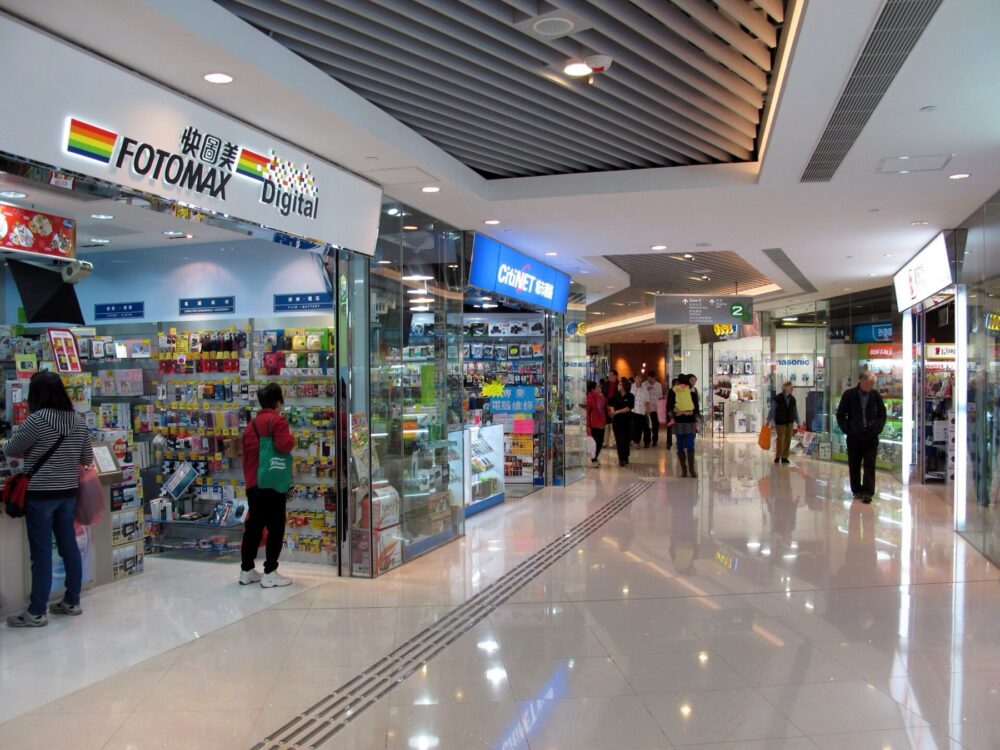
Store-level and shop-level are two layers of how retail is organized and presented. For you as a buyer, they translate into different trust signals: store-level is about the seller’s overall reputation and reliability, while shop-level is about how each individual product page or shelf is laid out, priced, and explained. You should look at both before you commit to a cross-border order or choose a marketplace listing to resell.
In physical retail, corporate teams organize merchandise and operations in tiers that run from chain-wide decisions down to the individual store and then to the shelf or display level. That hierarchy lets them see which locations perform well and which assortments work at eye level versus the bottom shelf. Online, you experience the same hierarchy as “the store” (the seller profile or brand page) and “the shop” (each product listing and the way it’s merchandised).
What “store level” and “shop level” mean in ecommerce
In retail research, store level usually means anything measured or managed for a single location: sales, inventory, staffing, local assortment, and promotions in that particular store. Systems like Oracle’s merchandising tools explicitly track items and transactions at multiple levels, including the store, so performance can be sliced per location rather than just chain-wide.Oracle retail item and transaction levels
Shop level is a bit more fluid. In traditional retail, it often refers to a smaller unit inside a store: a department, a concession, or even a specific set of fixtures. It’s where layout and presentation decisions happen: which brands sit near the entrance, which products go to premium shelves, how promotions are shown.
Game-style “shop simulator” worlds use shop level as a progression mechanic—the more you sell, the higher your level, and the more shelving, products, or decor you can unlock. That fictional usage mirrors real retail: better performance lets you invest in better display, and better display tends to earn more trust and sales.
Online, these concepts map cleanly:
- Store level online = seller profile, brand page, or marketplace “store” with aggregated ratings, policies, and history.
- Shop level online = the specific listing or category page you land on, including photos, price display, discount clarity, and reviews for that SKU.
Both matter. A strong store-level reputation makes you willing to consider buying; a high-quality shop-level presentation makes you actually click “add to cart.”
How shop-level presentation shapes trust and buying behavior
Shop-level is where most trust is either earned or lost because it’s the first thing a shopper’s eyes land on.
In a supermarket, eye-level shelf space is considered premium because it dramatically boosts visibility compared with top and bottom shelves. Retail merchandising guides call this the eye-level rule: shoppers scan the middle band first and tend to pick from what they can see easily.retail eye-level merchandising guide Brands pay for that zone because it reliably lifts sales.
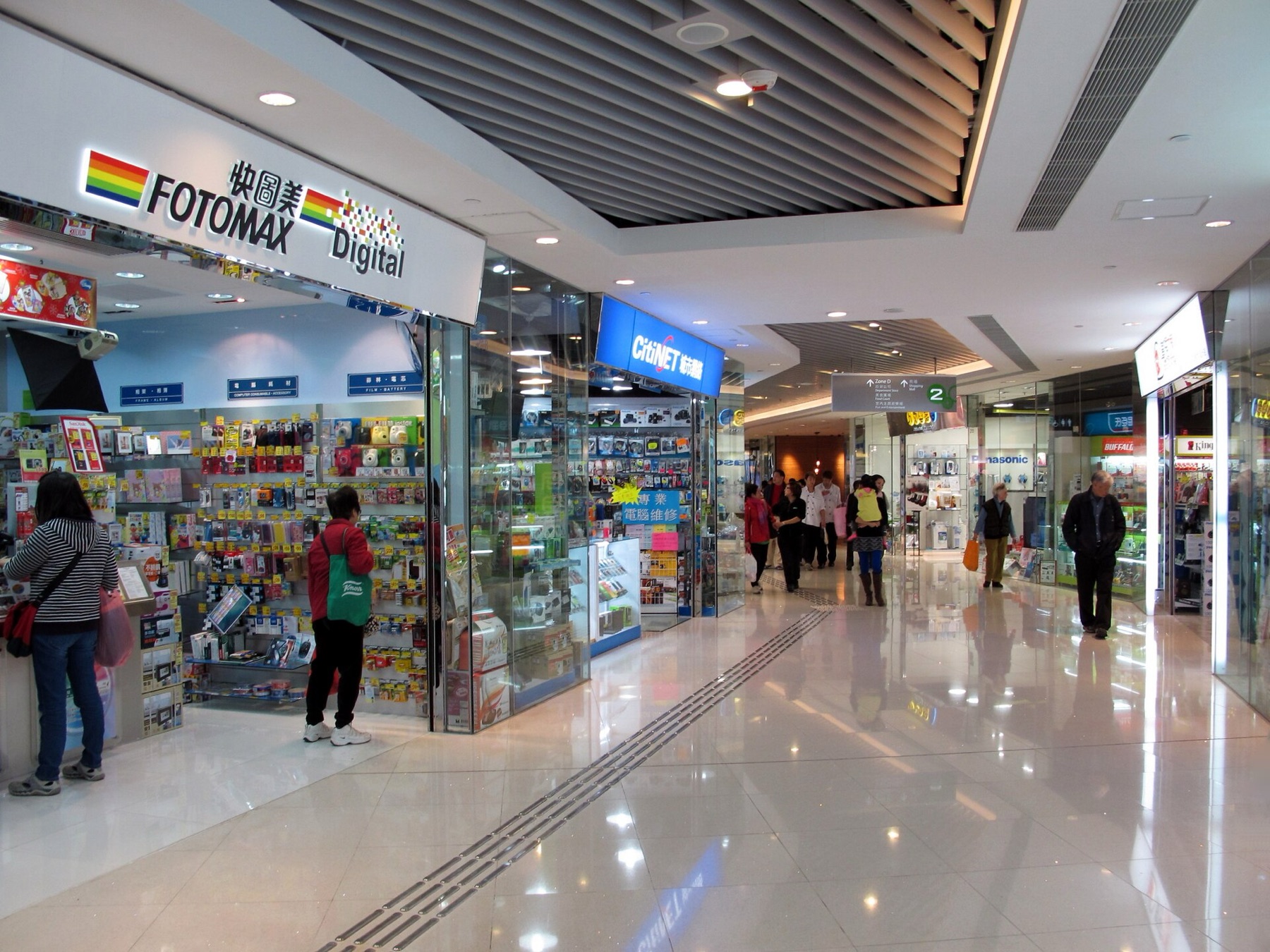
Photo: WiNG, “Domain mall Level 2 Shops,” licensed CC BY 3.0 via Wikimedia Commons.
Online, the “eye-level zone” is the first screen of a product page:
- The main image and gallery
- The visible price and any discount
- The title and key specs
- The rating stars and review count
On an ecommerce page, shoppers need to compare the item price with shipping, taxes, return information, and the exact listing details. Keep those details clear and consistent so a buyer can judge the total cost and listing fit without guessing. For a higher-value purchase, review the specific product page and the shop’s recent activity rather than relying on a broad store reputation alone.
That’s shop-level presentation at work. The same pattern applies broadly, especially on cross-border listings where buyers may start more skeptical. Specific shop-level elements you should watch:
- Price and discount visibility: Does a claimed promo actually show in the product price? Are strikethroughs or before/after prices obvious?
- Photo quality and consistency: Are images clear, relevant, and consistent with the description, or do they feel generic or mismatched?
- Review credibility: Do reviews include text, dates, and varied photos from different buyers, or are there only a few vague 5-star ratings?
- Badges and labels: Trust seals, “top seller” or “best seller” labels, and verified-purchase tags all act as shop-level signals—but they’re only useful if backed by real data.
A poor shop-level experience can negate a decent store-level reputation; a clear, honest shop-level page can rescue an otherwise unfamiliar seller.
A quick contrast: high-trust vs. low-trust listing
Imagine you’re buying LED strip lights from an overseas seller:
- High-trust shop-level listing: The title is specific about length and voltage, the first images show the lights in real rooms, the price clearly reflects “10% off” compared with a struck-through original, and reviews mention shipping times and show photos of the installed product.
- Low-trust shop-level listing: The title is stuffed with keywords and contradictory specs, images look like stock renderings, the banner claims “50% off” but the price has no sign of a discount, and reviews are either absent or one-line “good” comments.
Many buyers will abandon the second listing even if the seller’s overall store page looks fine. That’s the power of shop-level signals.
Using store- and shop-level signals to choose cross-border sellers
For cross-border sourcing—whether it’s a single personal purchase or inventory for your small ecommerce shop—the safest approach is to deliberately separate your store-level checks from your shop-level checks.
1. Start at store level: is this seller worth considering?
On marketplaces like Amazon, AliExpress, or DHgate, the seller has a dedicated store or profile page. At this level, focus on:
- Total ratings and history: How many transactions or reviews are visible across their catalog? Long operating history plus many reviews is typically more reassuring than a handful of recent ratings.
- Breadth and focus of assortment: Does the seller specialize (e.g., only phone accessories) or sell a random mix of unrelated items? Specialization often means better product knowledge and repeatable sourcing.
- Consistent branding and communication: Do their listings share a coherent style, logo, or brand story? A cohesive brand presence can signal that they’re investing in staying around, not just flipping one-off SKUs.
Retail systems that track metrics per store use this level to spot underperforming or problematic locations.Oracle retail item and transaction levels You’re doing a similar assessment: is this a “location” you’d trust for multiple orders, not just one impulse buy?
If you want a deeper understanding of DHgate specifically before you start checking sellers there, you can read an overview of the marketplace at What DHgate is and how the marketplace works.
2. Then zoom to shop level: is this specific listing safe and saleable?
Once a seller passes your store-level filter, move to the individual product page. Here’s a practical flow you can apply across marketplaces:
| Shop-level check | What to look for | Why it matters for cross-border buys |
|---|---|---|
| Price & discount clarity | Visible promo reflected in the actual price (e.g., strikethrough or “was $X, now $Y”) | Avoid trust-breaking mismatches and hidden fees; reduces surprise at checkout |
| Specs & compatibility | Clear sizing, voltage, regional variants, and included accessories | Prevents mismatches with US standards and cuts return/replacement risk |
| Photo & description match | Photos that show the described product in use, no contradictory details between text and images | Lowers the chance of receiving a different or downgraded item |
| Review depth & recency | Recent, detailed reviews mentioning use cases, shipping experience, and problems | Helps you judge current quality and reliability, not just historical performance |
| Badges & social proof | “Top-rated” labels, bestseller tags, or trust badges backed by visible data | Reinforces that other buyers are actually choosing this SKU |
Research on online shopping trust consistently highlights four pillars: data security, authenticity of goods, reliability of service, and credible customer reviews. At the shop level, you can’t directly verify encryption or factory audits, but you can scrutinize how transparent the seller is about product details and how honest the review ecosystem looks.
3. Balance marketplaces with other sourcing channels
Marketplaces are only one way to buy cross-border. Depending on your risk tolerance and volume, you might mix:
- Marketplace sourcing (Amazon, AliExpress, DHgate): rich store- and shop-level signals, easier discovery, but variable seller quality.
- Direct brand or factory websites: fewer aggregated reviews, but potentially clearer product specs and direct support.
- Domestic distributors or wholesalers: higher prices, yet simpler logistics and local consumer-protection frameworks.
The trick is to apply the same lens everywhere:
- At store level, you’re judging the entity you’ll pay and rely on.
- At shop level, you’re judging how each product is presented and whether that presentation feels aligned with real customer experience.
If either level looks shaky, treat it as a red flag—especially for inventory you plan to resell in the US.
By treating store-level and shop-level as separate sets of signals, you stop relying on vague “stars” or brand names and start making specific, defensible decisions: which sellers deserve your trust, which listings deserve your cart, and which cross-border channels are worth the extra risk.