
Maiden Name is not a generic “maiden name” personalization niche or a big marketplace. It’s a small New York fashion label and concept store founded in 2019 by Alix Freireich and David Lê, known for vintage‑inspired, contemporary apparel and accessories. That matters for you as a buyer or small seller: you won’t find official Maiden Name racks on huge marketplaces, but on a handful of fashion platforms and curated stores. If you want the actual label, you’ll be shopping designer channels; if you just want the look or personalized-name jewelry, marketplaces will be the broader route.
What Maiden Name Fashion and Jewelry Actually Is
Maiden Name is a New York City–based brand that sits in the overlap between a designer label and a concept store. Coverage in outlets like Vogue has highlighted its Lower East Side presence and its focus on vintage‑leaning yet modern womenswear, with knits, velvet, poplin and other tactile fabrics blended into contemporary silhouettes.Source
On multi-brand fashion retailers such as SSENSE’s Maiden Name page, the brand is listed as a designer alongside other labels, not as a marketplace or generic category. The assortments there show that Maiden Name produces both clothing and accessories — think statement tops, dresses, and jewelry or small objects that carry the same nostalgic-but-current aesthetic.
Because Maiden Name operates like a concept store, it curates its own mix rather than pushing out mass wholesale basics. Public brand directories such as Nowfashion’s Maiden Name listing describe a tight, contemporary womenswear offering rather than a sprawling catalog. For buyers, that means limited drops and specific pieces. For small resellers, it usually means you’re not looking at open, commodity-style wholesale access.
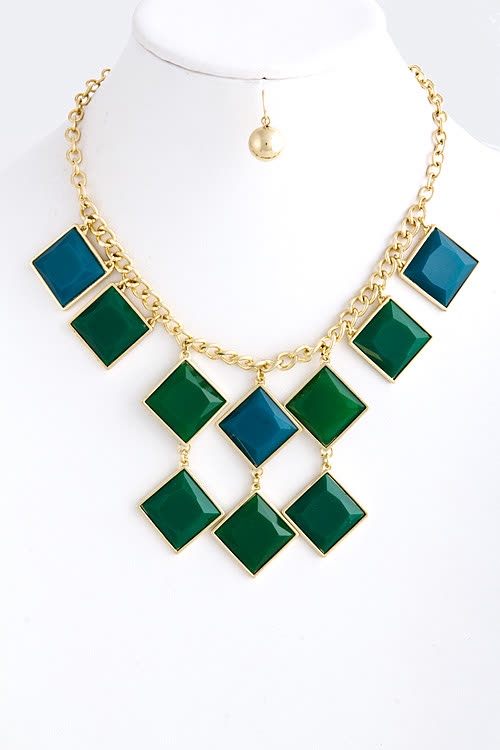
Where You Can Buy Maiden Name Clothing and Jewelry Online
Because Maiden Name is a brand, not a marketplace, your realistic online options cluster around designer fashion platforms and select boutique channels.
1. Designer-focused ecommerce platforms Retailers like SSENSE treat Maiden Name as one of many designers in their womenswear and accessories mix. They periodically offer seasonal Maiden Name pieces and ship to multiple countries, including the US. Stock changes by season, so you’ll typically see a small edit rather than a full lookbook: a few standout garments, occasionally jewelry or accessories that fit the platform’s overall aesthetic.
Other fashion discovery sites — for example, The Cool Hour’s Maiden Name shop page or brand indexes like Clothbase — act more like discovery or aggregator channels. They surface where Maiden Name might be stocked and spotlight notable pieces but don’t always transact directly. If you’re a US buyer trying to pick a platform, SSENSE and similar retailers are the more straightforward “add to cart” path.
2. The brand’s own concept store and pop-up activity Maiden Name has operated physical space and pop-ups in New York’s Lower East Side, framed as a concept store that mixes its own line with curated pieces. That kind of set‑up often sells one-off objects, limited jewelry runs, and collaborative items alongside clothing. For locals or travelers, in‑person shopping can reveal pieces that never hit the big online platforms.
Online, the brand’s own site has not consistently offered detailed info or a broad ecommerce catalog; parts of it have been observed as unavailable. So for now, treat the designer platforms and any clearly active social or newsletter channels as your primary routes for buying current-season Maiden Name items.
3. Why small resellers rarely stock Maiden Name directly Concept-store brands tend to protect their distribution and focus on a small number of stockists. Public information about Maiden Name points to curated retail rather than open wholesale programs. If you run a small ecommerce shop, you generally won’t find Maiden Name on standard B2B marketplaces with price lists and MOQs.
Instead, your options, if you want to carry the brand itself, would usually involve direct outreach (if the brand is open to new boutiques) or buying at retail and reselling, which comes with margin and authenticity tradeoffs. Many small stores simply opt for labels with clear wholesale portals, or they stock “Maiden Name–style” vintage-inspired pieces from more accessible suppliers.
Choosing Platforms: Designer Sites vs Marketplaces for Maiden Name–Style Pieces
Most people searching “maiden name fashion and jewelry” fall into one of two buckets:
- You specifically want Maiden Name the NYC label.
- You want personalized or name-based jewelry and vintage-inspired clothing in the same general aesthetic.
These two needs point you to very different platforms.
If you want the actual Maiden Name label
Your realistic options are:
| Goal | Best-fit channel type | Why it fits |
|---|---|---|
| Buy a piece for personal use | Designer retail platforms (e.g., SSENSE) | They list Maiden Name as a designer, carry curated seasonal items, and ship to US shoppers. |
| Discover where the brand is stocked | Fashion discovery sites and brand indexes | Help map which retailers and boutiques carry Maiden Name, even if they don’t sell directly. |
| Find one-off or past-season pieces | Concept stores, pop-ups, and secondhand/vintage shops | The brand’s New York concept store activity and limited runs often surface in local or resale channels over time. |
For authenticity and to actually get the label sewn into the garment or stamped on the jewelry, these designer-focused routes are the practical choice.
If you mainly want Maiden Name–style or personalized-name jewelry
Here the field opens up considerably. Large marketplaces and independent jewelry sites can deliver the aesthetic — even when they don’t stock Maiden Name itself.
- Independent jewelry brands: A brand like Maiden-Art shows a different model from Maiden Name. Maiden-Art is an Italian jewelry label selling handmade, sustainable pieces directly through its own site. If you run a small store, you might source from similar direct-to-consumer jewelry brands that offer wholesale or collaboration, letting you capture the indie feel without chasing a hard-to-access fashion label.
- Name and personalized jewelry platforms: Marketplace editorial, including DHgate’s own blog content about custom name rings,Source demonstrates how sites like Amazon, Etsy, and other personalization-focused retailers surface thousands of listings for name necklaces, rings, and bracelets. These are usually produced by many small makers and factories rather than a single fashion house.
- Broad marketplaces (including DHgate): Large cross-border marketplaces can carry Maiden Name–inspired or generically “maiden name” jewelry — for example, necklaces spelling out someone’s surname or first name, or pieces echoing a vintage aesthetic. They are not standard channels for the Maiden Name designer label itself, so if you go this route, treat listings as lookalikes or personalized alternatives rather than official brand product.
If you’re a US-based small ecommerce business, this distinction is key. Sourcing official Maiden Name likely means negotiating with a small design studio. Sourcing similar or personalized jewelry can be done through broad marketplaces and direct-to-consumer jewelry brands, where bulk ordering and private-label options are more common. To understand how these marketplaces function in general, you can also read DHgateWiki’s overview of online marketplaces and shopping platforms, which explains the typical buyer–seller setup without focusing on any single label.
For individual buyers, the quick rule of thumb is: if the hangtag or branding matters, stick with designer platforms and clearly labeled sources. If you care more about the vibe — vintage silhouettes, name jewelry, indie accessories — marketplaces, direct jewelry brands, and concept stores give you far more options at more flexible price points.