
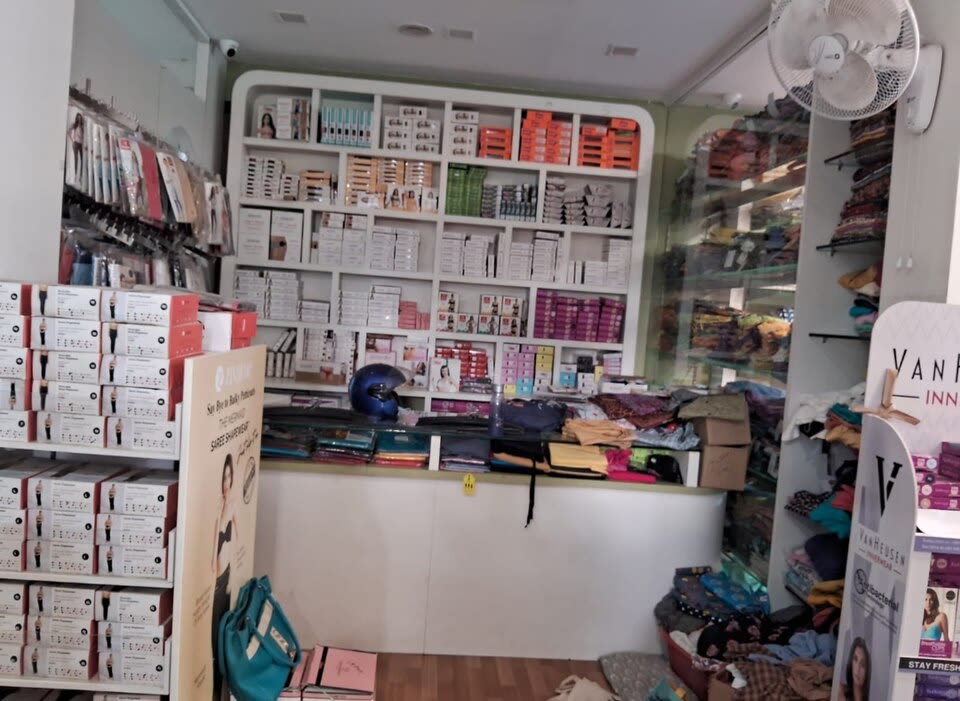
Mint Julep shops and boutiques are not one big national chain or marketplace. They’re a set of independent, style-focused fashion retailers that use a mix of physical stores, their own websites, and major marketplaces to sell women’s clothing and accessories. For you as a buyer or small ecommerce business, they work more like neighborhood boutiques that happen to have online reach than like Amazon, eBay, or a wholesale platform.
Local examples include Mint Julep, a women’s clothing boutique with stores in Brookline and Cambridge, Massachusetts, offering curated clothing, jewelry, and accessories for women who like a refined yet wearable style.Harvard Square Business Association lists it as a neighborhood shop with a wide selection of fashion pieces. In Alabama, The Mint Julep Boutique appears in Auburn/Opelika area directories as a boutique retailer.Placewing listing and BBB both describe it in boutique terms rather than as a large chain.
A key nuance: various stores across the U.S. use “Mint Julep” (or very close variants) in their names. Mapping searches turn up multiple unrelated entries in Massachusetts, Alabama, Georgia, and Virginia.Google Maps search This means “Mint Julep shops and boutiques” is a naming theme shared by several independent businesses, not a single platform you sign up for or source from at scale.
ShopMintJulep.com is one of the main online destinations associated with Mint Julep–branded boutiques, offering clothing and accessories through a dedicated ecommerce site.ShopMintJulep For shoppers, it behaves like any standalone fashion site: you browse collections, add pieces to your cart, and check out retail orders.
How Mint Julep–Style Boutiques Use Different Selling Platforms
These boutiques rely on a mix of channels:
- Owned ecommerce sites
A site like ShopMintJulep.com is fully controlled by the boutique. It usually reflects the store’s aesthetic, seasonal collections, and brand voice. Inventory tends to be more tightly curated than on a marketplace, mirroring the racks in the physical shops.
- Marketplace storefronts
Some boutique operators also sell through large marketplaces. For example, MintJulepBoutique runs an eBay store focused on modern and vintage fashion pieces.MintJulepBoutique on eBay That presence lets them reach buyers who search directly on eBay for specific styles or eras. From your perspective, this feels like shopping any specialist eBay seller, not joining a new platform.
- Physical stores with online visibility
Listings on regional guides and mapping services (Harvard Square business directory, Auburn boutique listings, Sugar Hill, GA business guides) show that many Mint Julep–named shops are still primarily neighborhood boutiques, using online only for discovery, hours, and directions rather than deep ecommerce.
This mixed-channel approach is typical for niche fashion sellers. Even DHgate’s own editorial blog has noted that buyers often blend department stores, online retailers, and independent boutiques when they’re hunting for specific U.S. styles.DHgate blog context Mint Julep boutiques fit squarely in that “independent boutique” bucket.
Boutique Sites vs. Big Marketplaces: Where They Differ
If you’re trying to decide between a Mint Julep–style boutique and a large platform, it helps to see how each channel tends to function:
| Channel type | Typical use for mint-julep-style fashion | Order size focus |
|---|---|---|
| Mint Julep boutique sites | Curated women’s clothing and accessories matching a specific boutique vibe | Single-piece retail orders |
| Boutique eBay storefronts | Mix of modern and vintage pieces; good for one-off finds or small lots | Retail and small lots |
| Amazon / large retail | Mass-market brands; broad, not Mint-Julep-specific aesthetics | Retail, some bulk packs |
| Cross-border wholesale (e.g., DHgate) | Bulk sourcing of fashion items; may approximate a style but not a named boutique | Wholesale / bulk orders |
A platform like DHgate is closer to a global sourcing tool than a boutique. It can be useful if you’re a small ecommerce business wanting to buy large quantities of boutique-inspired dresses or accessories at wholesale-like pricing, but it won’t connect you directly to an official “Mint Julep” boutique experience. You also need to vet individual suppliers and listings yourself rather than assuming boutique-level curation. If that distinction matters for your brand story, plan accordingly. For a deeper look at how these large marketplaces operate, you can compare general options in our overview of online marketplaces and shopping platforms or learn how DHgate itself works.
Choosing the Right Channel for Mint-Julep-Style Fashion
Because “Mint Julep” refers to several independent boutiques, the best platform depends heavily on who you are and what you’re trying to do.
1. Local shopper wanting the exact boutique vibe If you’re near Brookline or Cambridge, MA, visiting Mint Julep in person lets you see the full curated selection highlighted by local guides like the Harvard Square association.Harvard Square Business Association For Auburn/Opelika shoppers, The Mint Julep Boutique listed in area directories offers a similar local-boutique experience.Placewing listing Online, their own sites are your closest match to that in-store aesthetic.
2. Online fashion buyer chasing a specific look, not a specific storefront If what you want is the general “mint julep” vibe—feminine, slightly Southern, boutique-style clothing—any boutique-branded site like ShopMintJulep.com or an eBay store like MintJulepBoutique can work. You’ll see more personality and smaller runs of items than on a mass retailer, but less breadth and fewer color/size variants.
3. Small ecommerce business buying inventory For resellers who want a handful of distinctive pieces, buying retail from boutique sites or their marketplace storefronts can make sense—especially for vintage or limited items. Think of it as curation-as-a-service: the boutique has already filtered styles for a particular audience. If you need repeatable bulk inventory, though, you’re usually better off combining that boutique inspiration with larger sourcing platforms and wholesale distributors. Cross-border marketplaces such as DHgate or Alibaba can supply similar silhouettes or categories at wholesale scale, while the boutique sites inform your taste and merchandising.
The practical takeaway is simple: Mint Julep shops and boutiques are best treated as style sources and retail partners, not as primary wholesale platforms. Use them when you care about their specific aesthetic or location, and lean on larger marketplaces or supplier networks when quantity, cost structure, or standardized catalog matter more than boutique branding.