
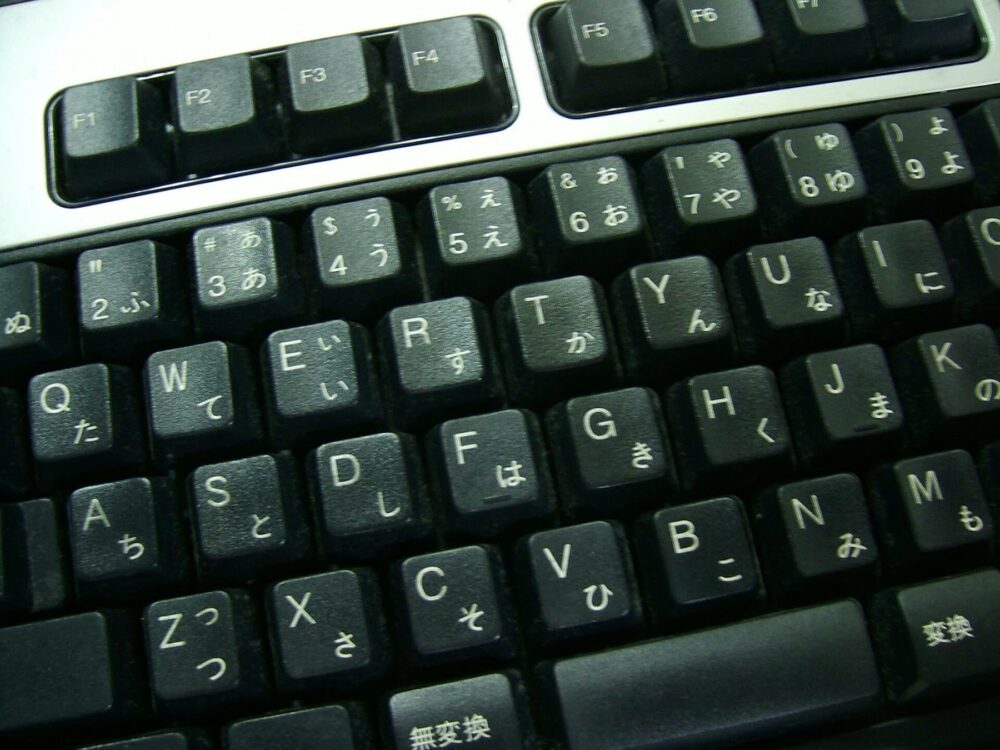
Japanese keycaps stand out in two ways: the legends and the aesthetics. Many sets use Japanese characters (Hiragana, Katakana, or Kanji) and sometimes support Japanese layouts like JIS. Others simply borrow Japanese pop‑culture themes—anime, manga, and vaporwave motifs—on a standard US layout. Quality ranges from ultra‑durable PBT sets that resist shine to cheaper ABS bundles that focus more on looks than longevity.
If you’re in the US, the real decision is less “Japanese vs non‑Japanese” and more: do you want true Japanese input support, or a Japanese‑inspired look on an ANSI board—and which seller type fits your risk tolerance and budget.
How Japanese Keycaps Differ from Other International Options
Legends and layout: functional vs decorative
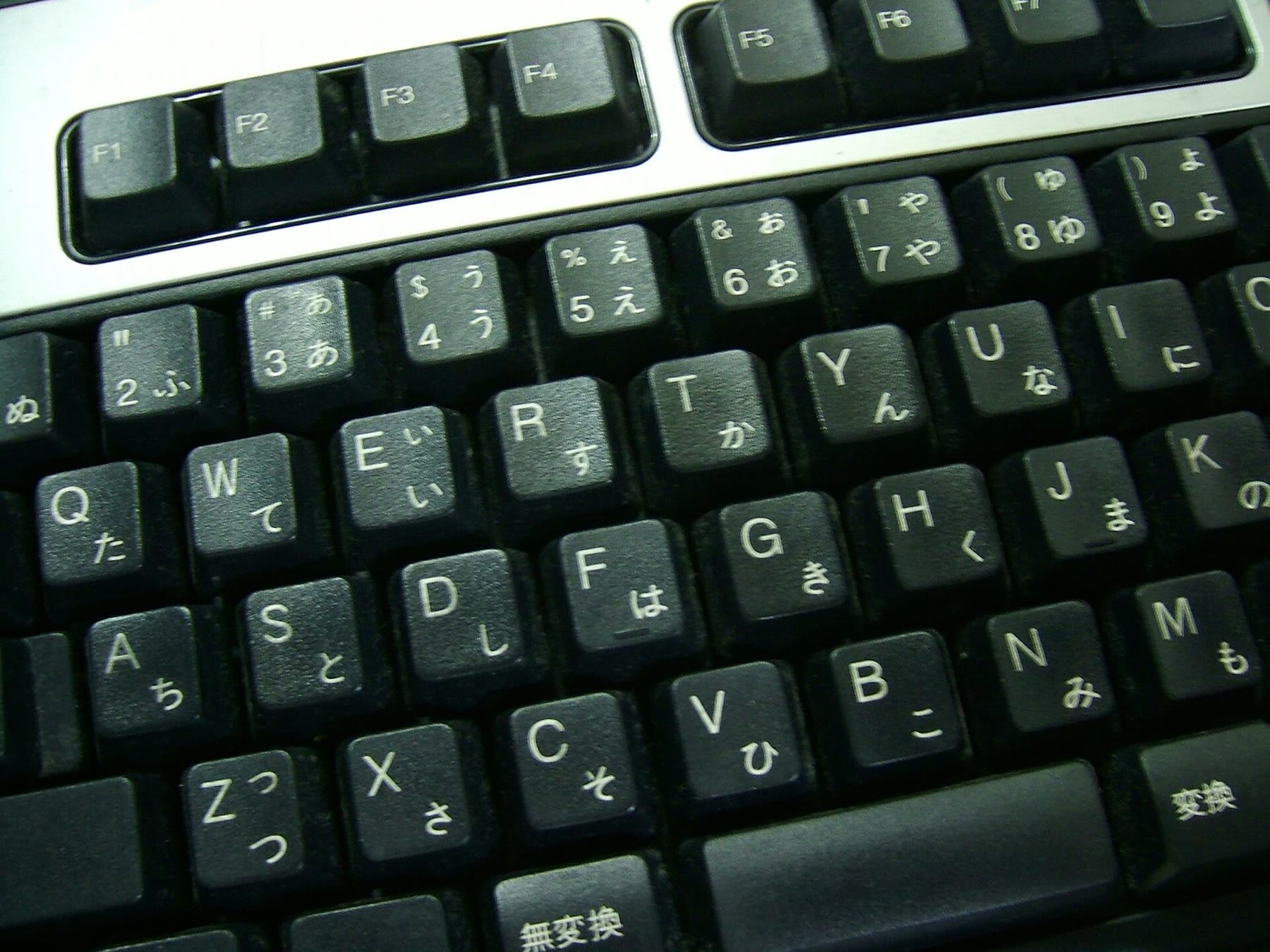
Japanese keycaps are usually defined by their legends. Shops like Keysium sell sets with Japanese scripts printed alongside Latin letters. You’ll often see:
- Hiragana on alpha keys for phonetic input
- Katakana for foreign words or stylistic emphasis
- Kanji for specific function keys or novelties
Some sets are built around the JIS layout (Japanese Industrial Standard), which adds extra keys and changes sizes. Others are bilingual ANSI sets that keep a standard US layout but add sub‑legends in Japanese for visual appeal and occasional input.
By contrast, many “Japanese” sets on global marketplaces are really Japanese‑themed: keycaps with anime characters, manga panels, or stylized Japanese words printed on a normal ANSI layout. Collections on Keycaps Nation lean heavily into this pop‑culture angle. These work fine on typical US mechanical keyboards but don’t change your typing method.
Materials and durability vs mainstream sets
Japanese keycaps follow the same material split you’ll see globally:
- PBT – marketed as more durable and resistant to shine over time. Keyboards and keycap sets on sites like Keychron’s ISO/ANSI/JIS page highlight PBT for long‑term use.
- ABS – easier to mold and print, often used in cheaper themed sets or complex colorways. More prone to wear and gloss.
For US buyers, Japanese PBT sets tend to compare well with European or US PBT options: thick walls, crisp legends, and a slightly textured feel. Lower‑cost decorative sets—especially anime caps from mass‑market marketplaces—are more variable. You might see thinner plastic, fuzzy printing, or inconsistent color alignment compared with mid‑range Western brands.
Design profiles and accessories
On aggregators like KeebFinder, you can filter Japanese sets by profile (Cherry, OEM, DSA, etc.), material, and design style. That exposes another difference:
- Functional Japanese‑language sets skew toward Cherry/OEM profiles, muted colorways, and clear legends aimed at daily typing.
- Themed sets often push high‑contrast colors, novelty keys, and artisan caps that match anime or game franchises.
Accessories follow the same split. Japanese‑language spacebars, accent keys, and numpad kits help you convert a board toward JIS or bilingual ANSI. Pop‑culture kits add themed spacebars, ESC replacements, and artisan caps—fun to sell or collect, but not essential for typing.
Comparing Seller and Marketplace Options for Japanese Keycaps
US buyers can get Japanese keycaps from four main channel types. Each has a different mix of quality control, variety, and risk.
Seller types at a glance
| Channel type | Typical focus | Quality consistency | Best use case |
|---|---|---|---|
| Specialist keycap retailers (Keysium, KeebsForAll) | Language sets + curated themes | High – curated catalogs, clear specs | Functional Japanese or mid/high‑tier themed sets |
| Design aggregators/directories (KeebFinder) | Index of sets across many brands | Mixed – depends on linked shop | Research and discovery before buying |
| Big marketplaces (Amazon, eBay) | Mass‑market anime/themed caps + some language sets | Highly variable across sellers | Fast, low‑friction purchases; testing themes for resale |
| Cross‑border marketplaces (DHgate, others) | Broad mix of themed and RGB‑friendly keycaps | Variable; many factories and traders | Sourcing cheaper themed sets with careful vetting |
Specialist retailers. Stores that live and breathe keycaps usually put the most effort into materials and layout clarity.
- On Keysium’s Japanese category, sets are organized explicitly by language, profile, and material, making it easy to confirm if you’re buying PBT vs ABS and JIS vs ANSI.
- KeebsForAll sells Japanese‑language and Japanese‑inspired sets to international customers, and product pages typically spell out compatibility (MX‑style switches, keycount) and profile.
These shops tend to carry the more serious JIS or bilingual sets, plus some higher‑end themes. Pricing isn’t rock‑bottom, but you’re paying for decent QC and clear specs.
Aggregators and directories. Sites like KeebFinder don’t sell directly; they index keycap sets from multiple retailers and brands.
- You can filter specifically for “Japanese” and then narrow by colorway, profile, or material.
- Each listing links out to the actual shop, so you still have to check the seller’s details before buying.
This is useful if you’re a reseller scouting trends—how many Japanese PBT sets exist in Cherry profile, which colorways are popular—before you commit to inventory.
Big marketplaces. Amazon and eBay surface plenty of “Japanese Anime” or “Japanese Manga” keycap bundles. They illustrate the decorative end of the spectrum: PBT or ABS caps with dye‑sub or printed art on top, using standard ANSI layouts.
Quality is uneven. Some PBT sets with Cherry profile and dye‑sub legends look solid; others feel more like novelty gifts. For a hobbyist, these platforms are convenient for one‑off purchases. For a micro‑seller, they can be a testing ground: buy a few sets, gauge local demand, then move upstream for sourcing.
Cross‑border marketplaces. DHgate and similar platforms sit between retail and factory sourcing. DHgate’s own editorial blog on keycaps highlights common trends like ABS vs PBT, pudding caps for RGB lighting, and artisan designs, which mirrors the kind of themed keycaps often listed by independent sellers.
If you use DHgate for Japanese‑style keycaps, treat each listing like a mini supplier audit: confirm whether legends are actually Japanese or just decorative text, check material (PBT vs ABS), examine photos for printing quality, and read seller ratings and reviews. This can be attractive for low‑cost themed inventory, but it demands more due diligence than buying from a single curated retailer.
For broader marketplace comparisons—including DHgate vs AliExpress, Alibaba, and Temu—there’s contextual detail in this multi‑platform overview.
Which Channel Fits Different Buyers and Sourcing Strategies?
Scenario: US hobbyist building one Japanese board
If you want a daily‑driver keyboard with real Japanese input:
- Start with specialist retailers that clearly label JIS vs ANSI and provide keycount diagrams.
- Use directories like KeebFinder to shortlist sets, then click through to shops like Keysium or KeebsForAll for the actual purchase.
You’ll get better odds of thick PBT caps, accurate legends, and a layout that truly matches your board.
If you mainly want Japanese aesthetics—anime, kanji novelties, themed spacebars—big marketplaces or curated theme shops (Keycaps Nation, Kromekeycaps and similar) are fine. Just confirm:
- The set’s profile fits your board (Cherry vs OEM).
- The keycount covers your layout (60%, TKL, full‑size).
Scenario: Micro‑seller flipping a few sets
If you’re testing the market in a local shop or on a small online store:
- Use aggregators to see which Japanese themes and colors show up frequently; this hints at demand.
- Buy initial stock from mid‑tier specialist shops or big marketplaces where MOQ is effectively one set.
You’ll pay more per set but lower your risk. As you see what sells—language‑heavy caps vs anime art—you can then explore cross‑border marketplaces to widen margins, always vetting photos, material descriptions, and reviews.
Scenario: Small importer building a broader catalog
For buyers looking to bring in dozens of sets at a time, Japanese keycaps are a niche that can complement global offerings:
- Source functional Japanese‑language PBT sets from established keycap brands or distributors; these justify higher price tags.
- Add lower‑cost themed sets from cross‑border platforms like DHgate or other marketplaces, after verifying legend quality and material.
The balanced strategy is to treat language‑accurate JIS/ANSI sets as your premium tier and anime/manga themes as volume products. Your sourcing channel mix should reflect that split: more reliance on specialist shops and branded distributors for the functional tier, more experimentation and rigorous listing checks for the decorative tier.
If you’re weighing DHgate’s role in a wider sourcing stack, you can also read about how the marketplace works and ways to find wholesale suppliers there, then apply those principles specifically to keycap sellers.