
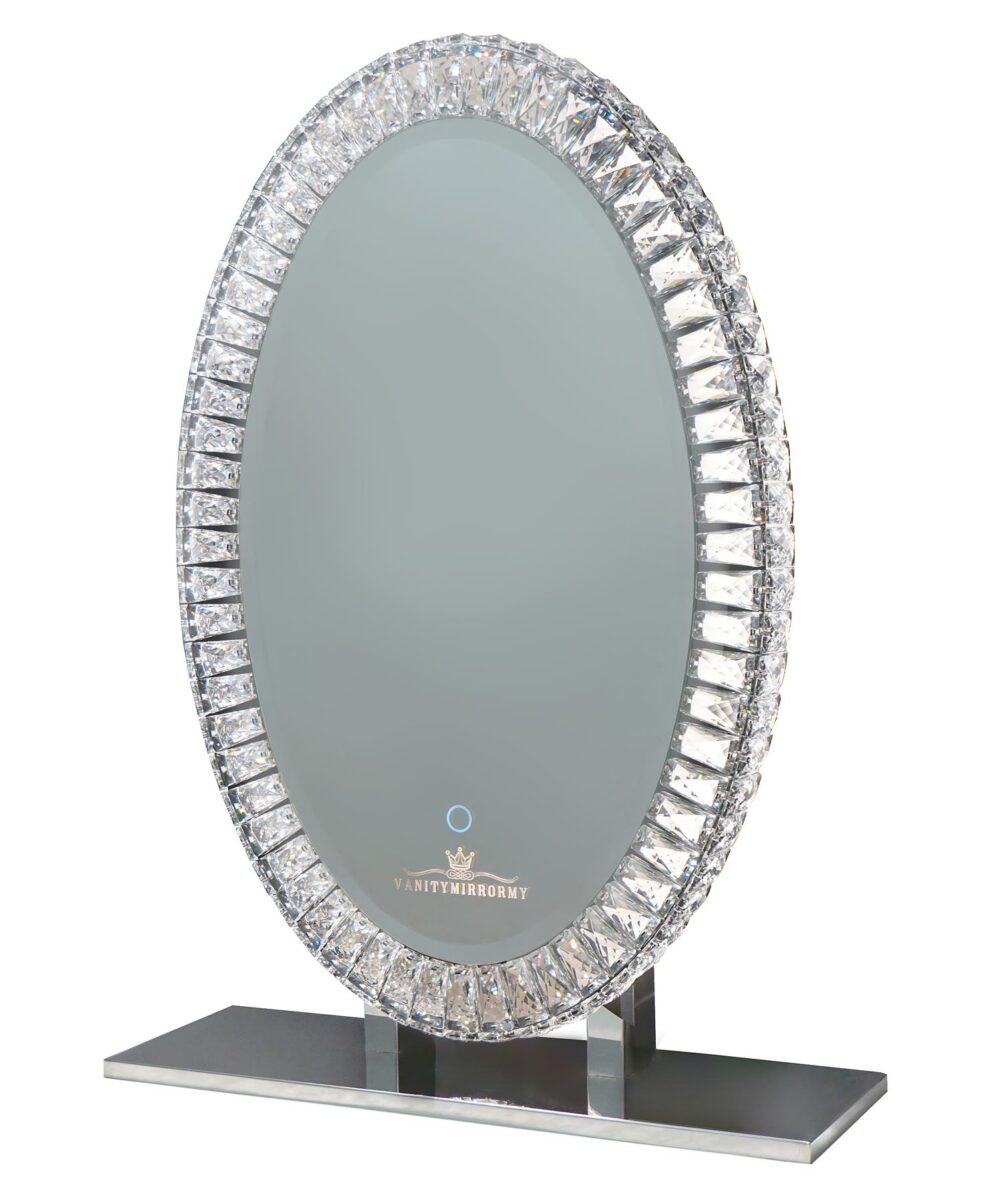
For Australian buyers, vanity mirrors with lights for a bedroom dresser usually fall into three rough tiers: compact tabletop LED mirrors at the low end, medium Hollywood-style units for everyday makeup, and larger statement mirrors that edge into premium pricing. Local retailers and specialist stores such as LED Mirror World, general chains that stock Hollywood-style designs, and niche brands all cover that range. The big levers on cost are mirror size, LED quality, build materials, and how far the mirror has to travel to reach you.
A budget-conscious home buyer can normally get a functional tabletop or smaller Hollywood-style mirror without spending like it’s a full furniture piece and without importing. For small ecommerce businesses, the real question isn’t just the unit price; it’s whether minimum order quantities (MOQ), freight, and duties on bulk orders still leave you room for a margin.
What Drives the Cost of Vanity Mirrors with Lights in Australia
Vanity mirrors with lights are designed to give even, flattering illumination for makeup and grooming. Common designs in Australia include simple mirrors with LED strips integrated around the perimeter, compact tabletop makeup mirrors, and Hollywood-style mirrors with exposed bulbs around the frame. IKEA’s local range of mirrors with lights illustrates the perimeter-LED approach many products use for more even lighting than a single overhead source.Source
Specialist stores such as LED Mirror World’s vanity lineup and Hollywood-style brands like Vanity Vault show how wide the spectrum is: you’ll see small desk mirrors, larger dresser-compatible mirrors, and wall-mounted units in both budget and premium builds. General retailers including Bunnings also list Hollywood-style LED vanity makeup mirrors, confirming that this isn’t a niche import—these are mainstream products for Australian buyers.Source
From a cost perspective, you’re usually paying for:
- Size and format. A small tabletop mirror with a ring of LEDs costs less than a large Hollywood-style mirror built to sit behind a dresser set-up.
- Lighting system. Cheaper units may use basic LEDs with one fixed color; better mirrors often offer dimmable brightness and multiple color temperatures so you can match daylight or evening lighting.Source
- Build and finish. Plastic frames and simple stands are cheaper; metal frames, glass or acrylic bases and premium finishes push you into mid-range or higher.
- Local availability and shipping. Buying from an Australian retailer or marketplace often means lower shipping than importing a heavy, fragile mirror cross-border.
Review and comparison sites such as BestReviews Guide’s lighted vanity mirror listings and local-focused roundupsSource make it clear that Australian buyers can pick from budget through premium tiers. You won’t see one universal price, but you will see clear jumps when you go from small tabletop mirrors to large, dresser-filling Hollywood styles.
How Features, MOQ, and Shipping Choices Change the Price
Once you know the broad tiers, the next step is understanding which features and order choices actually move the number you pay.
Feature trade-offs for a single dresser mirror
Here’s how common options affect value for a bedroom dresser setup:
- Mirror size vs. desk footprint. A large Hollywood-style mirror from a retailer like Bunnings or Vanity Vault is great if you sit at a wide dresser and want a full-face view. But larger glass means more weight, more packaging, and higher shipping. If your dresser is narrow, a mid-sized mirror can give you enough viewing area at a lower cost.
- LED quality and control. Editorial sources on makeup vanities stress lighting type as a key value driver.Source Fixed, cool-white LEDs are fine for basic grooming but can distort makeup colors. Models with adjustable brightness and multiple color modes cost more, yet they help you avoid redoing makeup in natural light.
- Magnification and secondary mirrors. Many illuminated vanity mirrors offer 2x–10x magnification spots or detachable close-up mirrors. For detailed eyeliner or brow work, that magnification is worth paying for. If the mirror is mainly decorative or for basic hair styling, you may prefer to skip magnification and keep the price lower.
- Storage integration. Some lighted vanities combine drawers or shelves with the mirror; others are pure mirrors to sit behind an existing dresser. Storage adds material and complexity. If you already have a dresser with good storage, a standalone mirror is usually more budget-friendly.
Price drivers for small ecommerce orders
For a small Aussie ecommerce business considering a batch of lighted vanity mirrors, three elements dominate cost:
- MOQ and per-unit discounts. Domestic wholesalers or cross-border sellers might offer better unit pricing if you commit to a certain quantity, but a higher MOQ ties up more cash and increases risk if the product doesn’t sell.
- Freight method. A box of vanity mirrors is bulky and fragile. Air courier is faster but pushes your landed cost up; slower sea or consolidated freight can be cheaper per unit but extends lead times and may complicate returns.
- Packaging level. Mirrors with robust retail packaging and foam inserts reduce damage risk but add weight and volume. Some low-cost suppliers cut corners here, which can wipe out savings if you get breakages.
As a rough editorial scenario, imagine you’re choosing between 20 mid-sized Hollywood-style mirrors from a domestic supplier and a similar batch from a cross-border seller. The cross-border line looks cheaper per unit at first glance, but you need to factor freight, customs, and potential damages. Without those numbers, the lower list price can be misleading.
A simple way to think about it is to break your total cost into buckets:
| Decision factor | Single home buyer (1 unit) | Small ecommerce buyer (20 units) |
|---|---|---|
| Product features | Size, LED modes, magnification, finish | Same, but balanced against target retail price |
| Upfront product cost | Higher per-unit acceptable for “perfect” piece | Needs room for margin after shipping and fees |
| Shipping & handling | One parcel; local shipping often cheapest | Bulk freight is major; packaging quality matters |
| Risk of damage/returns | Inconvenient but limited impact | Can erode profit if packaging or QC is weak |
| MOQ / cash tied up | Not relevant | Key constraint; avoid overcommitting early |
Choosing the Right Buying Channel and Keeping Your Budget on Track
In Australia, you can source vanity mirrors with lights through:
- Local retail and big-box chains. Stores and chains that stock Hollywood-style LED mirrors, plus general retailers, give you in-person inspection and straightforward shipping. For a single dresser mirror, this is often the simplest, budget-safe route because you avoid international freight on fragile glass.
- Domestic online specialists. Brands like Vanity Vault and LED-focused stores offer broader styles and clear specs. Pair those listings with third-party review aggregators such as BestReviews Guide’s lighted vanity mirrors or local best-product roundupsSource to gauge which designs are genuinely good value.
- Cross-border marketplaces. Platforms that connect you to overseas sellers can offer aggressive pricing on lighted makeup vanities. DHgate’s own editorial blog showcases a range of affordable lighted makeup vanities and mirrors, which signals that sellers on its marketplace do list budget-friendly options.Source If you explore that route for a single mirror or a small bulk order, treat every listing as a separate business decision: examine the photos for lighting layout (perimeter LEDs vs. single strips), check dimensions against your dresser, and estimate the full landed cost including freight and any import charges.
To keep your budget on track regardless of channel:
- Lock your spec before shopping. Decide the minimum size that fits your dresser, whether you need magnification, and what kind of lighting (fixed vs. adjustable) you require. That prevents you from paying extra for features you won’t use.
- Compare like-for-like. When looking at a Hollywood-style mirror at an Australian retailer versus a similar model from a cross-border marketplace, line up the size, LED features, and frame materials before you compare prices. A smaller, simpler mirror will always look cheaper but may not solve your original need.
- Start small on resale. If you’re testing demand for lighted vanity mirrors in your store, begin with a modest quantity at a total investment you can afford to lose. Use buyer feedback on lighting quality and packaging to refine your next order.
Vanity mirrors with lights can absolutely be bought on a budget in Australia, whether you’re dressing your own bedroom or stocking a small storefront. The key is to recognize that you’re paying for light quality, glass size, and logistics—not just a glamorous frame—and to choose the buying channel that keeps those elements working in your favor.