
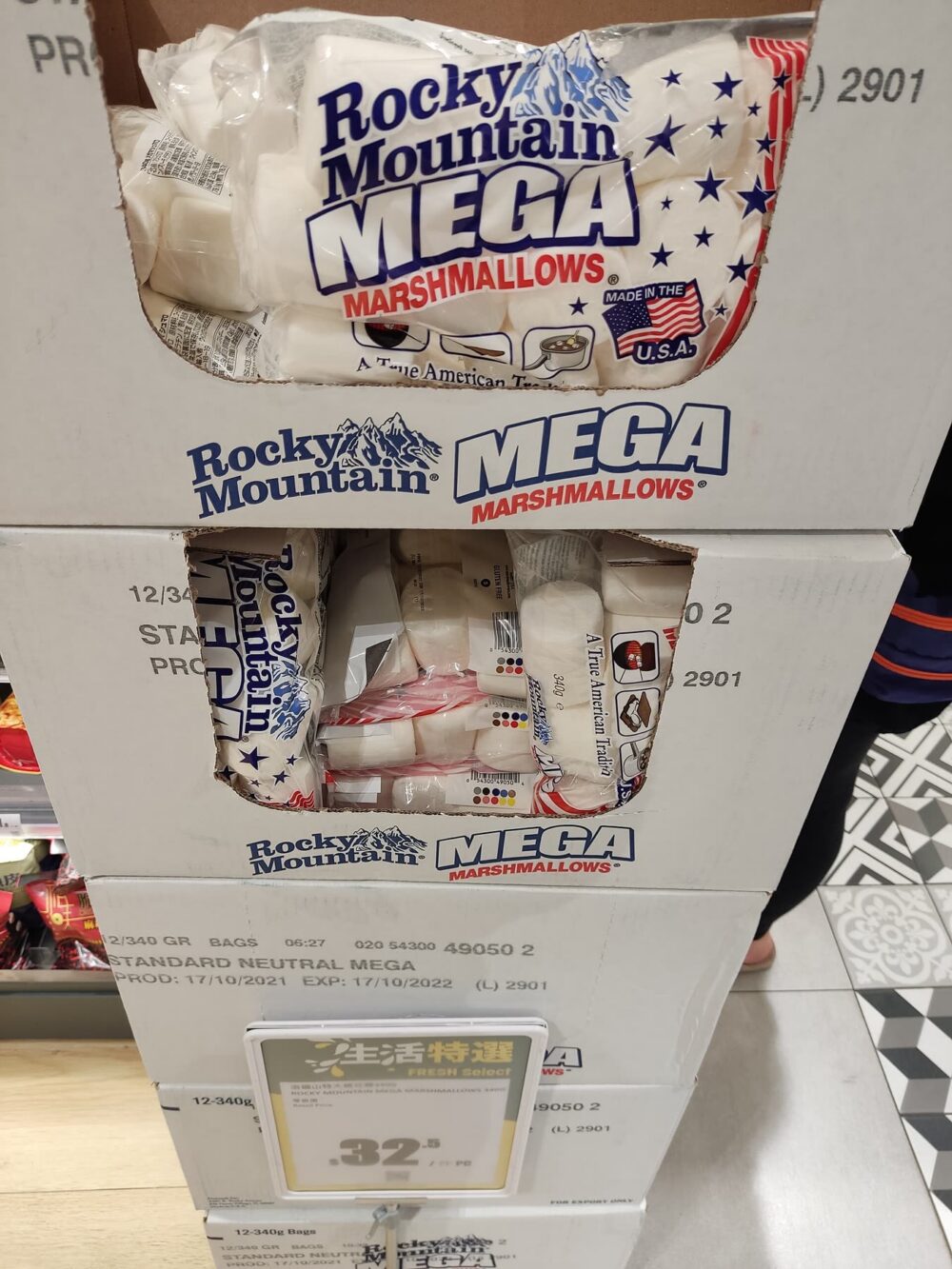
Marshmallow products and brands are sold online through three main channels: direct gourmet shops, retail marketplaces, and wholesale or cross-border marketplaces. If you’re buying a couple of bags for hot chocolate, the best fit is usually a US retail marketplace or a specialty brand site. If you’re a small ecommerce seller looking for bulk inventory or private-label marshmallows, the decision shifts toward wholesale programs and global B2B platforms—where cross‑border sourcing can work, but adds complexity, especially for food.
This guide uses marshmallows as a concrete example to show how each platform type works and which route makes sense for different buyers.
The Online Marshmallow Landscape: From Gourmet Sites to Marketplaces
Online, marshmallows split into three broad categories of sellers:
- Gourmet marshmallow brands with direct shops. Several US gourmet makers run their own ecommerce sites and ship nationwide. SERP examples include companies like Sweet Lydia’s and Creekside Mallow Co., which sell flavored marshmallows, s’mores kits, and gift boxes directly through their online stores.Source
- Mass-market and specialty brands sold through retailers. Long-established brands such as Jet‑Puffed are widely available through major US grocery retailers and their online arms. Jet‑Puffed offers multiple formats—standard bags, mini marshmallows, seasonal shapes—sold in-store and via retailer sites.Source Seasonal heart-shaped options from brands like Campfire and Jet‑Puffed, sugar‑free versions from La Nouba, and filled marshmallows from Stuffed Puffs typically show up in grocery chains, club stores, and retailer websites.Source
- Retail marketplaces that aggregate brands and formats. Large marketplaces such as Amazon host many marshmallow listings, from basic grocery bags to gourmet and diet-specific products. Amazon’s Grocery & Gourmet Food category includes a “Marshmallows” area where you can see top-selling products and compare pack sizes, flavors, and brands in one place.Source
For US consumers, most marshmallow shopping happens in buckets 2 and 3: retailer sites and marketplaces. For small ecommerce businesses, the picture is broader, because you’re deciding not just what to buy, but how to source consistently.
How Different Platform Types Handle Marshmallow Products
Here’s how each major platform type tends to operate for marshmallows—who they serve, what volumes they expect, and how much control you have over the brand.
1. Direct Gourmet Marshmallow Shops
Gourmet brands with their own sites typically:
- Sell small-batch products directly to consumers. Flavors are their differentiator—think churro, pistachio, or strawberry—often in limited runs.Source
- Offer curated assortments and gifts. Boxes, sampler packs, and seasonal shapes (like heart marshmallows) are common.Source
- Sometimes run wholesale programs alongside retail. Some specialty makers, including brands like Hudson Valley Marshmallow Company, publicize wholesale channels for online shops, retail stores, subscription boxes, or ingredient use.Source
For a small ecommerce brand, buying wholesale from a gourmet shop means:
- You’re reselling their brand, not private-labeling.
- Minimums are usually higher than consumer order sizes but lower than factory-level pallets.
- You get consistency and storytelling (origin, ingredients, flavors), which can be useful for your own marketing.
2. Retail Marketplaces (Amazon, big-box online arms)
Retail marketplaces like Amazon and the online storefronts of major grocers:
- Aggregate mass-market and specialty brands. You’ll see Jet‑Puffed, Campfire, La Nouba, Trader Joe’s seasonal marshmallows, Stuffed Puffs, and many more; availability varies by retailer.Source
- Support single-bag to multi-pack purchases. Pack sizes range from one or two bags to variety bundles aimed at parties or food service.Source
- De-emphasize brand relationships. You’re buying finished consumer goods with fixed branding and packaging.
This channel is best for:
- Consumers who just need marshmallows delivered quickly.
- Small resellers who flip branded product as-is (for example, bundling heart-shaped marshmallows with hot chocolate gift sets) without trying to customize.
3. Wholesale and Cross-Border B2B Marketplaces
Wholesale and cross-border platforms focus on buyers who treat marshmallows as inventory or ingredients, not just snacks.
- Gourmet producers with wholesale pages. Some US makers offer wholesale pricing explicitly for online shops, brick-and-mortar stores, subscription boxes, and ingredient supply.Source
- Global B2B marketplaces. Platforms similar to Alibaba connect buyers with confectionery manufacturers and trading companies. Marshmallows can appear as finished packaged goods or as bulk ingredients.
On these platforms:
- Expect higher minimum order quantities (MOQs) than consumer marketplaces.
- You may be able to request private-label packaging or custom shapes (for example, heart-shaped marshmallows with your brand on the bag), subject to supplier capabilities.
- Relationships feel more like sourcing than shopping—you’re negotiating specs and repeat orders.
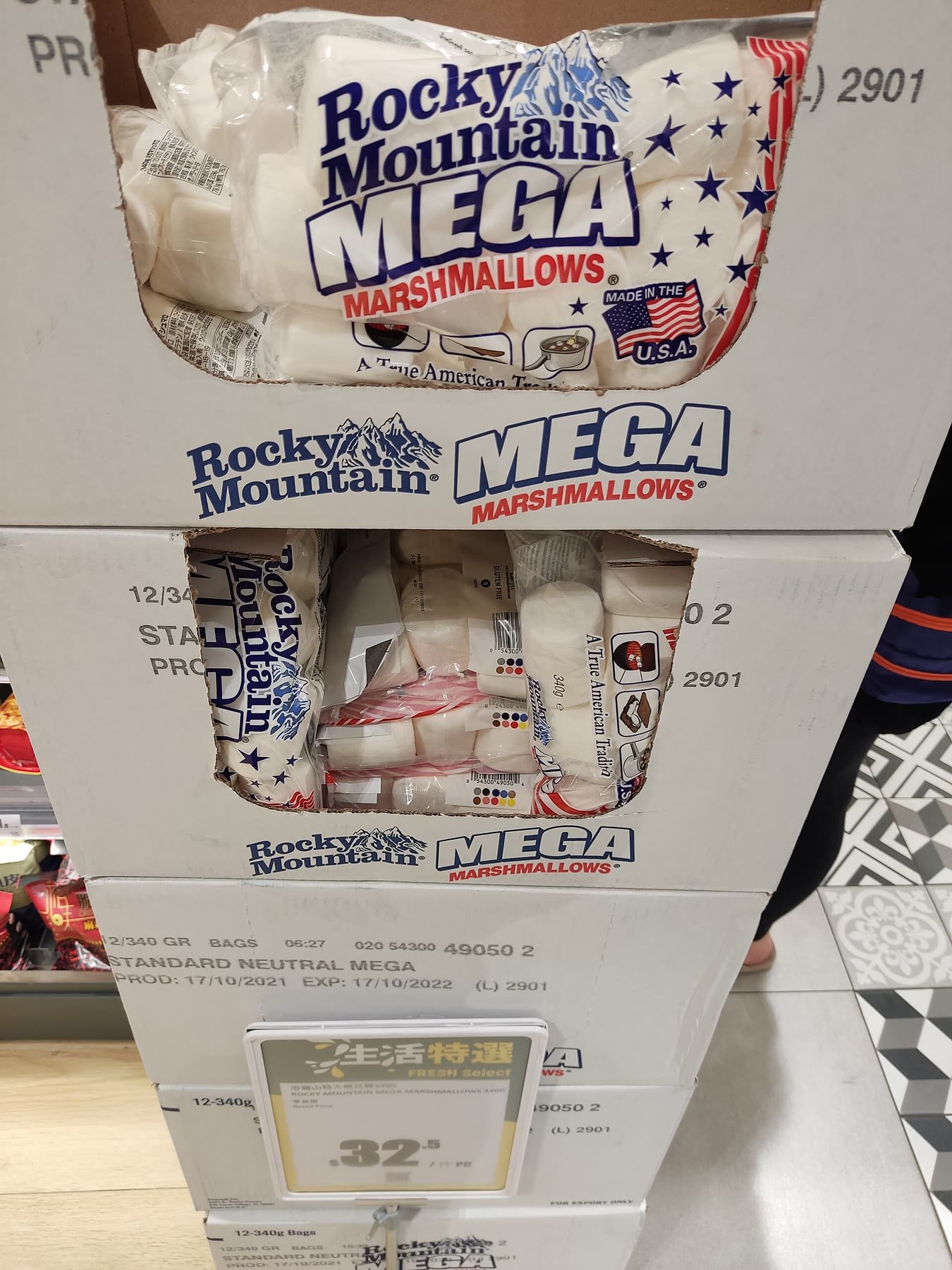
Platform Types at a Glance: MOQ and Use-Case
This table compares the main platform routes specifically for marshmallow products.
| Platform type | Typical buyer use-case | Rough MOQ pattern (editorial) | Brand control level |
|---|---|---|---|
| Direct gourmet brand shop | Gifts, premium treats; small retail resale | Low–medium (case packs; B2B via request) | Low–medium (resell their brand) |
| Retail marketplace (e.g., Amazon) | Everyday snacks; small bundles; seasonal stock | Very low (single units to small multi-packs) | Very low (finished branded goods) |
| Wholesale program from producer | Store inventory; subscription boxes; ingredients | Medium (cartons or mixed flavor cases) | Low–medium (limited customization) |
| Cross-border B2B marketplace | Bulk inventory; private-label; custom shapes | Medium–high (multi-carton or pallet scale) | Medium–high (specs, branding negotiable) |
Values here are editorial generalizations based on how these channels operate; MOQs and brand options vary by supplier. Exact quantities are negotiated per supplier rather than fixed by the channel type.
If you’re comparing platforms in general beyond marshmallows, DHgateWiki’s broader overview of online marketplaces and shopping platforms gives a wider context.
Choosing the Right Platform Route for Your Marshmallow Use-Case
Scenario 1: US Consumer Buying for Home, Parties, or Gifts
If you’re a consumer in the US:
- Everyday snacking and hot chocolate: Retail marketplaces (Amazon, Walmart.com, Target.com) are usually the fastest route. You’ll find mainstream brands like Jet‑Puffed, smaller specialty labels, and multi-packs in the Grocery & Gourmet Food and seasonal sections.Source
- Gourmet gifts or unique flavors: Direct gourmet shops are worth the extra shipping cost. Brands similar to Sweet Lydia’s or Creekside Mallow Co. focus on inventive flavors and presentation—ideal for gift boxes, wedding favors, or special s’mores kits.Source
- Diet-specific or novelty shapes (heart, sugar-free, filled): Look for La Nouba-style sugar-free marshmallows, Stuffed Puffs‑type filled marshmallows, and heart-shaped lines from Campfire or Jet‑Puffed in retailer seasonal aisles and online search filters.Source Buying from a brand’s own site can sometimes give you better flavor selection than a marketplace listing.
Cross-border sourcing rarely makes sense for individual consumers; shipping, customs, and product uncertainty usually outweigh any potential savings.
Scenario 2: Small Ecommerce Business Reselling Branded Marshmallows
If you run a small US ecommerce shop and want marshmallows as branded product (not your own label):
- Start with US gourmet brands that advertise wholesale. A company like Hudson Valley Marshmallow Company shows that some producers are actively courting wholesale buyers for online shops, retail stores, and ingredient supply.Source
- Use retail marketplaces as a backstop for limited, seasonal runs. For example, bundling Jet‑Puffed HeartMallows or Trader Joe’s heart marshmallows with hot chocolate gift sets can work if you’re okay with narrower margins and short availability windows.Source
- Avoid relying solely on consumer channels for long-term stock. Pricing and continuity are unpredictable compared with a direct wholesale relationship, and MOQs are set listing by listing.
Scenario 3: Building a Private-Label or Custom Marshmallow Line
Launching your own marshmallow brand or using marshmallows as a private-label ingredient is a different game.
You’ll likely need:
- A wholesale-capable producer that can meet your spec (shape, flavor, dietary profile) and packaging needs.Source
- Potential cross-border sourcing if domestic suppliers can’t meet price or volume. This is where global marketplaces enter the picture.
Cross-border marketplaces such as DHgate, Alibaba-type sites, or other B2B platforms can list marshmallow products from international manufacturers and traders. DHgate operates as a marketplace connecting buyers and sellers and can be used for packaged confectionery sourcing in some cases.
If you explore this route:
- Treat every listing as a separate supplier to vet—check product descriptions, photos, and any available certifications directly.
- Plan for small test orders and longer lead times before committing to bulk.
- Be cautious about food regulations and labeling; US import and compliance rules for edible products are complex, and you may need professional advice.
If you’re new to cross-border marketplaces in general, the explainer on what DHgate is and how the marketplace works offers neutral platform context before you decide whether to include marketplaces like DHgate in your sourcing mix.
Scenario 4: Using Marshmallows as Ingredients in Your Products
Some businesses use marshmallows inside their own products—baked goods, hot chocolate kits, snack mixes.
In that case:
- Wholesale programs from gourmet producers are often the cleanest route, because they already anticipate ingredient buyers and can provide consistent batches.Source
- Club and cash-and-carry retailers (Costco, Sam’s Club) or large online marketplaces can work for smaller volumes, but prices and availability fluctuate.
- Cross-border sourcing is possible but amplifies all the usual food-related challenges: shelf life, handling, documentation.
The key is to decide whether marshmallows in your business are a core brand pillar (justify deeper supplier relationships and maybe cross-border work) or a supporting ingredient (stick with domestic wholesale and retail channels for simplicity).
For broader platform comparisons beyond this marshmallow niche, you can also look at DHgateWiki’s analysis of DHgate vs AliExpress, Alibaba and Temu to understand how consumer-focused marketplaces diverge from B2B-first platforms.