
Revenue and sales growth online come from a simple equation: more of the right visitors, more of them buying, larger orders, and enough margin left over to reinvest. The platforms you pick are the infrastructure behind each of those levers. For a small US ecommerce business or side hustle, you’ll usually need a mix of sales channels (your store and/or marketplaces), marketing tools, and sourcing marketplaces. Get that stack right and you can grow revenue without burning out on manual work.
This article focuses on those platform categories and how they drive revenue, then shows practical combinations for different business models, including where cross-border wholesale marketplaces might fit.
How Online Platforms Drive Revenue and Sales Growth
Underneath all the jargon, “driving revenue” means moving four levers:
- Traffic volume – how many people see your products.
- Conversion rate – what percent of visitors actually buy.
- Average order value (AOV) – how much each order is worth.
- Pricing power and product cost – how much you can charge vs what it costs you to source and fulfill.
Ecommerce research from Shopify highlights these same levers for online stores and marketplaces, framing growth as a mix of more customers, better conversion, higher order values, and stronger pricing power.Shopify ecommerce revenue framework Sales and marketing tools work together here: ad platforms and SEO tools push traffic, your storefront or marketplace listing influences conversion and AOV, and sourcing platforms affect product cost and margins.
For small businesses, increasing sales revenue is usually a top goal and requires coordinated effort: the sales platform you use, the marketing tools that bring in leads, and any CRM or pipeline tools you use to keep repeat buyers coming back.Monday.com overview of sales revenue Instead of treating platforms as separate decisions, it helps to ask: which tools will move each lever in your specific business?
Types of Platforms That Actually Move Revenue
Different platform categories push different parts of the revenue equation. Here’s how the main ones fit together.
1. Storefronts and Retail Marketplaces (Where You Actually Sell)
These are the places customers buy:
- Hosted storefronts and ecommerce platforms – Shopify, WooCommerce on WordPress, BigCommerce. You own the brand experience and control pricing, bundling, and upsells.
- Retail marketplaces – Amazon, eBay, Etsy, Facebook Marketplace, Google Shopping. You plug into existing demand and search behavior instead of building it from scratch.
- Global B2C marketplaces – Alibaba (in its B2C modes), AliExpress, and similar sites that bring international buyers and sellers together.
A typical online sales-platform round-up includes Amazon, eBay, Shopify, Etsy, WooCommerce, Alibaba, Facebook Marketplace, and Google Shopping as core options because they’re widely used and can materially boost reach for sellers.Top online sales platforms list
Revenue impact:
- Traffic: Marketplaces bring built-in shoppers; your own site depends more on SEO, email, and ads.
- Conversion: Reviews, trust badges, fast checkout flows, and good listing content matter.
- AOV: Bundles, cross-sells, and free-shipping thresholds tend to be easier on your own site than on third-party marketplaces.
2. Digital Product Platforms (Selling Knowledge, Not Inventory)
If you sell downloads, memberships, or courses, platforms like Gumroad, Lemon Squeezy, and Payhip can drive revenue without traditional ecommerce overhead. A typical pattern with these tools is:
- No monthly subscription on the entry plans.
- They charge per transaction (a percentage + fixed fee).
- They handle VAT/sales tax, file delivery, and often simple memberships.
Creator-focused comparisons note that this transaction-fee model makes it cheap to start, but you pay more per sale as volume increases.Digital product platform examples
Revenue impact:
- Low fixed costs, so you can experiment with pricing and offers.
- Built-in checkout and content delivery improve conversion for solo creators.
3. Revenue Operations and Intelligence Platforms (For Sales Teams)
If you run a larger operation with sales reps or multiple channels, RevOps tools help you optimize pipelines and forecasting rather than the storefront itself. Platforms like Gong, Clari, Outreach, Salesloft, People.ai, 6sense, and others appear across current lists of revenue intelligence and operations tools.Revenue intelligence platform overview
Revenue impact:
- Spot where leads stall and fix outreach sequences.
- Better forecasting and pipeline management, which helps you decide how aggressively to invest in inventory or ads.
Most solopreneurs don’t need these yet, but they become valuable when you have multiple reps, channels, or complex B2B deals.
4. Wholesale and Sourcing Marketplaces (Cost and Margin Levers)
Wholesale marketplaces connect you with manufacturers and wholesalers, often cross-border:
- Alibaba and other B2B marketplaces help you source products in bulk or develop private-label lines.
- Platforms like DHgate also operate as cross-border marketplaces with many small and mid-sized suppliers.
These platforms can support revenue growth by potentially lowering product cost per unit, opening up private-label or bundle opportunities, and giving you access to product styles not widely available domestically. That said, cross-border sourcing carries extra work: vetting suppliers, checking sample quality, understanding shipping times and customs implications, and ensuring you’re not infringing on trademarks.
Revenue impact:
- Lower cost of goods can increase profit per sale and free budget for ads or better packaging.
- Unique products can support higher pricing and differentiation.
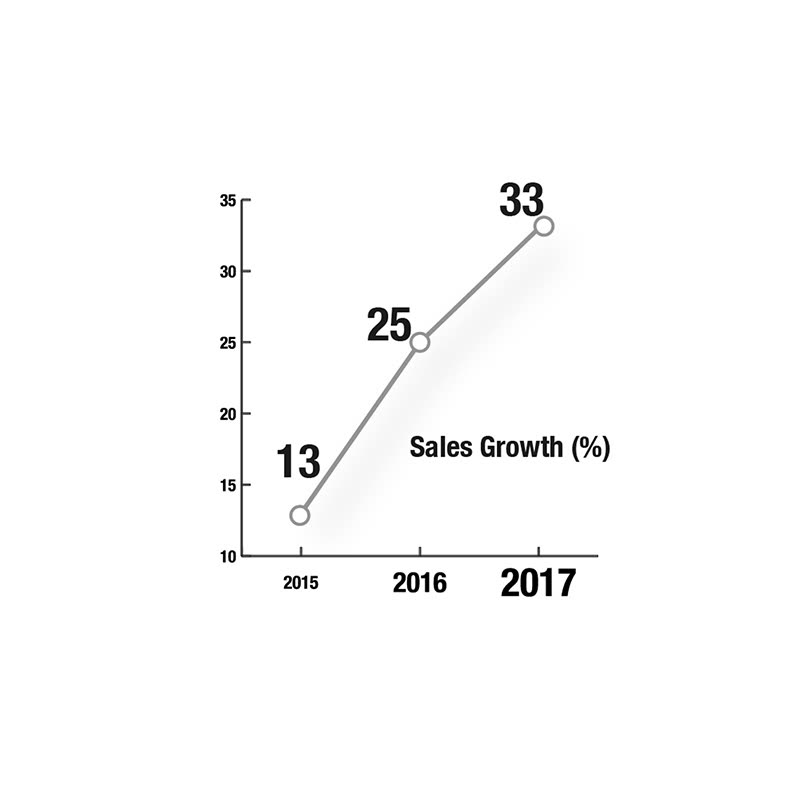
Sales vs Wholesale Marketplaces: How They Play Different Roles
You’ll often combine retail marketplaces (where you sell) with wholesale marketplaces (where you source). This table highlights the distinction.
| Platform type | Typical role in your business | Direct customer access? | Main revenue lever moved |
|---|---|---|---|
| Retail marketplace | Sell finished products to consumers | Yes | Traffic & conversion |
| Your own ecommerce site | Sell under your own brand | Yes | Conversion, AOV, pricing power |
| Wholesale marketplace | Source inventory or dropship suppliers | No (usually) | Product cost & product selection |
Retail marketplaces help you capture demand; wholesale marketplaces help you create margin and product differentiation. You need both only if you’re controlling the product (inventory, private label, or curated dropshipping), not if you’re purely a digital creator.
For a deeper look at how major retail platforms compare, see DHgateWiki’s overview of online marketplaces and shopping platforms. And if you want a side-by-side view of DHgate’s role among cross-border marketplaces, there’s a separate comparison of DHgate vs AliExpress, Alibaba and Temu.
Choosing Your Platform Stack to Grow Revenue
There isn’t one “best” platform. The right stack depends on what you’re selling and how hands-on you are with sourcing.
Scenario 1: US Dropshipper Testing Products
Goal: Quickly test many SKUs with minimal upfront cost.
Practical stack:
- Sales: Shopify or WooCommerce plus listings on Amazon/eBay where allowed.
- Marketing: Meta Ads/Google Ads for traffic; email tool for follow-up.
- Sourcing: Cross-border marketplaces (Alibaba, DHgate, others) or domestic dropship aggregators for suppliers.
Here, wholesale marketplaces matter because they widen the supplier pool and can improve margins. For cross-border platforms, treat each supplier like a separate business: read listing details carefully, order samples before committing, and start with smaller, test-sized orders rather than betting your entire budget.
Scenario 2: Private-Label Brand Building a Moat
Goal: Own a branded product line with higher pricing power.
Practical stack:
- Sales: Your own Shopify or WooCommerce store, plus Amazon Brand Registry if you qualify.
- Marketing: Email, SMS, and content tools to nurture repeat buyers.
- Sourcing: Wholesale marketplaces (Alibaba, DHgate, similar) to find manufacturers or ODM products you can brand.
- Optional: Light CRM or pipeline tools if you also do B2B/wholesale.
Revenue growth here comes from:
- Lower unit costs through bulk orders.
- Higher prices justified by branding and packaging.
- Repeat purchases via owned channels (email/SMS).
Wholesale platforms are useful, but you should invest time in supplier vetting, product compliance checks, and backup suppliers.
Scenario 3: Creator Selling Digital Products Only
Goal: Monetize audience with low overhead.
Practical stack:
- Sales: Gumroad, Lemon Squeezy, or Payhip for direct digital sales.
- Marketing: Social platforms (YouTube, TikTok, Instagram), an email list, and basic analytics.
- Sourcing: Not needed; your product is the content.
Here, revenue levers are traffic and conversion. Platform choice is about fees, audience compatibility, and control over your customer list—not sourcing.
Scenario 4: Small Multi-Channel Shop With Physical Inventory
Goal: Grow consistent revenue while keeping operations manageable.
Practical stack:
- Sales: One main ecommerce platform (Shopify/WooCommerce) plus one or two marketplaces (Amazon, eBay, Etsy depending on niche).
- Marketing: Email + basic ad/SEO tools.
- Sourcing: Mix of domestic wholesalers and selected cross-border suppliers for unique or high-margin products.
- Optional: Lightweight RevOps/CRM if you also sell B2B.
Platforms work together here: marketplaces bring discovery, your site builds brand, sourcing platforms keep margins healthy, and simple CRM or email tools drive repeat orders.
Where Cross-Border Marketplaces Like DHgate Belong
For US-based sellers, cross-border wholesale marketplaces (Alibaba, DHgate, others) are most relevant when:
- You’re sourcing physical products (not digital-only).
- You want to test or expand product lines without local manufacturing.
- Your margins are tight and you’re willing to trade more sourcing work for potentially lower unit costs.
They’re less relevant if you:
- Only sell digital goods or services.
If you do include a cross-border platform in your stack, treat it as one sourcing tool among several. Combine it with at least one domestic option so you’re not locked into a single route, and build your revenue stack around channels you can control—your own site, your audience, and your data.
For more detail on how DHgate itself operates as a marketplace, you can read DHgateWiki’s explainer on what DHgate is and how the marketplace works.
The common thread across all these scenarios: choose platforms based on which revenue lever you need most right now—traffic, conversion, AOV, or margin—and build a stack that pushes those levers together instead of chasing every new tool you see mentioned online.