
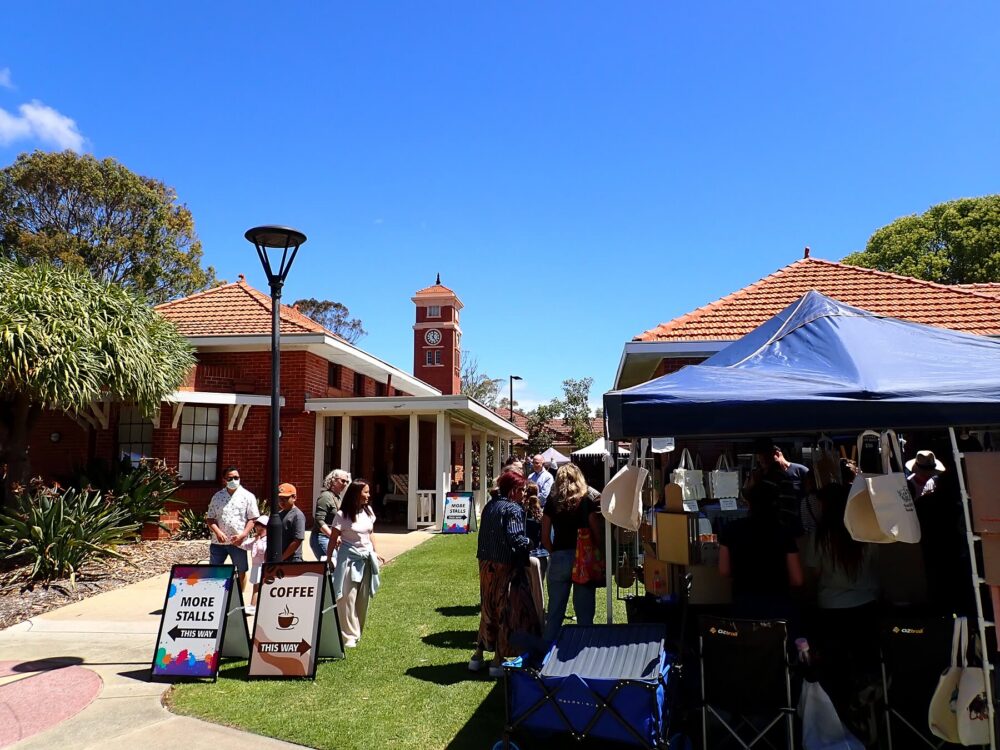
For most Canadian craft sellers, the most effective setup around a makers market isn’t a single all‑purpose app. It’s a mix: a craft‑focused retail marketplace (such as Etsy or Amazon Handmade) to keep sales moving year‑round, a simple ecommerce site for brand control and repeat buyers, and optional wholesale platforms if you need lower‑cost components or packaging. The physical makers market becomes your showcase and customer‑acquisition channel; your online platforms are what turn that weekend table into an ongoing business.
What “Makers Market” Means in Canada and How It Works for Sellers
In Canada, “makers market” typically refers to a physical or pop‑up venue that highlights handmade or small‑batch goods from local artisans and small businesses, rather than a single national online platform. You’ll see this model in places like Maker’s Market in Toronto’s Junction, a retail space featuring local makers and handmade goods, described on its site at makersmarketstore.com. In Calgary, events like MAKERS Market Mall bring rotating vendors into mall spaces, as outlined in local coverage such as CalgaryWatch’s Makers Market Mall page.
Similar maker‑focused events appear under different names in cities like Halifax and Winnipeg. For example, Dartmouth Makers in Nova Scotia organizes markets showcasing local makers (dartmouthmakers.ca), and Winnipeg has highlighted maker‑market concepts through initiatives like the TEDxWinnipeg Makers Market (tedxwinnipeg.ca/makersmarket.html). The pattern is the same: short‑term or recurring events or permanent spaces focused on locally made products.
For you as a seller, these markets function like a high‑traffic retail channel. You pay for a booth or shelf space, bring inventory, and get direct access to shoppers who are specifically looking for handmade and small‑batch goods. Many organizers feature vendor profiles or social tags, and it’s common practice for successful makers to use separate online platforms alongside the market to:
- Announce dates and locations.
- Take preorders or deposits for custom work.
- Stay in touch with customers between events.
- Offer reorders after someone discovers you at a market.
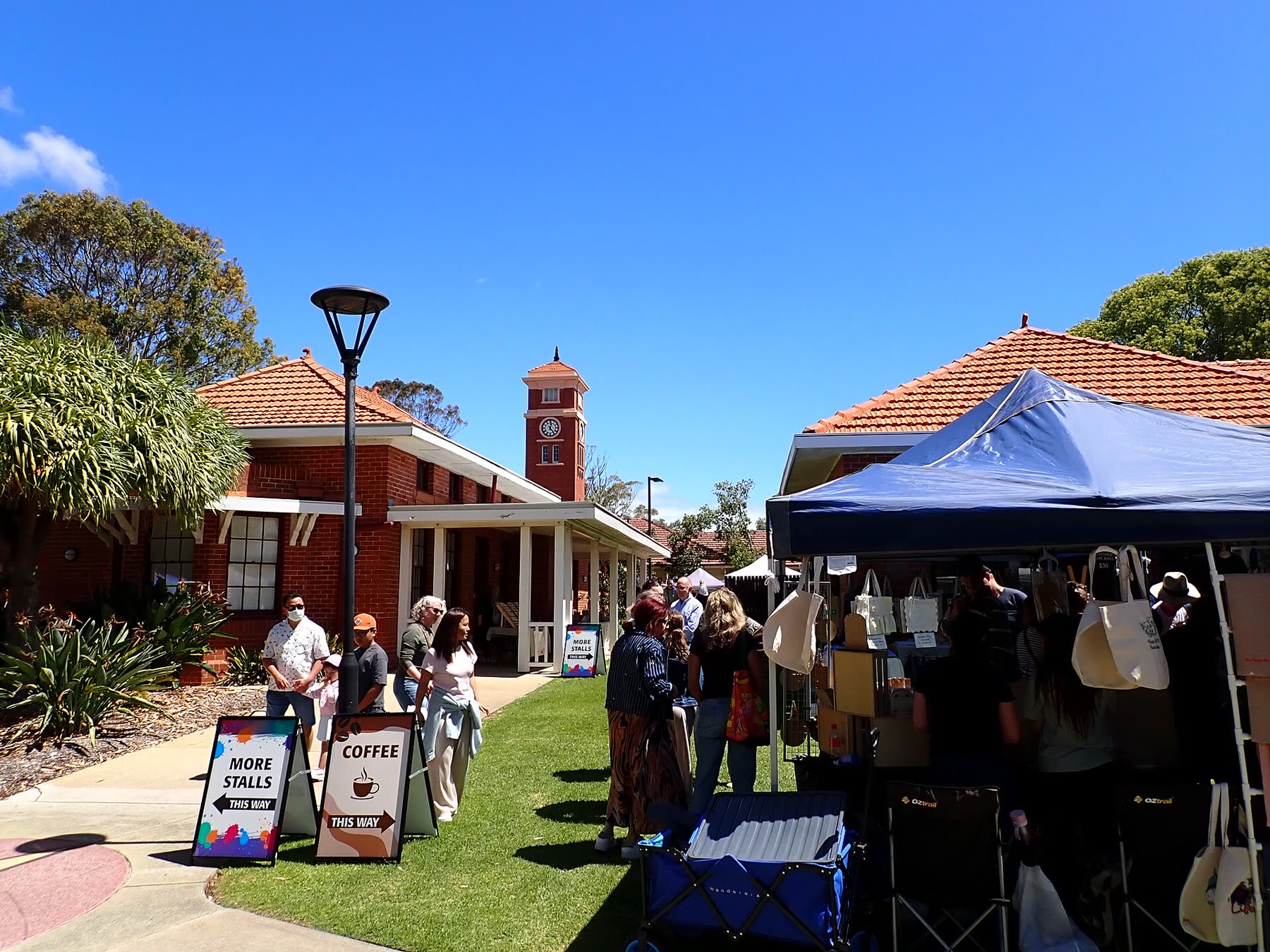
Platform Types That Support a Makers Market Business
Think of your makers market booth as one channel inside a broader system. Most Canadian makers combine several types of online platforms before, during, and after an event.
1. Retail marketplaces for handmade buyers
These platforms are built for individual shoppers looking for finished products:
- Etsy – A widely used marketplace with strong buyer intent for handmade and vintage goods, commonly recommended in craft‑seller guides such as “Where to Sell Handmade Crafts: Best Marketplaces in 2026”.
- Amazon Handmade – A section of Amazon dedicated to handmade products, mentioned in multiple editorial sources as an option for makers who want access to Amazon’s large customer base.
- Etsy alternatives – Platforms like Goimagine or iCraft show up in lists of alternatives to Etsy and are positioned around handmade or small creative businesses.
For a makers market seller, these retail marketplaces help you:
- Test demand for new products before committing to large batches for a market.
- Capture buyers who discover you at an event but prefer ordering online later.
- Create an easy reorder path by printing your marketplace URL on cards or packaging.
Because they already attract craft‑interested shoppers, these marketplaces complement the discovery that happens at physical markets.
2. Your own ecommerce site for brand control
Alongside marketplaces, many sources highlight platforms like Shopify as strong options if you want to build your own store rather than rely only on third‑party sites. Shopify and similar ecommerce builders are commonly positioned as tools for small product‑based businesses that want:
- Branded storefronts and full control over layout and imagery.
- A single URL to feature on signs, cards and social profiles.
- Flexibility to offer wholesale pricing to boutiques or accept custom orders.
You don’t have to choose between an own‑site store and marketplaces. Many makers link between them, using their website as a brand hub while still keeping listings on Etsy or Amazon Handmade for additional reach.
3. Social selling and promotion
Social platforms are not marketplaces in the same sense, but they are core to how many Canadian makers market their work:
- Instagram and TikTok – Useful for behind‑the‑scenes content, product launches, and live event coverage from your booth.
- Facebook and Facebook Marketplace – Commonly mentioned in craft‑selling advice as a way to reach local buyers and promote events.
For a makers market business, social channels help you:
- Drive foot traffic by promoting specific dates, locations and special offers.
- Collect direct messages from customers who want to place or adjust orders.
- Showcase your story and process, which matters a lot in the handmade space.
4. Wholesale and sourcing platforms
If your crafts depend on components (findings, blanks, jars, labels, gift boxes) or you need branded packaging, wholesale or sourcing platforms can help you manage costs:
- General wholesale marketplaces, including some cross‑border options, list supplies and tools in bulk.
- Some focus more on finished goods, others on parts and materials; handmade sellers typically use them for components rather than retailing finished crafts there.
These platforms operate in the background of your makers market business. They don’t replace your retail channels; instead, they support your production workflow so you can keep your booth stocked without relying entirely on local retail craft stores for materials.
Comparing Popular Platforms and Matching Them to Maker Profiles
No single platform stack fits every maker at a Canadian market. The right mix depends on what you sell, how often you attend events, and whether you need cross‑border sourcing.
Here’s one way to compare roles by maker profile:
| Maker profile / main goal | Retail marketplace role | Own‑site store role | Wholesale / sourcing role |
|---|---|---|---|
| Hobby seller at seasonal markets | One marketplace (Etsy or an alternative) to keep reorders simple. | Optional; a basic info page if you want a custom URL. | Occasional use for standard components; most supplies still local. |
| Growing brand doing multiple events per year | Mix of Etsy and/or Amazon Handmade for ongoing discovery. | Shopify or a similar platform as your brand hub and repeat‑order home base. | Regular sourcing of packaging and parts to protect margins. |
| Small ecommerce business that also runs a booth | Several marketplaces, including Amazon Handmade, for broad reach. | Central ecommerce site where all marketing points. | Cross‑border sourcing for components and packaging when volume justifies it. |
Scenario: Local hobby maker in Toronto
You rent a table at Maker’s Market in the Junction a few weekends a year and sell small‑batch candles with locally themed scents. Listing those candles on Etsy or a niche handmade marketplace gives you an easy place to send market customers who later want to reorder without requiring you to maintain a full standalone site. A simple Instagram account lets you announce which days you’ll be at the market and show new scent launches.
Scenario: Growing Calgary brand using mall pop‑ups
You sell jewelry and accessories at recurring makers‑market pop‑ups in Calgary malls. Your brand is becoming recognizable and you want repeat online sales between events. A Shopify store (or another simple ecommerce platform) becomes your home base so you can feature your story, control photography, and take direct orders. You keep Etsy or Amazon Handmade listings active because those marketplaces expose you to shoppers who may never pass your booth in person.
Where cross‑border sourcing (including DHgate) actually fits
When your makers market business relies on steady production, sourcing components and packaging efficiently is important. This is where wholesale marketplaces enter the picture.
Cross‑border platforms like DHgate are positioned primarily as wholesale marketplaces for supplies, not as places to sell finished handmade goods to end customers. A Canadian or US maker might source blank metal charms, earring hooks, candle tins or branded boxes on such a marketplace, then handle the actual making and retail selling through channels like Etsy, Amazon Handmade or a Shopify site. If you want more detail on DHgate as a marketplace in general, you can read this overview of the platform.
How to pick your starting stack
If you’re preparing for your first Canadian makers market, a practical starting mix is:
- One handmade‑oriented marketplace – commonly Etsy or an alternative that aligns with your niche.
- One simple own‑site store or landing page – Shopify or another builder with basic shop and about‑page functionality.
- One or two active social channels – Instagram plus Facebook or TikTok, depending on where your audience spends time.
- Supplies source – local wholesalers, and once you’ve validated demand, a vetted cross‑border marketplace for components if your volume and margins justify it.
As your business grows beyond local events, you can compare a wider range of platforms and sourcing options using broader marketplace explainers like this guide to online marketplaces and shopping platforms and cross‑border comparisons such as DHgate vs. AliExpress, Alibaba and Temu. The goal isn’t to be on every platform; it’s to choose an online and sourcing stack that turns each makers market into long‑term customer relationships, not just a weekend of sales.