
Portable urinals for camping are cheap in theory, but the real cost depends less on the sticker price and more on what you buy and where you buy it. In Australia, a basic plastic bottle-style urinal usually costs far less than a full portable toilet, especially at general marketplaces and some medical-supply sites. As soon as you move into larger, more complex sanitation setups or cross‑border importing, shipping, duties and minimum order sizes can erase the savings.
For budget hikers and micro-sellers, the sweet spot is usually simple rigid or collapsible bottles and female urination devices (FUDs) from reputable outdoor or medical suppliers. These are compact, easy to ship, and don’t need the flushing mechanisms or tanks that drive portable toilet prices up. Cross‑border marketplaces can make sense if you’re bringing in dozens of units, but often aren’t worth it for a single urinal once freight and import charges land.
What Drives the Real Cost of Portable Urinals for Camping?
Portable urinals are compact devices designed purely for urination where toilets aren’t available. They’re distinct from bulkier camping toilets with tanks, chemicals or flush systems. That distinction matters for your budget: urinals are lightweight, low-value items, so logistics can easily cost more than the product itself.
From an Australian buyer’s perspective, your total cost usually breaks down into:
- Product price – The base price of the urinal. Simple bottles are typically listed at lower prices on general marketplaces than more complex camping toilets on specialist outdoor sites like Wild Horizon.
- Domestic shipping – Postage within Australia or free pickup. For a single urinal, shipping can be a big percentage of the total.
- Cross-border freight – If you import, you add international shipping and possibly handling fees.
- Customs, tariffs and GST – Small personal purchases may fall under low-value thresholds, but bulk orders for resale can attract duties and taxes.
- Payment and platform fees – Currency conversion, marketplace commissions, and payment processing for business buyers.
Because portable urinals are so compact, the product price itself is often the smallest line item. A solo hiker buying one basic urinal will usually get better value by buying locally and keeping logistics simple. A small ecommerce business importing a carton of urinals needs to think in terms of landed cost per unit, not just the factory or listing price.
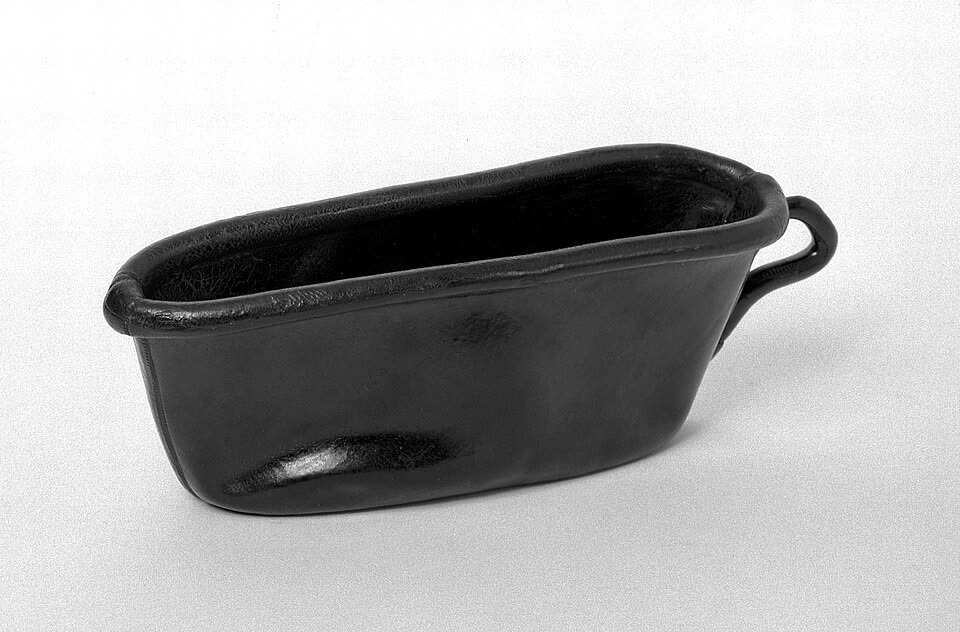
Price Drivers: Urinal Types, Features and Order Size
Portable urinals come in a few common formats, and each has its own cost profile:
- Rigid bottles – Simple plastic bottles with a lid or spout. Cheapest to buy and ship; good for car camping or inside a tent.
- Collapsible bottles – Telescopic or roll-up designs that pack smaller. Slightly higher product cost due to more complex construction.
- Male urinals with hoses – Bottles or canisters connected to a hose and funnel. More plastic, more parts, usually more expensive than plain bottles.
- Female urination devices (FUDs) – Funnels designed so women can urinate standing up. As Wikipedia’s overview shows, they’re typically silicone or plastic and marketed for camping, hiking, and travel.
For budget buyers, the trade-offs look like this:
| Urinal type | Typical use case | Relative product price vs simple bottle | Key budget upside |
|---|---|---|---|
| Rigid bottle | Car camping, bedside, tent | Lowest | Simple, durable, very cheap |
| Collapsible bottle | Backpacking, hiking | Low–medium | Packs small; easier to carry |
| Male urinal with hose | Vehicle use, mobility aid | Medium | Can be used lying or sitting |
| Female urination device | Hiking, festivals, mixed use | Low–medium | Lets women use existing urinals/areas |
Beyond type, several features and purchasing decisions move the needle:
- Material quality – Thicker plastic or food‑grade silicone costs more but may be less prone to cracking or deformation.
- Capacity – Larger bottles (often 750 ml or more) use more material and take up more space in shipping cartons.
- Unisex design and adapters – Urinals marketed as unisex often bundle extra adapters, which raises unit price but can simplify inventory for resellers.
- Brand positioning – Outdoor brands and caravan specialists like Anaconda and Caravan RV Camping tend to price full camping toilets and hygiene gear higher than generic urinal bottles on marketplaces.
- Minimum order quantity (MOQ) – For cross‑border sourcing, suppliers may want you to buy dozens of units. Large orders can cut the per‑unit product price but increase exposure to freight and import costs.
- Customisation – Printed logos or custom colours make sense for brands and micro‑sellers, but they push price up and often increase MOQ.
Scenario: Solo Hiker vs Micro-Seller
- Solo hiker in NSW – A single collapsible urinal or FUD purchased from an Australian retailer or a local marketplace listing keeps the total under control. Paying extra for customization or importing one unit internationally rarely makes financial sense.
- Micro-seller importing 50 units – Cross‑border suppliers might offer a low per-unit price on basic bottle urinals. Once you add a shared carton, customs clearance and GST on commercial imports, a simple, unbranded bottle often delivers the best margin; complex devices and camping toilets are harder to ship cheaply.
Choosing a Sourcing Channel on a Budget
For Australian buyers, the main sourcing choices are:
- Local outdoor and caravan retailers
Chains such as Anaconda and specialist sites like Wild Horizon focus on camping toilets and hygiene gear. Their products can substitute for urinal‑only devices but usually at a higher spend because you’re paying for tanks, seats and flushing systems. For budget-conscious campers, these channels make sense if you actually need a full toilet or prefer in‑store advice and quick availability.
- Medical mobility suppliers
Australian medical suppliers like Active Mobility sell portable urinals for healthcare use. Some campers repurpose these for trips because they’re often simple, robust bottles or hose systems. Pricing can be competitive, but the product descriptions focus on clinical and mobility contexts, so you’ll need to judge fit for camping yourself.
- Local marketplaces (eBay, Kogan, etc.)
Marketplaces listing “portable urinals & bed pans” and travel urinals often sit at the budget end. You’ll see sets of plastic bottles, collapsible designs and basic unisex urinals. Costs are driven by the product plus domestic shipping; for single purchases this is often the lowest total spend.
- Cross-border marketplaces (including DHgate)
For cross‑border purchasing, keep your checks very specific:
- Compare carton size and freight method; urinals ship cheaply only when packed efficiently.
- Estimate landed cost per unit, including duties and taxes; don’t rely on the product price alone.
- Look carefully at listing photos and material descriptions to avoid flimsy plastics.
If you’re actively weighing DHgate against other platforms, the broader marketplace comparison on DHgate vs AliExpress, Alibaba and Temu is a useful framing, and import-specific issues are covered in more detail in this customs and tariffs explainer.
Practical Ways to Keep Costs Down
For a personal purchase:
- Choose the simplest design that meets your needs. A plain bottle or basic FUD is usually enough for camping and hiking.
- Bundle with other camping gear. Buying a urinal alongside other items from one Australian retailer can spread the shipping cost.
- Skip overkill features. Full chemical toilets or composting systems are only worth the higher price if you actually need a seat, flushing, or longer-term waste storage.
For small ecommerce or reselling:
- Start with a small, realistic test order. Even if a supplier allows very low MOQs, test how freight and customs affect your per‑unit cost before committing.
- Favor compact, unbranded bottles and simple FUDs. These ship efficiently and hit budget price points more easily than bulky toilets.
- Use landed-cost thinking. Build a spreadsheet that includes product, international freight, customs, GST, and local fulfillment to see whether cross‑border sourcing genuinely beats domestic wholesale.
Portable urinals for camping are one of the few categories where “cheap and simple” often beats “feature-rich.” If you focus on basic formats, realistic order sizes, and honest shipping math, both hikers and small sellers in Australia can keep sanitation costs low without cutting corners.