
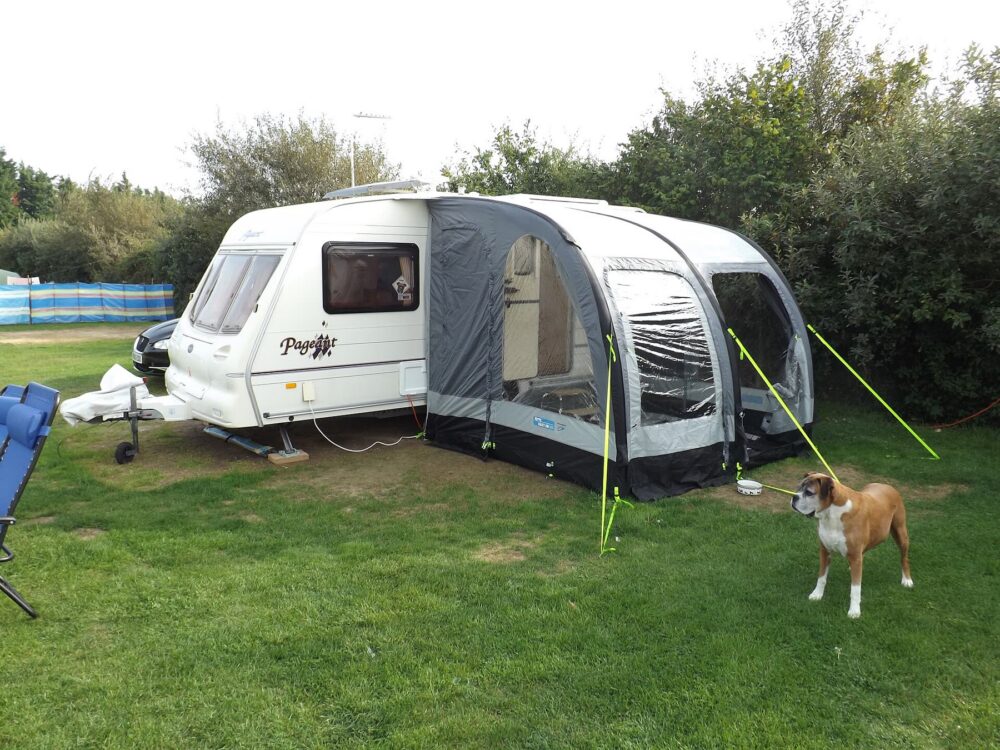
Durable but affordable caravan awnings start with solid fabric and frames, then strip out non-essential extras. For most US buyers, a basic porch or roll-out awning in sturdy polyester or vinyl-coated canvas gives reliable shade at a mid-range price. You then add only the accessories you’ll actually use—storm straps, flooring, annex panels, and lighting—rather than buying an oversized kit. Small resellers can keep margins by choosing simpler designs, bundling accessories themselves, and picking sourcing channels where shipping and import costs don’t wipe out the savings.
Caravan specialists show how wide the price spread can be. Retailers like Caravan Megastore and Glossop Awnings list everything from compact porch awnings up through full and inflatable models. Budget porch and simple roll-out styles sit at the lower end, while large, branded full awnings and high-spec inflatable systems climb to premium pricing. Knowing which factors move you up or down that ladder is what protects your budget.
How Much Do Caravan Awnings and Accessories Really Cost?
The sticker price on an awning is only part of the story. Your total cost usually combines:
- The awning itself (canopy + frame or air beams)
- Shipping and handling
- Any customs or import fees for cross-border buys
- Accessory kits (panels, flooring, straps, lighting, storage)
On the product side, caravan awnings span a clear range. Specialist sites such as Caravan Megastore and Glossop Awnings show:
- Budget space-makers – porch awnings or simple canopies that extend the doorway area. These typically use lighter fabrics and fewer poles, so they’re cheaper but offer modest living space.
- Mid-range full awnings – canopy systems that run the full caravan length, creating a dedicated living or storage room. These add more fabric area and structure, raising cost significantly over porch designs.
- Premium inflatable and branded systems – awnings with air beams instead of poles, heavier fabrics, and brand-name extras. These sit at the high end, reflecting both material upgrades and brand positioning.
Accessories are a hidden budget driver. Stores like UK Camping And Leisure group common add-ons into:
- Side panels and doors
- Annexes or bedroom pods
- Storm straps and tie-down kits
- Carpets or groundsheets
- Lighting strips or lanterns
- Hanging organizers and storage
Some caravan and motorhome retailers, such as Premier Camping, sell awning-and-accessory bundles where the package price can be more efficient than buying each item separately. General marketplaces more often list components one by one, so your final spend depends on how many separate listings you add to the cart and what you pay for shipping each time.
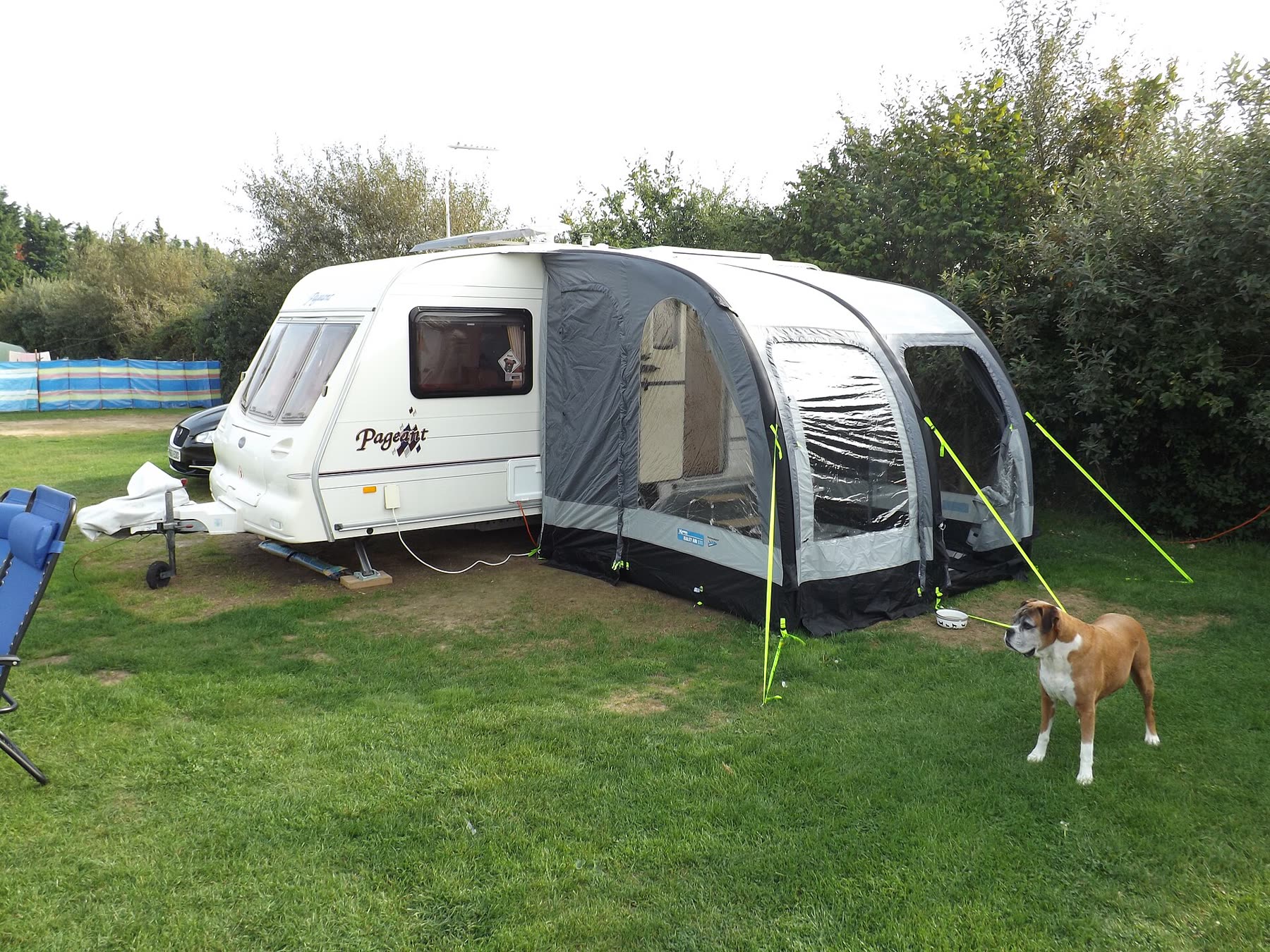
Why Similar-Looking Awnings Vary So Much in Price
Two caravan awnings can look almost identical in photos but sit in very different price brackets. The main tradeoffs:
1. Fabric weight and coating
Heavier-denier polyester or vinyl-coated canvas generally costs more than thin, basic fabrics but stands up better to sun, wind, and abrasion. DHgate’s own editorial guide to canopy tents highlights 600-denier polyester and vinyl-coated canvas as typical durable materials for outdoor canopies, noting that reinforced stitching and strong seams are critical to longevity. That logic applies directly to caravan awnings: heavier fabric and better stitching add cost but extend usable life.
2. Structure: poles vs inflatable beams
Specialist caravan retailers distinguish:
- Full framed awnings – traditional poles (steel or aluminum) provide rigidity. They’re durable but can be heavier and slower to pitch.
- Porch awnings – smaller framed structures that use fewer poles and less fabric, saving money but limiting space.
- Inflatable awnings – air beams replace poles, making setup faster and often improving wind performance, but the technology and materials push prices higher.
The more complex the frame or air system, the more you pay. Budget-focused buyers often accept basic pole frames to keep spending down and put their money into better fabric instead.
3. Brand, sizing, and included accessories
Awnings from major caravan brands and UK/EU specialists often carry a premium because they’re tailored to specific van models, come with detailed support, and sometimes include accessories (storm straps, drafts skirts, organizers) in the box. Generic awnings may be cheaper but need extra add-ons to reach the same usability.
For buyers and small resellers, the tradeoff is:
- Pay more up front for a branded awning that comes with compatible panels and straps.
- Buy a simpler awning and source accessories separately, which can be cheaper if you carefully choose only what you’ll use.
4. Shipping method and order size
Large full awnings and inflatable systems are bulky. Buying one unit domestically might mean reasonable shipping; importing several for resale introduces freight charges and possible import duties that can erase headline savings.
Order size matters:
- Single-unit US buyers usually win on local or regional suppliers where shipping is predictable and returns are manageable.
- Small ecommerce businesses ordering multiple awnings or accessory kits can justify cross-border freight if per-unit product costs drop significantly and logistics are planned carefully.
5. DIY canopy setups vs branded systems
DHgate’s editorial piece on DIY camping canopies describes budget-friendly setups built from tarps, ropes, poles, and stakes. For some RV and caravan owners, this is a real alternative: you can rig shade or a cooking shelter at lower cost than a full branded awning.
You trade off:
- Exact fit to the caravan side
- Fast setup and takedown
- Clean aesthetics and resale appeal
DIY canopies make sense for ultra-budget camping or temporary use, but they’re rarely ideal for a long-term caravan porch or for stock you intend to resell as a coherent product.
Quick comparison of awning types
| Awning type | Typical space gain | Relative price band | Key budget tradeoff |
|---|---|---|---|
| Porch awning | Small sitting/cooking area | Budget–mid | Lower cost, limited room |
| Full awning | Full-length extra room | Mid–premium | Much more space, higher fabric and frame cost |
| Inflatable awning | Similar to full/porch | Mid–premium | Easier setup, pricier air-beam technology |
Choosing the Right Sourcing Channel and Cutting Your Total Spend
Your channel choice—local RV supplier, UK/EU caravan specialist, or cross-border marketplace—can swing your total spend as much as the awning model itself.
Local and regional suppliers (US-focused)
For a single awning and a few accessories, local RV and camping stores or US-based online retailers are often the least complicated option. You pay a clear product price plus domestic shipping, and you avoid surprise import fees. This is usually the most budget-safe path for individual caravan or motorhome owners who value easy returns more than shaving off every last dollar.
UK/EU caravan specialists
Sites such as Caravan Megastore, Glossop Awnings, and Premier Camping illustrate the depth you get from dedicated caravan retailers:
- Clear segmentation into full, porch, and inflatable awnings
- Brand-specific fits for European caravan models
- Bundled accessory packages (panels, carpets, storm kits) that can be good value
For US buyers importing one or two units, shipping and customs may push these into mid or premium territory overall. For resellers serving niche caravan communities, though, the specialist fit and bundle pricing can justify the extra cost.
Cross-border marketplaces (including DHgate)
General marketplaces have thousands of canopy, tarp, and awning listings, often focused on standalone items rather than tailored caravan bundles. DHgate, for example, is one such marketplace where volume buyers can find:
- Generic canopies and sunshades in various deniers and coatings
- Storm straps, ropes, groundsheets, and lighting accessories as separate listings
This channel can make sense if you’re a small ecommerce business:
- Buying large quantities of accessories (e.g., storm straps, carpets, organizers) to bundle with locally sourced awnings
- Sourcing generic canopies to adapt into budget-friendly caravan shade solutions
Practical cost-cutting tactics
For US caravan/RV owners buying a single setup:
- Put most of your budget into durable fabric and a solid frame; accept a simpler design and fewer extras.
- Start with a porch or compact full awning, then add only the accessories you actually use (e.g., carpet plus one storm strap kit) instead of a maxed-out bundle.
For small ecommerce resellers:
- Use caravan specialists for a core awning line (porch or full) that your customers will trust.
- Source accessories in bulk—storm straps, carpets, organizers—from cost-efficient channels and create your own bundles.
- Model total landed cost, including import fees, with the same rigor you apply to product pricing; tools like this guide to customs and import fees can help frame the key questions.
Focusing your spending on the parts that actually affect safety and durability—fabric, structure, and a few well-chosen accessories—lets you stay on budget whether you buy one awning for your own caravan or stock a small online shop.