
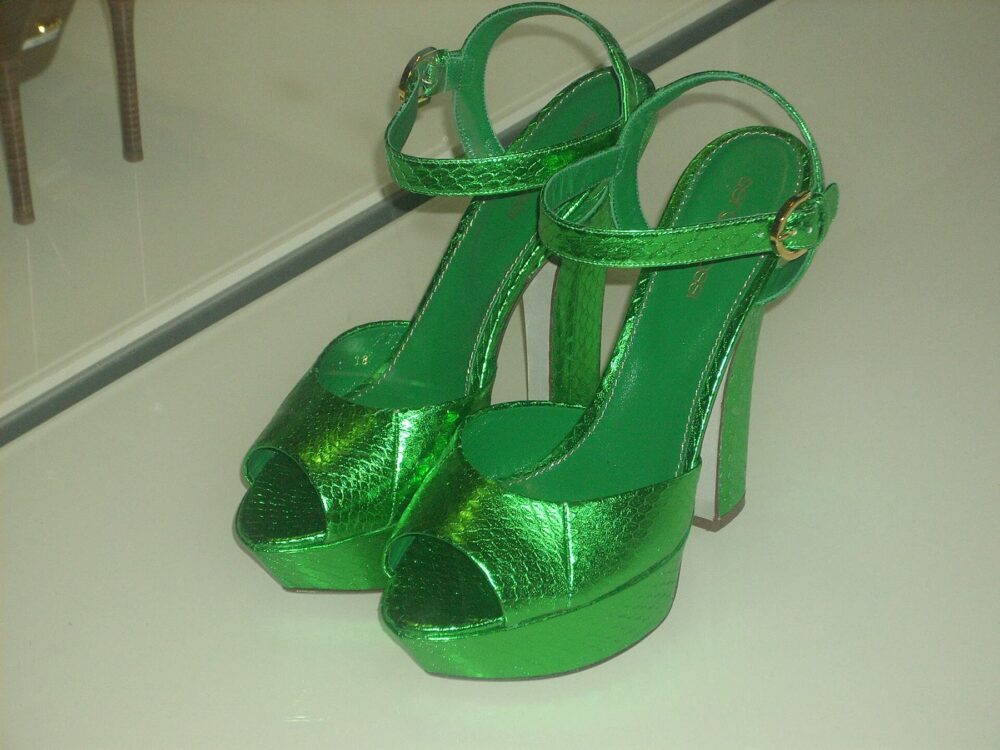
Green shoes can cost anything from a cheap fast‑fashion impulse buy to a premium designer statement, and the shade you pick (olive, lime, sage) quietly nudges you toward one end of that spectrum. For Canadian buyers and small ecommerce brands, your real spend isn’t just the sticker price — it’s product cost plus international shipping, currency conversion, import taxes and platform or payment fees. The smartest path is to lock in your target shade and use‑case first, then choose the channel (retail, marketplace, or wholesale) that matches your budget and risk tolerance.
Muted greens like olive, moss, and sage often show up in higher‑end fashion because they read as neutral‑leaning and versatile, while budget‑tier retailers lean heavily on bright or minty greens that pop visually but aren’t as nuanced. Fashion editors consistently describe shades like sage and olive as wearable everyday tones that pair well with basics, whereas brighter lime or neon greens skew more towards bold, casual or athleisure looks.“Shades of Green Similar to Sage”
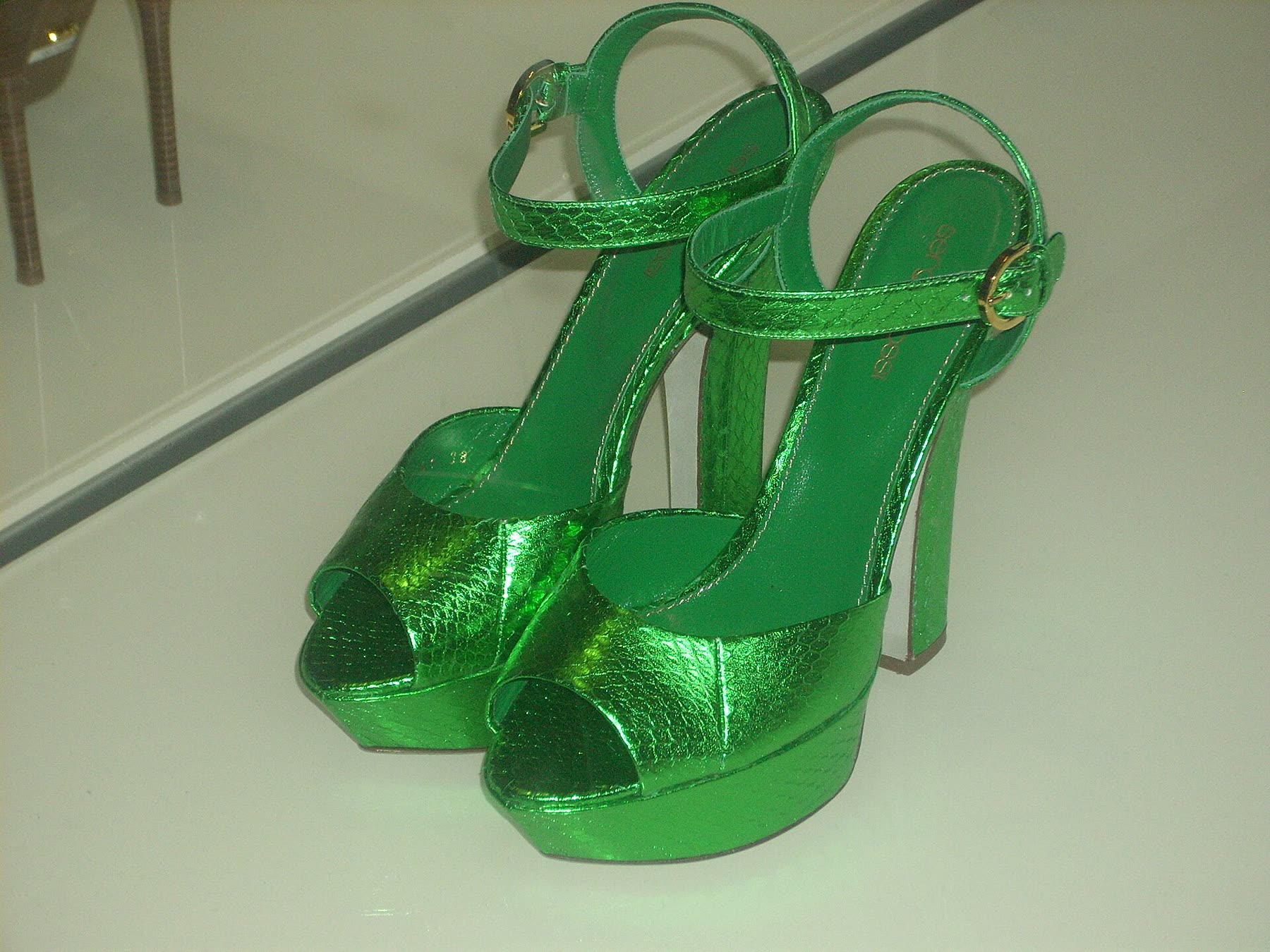
What Really Determines the Cost of Green Shoes
For Canadian buyers, the total landed cost of green shoes is a stack of line items:
- Product price. This reflects brand tier, materials, shade complexity and construction quality. Olive or sage leather loafers from a heritage brand will sit at a different level than lime canvas sneakers from a fast‑fashion label.
- International shipping. Cross‑border orders often add a separate shipping fee. Heavier materials like full‑grain leather or chunky soles usually mean more weight and a higher shipping cost than light fabric sneakers.
- Currency conversion. If you pay in USD, EUR or CNY, your card or payment provider may add a conversion spread and sometimes a foreign transaction fee.
- Import duties and taxes. Shoes shipped into Canada can trigger customs duties and sales tax. Whether you buy a single pair or a carton for your ecommerce store, those charges sit on top of the product and shipping price.
- Platform and payment fees. Marketplaces and payment processors may build fees into the price you see or charge them to you or the seller behind the scenes.
That’s why a “cheap” pair of lime sneakers from a foreign marketplace can end up close to the price of mid‑tier olive loafers from a domestic retailer once shipping and duties are added. Before you compare channels, mentally add those layers so you’re looking at true landed cost, not just the original price tag.
How Shade, MOQ, and Customization Change Your Price
Shade, order size, and any customization you request can all move your per‑pair cost.
Shade and fashion context
Editorial fashion guides on green clothing point out that lighter greens like mint and sage tend to work well for fair skin and casual, airy looks, while deeper olive and forest greens skew more formal or statement‑ready.“Choosing the Right Shade of Green” That pattern shows up in footwear too:
- Sage / soft moss: Often used by mid and higher‑end brands for sneakers and flats that behave like a neutral. Expect cleaner designs and more emphasis on materials.
- Olive / dark green: Favoured for dressier boots, loafers and fashion sneakers. These shades commonly appear in premium lines or designer collaborations.
- Lime / neon / bright mint: Common in budget and athleisure collections where impact matters more than subtlety.
You’re not locked into this, but if you’re sourcing bulk, understanding that olive and nuanced sage skew a bit more “premium” helps you predict where prices might sit.

Order size (MOQ) and per‑pair cost
If you’re a small ecommerce seller, your supplier may set a minimum order quantity (MOQ) for a given green shade. Larger runs typically reduce the per‑pair manufacturing cost, but they increase your total cash outlay and inventory risk.
- Ordering 12 pairs of olive sneakers in mixed sizes might carry a higher per‑pair cost than ordering 120 pairs in olive and sage combined.
- Some factories treat non‑standard shades (a very specific oil green, for example) as a custom color and push MOQ up.
Customization premiums
Custom work pushes prices up:
- Pantone‑matched greens (getting an exact sage or olive) can mean extra setup and dye testing.
- Branding and embellishments (logos on the heel tab, custom lace colors, special hardware) add labor and materials.
- Eco or vegan materials in green tones may cost more than basic synthetics, especially in muted shades that require more controlled dyeing.
For budget planning, assume that chasing a unique, highly specific shade or detailed customization moves you toward higher‑tier pricing; keeping to standard olive, sage, or lime used in the supplier’s existing palette keeps costs lean.
Choosing the Best Channel for Your Budget (Retail, Marketplaces, Wholesale)
You have three broad ways to buy or source green shoes. Each fits a different budget and risk profile.
Typical channels and what they’re good for
Fashion roundups of green apparel often highlight these as common shopping routes for green items in varied shades:
| Channel type | Examples (editorial) | Best for | Budget feel |
|---|---|---|---|
| Big marketplaces | Amazon, Etsy | Wide range of lime, mint, olive shoes across brands | From ultra‑budget to mid‑tier |
| Fast‑fashion retail | Zara, H&M | Trendy bright greens, occasional olive/sage styles | Low upfront price, high turnover |
| Mid/high‑end retail | Nordstrom, Anthropologie‑style boutiques | Nuanced olive, moss, sage from established brands | Higher price, more shade choice |
| Wholesale / B2B | Brand reps, factories, cross‑border marketplaces | Bulk orders for resale in specific greens | Lower per‑pair, higher total |
This isn’t an exhaustive list, but it reflects how buyers actually mix channels: cheap lime sneakers from fast‑fashion, an olive leather boot from a department store, or bulk sage slip‑ons from a wholesaler.
Where marketplaces like DHgate might fit
For bulk or budget‑focused sourcing of green shoes, cross‑border marketplaces are one option alongside direct factory relationships and platforms like Alibaba or AliExpress. DHgate, for example, hosts many independent sellers offering fashion items in varied green shades — from bright mint trainers to darker olive boots — often aimed at buyers looking for low per‑pair pricing or small wholesale lots.
- Compare multiple listings for your shade (olive, lime, sage) and style.
- Check seller history and review patterns for similar green footwear, not just overall ratings.
- Ask for clear photos of the actual shade under neutral lighting, plus material details.
If you’re weighing DHgate against other marketplaces or wholesale routes, it can help to look at a broader comparison of platforms like AliExpress, Alibaba and Temu: compare major marketplaces. For the customs and tax side of importing shoes into Canada, see this breakdown of customs, tariffs and import fees.
Practical Ways to Keep Costs Down Without Wrecking Quality
To keep your green shoe budget under control:
- Lock your shade and use‑case first. Decide if you need everyday neutral (sage/olive) or statement (lime/neon). This narrows channel choice: everyday neutrals often justify spending a bit more; ultra‑bright greens can be a safe place to save.
- Align MOQ to realistic demand. Small ecommerce shops should model sales before committing to large runs of a niche shade like oil green. A modest first batch protects cash and lets you validate how the color sells.
- Bundle colors for production efficiency. If a factory can produce olive and sage on the same run, your per‑pair cost may improve versus ordering each shade separately.
- Time purchases around seasons. Deep olive and forest greens often spike near fall/winter; mint and lime feel more spring/summer. Buying off‑season can sometimes mean better pricing from suppliers looking to clear stock.
- Use channels strategically. Buy one or two pairs of higher‑quality olive or moss shoes via established retailers to anchor your wardrobe or catalogue, then layer in cheaper bright green options from marketplaces or fast‑fashion for trend‑driven styles.
For bulk marketplace sourcing specifically, these tactics need to be paired with careful cost comparison. If you plan to add DHgate to your sourcing mix, the guide on finding wholesale suppliers on DHgate offers more detail on vetting sellers and structuring orders so your “cheap” green shoes stay cheap after they land in Canada.