
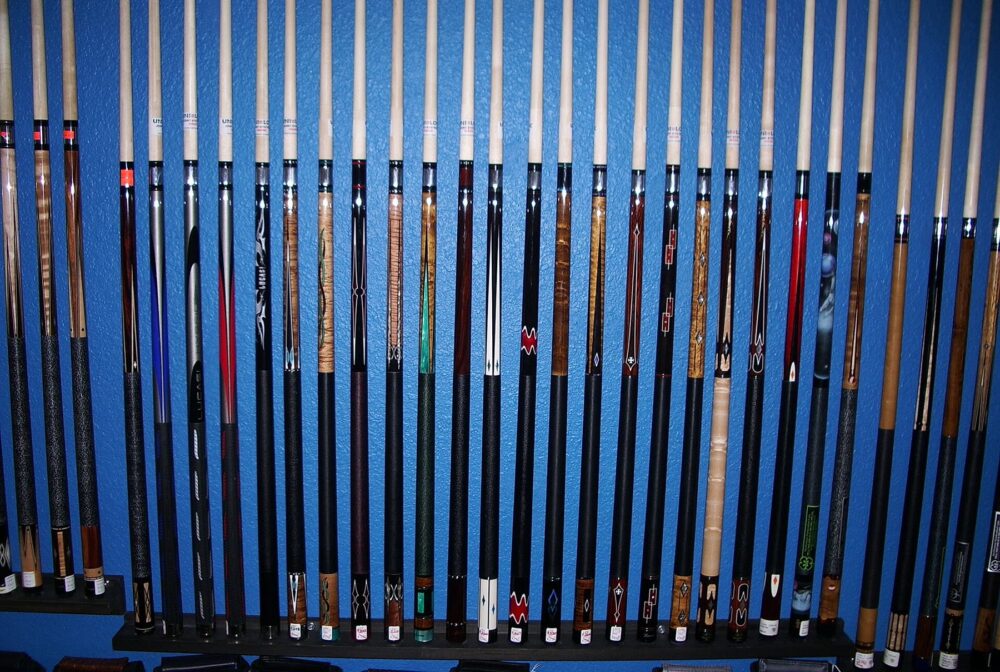
You can get a cue that’s good enough for league play without spending more than $300, but value depends on how you trade off materials, tech features, and where you buy. Under $300, you’re choosing between solid hard‑maple “workhorse” cues with basic cosmetics, some mid‑range sticks that add tech features like low‑deflection shafts, and branded budget lines aimed at casual and beginner players. Whether you’re buying a single cue or stocking a small shop, the smartest money goes into shaft quality, tip, and weight/balance—not flashy inlays.
Affordable pool cues in this range are budget‑friendly sticks designed for reliable performance without a big financial hit. They’re typically targeted at beginners, casual players, and value‑focused league shooters.
What Actually Makes a Pool Cue “Affordable” Under $300?
For most US buyers, “affordable” pool cues sit below the high‑end custom and pro‑tour sticks and focus on dependable construction over prestige branding.
Retail and editorial guides commonly frame budget and beginner cues under roughly $200, with many solid options stretching into the $100–$300 band as you add features or choose known brands. A page like Cue Pros’ budget beginner roundup shows plenty of starter cues under about $200, which matches what you’ll see at national retailers and specialty shops.
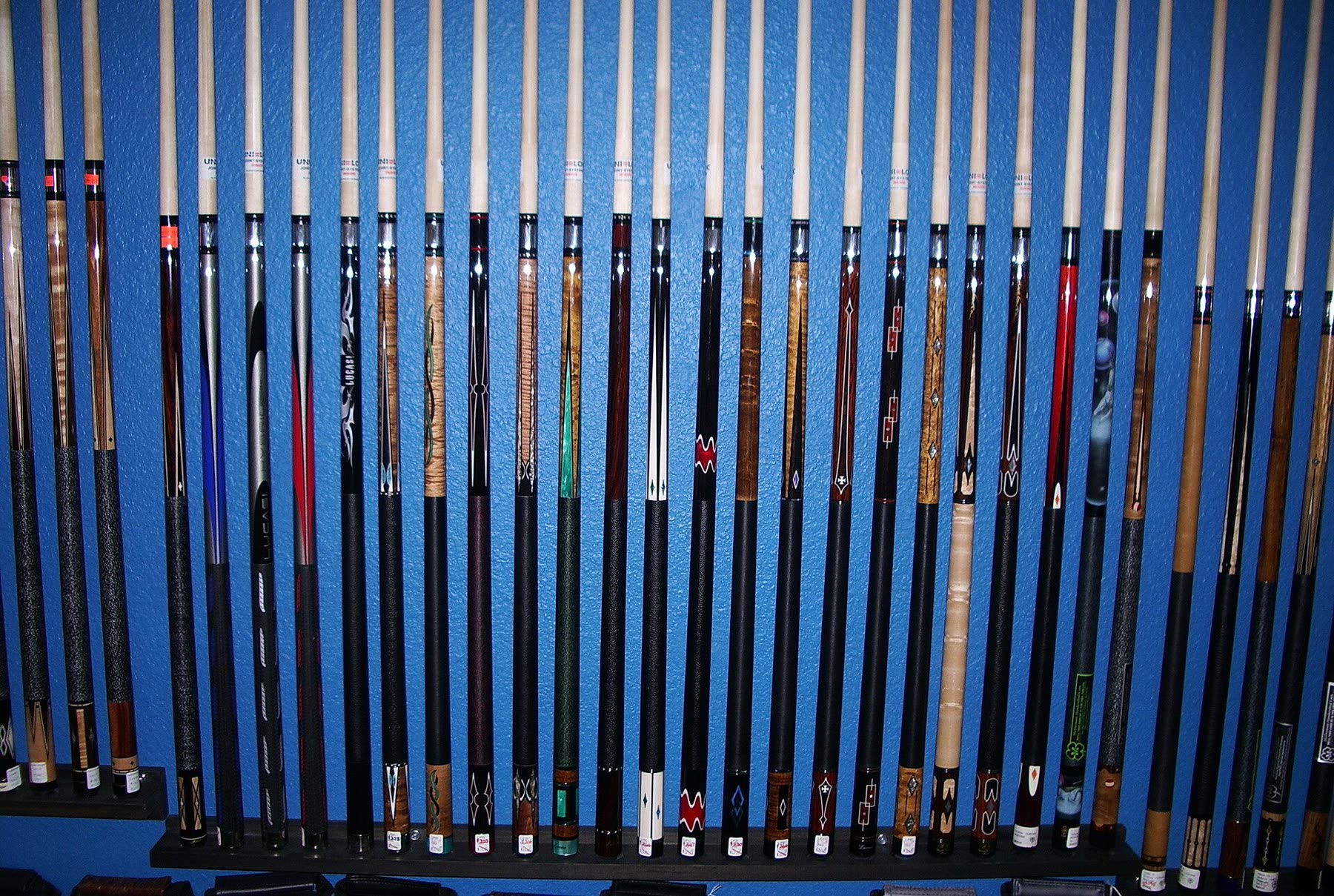
Here’s a simple way to think about price bands and what you usually get:
| Price band | Typical buyer | Common materials & features |
|---|---|---|
| Under $100 | Casual home players | Basic maple or mixed hardwood, glue‑on leather tip, simple wrap or none |
| $100–$200 | Serious beginners, league | Hard rock maple‑type shafts, better leather tips, more consistent balance |
| $200–$300 | Intermediate/league | Options like tech (low‑deflection) shafts, branded lines, nicer cosmetics |
Affordable cues in all three bands are usually built around hardwoods like hard rock maple and paired with leather tips, because that combination is widely used for durability and control.
Single‑cue buyers should mainly focus on getting a straight shaft, a decent leather tip, and a comfortable weight within their chosen band. Small resellers usually get better results by committing to one or two clear tiers (for example, sub‑$150 and $150–$300) so inventory and pricing are easy to explain.
Quick example: sub‑$100 vs. ~$150–$200
A sub‑$100 cue marketed as “cheap” might use a simpler maple shaft, a generic medium‑hard leather tip, and minimal attention to weight distribution. It can be fine for basement play, but you may feel more vibration and an inconsistent hit.
Step up to roughly $150–$200 and you’re more likely to see higher‑grade maple shafts, better‑specified tips, and wraps (like Irish linen) that improve grip and comfort. That extra spend doesn’t turn it into a pro cue, but it usually buys more stable construction and a smoother stroke—things you’ll notice as your game improves.
Why Some Cues Cost $80 and Others $250: Key Price Drivers
Brand names matter less than a handful of very specific features. These are the levers that move price up or down in the under‑$300 range.
1. Shaft wood and straightness
Hard rock maple and similar hardwoods are standard in durable budget cues because they resist warping and give a more predictable hit. Cheaper cues might still be maple, but with looser grade standards and less rigorous straightness checks. That lowers cost but increases the odds of a shaft that drifts or feels inconsistent.
As you move toward the upper part of the budget spectrum, more brands highlight North American hard rock maple or birds‑eye maple and a better finish. You’re paying for tighter quality control and lower defect risk, not just prettier grain.
2. Tip type and ferrule
The tip and ferrule are where your cue meets the cue ball. Beginner‑focused guides and editorial roundups often emphasize leather tips as a go‑to for new players because they offer controllable spin and hold shape reasonably well. Glue‑on tips are cheaper; higher‑priced cues may ship with more reputable tip brands and cleaner ferrule work, which helps consistency.
If you’re buying for a bar or rec room, a generic medium leather tip is fine. If you’re selling to league players, upgraded tips are a small but meaningful value add.
3. Low‑deflection and other “tech” features
Once you get into the mid and upper parts of the affordable range, you start seeing low‑deflection shafts and similar tech marketed more heavily. DHgate’s editorial blog, for example, discusses a Players Technology Series cue that combines a hard rock maple shaft with low‑deflection engineering as an “affordable” step‑up option.
These shafts are designed to cut down how much the cue ball squirts off line on side‑spin shots. That can genuinely help developing players—but the feature adds cost. If your budget is tight, ask whether you or your buyers actually care about low‑deflection, or whether you’d rather have more cues on the wall.
4. Wraps, joints, and cosmetics
Construction details like joint collars (often brass or stainless steel), ferrule material, and handle wraps (Irish linen, synthetics, or wrapless) all nudge price. A well‑made metal joint collar and quality wrap improve durability and comfort. Graphics, inlays, and exotic stains mostly alter appearance.
A league shooter who values feel and balance might pay more for a cue with a solid joint and a linen wrap but won’t care if the design is loud or plain. A casual buyer might be drawn to skulls or flame graphics and accept a simpler build. As a reseller, you can carry one “flashy” budget line and one more subdued, spec‑driven line to cover both tastes without overspending.
5. Branded budget lines
Some brands build entire catalogs around value cues. For instance, Quarter King lists many budget‑oriented Action pool cues designed specifically for affordability and variety in looks and weights. Action pool cues at Quarter King illustrate how a line can stay under roughly $200 while offering different cosmetic and wrap options.
Lines like these keep price down with standardized construction and volume manufacturing. You trade away customization, but you gain predictable specs and an easier story for customers: “This is our reliable budget series.”
Choosing the Right Buying Channel and Cutting Total Cue Costs
Cost isn’t just the cue’s sticker price. For US buyers and small ecommerce sellers, total spend includes shipping, possible import duties, and how many units you have to buy at once.
Single‑cue buyers: local retail vs. online specialty
If you’re just buying one cue for yourself:
- Big‑box and sporting goods stores: Simple cues, usually somewhere under $150, with limited choice but easy returns. Good if you care more about convenience than fine‑tuned feel.
- Online cue specialists: More variety in the $100–$300 band, clearer specs on wood, tip size, and weight. Editorial guides like Cue Pros’ beginner page can help narrow options.
Here, shipping is usually straightforward and built into domestic pricing. Focus your budget on shaft quality and comfort; paying extra for custom graphics rarely helps your game.
Small resellers: US distributors vs. cross‑border marketplaces
If you’re stocking a small shop or online store, channel choice has a bigger impact.
| Channel type | Typical pros | Typical tradeoffs for budget cues |
|---|---|---|
| US retail/online specialists | One‑off purchase, clear specs, simple returns | Higher per‑cue price, limited bulk discounts |
| US distributors/wholesale | Recognizable budget lines, domestic support | Higher unit cost than factory‑direct, but predictable shipping and no direct import handling |
| Cross‑border marketplaces | Access to overseas manufacturers, wide range of budget cues | Need to manage international shipping, potential import duties, and quality variation |
- US distributors/wholesale: You buy recognizable lines (including budget series like Action) with stable specs and domestic support. Unit prices are higher than factory‑direct imports, but shipping is simpler and you avoid handling most import paperwork yourself.
- Cross‑border marketplaces: Platforms that connect you to overseas sellers can list many affordable cues and let you compare specs and designs in bulk. DHgate is one example of a cross‑border sourcing marketplace where budget‑oriented pool cues may be available alongside other gear.
With cross‑border marketplaces, your total landed cost isn’t just the listed cue price—it also reflects international shipping, possible customs duties or tariffs, and any platform or payment fees. Because policies and pricing change over time and vary by seller, buyers should independently confirm current product prices, shipping methods, estimated taxes, and any protections before placing orders. For a neutral overview of how duties and import fees work, you can review a breakdown like the one in this customs and import‑fees explainer and apply the same logic to your chosen marketplace.
Practical ways to keep cue costs down without hurting quality
For both individual buyers and small resellers, a few targeted tactics make a bigger difference than chasing the absolute lowest sticker price:
- Prioritize playing core over cosmetics. Spend on a straight hardwood shaft, a decent leather tip, and weight that feels right in your hand (or your customers’ hands). Accept plain designs if that keeps the cue under budget.
- Pick a clear price tier and stick to it. If your ceiling is $150 for personal use, skip reviews of more expensive cues altogether and compare only within your band. For resale, decide whether you’re the “under‑$150 budget shop” or the “$100–$300 league gear” shop.
- Use budget lines as your backbone. Stock or buy from clearly labeled value series—like branded Action‑type cues or other entry lines—then layer a few higher‑feature sticks on top, instead of sprinkling random models across price points.
- Bundle shipping intelligently. If ordering multiple cues—domestic or cross‑border—treat them as a single shipment when possible so freight cost per cue drops, but stay aware of customs thresholds that can trigger higher import fees.
If you keep your focus on materials, comfort, and channel choice rather than chasing brand prestige alone, an affordable pool cue under $300 can deliver the performance most US players and budget‑minded resellers need.