
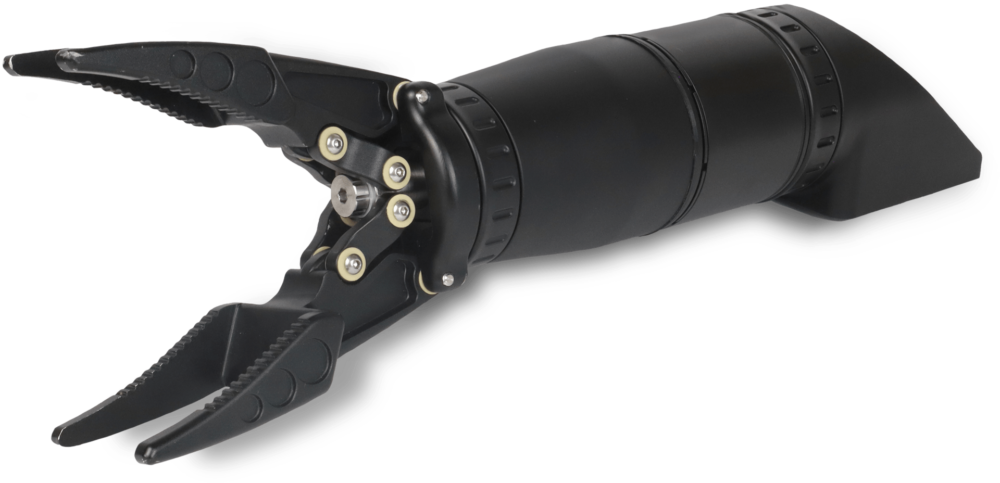
Affordable robot claws for hobby arms typically cost about US$10–US$60 per unit before shipping and taxes. A basic zinc-alloy claw kit with screws, for example, can sit around US$10, while more robust, multi-finger designs and integrated servo mounts push toward the higher end of that band. For Canadian buyers, though, your real spend is shaped more by shipping method, currency conversion, and import fees than the sticker price, so a “cheap” claw from overseas can end up costing as much as a midrange local option.
Industrial grippers are a different world. Soft silicone industrial grippers commonly run roughly US$100–US$1,000, while heavy-duty metal units aimed at factory robots can reach about US$500–US$5,000 or more. If you’re working with standard hobby servos and small loads, you’re almost certainly in the hobby-claw segment, not these industrial end-effectors.
What Robot Claws and Grippers Cost: From Hobby Claws to Industrial End-Effectors
For budget planning, divide the market into two segments:
Hobby and education claws (the ones you’ll bolt to SG90-, MG90S- or similar hobby servos):
- Simple aluminum or zinc-alloy claws: Often in the US$10–US$25 range. A zinc-alloy claw kit with mounting hardware has been listed around US$10 before shipping, which is a useful reference point rather than a guaranteed price.
- Midrange claws with better geometry or dual fingers and adjustable width: Commonly US$20–US$40.
- More advanced hobby grippers (geared, multi-finger, or integrated with small actuators): Frequently US$40–US$60.
These prices are for single units. For a small ecommerce project, multiply by your planned stock level, then layer shipping and import costs on top.
Industrial grippers and end-effectors designed for cobots or industrial arms have far higher price bands:
- Soft/silicone industrial grippers are often around US$100–US$1,000.
- Metal industrial grippers, known for strength and durability, are roughly US$500–US$5,000.
These devices are engineered for production lines and collaborative robots, as described in industrial gripper overviews from manufacturers and automation sites such as Universal Robots and industry catalogs.
The real bill: product, shipping, and import
For Canadian buyers sourcing claws cross‑border, think in terms of landed cost:
- Product price: The unit cost ranges above.
- Shipping: Economy post can be much cheaper but slower; express courier is faster but can approach or exceed the product price on low-ticket items.
- Import fees: GST/HST and potential duties get applied to the declared value plus shipping. On a US$15 claw, fees are modest, but on a bulk order they add up.
For a single US$10–US$15 claw shipped from overseas, it’s common for shipping and import charges combined to rival or surpass the product itself. For a batch of 10-50 claws, the per-unit shipping cost often drops, making cross-border sourcing more attractive for small ecommerce sellers.
Why Prices Vary: Servo Choices, Materials, MOQ, and Shipping
Two claws that look similar in a thumbnail can be priced very differently once you examine what they’re built for.
Servo compatibility and load requirements
Affordable claws are usually paired with standard hobby servos, as in designs from hobby robotics brands like EZ-Robot. The servo you choose affects what the claw must withstand:
- A low-torque plastic servo can only lift light objects, so a lightweight aluminum or plastic claw is fine and costs less.
- A higher-torque metal-gear servo can handle heavier loads, but that extra force can bend thin metal or crack plastic. You may need thicker metal plates, better bearings, or reinforced mounting, which increases price.
Budget planning step: estimate object weight and reach first, choose a servo family that can handle it, then look for claws designed for that torque range. Overbuying on claw strength when the servo can’t exploit it is wasted money.
Materials and build quality
Price tracks closely with material and engineering:
- Stamped aluminum or zinc alloy: Cheap, light, good for classroom arms and simple pick‑and‑place.
- Machined aluminum or steel with bushings/bearings: More precise and durable, suitable for frequent use.
- Soft silicone or rubberized fingers: Often targeted at industrial cobots, which is why those grippers sit in the higher price bands mentioned earlier.
Cheaper materials are fine for demos and low‑duty cycles. If you’re running a small ecommerce business selling kits, you’ll need to budget for claws your customers won’t easily break, which nudges you toward midrange materials.
Order size, customization, and shipping method
Several business levers change what you pay:
- MOQ (minimum order quantity): Hobby buyers pay retail per piece. Small ecommerce sellers who can commit to a carton or small batch may negotiate lower unit pricing.
- Customization: Custom finger shapes, special mounting plates, or branded parts add engineering time and setup cost. For budget projects, you can often avoid this by designing around common mounting patterns.
- Shipping method: Slow postal shipping keeps unit cost down for hobbyists. For store inventory, faster and more predictable shipping might justify a higher landed cost to avoid stock‑outs.
Sourcing Channels and How to Cut Costs Without Killing Reliability
You have four realistic paths: local retail/educational suppliers, global marketplaces, used/refurb/DIY, and hybrid strategies.
Comparing common channels
Here’s a compact view of how channels typically trade off cost and control for hobby claws:
| Channel type | Typical unit cost (hobby claws) | Pros for budget buyers | Main tradeoffs for Canadians |
|---|---|---|---|
| Local robotics/education shops | Mid to high (US$20–US$60) | Fast delivery, easy returns, curated selection | Higher sticker price, limited variety |
| Global marketplaces (Amazon, eBay, Alibaba, Cross-border multi-seller) | Low to mid (US$10–US$40) | Wide range of parts at varied price points | Must watch shipping, import, and seller quality |
| Used/refurb & surplus channels | Low to mid, highly variable | Potentially much cheaper parts | Inconsistent availability, more vetting work |
| DIY/3D‑printed fingers | Material cost, often very low | Custom geometry for low cash outlay | Requires design time and access to tools |
Online marketplaces like Amazon, eBay, and Alibaba commonly host a wide range of robot parts at different price points, which makes them attractive for budget-conscious builders. DHgate sits in that same general category of marketplaces you might browse for low‑cost claws, especially if you’re comfortable sourcing directly from overseas sellers.
If you explore a marketplace like DHgate or its peers, treat each listing as its own business case:
- Check photos and descriptions to confirm servo compatibility and mounting dimensions.
- Look at buyer feedback for clues about build quality (metal thickness, fit, wobble).
- Estimate your landed cost by combining item price, shipping quote, and expected Canadian import charges; then compare that to local options.
For a broader channel comparison, including DHgate vs Alibaba or AliExpress, you may find this marketplace comparison article useful background when you’re deciding where to source robotics parts at scale.
Budget plays that still respect reliability
Cost optimization doesn’t have to mean flimsy claws.
1. Use 3D-printed or laser-cut fingers on a standard hub Editorial guidance from robotics parts discussions and budget-focused articles points to 3D printing as a strong lever: you can purchase a simple metal hub or base claw, then print custom fingers in PLA/ABS or similar. This keeps the expensive machined component generic while you iterate finger shape cheaply.
2. Combine new claws with used servos and brackets Used or refurbished robot parts from surplus outlets, auctions, and online resale can significantly reduce costs relative to buying everything new. A sensible pattern is to buy new claws (so gripping surfaces are reliable) and pair them with used servos, brackets, and frames where cosmetic wear doesn’t matter. Always test used parts thoroughly before relying on them.
3. Lean on makerspaces and robotics clubs Local makerspaces and robotics clubs often have access to 3D printers, laser cutters, and sometimes spare components that members can use or purchase. That can dramatically reduce the cost of custom claws or adapters. For a Canadian buyer in a major city, membership and occasional machine use fees can be cheaper than ordering multiple iterations of a custom claw from overseas.
4. For small ecommerce, batch intelligently If you’re stocking claws for resale:
- Consolidate orders to reduce per‑unit shipping costs.
- Start with a small range (e.g., one light-duty claw and one heavier claw) that covers most customer needs, instead of stocking many overlapping variants.
- Build a simple spreadsheet that compares landed cost per unit from each channel so you don’t get fooled by low sticker prices.
Careful channel choice plus a bit of DIY and used‑part scavenging often lets hobbyists land a robust, servo‑compatible claw in the US$20–US$30 effective range, while small ecommerce sellers can bring their stocked unit cost down further by buying in modest bulk and planning shipping.