
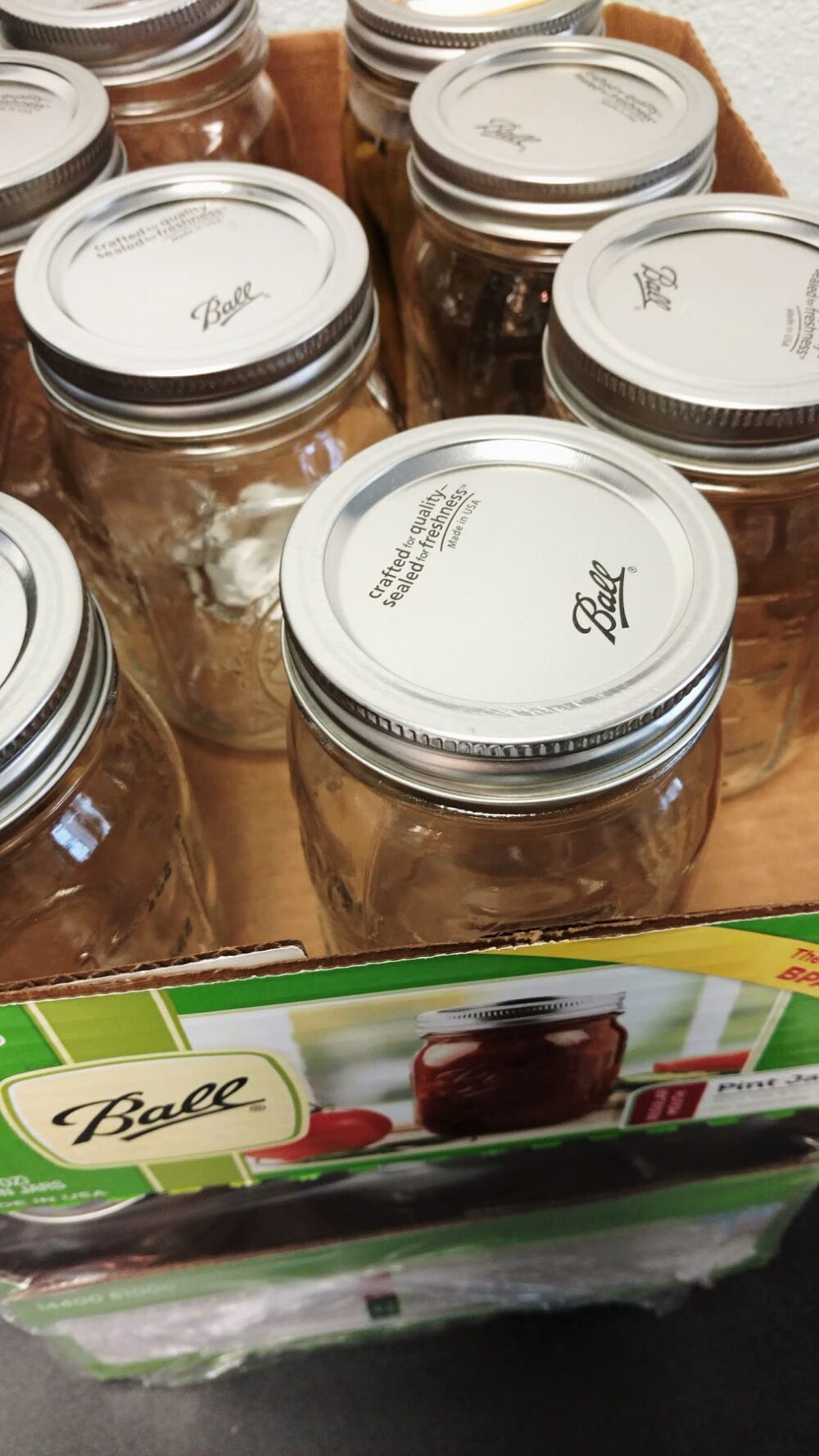
Canning lids in Canada look simple—a metal disc and a band—but their cost adds up fast when you’re filling a pantry or stocking an online shop. You’ll usually get the best balance of cost and safety by treating Bernardin as the baseline for sizing and reliability, then using mainstream alternatives like Ball, Superb, ForJars, and Canadian wholesalers to lower your per‑lid price. The big levers are pack size (12-50 vs 100-1000), timing (off‑season vs harvest rush), and choosing the right channel—local retail for convenience, domestic wholesale for bulk, and only selective cross‑border buying when the math still works.
What Actually Makes Canning Lids Expensive (or Cheap) in Canada
A canning lid is typically a metal disc with a sealing compound plus a separate metal band that holds the disc during processing and helps create the airtight seal.Canning lids overview on Walmart.ca That sounds simple, but several components feed into your real per‑lid cost:
- Product and brand: Bernardin, Ball, Superb, and ForJars all sell compatible lids, but each brand prices its materials and manufacturing differently. Bernardin, for example, offers standard 70 mm and 86 mm wide‑mouth SNAP lid closures and sealing discs aimed at home canning.Bernardin closures
- Pack size: Small retail packs (often 12 or 50 lids with bands) have a noticeable packaging and distribution markup per piece. Larger packs or cases spread that overhead across more lids.
- Shipping inside Canada: If you’re ordering online, the carrier fee can easily be a bigger swing factor than brand choice. A single 12‑pack shipped to a rural address might end up more expensive per lid than a 100‑pack delivered to an urban depot.
- Cross‑border shipping and import costs: Once lids cross into Canada, you may face currency conversion, shipping surcharges, and duties or taxes. Those can erase apparent savings from a lower sticker price.
You can see the cost structure in real listings. A grocery‑style retailer like Storehouse Foods sells canning lids and bands in a 12‑pack format, clearly aimed at home canners topping up a season’s supply.Storehouse 12-pack Meanwhile, a business‑focused distributor such as Uline offers regular‑ and wide‑mouth lids in larger case quantities for Canadian businesses, which usually lowers the per‑lid cost but assumes you can use or resell hundreds at a time.
How Pack Size, Brand, and Seasonality Change Your Price per Lid
The jump from 12-50 lid packs to 100-1000 lid bundles is where budget‑minded buyers save the most.
ForJars Canada, for instance, targets home canners and small businesses with 100‑count regular‑mouth lid packs.ForJars 100-pack That format usually sits between grocery retail and true wholesale: you’re still buying consumer‑grade packaging, but your per‑lid cost is lower than a 12‑pack on a grocery shelf. The same brand also offers 1000‑count regular‑mouth bundles.ForJars 1000-count At that scale, the per‑lid price tends to drop again because packaging and fulfillment overhead are spread across far more units.
Superb Canning sells both regular and wide‑mouth lids online and via Canadian retailers such as Best Buy.Superb collection Those 60‑count packs give you a mid‑range option: more economical than a 12‑pack, but not as capital‑intensive as taking on 1000 units.
Here’s how those scenarios typically shake out in Canada:
| Buyer type | Typical pack sizes | Brand examples | Cost impact (editorial view) |
|---|---|---|---|
| Occasional home canner | 12-50 lids + bands | Storehouse Foods, Home Hardware, Bernardin | Highest per‑lid price, lowest cash outlay |
| Heavy home canner | 60-100 lids (discs only or with bands) | Superb, ForJars | Mid‑range per‑lid price, good balance |
| Small reseller | 100-1000 lids (often discs only) | ForJars 100/1000, Uline cases | Lowest per‑lid price, needs volume |
Seasonality is the quiet driver. Demand spikes during summer and fall canning season, which can tighten stock and reduce promo frequency on Bernardin and alternatives. If you have storage space, buying lids in the off‑season (late winter or early spring) and in mid‑size or bulk packs often yields better pricing and steadier supply.
For food safety, keep one line in the sand: pressure‑canned, shelf‑stable foods are not the place to experiment with unknown or untested off‑brand lids. For long processing times and high temperatures, stick to reputable manufacturers (Bernardin, Ball, Superb, ForJars) whose products are sold specifically for home canning.
Picking the Right Buying Channel: Local Retail, Canadian Wholesale, or Cross‑Border
For Canadian buyers, the main channel choice is less about brand loyalty and more about total landed cost and risk.
Local retail (grocery, hardware, mass merchants). Walmart.ca lists mainstream canning lids and bands in small packs for everyday shoppers.Walmart.ca canning lids Home Hardware sells wide‑mouth mason jar lids in a 50‑pack format geared to frequent home canners.Home Hardware wide lids These channels win on convenience, straightforward returns, and minimal shipping or import hassle. The tradeoff is a higher per‑lid price, especially if you only buy during peak season.
Canadian wholesale and specialty online. Brands like ForJars and Superb, plus distributors such as Uline, target bulk buyers and small ecommerce sellers with 60-1000‑count packs.Uline regular-mouth lids Here, you absorb more upfront cost and sometimes pay business‑style shipping fees, but your per‑lid cost typically falls, making this the sweet spot for cottage‑scale resellers or heavy home canners.
Cross‑border marketplaces and US sellers. Importing lids from US brands via their own sites or marketplaces can look cheaper at first glance. Once you add international shipping, currency conversion, and possible duties or taxes, many Canadian buyers find the savings disappear—especially on small orders.
If you are considering broader marketplace sourcing, it can help to first understand typical import cost components in more detail: this explanation of customs, tariffs and import fees breaks down the concepts, even though it isn’t specific to canning lids.
Practical Ways to Cut Lid Costs Without Cutting Corners
You don’t need a commercial operation to shop like one. These tactics apply whether you’re putting up a year’s worth of peaches or running a small canning‑supply sideline:
- Lock in your jar sizes and threads. Bernardin’s 70 mm and 86 mm closure formats reflect the two main Canadian jar mouth sizes.Bernardin closures Standardize your jars so you can buy larger quantities of matching lids instead of juggling multiple formats.
- Pick a sensible bulk level. For a busy home kitchen, 60-100 lids from Superb or ForJars are often the sweet spot—enough to get a lower per‑lid price without drowning in inventory.Superb lid collection If you’re a reseller with predictable demand, step up to 1000‑count bundles or Uline cases.
- Buy off‑season and watch Canadian promos. Big retailers and specialty sites sometimes discount canning supplies outside the harvest rush. A few minutes of price‑checking across Walmart.ca, Home Hardware, and brand sites once or twice a year can shave real dollars off your next run.
- Separate bands and lids if you can. Some suppliers sell discs and bands together (like the 12‑pack at Storehouse Foods), while others offer just lids. If your bands outlast your lids, buying discs alone can lower your ongoing cost.
If you later decide to explore overseas sourcing or multi‑platform buying for broader product lines, you can compare major marketplaces’ strengths and weaknesses in guides such as this neutral comparison of DHgate, AliExpress, Alibaba and Temu. For most Canadian canning‑lid buyers, though, the smartest move is simple: choose tested brands, buy the largest pack you’ll realistically use, and time your purchase before the season’s price spikes.