
Replacing a car remote key can feel wildly expensive or surprisingly cheap depending on how you do it. For many U.S. drivers, buying the right remote or key blank from an online parts retailer and paying a local locksmith to cut and program it often gives a good balance of price and reliability—especially for basic key fobs and transponder keys. Dealerships tend to cost the most but are sometimes your only realistic option for certain newer smart keys and factory remote-start systems. Small resellers usually get the best margins buying shells and low-cost parts in bulk online, then relying on local services for cutting and programming.
What Car Remote Keys and Replacement Parts Include—and What They Really Cost
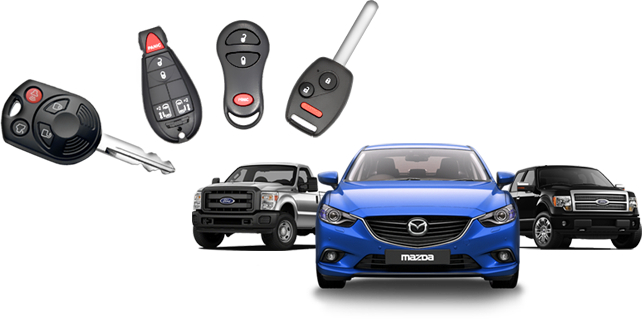
“Car remote keys” covers several different products, and each lives in a different budget band.
Key fobs (basic remote lock/unlock) These are the common plastic remotes with buttons for lock, unlock, trunk, and panic. Editorial research from the DHgate car remote guide suggests typical replacement fob hardware runs about $20–$100 depending on brand and features, before you pay anyone to cut a key blade or program it.
Smart keys / keyless entry systems Smart keys use proximity sensors so your car unlocks and starts when the fob is nearby. They tend to be much pricier, with common ranges around $100–$500 for the key itself, varying by automaker and features. Programming is often more complex and can push the total bill higher than the hardware alone suggests.
Remote start systems Add-on or factory remote-start setups let you start the car from outside—for warming it up in winter, cooling it in summer, or just convenience. Typical systems fall roughly in the $200–$800 range for the hardware, and they usually need professional installation. That labor is a separate line item from the remote itself.
Shells, cases, and basic parts
- Replacement shells/cases: just the outer plastic housing when your buttons wear out or the case cracks. Often budget-priced compared with full remotes.
- Key blades: the metal part that actually turns in the ignition or door; usually cheap as a blank, but cutting adds cost.
- Buttons, rubber pads, and small internal parts: niche but useful for refurbishing.
Batteries Most key fobs use coin-cell batteries like CR2025 or CR2032. You can buy them from major online retailers such as Amazon and Walmart, or at local stores like AutoZone or Home Depot. The DHgate battery overview notes that online platforms offer wide selection and reviews, while local stores give in-person help and easy matching. Prices are generally low per cell and vary by brand and pack size.
A key point for budgeting: hardware prices are only part of the picture. You almost always need to pay for cutting and programming unless your car supports DIY programming and you’re comfortable doing it.
Why Prices Vary So Much: Tech Level, Programming, Quantity, and Shipping
Two remotes can look nearly identical but cost several times apart. The big levers are:
1. Type of key and tech level
Simple key fobs tend to be cheapest; smart keys and remote-start systems are more expensive because they use more complex electronics and security protocols. The DHgate editorial ranges place fobs in the $20–$100 band, smart keys $100–$500, and remote-start systems $200–$800 as typical hardware ranges.
2. Where you buy and who programs it
Evidence from DHgate’s car remote replacement guide suggests dealerships usually charge more than locksmiths for remote replacement.Source They offer one-stop service—ordering the correct OEM remote, cutting, and programming it—but their overhead and brand-specific focus often mean higher fees overall.
Automotive locksmiths typically provide more affordable services.Source They can cut metal keys, program many common transponder and remote keys, and often work with a wide range of makes and models. Some may be limited on the newest or most complex smart keys.
The DHgate car key replacement article notes that online retailers can be the cheapest source for keys and remotes in terms of hardware.Source The catch: you still need a local shop to cut and program, and that extra step adds time and cost. If your local locksmith won’t program customer-supplied keys, a cheap online fob can become an expensive paperweight.
3. Programming complexity and DIY limits
Some older vehicles allow you to add a remote yourself using an ignition/on-off sequence from the manual. Newer cars, especially with smart keys, often require specialized diagnostic tools. That pushes you toward a dealer or advanced locksmith and increases the service portion of the bill.
4. Quantity and resale plans
Buying a single replacement remote is always more expensive per unit than buying a dozen shells for refurbishing or resale. Small ecommerce sellers who stock shells, buttons, and cases can spread shipping and any import costs across many units, pushing the unit cost down even if programming always happens locally.
5. Shipping and cross-border lead time
Domestic online orders for remotes or shells usually arrive in days. Cross-border orders (for example, from overseas marketplaces) can take weeks, and returns are slower and more complicated. That matters if a customer is stranded and needs a remote immediately. For urgent, stranded scenarios, the lowest sticker price often loses out to whatever gets a working key in hand quickly.
Choosing Where to Buy: Dealer, Locksmith, Online Retailers, and Marketplaces
There isn’t a single “best” place to buy a car remote key—there’s a best fit for your situation. Here’s how the main channels stack up from a budget perspective, based on DHgate editorial context.Source
| Channel | Best For | Typical Cost Pattern* | Key Limitations |
|---|---|---|---|
| Dealership | Newer cars, complex smart keys, remote-start systems | Highest total cost, but hardware + programming in one place | Often more expensive; may require appointments and proof of ownership |
| Automotive locksmith | Most everyday fobs, transponder keys, on-the-spot help | Typically more affordable services than dealership; hardware comparable | May not handle all smart keys or rare models; capabilities vary |
| Online parts retailer | DIY-friendly owners, common models, planning ahead | Often lowest hardware price; programming charged separately by local shop | Must verify compatibility; need a local provider willing to program |
| Online marketplace (bulk) | Small resellers buying shells/parts in quantity | Low per-unit shell/part cost; shipping/import spread over many units | Longer shipping; more work to vet listings and manage returns |
\*Patterns are editorial generalizations, not guaranteed prices.
Dealership If you drive a newer vehicle with a high-end smart key or factory remote-start, the dealership may be the only place that can program a brand-new OEM remote correctly. For older or simpler keys, they’re often a premium option rather than a necessity.
Automotive locksmith Locksmiths are frequently the most budget-friendly overall for everyday drivers. DHgate’s cost overview notes they generally offer more affordable and accessible services than dealerships, often with mobile, on-the-spot help.Source They typically charge less than dealerships for comparable work, though you should confirm they support your specific make, model, and key type.
Online parts retailers Buying a remote or key blank from an online retailer can cut hardware cost significantly, especially for common models.Source But don’t forget the local programming cost. A smart way to budget is to call a locksmith first and ask what they charge to cut and program if you supply the remote, then decide whether the online hardware savings justify the extra step.
Online marketplaces for bulk shells and parts For small resellers, multi-seller marketplaces—including DHgate—can be useful for sourcing non-electronic shells, cases, and basic parts in bulk. To keep risk and cost in line:
- Order small samples before committing to large quantities.
- Test fit and function on actual remotes.
- Treat marketplace inventory mainly as components and keep security-sensitive programming work local.
- Factor in customs and import fees; you can use resources like this tariffs and import fees explainer to understand how those charges affect your per-unit cost.
For stranded retail customers, buying remotes cross-border usually isn’t practical. For planned resale, it can make financial sense if you verify compatibility carefully and build local programming into your service offer.
Simple Ways to Keep Your Total Cost Down
A few targeted moves can keep your budget in check without compromising compatibility or security:
- Match the channel to the key type. Basic fob or transponder? Price‑shop between locksmith + online hardware. High-end smart key or remote start? Get quotes, but expect the dealer to be involved.Source
- Always ask about programming before buying hardware online. Confirm a locksmith or dealer will program customer‑supplied keys and what they charge. That call can save you from buying a remote no one will touch.Source
- Use shells and refurb parts for cosmetic damage. If your existing remote still works electronically, replacing just the shell, buttons, or battery is far cheaper than a whole new fob.Source
- Plan ahead and keep a spare. DHgate’s cost guide emphasizes that having a spare key on hand reduces the pain if a remote is lost or stolen.Source A second, non‑emergency key bought online and programmed at your convenience is almost always cheaper than replacing your only key when you’re locked out.
- For small resellers, buy in bulk intelligently. Focus cross‑border sourcing on non‑electronic shells and parts, test small runs, and keep actual electronics and programming as local services you or a partner provide.
If you treat hardware, cutting, programming, and shipping as separate budget lines, the most economical option becomes much clearer—and you’re less likely to end up paying dealership prices simply because you were locked out with no spare and no plan.