
For durable but affordable window blinds in Canada, most buyers should start by shortlisting faux wood, vinyl/PVC and aluminum. These materials are widely described as budget-friendly, moisture-resistant and easy to clean, so they hold up well in kitchens, bathrooms and rentals without the premium price of solid wood or custom fabric. Where you buy matters just as much: big-box stores offer convenience and predictable returns, Canadian blind specialists add fitting and installation, and cross‑border marketplaces can lower unit cost for bulk orders once you factor in shipping and import fees.
Cost Structure: What Actually Makes Blinds Expensive
Sticker price is only one part of what you actually pay for blinds. For Canadian home buyers and small ecommerce operations, the real cost usually includes:
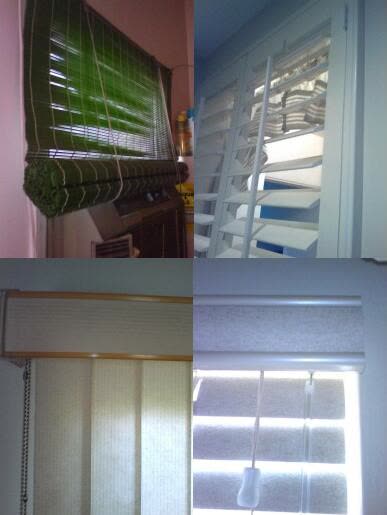
- Product price. The base price depends heavily on material and blind type. Slatted blinds in wood, faux wood, vinyl, aluminum or fabric, plus bamboo and cellular (honeycomb) styles, each carry different durability and cost profiles, as outlined in guides like Livingetc’s overview of blind types.
- Room conditions. Moisture‑prone rooms (bathrooms, kitchens, laundry) punish natural wood and some fabrics; durable budget choices here are often faux wood, vinyl/PVC and aluminum minis, which are widely recommended for humidity resistance.
- Energy and light control needs. Cellular (honeycomb) blinds are widely described as one of the more insulating blind options because their air pockets create a thermal barrier. That extra performance usually costs more upfront than basic vinyl slats.
- Installation and measurement. Off‑the‑shelf blinds from a big‑box store are cheaper than professionally measured and installed custom units, but mis‑measurements and remakes eat into savings.
- Domestic shipping or delivery. Buying from local retailers or Canadian blind specialists typically bundles shipping into the retail price or adds a delivery fee for large orders.
- Cross‑border shipping. If you import blinds from US or overseas sellers, international freight and parcel shipping can become a major cost, especially for bulky or heavy materials.
- Customs, duties and brokerage. Cross‑border orders may incur import duties, taxes and brokerage or handling fees charged by carriers or customs brokers.
- Currency conversion and payment fees. When you pay in USD or another currency, exchange rates and card/processing fees slightly raise the real Canadian‑dollar cost.
For a typical Canadian household, the sweet spot is a reasonably priced, moisture‑tolerant material in a standard blind style, bought through a channel that keeps shipping and fees simple.
Price Factors: Material, Order Size and Customization
Material vs. Durability vs. Budget
Here’s a compact way to think about the main blind materials before you start pricing channels:
| Material | Durability & Wear | Budget & Best Use |
|---|---|---|
| Wood | Strong and long‑lasting but can warp or swell in humidity; needs gentler cleaning. | Mid to high; good for dry, design‑focused rooms. |
| Faux wood (composite) | Very durable; often highlighted as resistant to warping and everyday wear. | Budget to midrange; strong value for living rooms/bedrooms. |
| Vinyl / PVC | Tough and utilitarian; widely recommended for bathrooms and kitchens. | Typically budget‑friendly; great for moisture‑heavy spaces. |
| Aluminum | Lightweight but sturdy; generally easy to clean and tolerant of occasional wet cleaning. | Budget; common in mini blinds for rentals. |
| Fabric & cellular | Fabric adds softness; cellular (honeycomb) offers relative insulation benefits via air pockets. | Ranges from mid to high; best where style or insulation justifies spend. |
This reflects general editorial guidance from home‑improvement sources and DHgate’s own blind‑material blog, which calls out wood, vinyl, aluminum and fabric as key options with distinct light control and insulation characteristics.
Order Size (MOQ and Volume)
Order size changes both unit price and risk:
- Single‑home purchases. You buy per window, often at full retail, but can spread spending over time.
- Landlord outfitting multiple rentals. A landlord replacing blinds across 10 rental suites can often save by standardizing window sizes and choosing a single faux wood or aluminum mini blind line that’s durable, easy to clean and cheap to replace. The savings come from buying in volume and reducing variety, not from cutting corners on material.
- Small ecommerce store. An online shop importing blinds to resell in Canada may negotiate minimum order quantities (MOQs) that trade flexibility for price. Committing to one or two core SKUs (for example, white faux wood and aluminum minis) simplifies inventory and concentrates discounts.
Customization and Features
Customization can improve fit and performance but usually raises cost:
- Custom sizing. Necessary for non‑standard windows, but expect higher per‑unit prices than off‑the‑shelf widths. The extra cost is often worth it if it avoids light leaks, returns and complaints.
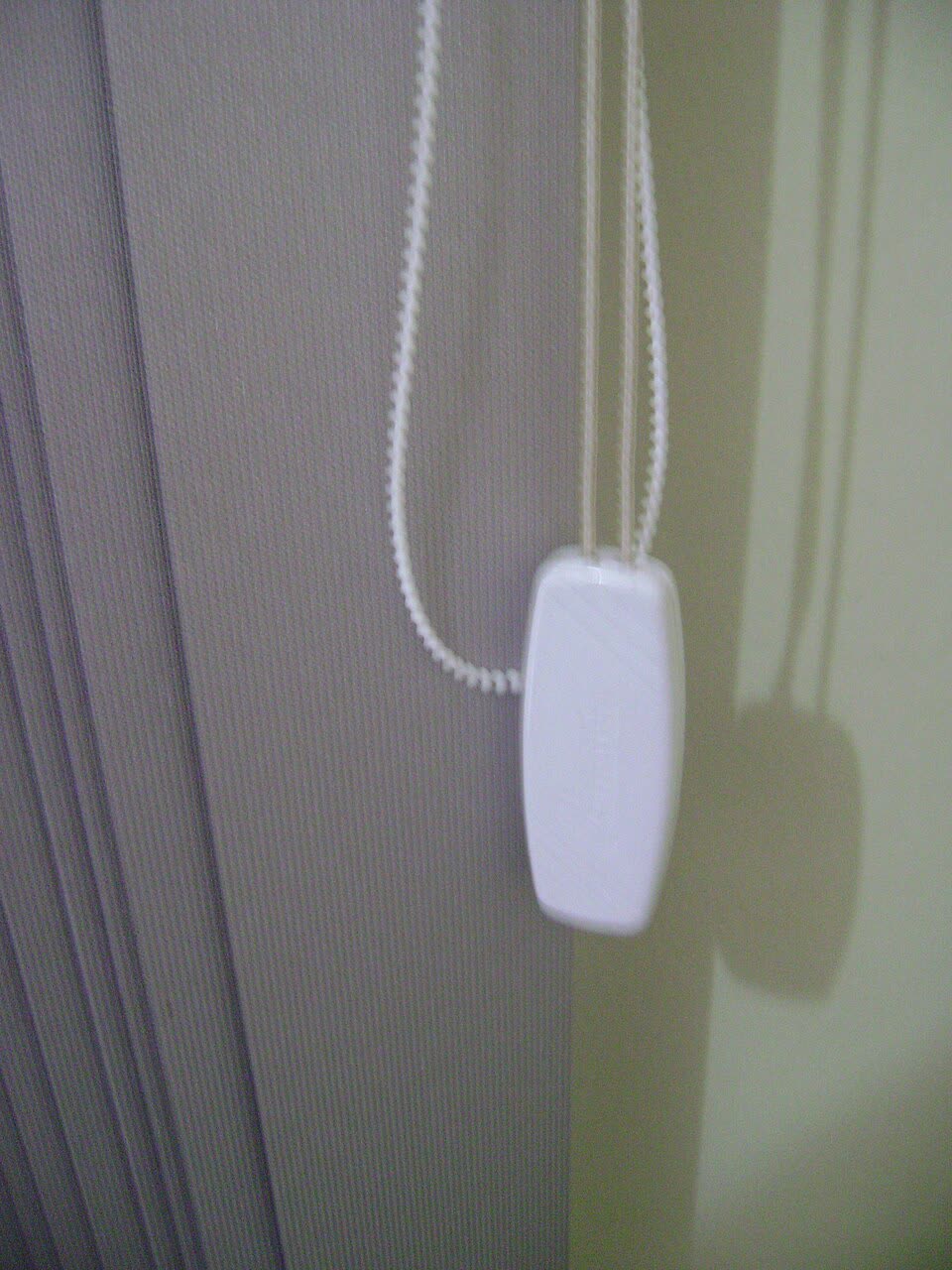
- Cordless vs. corded. Cordless mechanisms are often framed as a mid‑price safety and convenience upgrade. They suit family homes and rentals where dangling cords are a concern.
- Motorization. Motorized blinds quickly move into premium territory and make more sense where blinds are part of a higher‑end package or smart‑home setup, not a pure budget play.
- Fabric choices and blackout liners. Fabric blinds add softness and design flexibility but are harder to clean than vinyl or aluminum and better suited to dry living spaces. If you need blackout, choose materials specifically designed for that purpose rather than relying on standard slats.
For a durability‑first budget plan, keep customization simple: standard colors, standard controls, and reserve special features for one or two showcase rooms.
Cross‑Border Landed‑Cost Checklist
If you’re importing blinds for rentals or ecommerce, tally landed cost before you commit:
- Product price (per blind or per batch).
- International shipping (parcel, freight or courier).
- Customs duties and taxes applicable to window coverings.
- Brokerage or handling fees charged by carriers or customs brokers.
- Currency conversion and payment fees on your card or payment service.
Comparing this full total to Canadian retail or trade pricing gives a clearer picture of whether cross‑border sourcing really saves money.
Channel Comparison: Local vs. Cross‑Border Sourcing
Once you know your material and rough specifications, the big decision is where to buy.
1. Local Big‑Box and General Retailers
These stores are often the easiest place to get vinyl, aluminum and basic faux wood blinds:
- Pros: Immediate availability, clear returns, familiar brands; good for small projects where time and simplicity matter more than shaving every dollar.
- Cons: Limited customization and volume discounts; you pay the full retail markup that already includes logistics and import costs.
2. Canadian Blind Specialists and Installers
Local blind companies or window‑covering showrooms add measurement and installation:
- Pros: Better fit, guidance on materials for Canadian climates, and fewer measurement mistakes. More choice in cellular shades and fabric options, plus help matching light control to each room.
- Cons: Higher upfront cost. This channel makes the most sense for complex windows or when energy‑focused cellular blinds are part of a broader home upgrade.
3. Cross‑Border Marketplaces and Suppliers (Including DHgate)
If you’re a small ecommerce business or a landlord comfortable handling installation, cross‑border sourcing can be attractive for simple, repeatable orders:
- Marketplaces like DHgate act as sourcing platforms for many sellers offering wood, vinyl, aluminum and fabric blinds, echoing the material mix described in DHgate’s editorial blog.
If you try DHgate or another cross‑border marketplace, keep your checks specific to blinds and your business:
- Standardize specs. Decide on a small set of blind dimensions, materials and colors so you can compare offers on an apples‑to‑apples basis.
- Ask about materials and cleaning. Request details on composite type for faux wood, vinyl or PVC grade, thickness of aluminum slats, recommended cleaning methods, and whether the blinds are intended for humid environments.
For broader marketplace context, you can also look at high‑level comparisons such as this DHgate vs. AliExpress, Alibaba and Temu overview when weighing sourcing channels.
Cost Optimization: Protecting Durability While Saving Money
To keep your blind budget in line without ending up with flimsy products, focus on a few practical moves:
1. Assign Materials by Room
- Use vinyl/PVC or aluminum minis in kitchens, baths and laundry rooms where moisture and easy cleaning are critical.
- Reserve faux wood for living rooms and bedrooms where design matters but you still want a durable, affordable material.
- Use fabric or cellular shades selectively where softness or relative insulation justify a higher spend.
2. Standardize Where Possible
In multi‑unit housing or ecommerce inventory, design windows (or product offerings) around a small set of sizes and neutral colors. That lets you buy or import in volume, simplifies installation and makes replacements faster and cheaper.
3. Time Upgrades Around Larger Projects
If you’re already painting, replacing windows or doing an energy‑efficiency upgrade, you may be able to negotiate better terms with local specialists for blinds as part of a package—especially for higher‑cost cellular or custom fabric treatments.
4. Be Realistic About Insulation Gains
Cellular blinds do offer relative insulation benefits thanks to their honeycomb structure, but they are not a guaranteed fix for high heating bills. Treat them as one piece of an efficiency plan, alongside sealing drafts and improving windows.
For Canadian buyers and small ecommerce operations, the most durable budget strategy is simple: pick moisture‑appropriate, easy‑clean materials (faux wood, vinyl/PVC, aluminum) for most windows, use better‑insulating or design‑heavy options only where they genuinely add value, and compare total landed cost across channels before committing to a large order.