
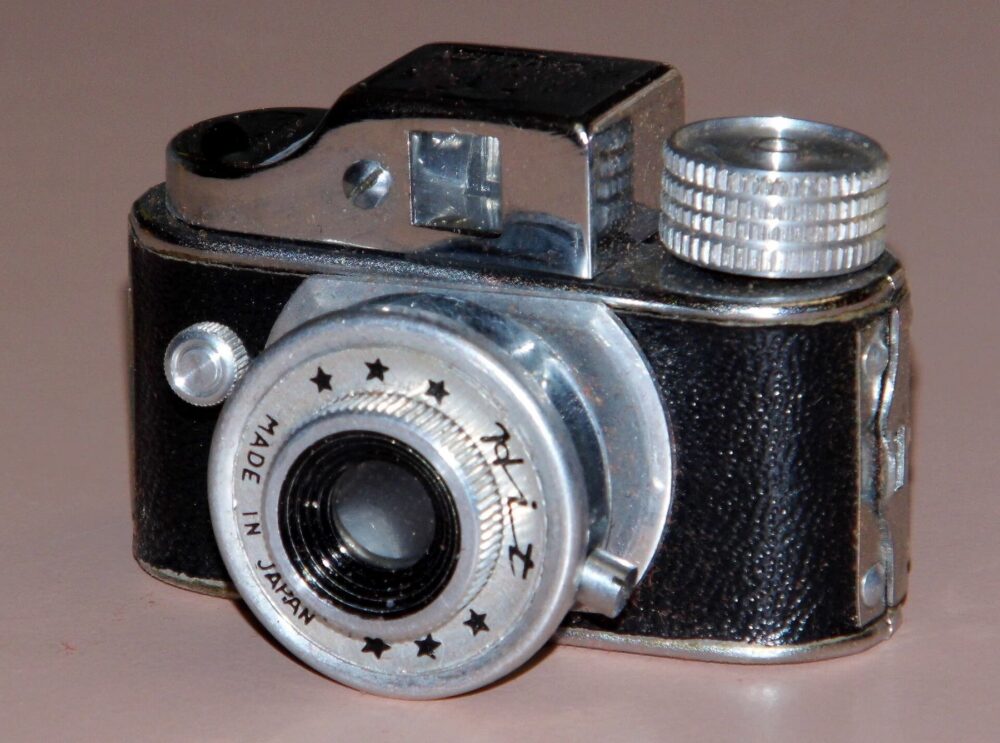
Miniature vintage cameras can be surprisingly affordable, especially if you treat them as decor or light collectibles rather than precision tools. Simple Hit-type and Mycro kits with their original cases are actively sold online as budget-friendly sets, while later mini 110-format cameras like the Kalimar Micro 110 are positioned as inexpensive curios. Working “spy” cameras such as the Minolta 16 line usually cost more and may need film hacks or repairs. For a Canada-based buyer or reseller, your real cost is sticker price plus shipping, possible import fees, and the risk that a camera arrives needing work.
What Counts as a Miniature Vintage Camera and What Does It Cost?
Miniature vintage cameras are typically small film cameras designed to be much more compact than 35mm bodies. Many are subminiatures that use film narrower than standard 35mm—often under roughly 16mm—originally marketed for portability or discreet photography. They sit in an interesting space: part historical tool, part novelty.
You’ll see a few common types online:
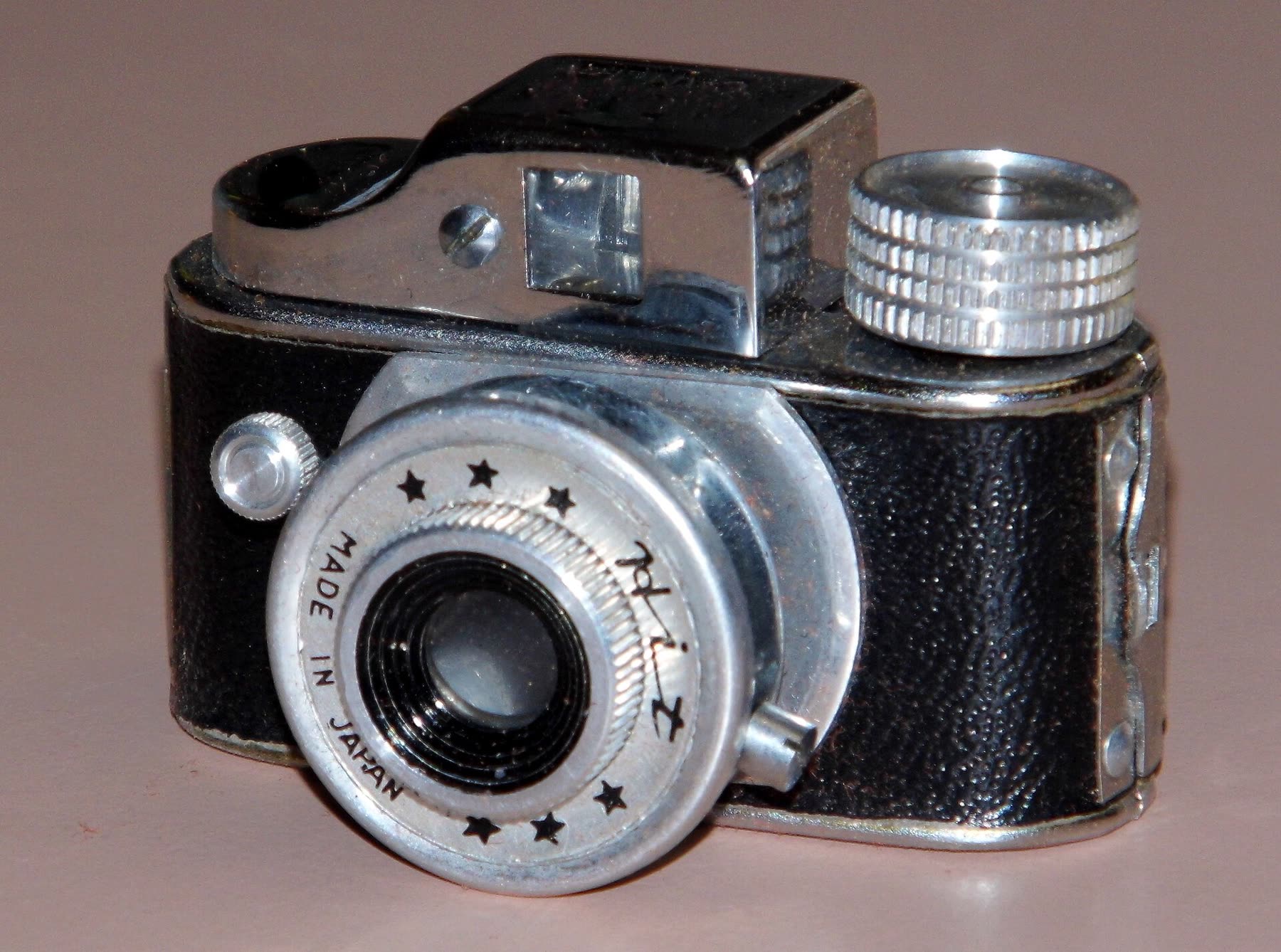
- Hit-type and Mycro subminiature kits – These Japanese-made cameras are often sold today as full sets with their tiny leather cases and accessories. Shops such as Expired Film Club sell Hit and Mycro kits as affordable collectibles rather than high-end antiques, emphasizing their charm over precision performance.
- Minolta 16 “spy” cameras – The Minolta 16 series used proprietary small-format film and was designed for discreet shooting. They show up regularly on marketplaces and vintage camera shops; for example, Minolta 16 bodies with original cases are listed on sites like Poshmark as vintage miniature film spy cameras.
- Kalimar Micro 110 and similar mini 110 cameras – Later, simpler designs like the Kalimar Micro 110 use standard 110 cartridges. Retailers present them as low-cost vintage curios and desk pieces rather than serious photographic tools.
In very broad budget terms:
- Hit/Mycro kits and mini 110 cameras often sit in the entry-level collectible band—cheap enough for decor, gifts, or impulse purchases.
- Minolta 16 and rarer subminiature systems can move into a mid-range collectible band, reflecting brand recognition, mechanical complexity, and film challenges.
For a small ecommerce seller, that gap matters. The first group is easier to position as decor with predictable margins; the second requires more careful sourcing, testing, and description.
Example mini formats and typical use
Here’s a high-level view of how these formats differ in practice:
| Camera type | Film format / size | How it’s usually sold today | Typical buyer use |
|---|---|---|---|
| Hit / Mycro subminiature | Very small roll film (<16mm) | Affordable kit with case and accessories | Shelf decor, light collecting, cosplay |
| Minolta 16 series | Proprietary subminiature film | Individual body, sometimes with original case | Enthusiast collecting, occasional shooting |
| Kalimar Micro 110 | 110 cartridge film | Inexpensive vintage curio or desk display piece | Desk decor, fun occasional shooting |
Why Miniature Vintage Camera Prices Vary So Much
Sticker price only tells part of the story. Miniature vintage camera costs swing widely because of several specific factors.
1. Cosmetic and functional condition
For vintage cameras generally, checking both appearance and operation is critical. Scratches, dents, fungus, stuck shutters, or damaged lenses are common, and many units need repairs before they’re practical to use. That extra repair risk is essentially a hidden cost—especially if you’re importing into Canada and returns are impractical.
2. Rarity and brand recognition
A generic mini 110 camera is easier to find and cheaper than a branded Minolta 16 with a matching case. Collectors pay a premium for well-known names, early-generation subminiatures, and complete sets. Limited-production variants, original packaging, and accessories (flash units, chains, paperwork) can all nudge prices up.
3. Film format and usability
Cameras that use somewhat accessible formats (like 110 cartridges) tend to be more attractive to casual shooters, even if image quality is modest. Others rely on obsolete subminiature rolls that require DIY cutting or reloading. Those often drift toward display-only pieces unless a specialist reseller proves they’re usable.
4. Mini vs full-size performance expectations
Mini cameras, as editorial coverage on compact cameras from DHgate’s blog echoes, are generally cheaper than full-size DSLRs or mirrorless systems, but they pay for that with smaller sensors or film frames and limited dynamic range. Translated into the vintage world, you’re paying for portability and style more than critical image quality.
5. Cross-border shipping and customs for Canadian buyers
If you’re in Canada, many attractive listings will be abroad: US, EU, or Japan. The cost drivers you need to budget for are:
- International postage (tracked vs untracked, air vs surface)
- Possible duties and sales taxes on arrival
- Currency conversion costs and payment fees
- Packaging quality (a small metal camera is heavy and can dent if packed poorly)
You don’t need exact rate tables to make a decision; you do need to treat these as real line items rather than an afterthought.
6. Repair and verification effort
An inexpensive Hit-type camera that doesn’t work may still function as decor or a photo prop. A pricier Minolta 16 that arrives with a stuck shutter is a different story. The time you spend arranging tests, repairs, or returns is part of your total cost—especially if you’re reselling and need consistent inventory.
Choosing the Best-Value Sourcing Channel and Cutting Your Total Cost
You have three main sourcing paths: specialist vintage shops, general marketplaces, and wholesale/cross-border platforms. Each trades off upfront price vs verification effort.
Channel tradeoffs in practice
Specialist vintage camera shops Shops dedicated to analog cameras often list detailed descriptions for subminiatures like Mycro, Hit, Tougodo, or Minolta 16 models. They may note shutter behavior, lens clarity, and film options. You typically pay more per unit, but you buy down some risk and research time—useful if you want a few reliable pieces rather than a bulk lot.
General marketplaces (Etsy, Poshmark, Kijiji, etc.) These platforms are rich in one-off finds:
- Etsy has both true vintage miniature cameras and camera-shaped decor pieces.
- Poshmark and similar resale sites carry listings such as “Vintage Minolta 16 miniature film spy camera” with case.
- Local classified sites like Kijiji in Canada can surface nearby deals where you can inspect the item in person.
Verification is on you: scrutinize photos, ask specific questions (does the shutter fire? any fungus in the lens?), and factor in the seller’s location for shipping and import cost.
Wholesale/cross-border marketplaces Large cross-border platforms are better known for modern mini digital cameras, camera-themed keychains, and accessories than for true vintage subminiatures. On a marketplace like DHgate, for example, you’re more likely to find new mini cameras or camera-themed items that complement a vintage-themed store rather than authentic 1950s Hit cameras. If you go this route:
- Treat listings as modern products; don’t assume a “retro” look means genuine vintage.
- Check seller photos and descriptions carefully before placing any bulk order.
- Keep shipping and potential import fees in mind; a low unit price can be neutralized by expensive logistics.
For larger sourcing questions across platforms, a broader marketplace comparison such as this overview of DHgate vs AliExpress, Alibaba and Temu can help you decide where each type of product fits.
Cost checklist for Canada-based buyers and resellers
Use this quick checklist when evaluating any miniature vintage camera listing:
| Cost component | What to look for | Why it matters for your budget (Canada) |
|---|---|---|
| Product price | Decor vs working camera; brand and format | Sets your baseline margin or hobby spend |
| Shipping | Country, method, tracking, packaging details | Cross-border postage can rival the item price |
| Duties/taxes | Item declared as collectible vs general merchandise | May add a significant surcharge on arrival |
| Condition/repair | Shutter, lens, corrosion, fungus, accessories | Repairs, parts, or write-offs eat profit quickly |
| Currency/payment fees | USD/EUR/JPY pricing, card/processor charges | Small fees add up on repeated imports |
Practical ways to keep your total landed cost down
For individual collectors in Canada:
- Start with decor-friendly pieces. Affordable Hit/Mycro kits or Kalimar Micro 110-style cameras are forgiving: if they don’t work perfectly, they still display well.
- Prefer nearby sellers when possible. A slightly higher Canadian or US price can beat a cheaper overseas listing once shipping and possible duties are added.
- Buy one tested camera before scaling. If you think you’ll shoot with subminiatures, test one Minolta 16 or similar model from a specialist shop before grabbing cheaper, riskier listings.
For small ecommerce businesses:
- Decide if you’re selling decor or functional gear. Decor can be sourced more aggressively on price because operation is secondary. Functional gear demands better testing and likely higher acquisition cost.
- Batch purchases within a region. Group orders from one country or seller to spread shipping across multiple units and simplify customs paperwork.
- Document condition honestly in your listings. Any repair you have to fund reduces margin. If you accept some defects, price and describe them transparently so you don’t end up in return disputes.
If you expect to import regularly, especially from outside North America, it’s worth reviewing a neutral explainer like this guide to customs, tariffs and import fees to understand which charges can appear on arrival—even though it’s not specific to cameras.
The bottom line for budget-focused buyers is simple: miniature vintage cameras can fit modest budgets, but the more you care about them working like cameras rather than looking like cameras, the more you should invest in condition checks and thoughtful channel choices.