
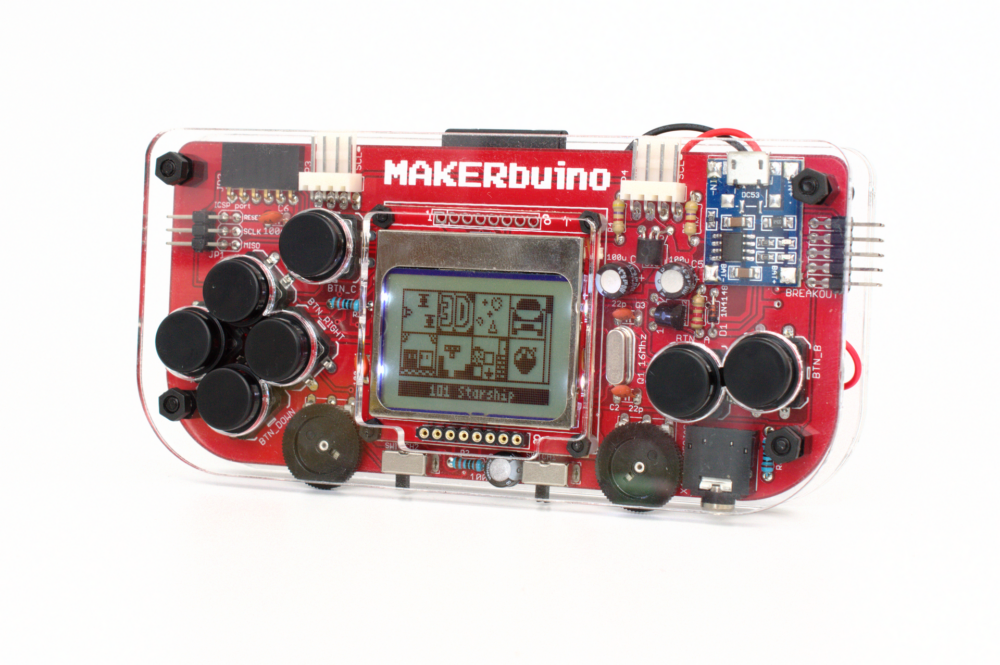
Yes, there are affordable brick-style handhelds and mini consoles that can run big retro game libraries. Basic “brick games” with simple LCD screens stay very cheap but only play built‑in titles. Modern brick-shaped emulation handhelds cost more yet can load many classic systems from an existing (and legally owned) library. For Australian buyers and small resellers, the real price is a mix of hardware, shipping, taxes and how you handle your game files.
What “brick” game consoles are and how their cost breaks down
The term “brick game console” isn’t a formal standard. In common use it covers two quite different categories:
- Traditional LCD brick games – the tall plastic handhelds popular since the 1990s with monochrome LCD screens and fixed games like Tetris or Snake. They’re ultra‑simple, often marketed as “999‑in‑1” style toys.
- Modern brick-style emulation handhelds – compact devices shaped like a brick or mini Game Boy that run multiple emulators. They often resemble the Trimui Brick family or small Anbernic/RG devices and can load ROMs from a microSD card.
Simple LCD bricks are usually at the bottom of the price ladder, often well under typical retro handheld pricing, because the hardware is minimal: low‑resolution screen, basic chipset, built‑in games only. Modern emulation handhelds sit in middle bands, alongside devices such as RG-series and Anbernic consoles that can run systems like NES, SNES, Game Boy and Sega Genesis.
For Australians, the total cost of a brick console typically includes:
- Hardware price – the handheld or mini console itself.
- Shipping and insurance – often significant for cross‑border orders from Asia or Europe.
- GST/import charges – depending on order value and how the seller handles tax collection; you should expect some uplift on the ticket price when importing.
- Game library costs – official downloads, collections, or storage media. If you already own cartridges or digital licenses, that can reduce spend relative to buying pre‑loaded devices.
If you’re sourcing for resale, multiply this by your order quantity and add packaging, local delivery and any marketplace fees on the Australian side.
Why some brick consoles stay cheap and others cost more
A lot of the price difference between “$10 brick game” and “serious retro handheld” comes down to capability.
1. Hardware and emulation power LCD bricks use very simple chips and only need to drive one basic screen and sound. That keeps manufacturing costs low but also locks you into their built‑in titles.
Emulation handhelds such as RG-series and Anbernic devices include better processors, more RAM and higher‑quality IPS screens. That lets them run multiple emulators for systems like NES, SNES, Game Boy, Game Boy Advance and Sega Genesis, but it also raises the bill of materials and retail price.
Trimui Brick devices illustrate this spread well. As covered in independent comparisons of the Trimui Brick, Brick Pro and Brick Hammer, each step up in the family adds features – higher resolution, more buttons, better performance – at a higher cost.Trimui handheld overview If you need smoother emulation for later 16‑bit games or more comfortable controls for resale customers, you’ll be looking at the higher end of this range.
2. Compatibility with your existing library If you want a handheld that works with games you already own, you’re effectively shopping for emulation capability and storage:
- Low‑end LCD bricks: only play their built‑in clones. They don’t load your ROMs or cartridges.
- Mid‑range emulation handhelds: often support multiple systems and take a microSD card, so you can add your own game files.
- Official mini consoles (NES Classic, SNES Classic, Genesis Mini): legally include curated built‑in libraries but are locked down by design.
Using your “existing library” raises legal and ethical questions. In most countries, downloading ROMs of games you don’t own is copyright infringement, even if a seller preloads them. This guide can’t give legal advice; the safe approach is to use ROMs you’ve dumped yourself from cartridges or to buy licensed digital classic collections.
3. Order size, customization and timing For small ecommerce businesses:
- MOQ and batches – very cheap bricks often require batch purchases to stay economical; per‑unit price drops, but shipping and upfront spend rise.
- Custom shells or branding – adding a custom case or logo to a Trimui‑style handheld increases your cost but can justify higher resale prices.
- Seasonal demand – prices and shipping delays around gift periods can squeeze margins; off‑season sourcing usually gives better quotes and more time for testing.
A quick comparison of brick console types
This table sketches cost and compatibility tradeoffs for three common device types.
| Device type | Typical cost band (editorial) | Game compatibility with your own library | Best suited for |
|---|---|---|---|
| Simple LCD “brick game” | Very low | No external games; fixed built‑in clones | Kids’ toys, impulse gifts |
| Trimui‑style emulation handheld | Low to mid | Loads multiple 8/16‑bit systems via ROMs | Personal retro play, small resellers |
| Official mini console (NES/SNES etc.) | Mid | Locked built‑in games; limited mods | Plug‑and‑play nostalgia at home |
These are qualitative bands, not guarantees. Real prices move with specs, brand and where you buy.
Choosing a sourcing channel and cutting your total spend
For Australians, sourcing cost is less about the advertised device price and more about which channel you use and how many hidden costs stack up.
1. Local retail and specialty shops Buying from Australian retailers or niche retro stores usually means higher sticker prices but lower risk. You get straightforward returns under local consumer law, no surprise customs charges and fast delivery. This route makes sense for a single handheld for personal use, or when you want official mini consoles with licensed game lists.
2. Pre-owned and discontinued hardware Pre‑owned retro handhelds and older consoles can be significantly cheaper than new ones and sometimes give you access to discontinued models that still have strong communities and custom firmware. Editorial guides on budget retro gaming point out that second‑hand consoles are a solid way to save money if you carefully check condition and seller reputation.Retro budget overview In practice, that means asking for clear photos, testing units on arrival, and making sure required cables and chargers are included.
For a small ecommerce seller, buying a small batch of pre‑owned devices locally can be a lower‑risk experiment than importing new hardware in bulk.
3. Cross-border marketplaces and wholesale If you’re chasing the lowest per‑unit cost or want access to specific models like Trimui Brick variants and RG‑style handhelds, you’ll likely look at cross‑border marketplaces and wholesale suppliers.
Marketplaces such as eBay, AliExpress and DHgate list many retro handhelds and mini consoles, including lower‑profile brands aimed at resellers.Retro handheld marketplace context A reasonable approach is:
- Compare device families and specs (screen type, supported systems, storage) across platforms, not just price.
- Treat each listing as its own risk profile: check photos, description detail, and external reviews of that model.
- Estimate landed cost by adding the advertised price, shipping, possible GST/import charges, and any payment or currency‑conversion fees.
If you plan to import a small batch for resale, run a simple scenario:
- Hobbyist: one Trimui‑style handheld from overseas may still be cheaper than local retail, but shipping and tax can wipe out a lot of savings.
- Small seller: a 20‑unit order at a lower unit price can make sense if you’ve tested a sample first and have a clear resale channel. The risk shifts from “will this one device be okay?” to “can I sell through before specs or tastes change?”
For deeper platform comparisons, especially if you’re weighing DHgate against AliExpress, Alibaba or Temu for broader sourcing, it’s worth reading independent marketplace comparisons such as this DHgate vs AliExpress vs Alibaba vs Temu analysis.
Practical ways to keep your brick console budget in check
To keep the numbers under control without ruining the experience:
- Match device tier to use‑case. If you just want casual play or novelty gifts, the cheapest LCD bricks are fine. If you care about your own ROM library and quality emulation, budget for a mid‑range brick handheld instead of buying the absolute cheapest option and regretting it.
- Prefer tested models over mystery clones. Stick to known families like Trimui Brick, Anbernic RG or documented mini consoles that have real user feedback and configuration guides. This reduces the chance of spending more later on replacements.
- Plan around Australian import friction. Before you order cross‑border, read an overview of customs and import fees for marketplaces such as DHgate so you’re not surprised by extra charges on arrival; the guide on customs, tariffs and import fees is a good starting point.
- Start small if you’re reselling. Test 1-3 units in real use, then a modest batch, before committing to large volumes or custom branding.
- Stay on the right side of ROM law. Build value around hardware quality, honest marketing and helping buyers use games they already own, not around unlicensed pre‑loaded libraries that could create compliance issues.
Budget brick consoles can absolutely give you an affordable way to enjoy or monetise retro gaming in Australia. The key is recognising that “brick game” can mean a $5 toy or a capable emulation device – and making your channel and quantity choices accordingly.