
Naviforce sits in the upper end of “cheap but decent” watches: stronger than a lot of no‑name fashion pieces, but still very much a budget brand. You can usually expect stainless steel cases, mineral glass, and quartz movements that keep reliable time, with extras like chronographs, date, alarms, or dual‑time displays on some models. Against rivals like Skmei, Naviforce tends to trade a bit of rough‑use toughness for more metal, leather, and fashion‑driven designs. For everyday office or casual wear, that’s good value; for hard outdoor use or long‑term resale, expectations should stay modest.
How Naviforce Positions Itself Among Budget Watch Brands
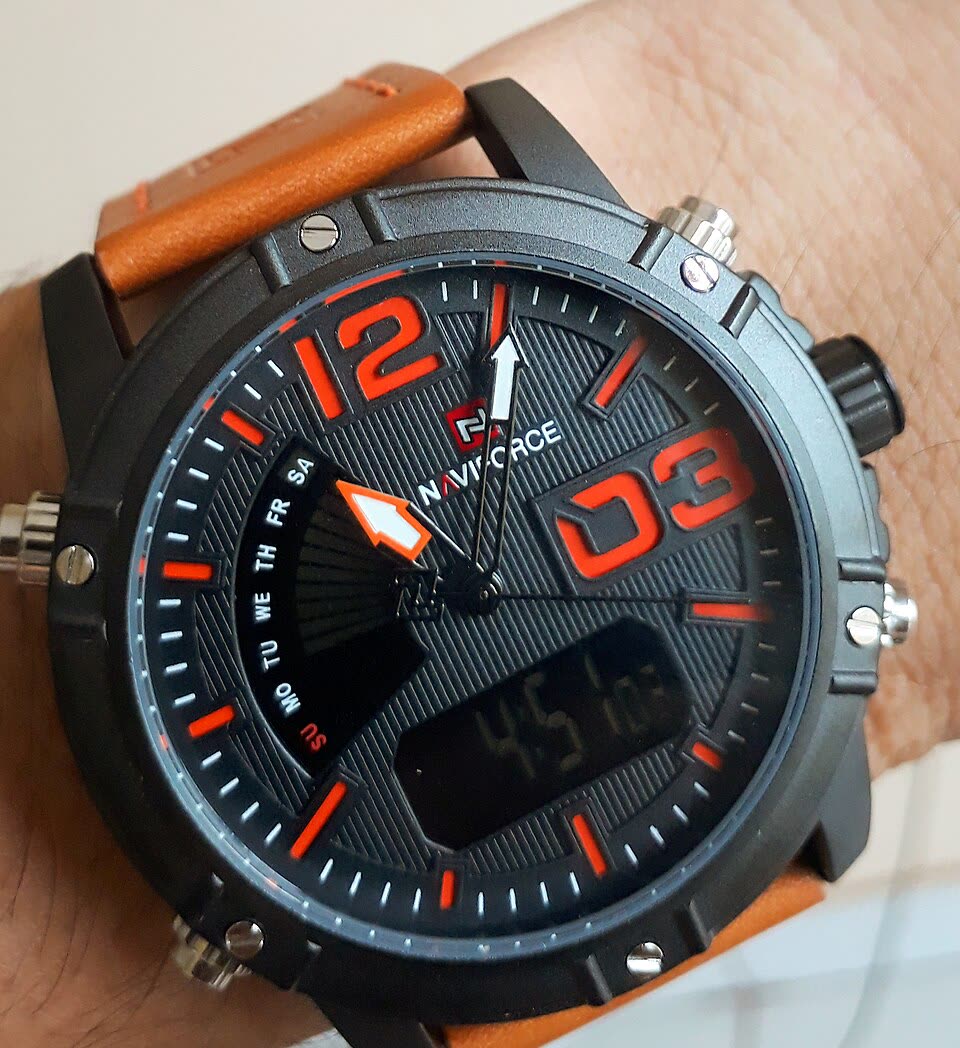
Naviforce is a Chinese watch manufacturer focused on affordable analog, digital, chronograph, and multifunction watches that blend style and functionality rather than true horological prestige.Naviforce’s official product catalog shows a wide spread of men’s and women’s pieces in modern, often military‑inspired designs.
Most models use stainless steel cases, mineral glass crystals, and leather or synthetic straps. That combination is typical of budget watches that aim for everyday durability: resistant enough to casual bumps and scrapes, but not in the same league as sapphire‑crystal or titanium‑case watches.
Power comes mainly from quartz movements, which are inexpensive to produce but generally accurate for daily wear compared with lower‑end mechanical movements. You’re not buying a collectible mechanical watch here; you’re paying for practicality and looks.
A useful way to compare Naviforce with other budget brands is to split your assessment into three buckets:
- Durability: case and crystal materials, strap quality, and realistic water resistance for day‑to‑day use.
- Features: basic timekeeping versus chronograph, alarms, dual‑time zones, and other bells and whistles.
- Value: how much style and functionality you get for a budget‑level price, and how that stacks up versus alternatives.
With that lens, Naviforce is clearly not a mid‑tier Swiss or Japanese competitor—but it does try to offer more design and multifunction appeal than anonymous low‑cost watches in the same price band.
Naviforce vs Other Budget Brands on Durability, Features, and Price
For Canadian or US buyers, the real comparison is Naviforce vs other Chinese budget brands (like Skmei) and vs mainstream entry‑level brands sold locally. The table below focuses on what you can reasonably expect.
| Brand/segment | Typical materials & build | Features focus (examples) | Durability expectation (editorial) | Value profile (editorial) |
|---|---|---|---|---|
| Naviforce | Stainless steel cases, mineral glass, leather or synthetic straps | Quartz movements; some models with chronograph, date, alarm, dual time zone | Solid for everyday office/casual use; not built for heavy abuse | Strong perceived value: metal cases, stylish designs, and multifunction at budget pricing |
| Skmei (budget) | Mix of plastic/resin and metal, cost‑efficient parts | Range from minimalist analog to sporty digital, many waterproof sports styles | Often decent rough‑use durability for the price, especially resin sports models | Very low cost; sacrifices some materials aesthetics for function and toughness |
| Mainstream entry‑level (big‑box fashion brands) | Stainless steel or plated metal, mineral glass, fashion‑driven straps | Simple analog or basic chronograph, few advanced functions | Comparable everyday durability, with brand‑level quality control in many cases | Higher price for brand name and store presence; fewer functions than Naviforce at similar look level |
This table is editorial judgment grounded in brand and materials descriptions rather than lab testing. Naviforce aims at the budget fashion segment where the watch is part accessory, part tool.
In practical terms:
- Durability: Stainless steel and mineral glass give Naviforce a more substantial feel than fully plastic watches. For office work, commuting, and light weekend use, that’s usually enough. For construction work, frequent impacts, or heavy sports, Skmei’s resin sports models may shrug off more abuse simply because they’re built as beater watches.Skmei’s materials focus highlights plastic and resin as cost‑efficient choices.
- Features: Some Naviforce models pack chronographs, alarms, dual‑time displays, luminous hands, and other multifunction elements.Editorial coverage of Naviforce notes these added functions as part of its appeal. Skmei leans more into pure function—stopwatches, backlit digital displays, and casual waterproof sport pieces—often with simpler styling.
- Style breadth: Naviforce’s catalog includes dress‑leaning models, military‑inspired pieces, and casual hybrids. Skmei has plenty of variety too, but more of it is unapologetically plastic/sporty. If you want a budget watch that still looks at home with business‑casual clothing, Naviforce usually fits better.
- Price tier: Both brands live in the budget arena and compete on affordability. The difference is where they spend those few dollars: Naviforce tends to invest in metal cases and fashion detailing, while Skmei leans harder on mass‑market, cost‑efficient materials.
Scenario callouts
Daily office wear, single watch: Naviforce is a good fit. You get a stainless steel case, mineral glass, and a design that doesn’t scream “cheap plastic,” with a quartz movement that keeps reliable time. Durability is adequate as long as the watch isn’t constantly scraped against hard surfaces.
Outdoor beater watch: A Skmei resin sport model or similar may be better. Plastic/resin can take scratches more gracefully, and many of those designs emphasize waterproof sports use.
Small ecommerce resale: Naviforce’s perceived value—”looks more expensive than it costs”—can appeal to fashion‑conscious buyers. That helps margins, but only if your customers understand these are budget fashion watches, not lifetime pieces.
Channel Choice and Sourcing Scenarios for Naviforce and Alternatives
Once you’ve decided whether Naviforce fits your use case, the next question is where to buy. Cross‑border marketplaces, brand sites, and local retailers all play different roles.
For personal buyers in Canada or the US, Naviforce often makes the most sense if:
- You want a budget watch that looks more like a metal fashion piece than a plastic sports watch.
- You’re comfortable with basic everyday durability, not expecting mid‑tier service life.
- You’re fine ordering from Chinese‑based online channels and waiting longer for delivery.
If you’d rather handle returns locally, pay in Canadian dollars, and have clearer brand support, mainstream entry‑level watches at local chains might be better, even if you lose some features or pay more.
For small ecommerce businesses, the calculus is different:
- Naviforce can work as a “step‑up” budget line: more polished than generic no‑name watches, still inexpensive enough to sit under premium brands.
- Skmei and similar brands can fill the pure low‑cost sport segment.
- You’ll need to manage customer expectations aggressively: these are stylish, functional budget watches, not heirloom pieces.
Marketplaces like DHgate list Naviforce and comparable budget brands as cross‑border sourcing options.Editorial coverage notes these brands in the context of affordable, stylish watches. If you explore that route, treat each listing and seller as its own decision: check how consistently they present Naviforce branding, look for detailed photos that match official designs, and avoid bulk purchases until you’re confident you’re not dealing with unlicensed or misrepresented stock.
If you’re comparing marketplaces more broadly for watch sourcing, it may help to step back and look at how platforms differ on seller mix and sourcing style; this comparison of major marketplaces gives a wider view.
When Naviforce is the wrong fit
There are clear situations where another route is smarter:
- You want proven long‑term durability for daily hard wear: consider established mid‑tier brands with stronger quality control and service networks.
- You’re building a watch store around mechanical movements and enthusiast buyers: Naviforce’s quartz‑first lineup won’t match that audience.
- Your brand promise is built on local warranties and fast, predictable returns: importing budget watches for resale may undermine that positioning.
Naviforce is strongest when you treat it as what it is: an affordable fashion‑leaning quartz watch brand that offers solid everyday performance and above‑average styling for its price, but still sits squarely in the budget tier.