
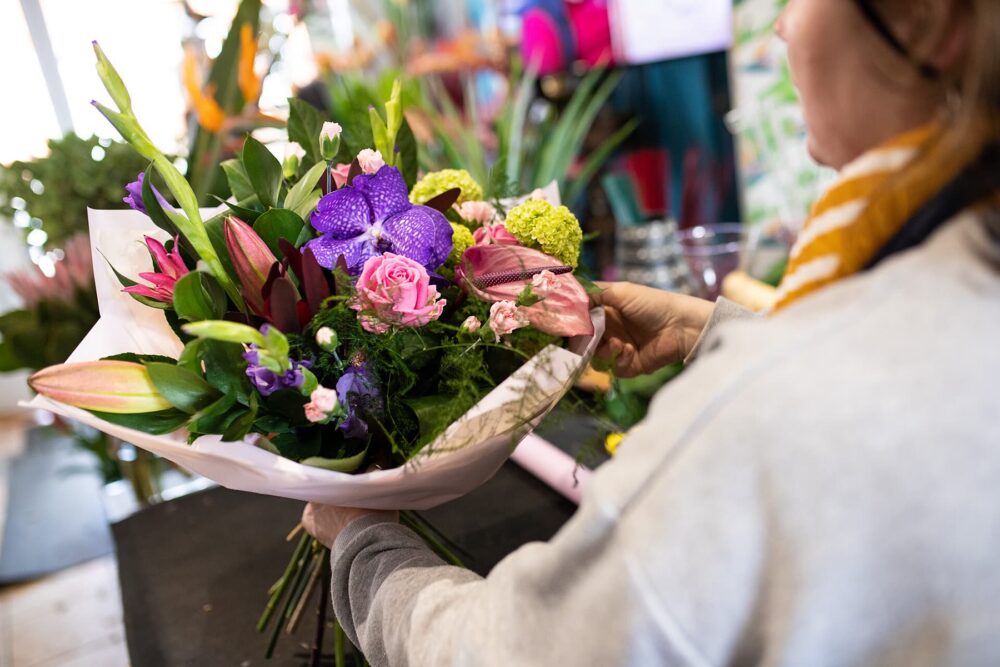
Affordable wedding flowers usually come from three things working together: simpler designs, budget-friendly blooms, and the right sourcing channel. If you match modest bouquets and centerpieces with flowers like baby’s breath, carnations, or daisies, and then choose the right mix of local florist, DIY bulk order, or marketplace for each piece, you can cut your floral spend dramatically without making the wedding look cheap.
This guide walks through what actually drives the bill, how your choices change the price, and how couples and small event/ecommerce businesses can pick the best channel for their budget.
What Really Makes Wedding Flowers Expensive—or Affordable
Wedding flowers aren’t just stems and vases. You’re paying for product, labor, service, and delivery.
Product (the flowers themselves). Fresh flowers are usually priced per stem or per arrangement. Premium, high-demand blooms like peonies or garden roses often sit at the top of the price range, while widely available varieties tend to be cheaper. Research compiled by sites like WeddingStats shows that some flowers are consistently more affordable across many weddings than trendier premium options.
Labor and design. You also pay for the florist’s time: designing your look, sourcing, conditioning flowers, and physically building bouquets, centerpieces, arches, and installations. According to the florist breakdown on AreaCosts, wedding work typically ranges from a few hundred dollars for simple packages (basic bouquets and boutonnières, limited customization) up to several thousand dollars for full-service events with complex custom designs and onsite setup. The more pieces, revisions, and on-site styling you need, the more labor you’re buying.
Service level. Costs change based on how much hand-holding you want:
- “A la carte” or designer’s-choice packages where you pick colors and general style, and the florist chooses seasonal blooms, can sit near the lower end.
- Full-service wedding studios that handle design meetings, mockups, venue walkthroughs, teardown, and repurposing flowers usually charge more, even if the stems are similar.
Delivery, setup, and logistics. Transporting fragile arrangements, setting them up, and sometimes returning for teardown add fees. For a local florist, this can be a meaningful portion of the quote. For DIY bulk ordering, you trade those service fees for your own time, tools, and transport.
If you’re trying to trim the budget, the biggest levers tend to be: flower types, design complexity, number of pieces, and how much professional service vs DIY labor you use.
How Flower Choices, DIY Effort, and Timing Change Your Price
Once you understand the cost components, you can start moving the price with specific decisions.
1. Flower types and design style
Guides like Hitched’s budget flower overview emphasize a simple pattern: in-season, widely available flowers usually cost less than imported or out-of-season varieties. If you insist on a flower that isn’t locally in season, sellers often must import it, which can drive up both the stem and freight cost.
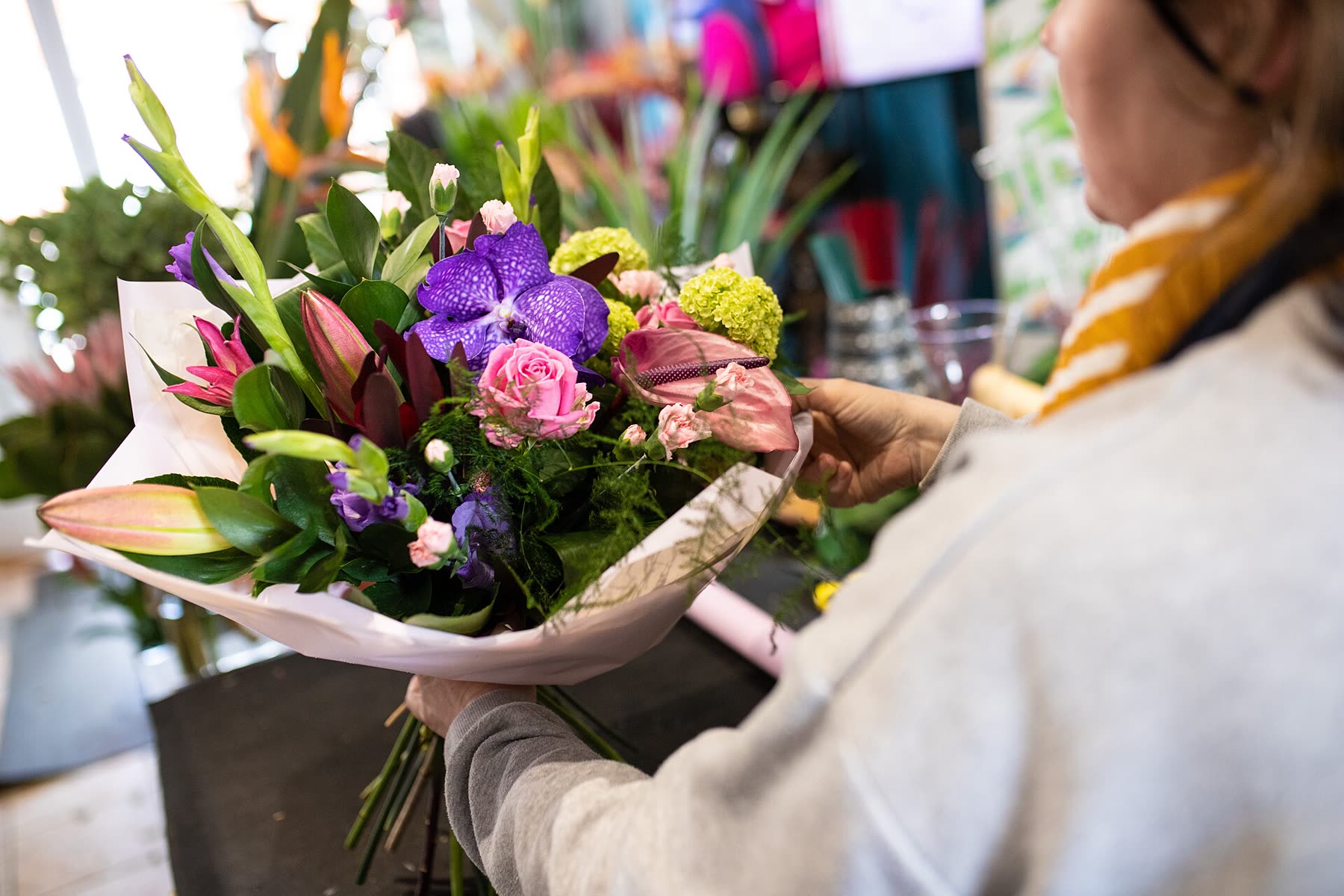
Budget-conscious florists and DIY planners often lean on blossoms that give a lot of visual volume for the money. Editorial pieces on DHgate’s blog note that baby’s breath, carnations, and daisies are frequently cited as budget-friendly options that still look full and romantic. These work well as main flowers for casual looks, or as fillers with more premium focal blooms.
Design complexity matters too:
- Tight, uniform bouquets with one or two flower types are faster (and cheaper) to build.
- Wild, asymmetric arrangements or large installations with many species and textures require more stems and more design time.
2. DIY vs hiring a florist
If you go DIY with bulk fresh flowers, you’re trading money for time and risk.
Wholesale sites like WholeBlossoms sell bulk flowers for weddings at wholesale pricing. That typically means lower per-stem costs than a full-service florist, but the work shifts to you: receiving boxes, rehydrating and conditioning flowers, storing them at the right temperature, and assembling every bouquet and centerpiece.
For a simple scenario:
- A full-service florist might charge into the low thousands for a custom wedding with bouquets, boutonnieres, table centerpieces, and ceremony decor, covering product, design, and setup.
- A DIY couple might spend under half that on bulk stems plus rental vases, but invest dozens of hours in prep, arranging, and same-day setup—and accept the risk of some stems arriving late or not opening as expected.
DIY is usually best if your designs are simple, you have reliable helpers, and you’re comfortable with some imperfection. Complex installations and tight timelines often justify paying for a florist’s skill.
3. Timing and seasonality
Seasonality affects both price and stress:
- In-season local flowers generally cost less and arrive in better condition.
- Peak dates (popular Saturdays, major holidays) can push pricing up as florists and wholesalers face higher demand.
If you’re flexible on exact blooms and lean into what’s abundant around your wedding date, you give your florist or supplier room to keep your quote lower.
Choosing the Best Channel: Local Florist, Bulk Online, or Marketplaces
Once you know your desired look and how much DIY you can handle, you can decide whether to use a local florist, order bulk flowers, or tap online marketplaces and cross-border sellers.
Here’s a compact comparison to frame the decision:
| Channel type | Typical cost level (editorial) | Effort for you | Best for |
|---|---|---|---|
| Local wedding florist | Often medium to high overall, but efficient for complex designs | Low on wedding week; planning meetings earlier | Full-service weddings, complex installs, hands-off couples |
| Bulk fresh flower supplier | Lower per stem; total varies with volume and supplies | High: conditioning, arranging, setup | DIY weddings, simple centerpieces, resellers with workspace |
| Online marketplaces (artificial/silk, decor) | Low to medium per piece; wide range by seller | Low to medium: unboxing, minor styling | Reusable decor, small ecommerce shops, hybrid fresh/artificial looks |
Local florist
Pros:
- Professional design aligned with your venue and priorities.
- They manage sourcing, conditioning, and most of the stress.
Tradeoffs:
- Higher labor and service component in the quote.
- Availability and pricing are very local; comparing a few florists can reveal big differences in how they structure packages.
For affordability, look for designers who offer a la carte or “designer’s choice” options where they choose seasonal blooms within your palette, rather than promising specific out-of-season flowers.
Bulk fresh suppliers and DIY
Ordering from a wholesale site like WholeBlossoms or similar vendors can work well if:
- You have space (cool, clean storage) and time to process flowers.
- Your arrangements are fairly simple and repeatable.
This route is also appealing to small event businesses or resellers who can amortize buckets, coolers, and tools over multiple events. Margin improves when you can turn wholesale stems into standardized centerpieces or bouquets you sell repeatedly.
Marketplaces and artificial flowers (including DHgate)
Wholesale silk suppliers and large marketplaces now sell bulk artificial flowers and pre-made pieces with lifelike appearance. DHgate’s editorial blog highlights that many wholesale silk flower suppliers offer bulk artificial blooms that can be used for weddings, home decor, or DIY projects.
For couples, silk bouquets or centerpieces from marketplaces can:
- Cut stress: no wilting, no cold storage.
- Stretch the budget: you can reuse decor at showers or home, or resell it.
Limitations and checks:
- Quality and realism vary by seller; rely on detailed photos and buyer reviews.
- Always confirm color accuracy, dimensions, and any customization in writing on the specific listing.
Small ecommerce buyers choosing between marketplaces may also find it useful to compare platform ecosystems using resources like this DHgate vs AliExpress, Alibaba and Temu comparison. That kind of overview can clarify where each marketplace tends to sit on pricing and seller types, even though floral-specific data will still be listing-by-listing.
Practical Ways to Cut Your Floral Spend Safely
Here are focused tactics you can apply regardless of the channel you choose.
1. Lock your priorities, then trim the rest. Decide the 2-3 “hero” moments that truly matter (for example, your bouquet, ceremony arch, and head table). Allocate more budget there. Use simpler arrangements or fewer flowers on secondary tables, aisles, or cocktail areas.
2. Use budget-friendly flowers strategically. Make fuller but cheaper blooms like carnations, daisies, or baby’s breath the backbone of centerpieces, with a few premium stems as focal points. This works with both florists and DIY bulk orders.
3. Simplify designs to reduce labor. Ask your florist how much cost you save by choosing:
- Fewer overall pieces.
- Reusable decor (re-purpose ceremony arrangements to the reception).
- Classic, repeated centerpieces instead of all-unique ones.
A quick mini-checklist of questions to include in florist or supplier quotes:
- Which flowers are in season around my date and cheaper than my original choices?
- How does the price change if I cut the number of centerpieces or switch some to candles/greenery?
- What fees cover delivery, setup, and teardown?
- For bulk orders: how many stems should I plan as a buffer for damage or non-opening blooms?
4. Mix fresh and artificial. Use fresh flowers for personal pieces (bouquets, boutonnieres) and high-visibility spots, and high-quality silk or foam flowers for large installations, railings, or photo-backdrop volume. This hybrid approach can make a big visual impact while lowering the risk and cost of filling big spaces.
5. For small ecommerce/event businesses, watch MOQs and shipping. Before committing to cross-border floral decor:
- Check minimum order quantities against realistic demand.
- Model your landed cost (product + shipping + tariffs) and target resell price.
- Order a small test batch from any new supplier or marketplace listing before scaling up.
If you do explore DHgate for wholesale decor, pair that with a clear sourcing checklist like the one in this DHgate supplier guide, and keep your first orders small enough that any quality surprises won’t sink your budget.
If you start with these levers—flower choice, design simplicity, service level, and channel mix—you can usually bring your floral budget back in line without losing what makes the day feel special.