
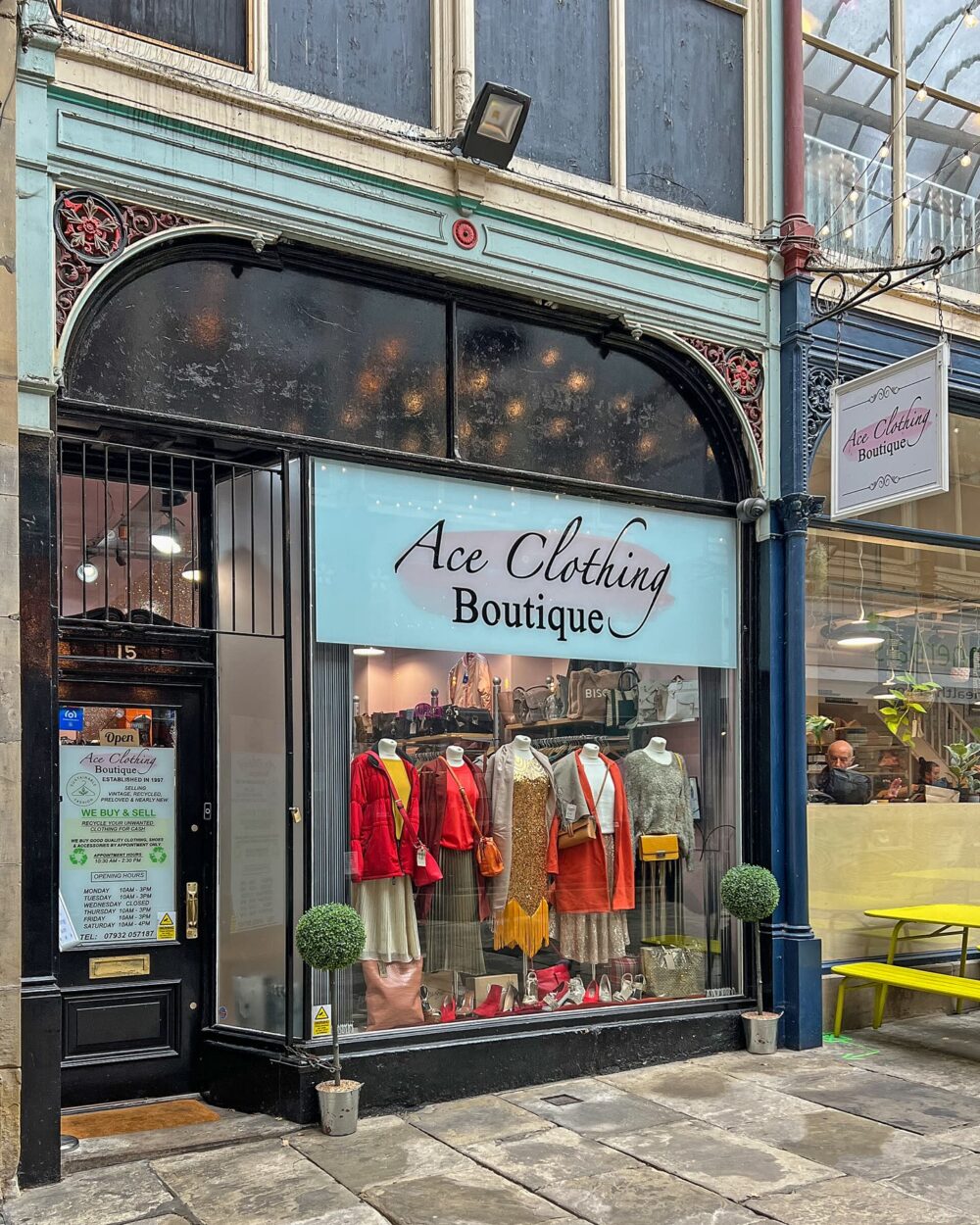
Boutique clothing like Frox feels special, but the costs stack up faster than most buyers expect. For US shoppers, you should plan on mid‑range boutique pricing for dresses and outfits, then add shipping, sales tax and the real risk of paying for returns. You keep your budget under control by treating that full set of costs as the “true” price per piece, comparing channels before you buy, and timing your purchases around sales rather than impulse occasions.
If you’re a small reseller, the same logic applies: Frox‑style pieces can be profitable, but only if you know what drives price and where you can safely shave it.
What Frox Clothing and Boutique Sells and How Its Prices Break Down
Frox Clothing and Boutique is a women’s clothing and accessories store based in Perkasie, Pennsylvania. The boutique describes itself as offering a curated selection of unique, one‑of‑a‑kind pieces and a personalized shopping experience focused on easy elegance and versatility in everyday wardrobes and special outfits.Frox Clothing and Boutique LinkedIn profile
That tells you two budget‑relevant things:
- You’re not looking at fast‑fashion pricing. Curated, one‑of‑a‑kind pieces usually sit above big‑box brands.
- Personal styling and service are part of what you pay for, whether in store or via online interaction.
There’s a catch, though: “Frox” and “Froxx” also show up in several UK and European boutiques focused on occasionwear and plus‑size designer clothing, such as Froxx Clothing in Kings Langley and Harrogate’s Snooty Frox casual‑wear lines.Snooty Frox casual wear So when you’re budgeting, confirm which Frox/Froxx you’re dealing with and in which country.
For a US online buyer, your real spend on a Frox‑style outfit typically includes:
- Garment price – the tagged price for the dress, top, pants, or accessories. For boutique occasionwear generally, you should expect a step up from mall brands because of fabrics and limited runs.
- Shipping – if you’re buying online, factor the shipping tier as part of the garment cost. A $15 shipping charge on a $90 dress turns it into a $105 dress.
- Sales tax – most US states levy tax on clothing; online checkouts may estimate this only at the last step.
- Returns and exchanges – boutique clothing is often cut differently than mass brands. If you’re not sure about size, budget for the possibility that you’ll pay to ship a return, or be stuck reselling a mis‑fit piece.
- Payment costs and fees – international transactions may incur currency conversion fees or duties if you’re ordering from a UK/European Frox or another cross‑border source.
For small ecommerce businesses looking to resell Frox‑style pieces, multiply each of these by your order quantity. A ten‑piece test buy that looks cheap on paper can become expensive once you add per‑piece shipping, duties and unsold inventory.
Why Frox‑Style Boutique Pieces Cost What They Do
Boutique and occasionwear clothing usually commands higher prices than mainstream labels because of the way it’s produced and sold. You can use those same factors to decide where you’re willing to spend more — and where you can save.
Design and materials. Dresses and outfits marketed for special events or “easy elegance” tend to use better fabrics, more complex cuts, and embellishments. Those add labor and material cost, especially in small runs.
Limited runs and uniqueness. When a boutique curates one‑of‑a‑kind or short‑run collections, it isn’t chasing economies of scale. You’re paying both for the garment and the fact that not everyone at the party will be wearing it.
Sizing and fit range. Plus‑size or extended‑size occasionwear — like the 16-32 designer focus at UK Froxx — often costs more because patterns and inventory are more complicated. If you need that range for yourself or your customers, expect higher base prices but also higher perceived value.
Customization and alterations. Hemming, strap adjustments and other tweaks can make a Frox piece perfect but add cost. If you know you’ll need tailoring, bake it into your budget from the start instead of treating it as a surprise.
Seasonality and timing. Boutique occasionwear is highly seasonal. Around weddings, graduations and holidays, demand spikes and discounts are scarce. In quieter months, stores often mark down older lines or run promotions to move stock.Clothing deal‑hunting tips
For both personal wear and small resale, these trade‑offs matter:
- If you’re buying for one event, it may be worth paying more for design and fit, then saving by shopping off‑season or through clearance.
- If you’re buying inventory for your online shop, uniqueness and size range can support higher resale prices, but you need to balance them against how much stock you can realistically move.
Here’s a quick way to think about your spend per piece.
| Decision lever | Effect on price | Where you can save |
|---|---|---|
| Fabric & detailing | Higher for premium | Choose simpler designs for everyday wear |
| Size range (standard vs extended) | Higher for extended sizes | Stock fewer sizes until demand is proven |
| Run size (limited vs bulk) | Higher for limited runs | Buy off‑season when limited runs are marked down |
| Customization/alterations | Extra per garment | Pick styles that fit off‑the‑rack when possible |
Choosing the Best Channel and Cutting Your Total Frox Clothing Spend
Once you understand how the pieces are priced, you can decide where to buy. Your main options are:
1. Direct from Frox or similar boutiques
Buying direct — online or in‑store — gets you the full experience: curated collections, personalized advice, and the exact brand aesthetic you’re after.Frox Clothing and Boutique LinkedIn profile The trade‑off is that you’ll rarely see deep everyday discounts.
To keep the budget in line when shopping direct:
- Sign up for email newsletters or follow the boutique on social media; many clothing retailers announce sales, trunk shows and exclusive coupons there.Deal‑finding via newsletters
- Ask about upcoming promotions if your event date is flexible.
- For resellers, consider shopping in person once, then using that experience to pick only the styles you know your audience will pay for.
2. Mainstream online retailers and multi‑brand sites
Department‑store sites and multi‑brand fashion platforms often carry occasionwear and boutique‑adjacent labels at a range of prices. Their advantages are clear:
- Easy price comparison across brands and styles.
- Frequent sales and coupon codes.
- Standardized delivery and return processes.
The downside is that their selection may not match the exact Frox aesthetic, and you lose the small‑boutique feel. If budget is tight, this is often where US buyers can get “Frox‑inspired” looks for less, especially by shopping during major sale periods like end‑of‑season clearances and holiday promotions.6 tips for clothing deals
3. Marketplaces and cross‑border sourcing (including DHgate)
Online marketplaces give you access to a huge range of affordable clothing, including pieces that resemble boutique occasionwear. That includes global platforms and cross‑border sites; for example, DHgate hosts many apparel sellers that ship to the US.Affordable clothing marketplace overview
For budget‑focused buyers and small resellers, marketplaces can offer:
- Lower unit prices, especially for bulk orders.
- Designs inspired by boutique styles.
But you need to be careful:
- Use the platform’s search and filters to compare prices from multiple sellers for similar styles.Online price comparison advantages
If you’re weighing DHgate against other marketplaces or wholesale platforms before sourcing boutique‑style clothing, the broader comparison of fees, support and seller mix at different sites is covered in Compare DHgate with AliExpress, Alibaba and Temu.
Practical Ways to Keep Your Frox‑Style Spend Under Control
Here are concrete tactics that work for both individual buyers and small ecommerce sellers.
Treat shipping and returns as part of the price. Don’t compare dresses on sticker price alone. If one boutique dress is $90 with free shipping and another is $75 plus $15 shipping and a paid return label, they’re effectively the same price but very different risk profiles.
Time your buys around sales cycles. Boutique and clothing retailers often discount at predictable times: end‑of‑season, holiday weekends, or event‑specific promotions.Golden fleece sale timing If your event date is flexible, shopping a season early and tailoring the piece later can slash your spend.
Use coupons and deal aggregators. Before checkout, run a quick search on coupon sites (the DHgate Blog mentions tools like Groupon and RetailMeNot in a general clothing context) to see if there’s a usable code for the store you’ve chosen.6 tips for clothing deals
Plan one clear example budget.
- Single dress for personal wear: If you cap your total spend at $150, you might aim for a $100–$120 boutique dress, leaving $15–$25 for shipping and tax, and a small buffer for simple alterations.
- Small bulk buy for resale (say 8-10 pieces): Decide your maximum per‑piece landed cost (e.g., $60 including shipping and fees). Work backward from that number when comparing direct boutique clearance, mainstream sites, and marketplace listings. Walk away from any option where realistic returns or unsold stock would push your effective per‑piece cost above what your audience will pay.
Stay disciplined on style versus budget. Boutique pieces are designed to feel special. Decide in advance what you actually need — event dress, everyday separates, plus‑size workwear — and what you’re willing to pay. Then let sales, coupons, and channel choice work inside that framework, instead of letting a gorgeous but mis‑priced dress set your budget for you.
If you reach the point of sourcing cross‑border at scale, and DHgate looks like one of the viable options for your boutique‑style assortment, you can dig deeper into seller checks and wholesale mechanics in Find wholesale suppliers on DHgate. For most US buyers and small resellers, though, careful channel choice, timing, and cost‑per‑piece math are enough to keep Frox‑style clothing feeling special without wrecking your budget.