
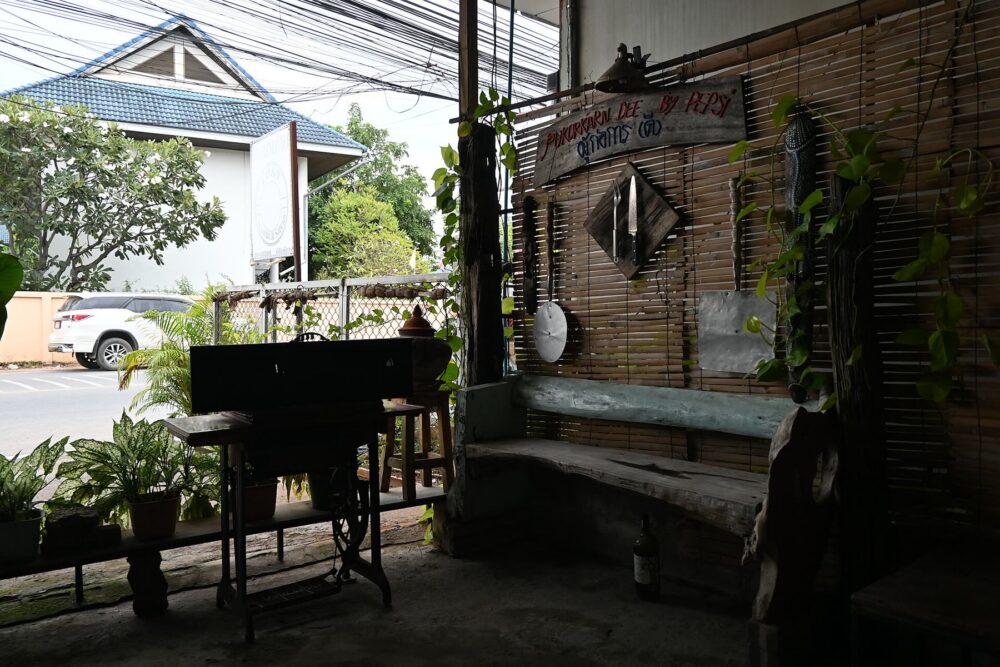
Rustic cottage decor websites fall into three main buckets: small curated cottage/farmhouse shops, big general marketplaces and retailers, and wholesale or cross‑border platforms. Boutique sites tend to give you the most cohesive, ready‑to‑style look; mass‑market retailers offer convenience and fast replenishment; wholesale and cross‑border platforms matter if you’re trying to import rustic‑style pieces or accessories in volume to resell. The right route depends on whether your project is a one‑home refresh, a rental you’re staging, or an ecommerce inventory buy.
Rustic cottage style itself leans heavily on natural wood, metal accents, cozy textiles, and visibly aged pieces. DHgate’s decor blog, for example, talks about budget‑friendly rustic looks made from second‑hand finds, reclaimed wood, and DIY projects that embrace imperfections, along with antique or distressed furniture and mixed styles as hallmarks of farm and country aesthetics. That’s useful context, because different platform types make it easier or harder to get those materials and finishes at the price and scale you need.
The Rustic Cottage Decor Platform Landscape
If you search for “rustic cottage decor” or “farmhouse furniture,” you don’t just get one kind of site. You see a mix of:
- Niche rustic/farmhouse boutiques – online stores explicitly focused on farmhouse, country, cottage, or cottagecore aesthetics.
- Large retailers and open marketplaces – broad home‑goods sites and marketplaces where rustic cottage is one style among many.
- Wholesale and cross‑border platforms – sites oriented around bulk buying, importing, or business‑to‑business transactions, sometimes with consumer overlap.
A site like The Cottage Store sits firmly in that first bucket. It presents itself as a farmhouse and country home decor retailer, with categories devoted to modern farmhouse decor, kitchen and dining, bath and vanity, and seasonal accents. A distinctive feature is its offer to “source the specific decor items you need from any picture you present,” which effectively turns it into a style concierge for cottage‑inspired projects.
Belle Escape’s farmhouse furniture and cottage decor collection is another boutique example. It sells farmhouse and rustic cottage furniture and decor, often crafted from solid wood with distressed finishes, and ships many items within the U.S. via ground or freight carriers. That makes it relevant if you’re furnishing an entire living room or bedroom in a cohesive rustic style rather than just adding a few accessories.
On the second tier, independent editorial lists of farmhouse furniture and decor routinely mention World Market, Amazon, and other large retailers and marketplaces as popular places to find rustic or country‑style pieces. Those sites aren’t cottage‑only, but they have farmhouse categories or search filters that surface rustic tables, lanterns, textiles, and wall art.
Finally, there’s a cottagecore angle. Cottagecore decor sites work more like inspirational retail boutiques: they provide imagery, style guidance, and curated products that fit a romantic, countryside aesthetic. They’re not open marketplaces hosting many independent sellers; they operate closer to traditional retailers with a defined brand point of view.
For a U.S. buyer or small ecommerce business, these three buckets map roughly to three different strategies: paying for curation, paying for convenience, or paying for unit cost and scale.
How Each Platform Type Works for Rustic Cottage Buying and Sourcing
To turn those categories into buying decisions, you need to understand how they actually operate: who you’re buying from, how pricing works, how flexible order sizes are, and what fulfillment usually looks like.
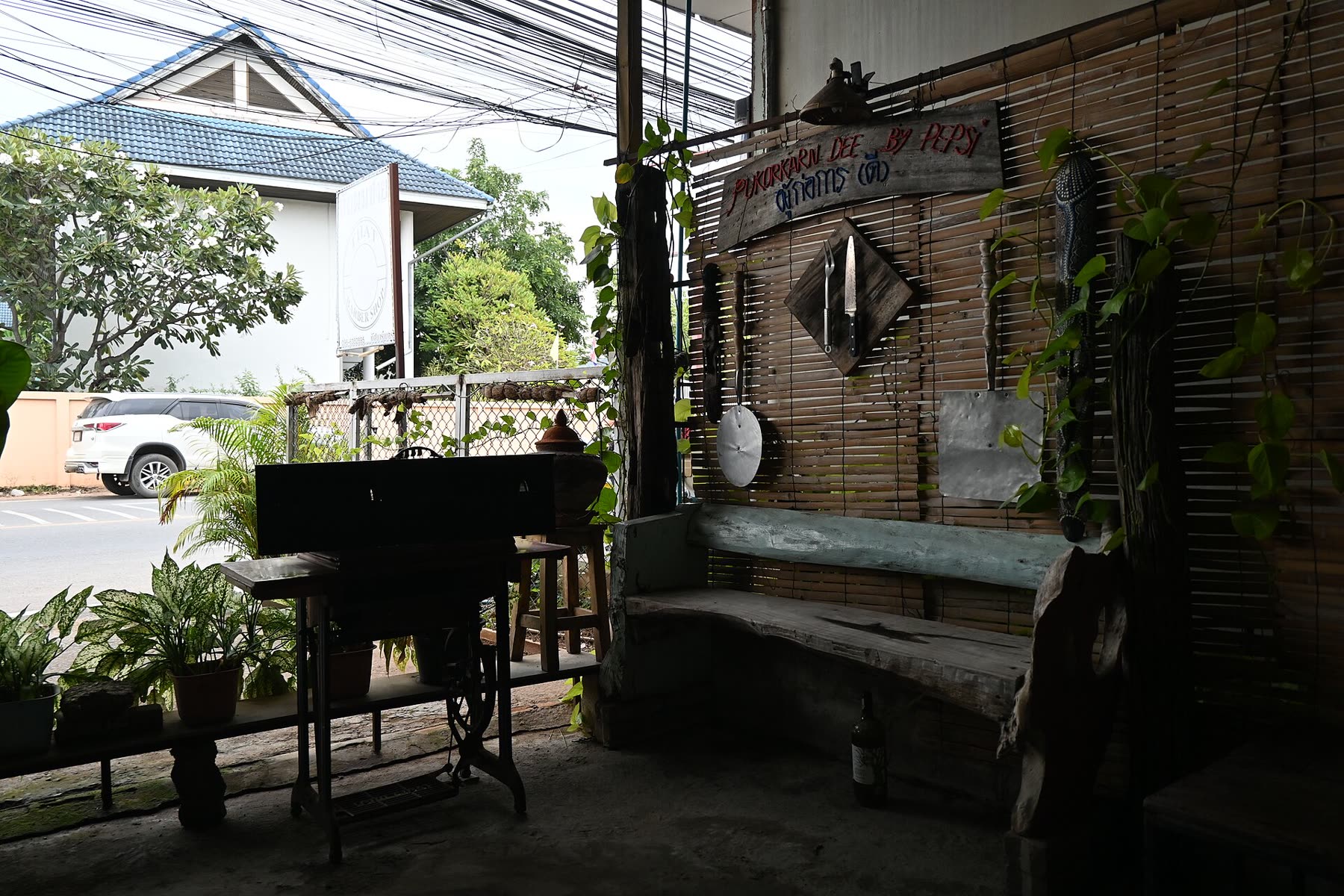
1. Niche rustic cottage & farmhouse shops
Buyer–seller relationship. You’re buying directly from a single retail brand. The store curates styles, sources products from manufacturers, and sets retail prices.
How they fit rustic projects.
- Strong on style consistency: you can furnish an entire cottage‑style room from one catalog.
- Often better at the details that sell rustic: reclaimed or distressed wood, visible grain, vintage‑inspired hardware, and textiles that match the aesthetic.
The Cottage Store’s sourcing‑from‑photos service is a good example of how boutiques go beyond listing pages. If you send them an inspiration image—say, a stone cottage living room with a carved wooden coffee table—they’ll try to match or find similar decor items for you. That’s valuable if you don’t want to hunt across ten different sites.
Belle Escape, meanwhile, focuses on substantial furniture and decor with farmhouse and rustic cottage styling and delivers many pieces via ground or freight carriers within the U.S. Their model suits higher‑ticket purchases where you care about craftsmanship and aesthetic alignment more than finding the lowest possible unit cost.
Operational trade‑offs.
- Prices are typically full retail, not wholesale.
- Order sizes are flexible (one piece at a time), but you may not get business‑friendly bulk breaks unless you negotiate.
- Shipping is centered on consumer orders; large freight pieces require more planning and may have more complex delivery windows.
2. Big U.S retailers and open marketplaces
Here you’re shopping on large platforms where rustic cottage is one decor theme among many.
Buyer–seller relationship.
- On retailers like World Market, you effectively buy from one company with centralized inventory.
- On open marketplaces like Amazon or eBay, you buy from individual sellers under a shared marketplace umbrella.
Editorial roundups of farmhouse decor often point to these sites as common sources because they stock everything from basic farmhouse dining chairs to galvanized metal accents and plaid throw blankets. In line with DHgate’s rustic decor blog advice on materials, you’ll typically find:
- Plenty of natural wood and metal accent pieces.
- A wide range of cozy textiles like plaid throws, burlap‑style pillows, and woven baskets.
Operational trade‑offs.
- Wide range of price points: from budget mass‑produced accessories to mid‑range furniture.
- Easy replenishment if you’re a small ecommerce seller topping up inventory—popular SKUs are often restocked.
- Style cohesion is mixed: you may need to assemble your cottage look across multiple brands and sellers.
For a U.S. buyer, large marketplaces are often the quickest way to test rustic cottage demand: list a small run of cottage‑style pillows or lanterns, see how they perform, then decide whether to move upstream to wholesale or niche suppliers.
3. Wholesale and cross‑border platforms
Wholesale and cross‑border platforms are geared toward buyers who care about unit cost and volume more than curation. This category includes global B2B networks and open marketplaces that allow cross‑border purchasing.
DHgate, for instance, is a cross‑border marketplace where many independent sellers list products, including rustic‑style items, for buyers worldwide. It’s an example of the model; you can read more about how DHgate works structurally in our marketplace overview.
Buyer–seller relationship.
- You deal with individual suppliers or trading companies rather than a single retail brand.
- You often negotiate order quantities, pricing tiers, and customizations directly.
Typical behavior for rustic cottage sourcing (editorial judgment, not platform policy).
- Sellers may prefer minimum order quantities (MOQs), especially for custom or private‑label rustic pieces.
- Shipping is commonly cross‑border, which increases transit times and makes returns and replacements more complex than domestic buying.
- You must independently verify product photos, materials, and finishes—for example, whether “distressed wood” is solid wood, veneer, or a printed look.
This route starts to make sense when you want to import:
- Bulk quantities of small decor items (lanterns, signs, textile sets) that fit rustic cottage styling.
- Unbranded pieces you’ll package into your own cottage decor bundles.
For a small business, the trade‑off is clear: lower unit cost and more control over assortment vs. more work screening suppliers, handling shipping risk, and dealing with cross‑border logistics.
Quick comparison: how the platform types differ
| Platform type | Best for rustic cottage needs | Typical order size (editorial judgment) | Key upside | Key downside |
|---|---|---|---|---|
| Niche rustic/cottage boutiques | Cohesive, high‑touch cottage or farmhouse rooms | 1–few pieces per order | Strong curation, help matching inspiration photos | Higher retail pricing, limited bulk flexibility |
| Big retailers & open marketplaces | Mixed cottage accessories and some furniture | Single units to small multi‑item orders | Wide selection, easy replenishment | Style consistency varies by brand/seller |
| Wholesale & cross‑border platforms | Bulk rustic‑style decor and components for resale | Cartons or batches per SKU | Lower unit cost, potential for private label | MOQs, cross‑border shipping and return complexity |
Choosing the Right Platform Route for Your Rustic Cottage Project
The easiest way to decide where to shop is to anchor on your project type, budget, and tolerance for complexity. The same person might use different channels at different stages.
Scenario A: Homeowner redoing a living room
You want a warm, rustic cottage living room with distressed wood, cozy textiles, and a few vintage‑feeling accents.
- Start with niche boutiques like The Cottage Store and Belle Escape for anchor pieces (sofa tables, cabinets, accent chairs) that set the tone.
- Layer in textiles and small accents—plaid throws, burlap pillows, woven baskets—from large retailers and marketplaces, echoing the mix of textiles and accessories highlighted in rustic country decor editorials.
- If budget is tight, incorporate second‑hand and DIY elements, as DHgate’s rustic decor blog suggests: reclaimed wood shelves, repainted thrift‑store furniture, homemade wall art using natural materials.
Result: You get a cohesive rustic cottage look with fewer sourcing headaches, even if you pay retail on big pieces.
Scenario B: Small ecommerce brand testing rustic cottage decor
You run a small online shop and want to add a rustic cottage line—maybe entry‑level pieces like lanterns, wall signs, or throw pillow covers.
- Use big marketplaces or retailers for initial test inventory; you can source limited quantities and see what your audience responds to without locking into MOQs.
- Once you see traction and understand which materials or motifs sell (distressed white wood vs. darker farm woods; text‑based signs vs. botanical prints), explore wholesale or cross‑border marketplaces for bulk versions of those SKUs.
- Mix in occasional boutique purchases for higher‑margin, standout pieces that differentiate your collection from mass‑market offerings.
Here, the best path is hybrid: marketplaces for learning and cash‑flow safety, wholesale when you’re ready to optimize unit cost.
Scenario C: Vacation rental or cottage business
You manage a lakeside cabin, mountain cottage, or Airbnb and want a consistent rustic feel across multiple properties.
- Use niche farmhouse/cottage retailers for durable, statement furniture that appears in listing photos and drives bookings.
- Rely on large retailers and marketplaces for replaceable accessories that guests are hard on—pillows, baskets, wall art—since replenishment is straightforward.
- Consider cross‑border/wholesale platforms if you scale to several units and want branded cottage welcome kits or repeatable decor bundles.
Because turnovers are frequent and damage happens, you’ll care more about long‑term replenishment and supplier reliability than a one‑time deal.
Mixing platform types strategically
You don’t have to pick a single platform type and stick with it. For most rustic cottage projects, the logical mix looks like this:
- Use boutique sites to establish the core aesthetic and solve style problems (matching inspiration images, choosing focal pieces).
- Use big marketplaces and retailers to fill gaps quickly, test demand on new cottage styles, and handle ongoing replacements.
For buyers and small ecommerce businesses, understanding these platform models is more useful than hunting a single “best rustic cottage decor site.” The right choice is the combination that fits your order size, risk tolerance, and how much cottage charm you want to build vs. buy.