
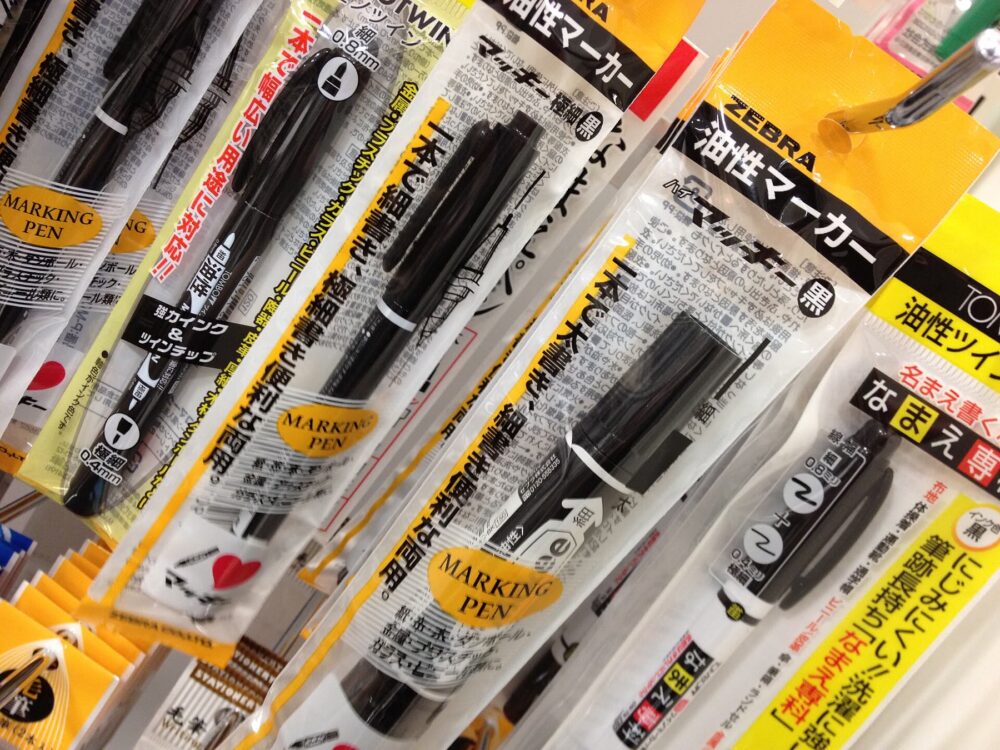
Japanese pens and markers are widely seen as a step up from typical Western mass‑market stationery: finer tips, more consistent ink flow, and a strong focus on illustration and calligraphy. For Canadian buyers, they can be excellent value at the mid‑range—especially for detailed note‑taking, manga, and design work—but you need the right channel to get good selection without overpaying or risking questionable imports.
This guide explains what makes Japanese pens and markers different, then compares real buying routes from Canada—local chains, specialist importers, brand sites, and global marketplaces—so you can decide whether Japanese products fit your use case or small resale business.
What Makes Japanese Pens and Markers Different?
Japanese stationery has a reputation for precision and reliability. Art retailers such as Jackson’s Art describe Japanese brands like Kuretake as delivering precise lines, smooth ink flow, and carefully engineered tips, which matches how many artists and stationery fans talk about them.
A few traits set Japanese pens and markers apart:
1. Finer, more controlled lines Japanese fountain pen nibs and many fineliners tend to run finer than European equivalents. A Japanese “Fine” often feels closer to a European “Extra Fine,” reflecting how complex kanji characters benefit from very precise strokes, as noted by guides like The Journal Shop’s overview of Japanese fountain pens. If you’re used to Western sizing and switch to a Japanese fountain pen, you may want to choose one nib size broader than usual.
For everyday pens and technical liners, you see the same idea: 0.3-0.4 mm gel pens and micro‑tip fineliners that stay legible in small handwriting and tight grids—popular with bullet journaling, engineering notes, and planners.
2. Strong focus on art, manga, and calligraphy On the marker side, several Japanese brands are designed specifically for illustration:
- Pentel – brush pens used for calligraphy and expressive sketching, plus technical markers.
- Sakura – Pigma Micron fineliners and Koi coloring products for line art and watercolor effects.Source
- Copic – alcohol‑based markers with blendable inks, aimed at manga and professional illustration, as described in Copic’s Wikipedia entry.
- Kuretake – brush pens and markers marketed for sumi‑style calligraphy and comic work, highlighted by retailers like Jackson’s Art.
These tools are built for line quality, blending, and archival performance rather than office signing duties, which makes them attractive if you’re selling to artists or hobbyists.
3. Design and usability Japanese pens often combine utilitarian bodies with clever details: comfortable grips, click mechanisms that feel solid, and cartridges or refills that keep ink flow consistent. Editorial pieces, including DHgate’s own blog, describe Japanese pens as high‑quality and precise with options ranging from budget to premium, suitable for both writing and art—useful context if you’re stocking a mixed stationery range.
Overall, the appeal is predictable performance and finely tuned tips. That matters both for personal use (less skipping, neater notes) and for small resellers who don’t want returns because an imported pen feels scratchy or inconsistent.
Comparing Buying Channels for Japanese Pens and Markers from Canada
From Canada, you have four realistic ways to source Japanese pens and markers: local general retailers, specialist importers/art supply shops, brand‑linked online stores, and global marketplaces.
Here’s a compact comparison:
| Channel type | Typical selection of Japanese brands | Price level vs MSRP | Upsides | Trade‑offs |
|---|---|---|---|---|
| Local office/art chains | Common lines from Pilot, Uni‑ball, Pentel; sometimes Sakura or Copic starter sets | Often close to or slightly above list price | Easy returns, no customs, in‑store testing | Limited range; many niche pens, nib sizes and colors missing |
| Specialist Japanese importers & art shops | Broad ranges of Japanese pens/markers including Kuretake, Sakura, Copic, Pentel brush pens, unusual colors and tip sizes, as seen on Art Supplies Japan’s marker section | List price or small premium; bundles can improve value | Deep selection, staff expertise, curated for artists | International shipping from Japan or overseas; duty/VAT possible on larger orders |
| Brand or multi‑brand e‑commerce (Japan‑focused) | Curated selection by brand or theme, often mixing pens, markers and other stationery | Usually near MSRP; subscription boxes add fee but include variety | Good for trying popular models; clearer authenticity path | Not ideal for bulk of one specific pen; recurring boxes may overshoot what small resellers need |
| Global marketplaces (e.g., Amazon, eBay, Cross-border multi-seller) | Mix of authentic branded items, gray imports, and unbranded alternatives; range can be very wide but uneven | Prices range from budget multi‑packs to near‑retail branded items | Potentially low per‑unit pricing and huge variety; convenient for testing demand | Requires careful seller/review checks; authenticity and consistency vary; shipping and customs differ by seller |
Specialist importers and art‑supply shops (online or in cities like Toronto, Vancouver, Montreal) typically carry a noticeably wider range of Japanese pens and brush markers than general office retailers. Sites that focus on Japanese art supplies, like Art Supplies Japan, list multiple lines from Copic, Kuretake and others in tip sizes and colors you rarely see at a big‑box chain.
Global marketplaces deserve a nuanced look. Platforms such as Amazon, eBay, and DHgate host many individual sellers offering Japanese‑branded pens alongside lookalike or generic products. Since each seller sets their own inventory and standards, you need to treat every listing as its own proposition—check brand naming, product photos, and buyer feedback before treating something as an authentic Copic or Sakura marker set. DHgate in particular is one example of a cross‑border marketplace where you’ll find Japanese‑style pens and art markers mixed into broader stationery categories; if you explore that route, it helps to first understand how the marketplace works via resources like What DHgate is and how the marketplace works and compare it with alternatives on DHgate vs AliExpress, Alibaba and Temu.
Which Channel Fits Your Use Case or Small Business?
The “best” source depends heavily on how you’re using or reselling Japanese pens and markers.
Students and everyday note‑takers If you mainly want fine, smooth pens (Pilot, Uni‑ball, Pentel) for school or office notes, local Canadian chains and mainstream online retailers are usually enough. You get reliable basics without worrying about customs, and you can test whether Japanese fine tips suit your handwriting before going deeper.
Artists, illustrators, and manga creators For Copic sets, Kuretake brush pens, Sakura Pigma Micron liners, and niche colors, specialist importers or art‑supply shops are a better fit. They’re more likely to stock full Copic color ranges, multi‑size liner sets, and calligraphy brushes tuned for Japanese‑style strokes. This matters if you’re producing work for clients or selling prints—being able to reorder the exact marker or pen is key.
Stationery resellers and small ecommerce shops If you’re building a curated Japanese stationery catalog for Canadian customers, start by deciding where you sit between “authentic brand focus” and “budget‑friendly Japanese‑style tools.”
- For brand‑heavy assortments (Copic, Sakura, Pentel, Pilot), specialist importers, brand‑focused online stores, or Canadian distributors give you clearer authenticity and predictable restock, but often at near‑MSRP.
- If your audience cares more about aesthetics and price than brand pedigree, global marketplaces can supply Japanese‑style pens and markers in larger bundles. Here, your job is filtering aggressively: pick a few sellers with consistent feedback and stick to models that match your quality expectations. Resources like Find wholesale suppliers on DHgate can help you understand how to approach marketplace sourcing generally.
Bulk buyers who need specific pens or marker types For corporate gifting, workshops, or class kits where everyone uses the same gel pen or fineliner, Japanese brands can be good value because their mid‑range products are engineered to be reliable at scale. Decide which exact model and tip size you want (for example, a 0.4 mm gel pen for tight notes, or a brush pen for lettering practice), then price it out across channels:
- If the model is common in Canada, local distributors may be simplest.
- If it’s niche or art‑specific, specialist importers or cross‑border marketplaces might be the only way to get uniform stock.
In all of these scenarios, the core question is: do you need the precision, consistency, and art focus Japanese pens and markers are known for? If yes, paying a bit more or importing through a specialist can be justified. If you just need generic markers for labelling boxes, the Japanese premium doesn’t always make sense.