You price basil seeds by translating every offer into a true per-unit cost, then comparing that number across similar varieties and quality levels. Take the packet or bulk bag price, add shipping and any taxes or import fees, and divide by seeds or grams. Once you’re looking at cost per seed or per gram instead of “$2.99 vs $8.50,” the best-value deals become obvious and you can see when bulk or cross‑border sourcing really saves money — and when it doesn’t.
For home gardeners, that usually means comparing a few small packets in the $2–$5 retail range. For small ecommerce buyers, value shifts to larger packs or minimum order quantities, where the per‑unit cost drops but the upfront cash and quality risk jump. The sections below show how to read basil seed listings, why some are cheap or expensive, and how to pick the right channel for your budget.
What Actually Makes Up the Price of Basil Seeds?
A basil seed listing rarely tells you the full cost story. Four components matter:
- Seed price on the label – This is the headline: $X for a packet or bag. Retail garden brands often sell basil in small packets labeled by seed count (e.g., “approx. 200 seeds”) or weight. Bulk suppliers tend to price by grams, ounces, or pounds.
- Pack size and unit – A $3 packet with 200 seeds costs a lot more per seed than a $15 bulk bag with several thousand seeds. To compare:
- If the listing shows seed count, divide total price (including tax and shipping) by that count.
- If it shows weight, assume you’ll use weight as the unit (per gram or per ounce). That’s more realistic for culinary sabja/tukmaria use, where you’re scooping seeds as an ingredient.
- Shipping and handling – For a single packet bought locally, shipping is often negligible (you’re in the store already) or a flat parcel fee from a US online seed house. For cross‑border orders, shipping can easily match or exceed the seed price, so you must add it before comparing any “cheap” listing.
- Taxes, customs, and fees – Domestic US orders usually just add sales tax. Cross‑border wholesale or marketplace orders might incur import duties or brokerage fees. If you’re experimenting with overseas sourcing at scale, read a basic guide on customs and tariffs like this overview of import fees and factor that into your true cost.
Once you’ve combined these, you can say “this basil seed source costs about X per gram or X per 100 seeds” and actually decide whether a supposed deal is cheap or just packaged differently.
Why Basil Seed Prices Vary: Variety, Use Case, and Pack Size
Basil seed offers aren’t interchangeable. You’ll see multiple basil types sold as distinct products — sweet/Genovese, Thai, purple or opal, lemon, and Greek, among others — each aimed at different dishes or growing styles. Guides like vegetableseeds.org’s basil overview and Sam’s Seeds variety guide emphasize matching the variety to your intended use: Genovese or large-leaf for pesto, Thai basil for Southeast Asian cooking, lemon basil for citrus notes, purple basil for color, and compact Greek basil for containers.
Those choices affect price and value:
- Common culinary basil vs specialty or heirloom – A standard sweet basil packet is typically at the lower end of the price range for the brand. Mixed collections, rare colors, or heirloom blends carry a premium for the same seed count.
- Planting vs culinary sabja/tukmaria use – Some basil seeds are marketed for sowing; others (often labeled sabja or basil seeds for drinks/desserts) target everyday culinary use. Buying guides for sabja seeds, such as Shreeji Foods’ quality and pack size tips, stress freshness, clean packaging, and practical pack sizes because you’re eating the seeds, not just sowing them.
- Small packets vs bulk bags – Bulk suppliers online generally offer larger packs at lower per‑unit cost than retail seed racks. You might see retail packets marketed as “perfect for home gardens,” while bulk sites push 50 g, 100 g, or larger options for serious growers or food use.
Here’s how those tradeoffs look in practice:
| Buyer type | Best basil varieties by value | Pack size sweet spot | Risk if you buy too cheap |
|---|---|---|---|
| Home gardener | Genovese / sweet basil, Thai basil for dishes | Small packets with clear sowing info | Old seed with weak germination, vague labels |
| Culinary user (drinks, desserts) | Sabja/tukmaria seeds, clearly labeled for food use | Medium everyday-use packs (not huge sacks) | Stale seeds that don’t swell properly, poor cleaning |
| Small ecommerce seller | Varieties your customers actually request | Bulk bags matched to forecasted demand | Overbuying varieties that don’t move, storage issues |
The value move is not automatically “buy the biggest bag.” It’s buying the right variety and pack size for how fast you’ll actually use or sell the seeds.
Choosing Sourcing Channels and Cutting Costs Safely
You have three main channels to consider: retail packets, bulk seed houses, and general marketplaces (domestic or cross‑border). Each has different cost dynamics and verification effort.
Retail garden brands and local stores
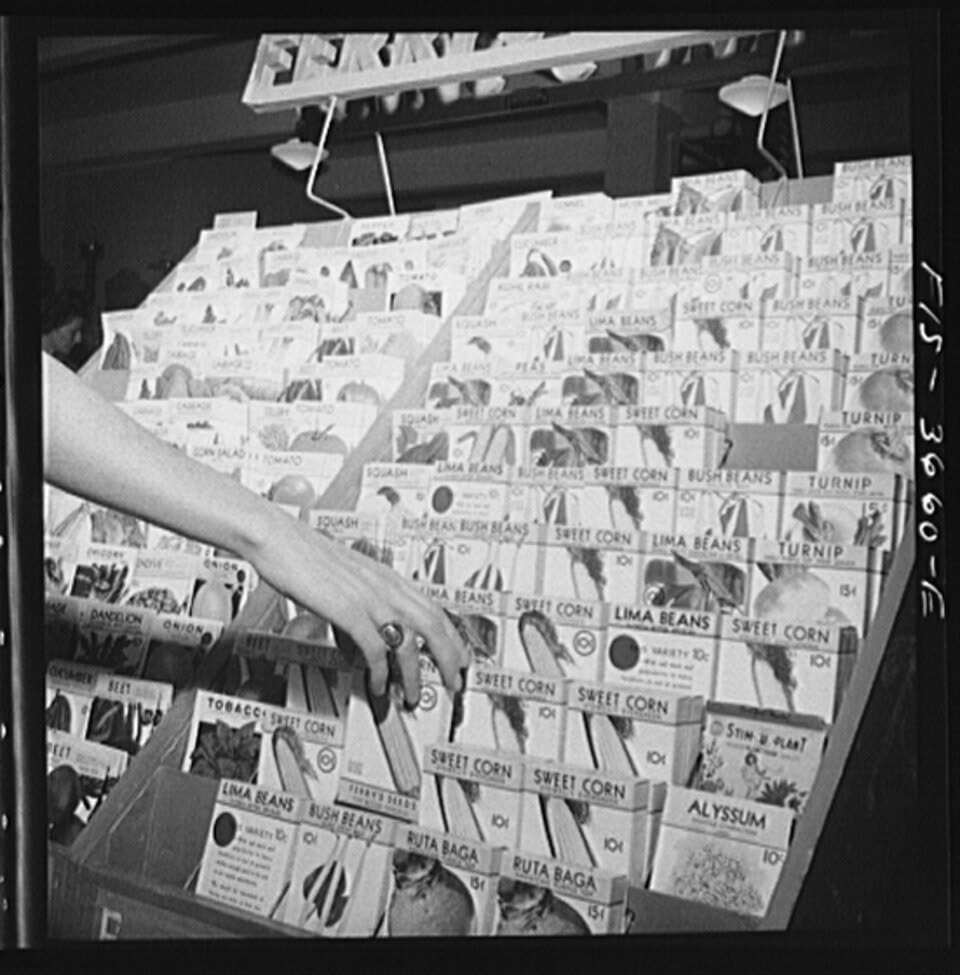
Retail seed racks at hardware chains and nurseries keep upfront cost low and verification easy. You can read the packet, check the packed‑for date, and buy one or two varieties without committing to hundreds of grams. For a home gardener, paying a slightly higher per‑seed price is often fine because total spend stays under $10–$20.
Online bulk seed suppliers
Bulk basil seed suppliers (including meadow/cover‑crop specialists and herb houses) typically list larger packs online and, in general, offer a lower per‑unit cost than retail packets. They’re attractive if you:
- Grow basil at scale
- Run a small plant or herb business
- Need sabja-style basil seeds regularly for food products
The tradeoff: you must do a bit more homework on freshness and variety, and commit more cash up front. Use the same checks Shreeji’s sabja guide recommends — look for clear pack dates, storage instructions, and realistic pack sizes for your actual use.
Marketplaces and cross-border sourcing (including DHgate)
If you explore a marketplace like DHgate, treat it as one option among several rather than assuming it’s always cheaper or safer. The platform’s editorial blog suggests generic deal tactics — researching multiple nurseries and online shops, comparing prices, and watching for seed sales or discounts — which you can apply here too. When you look at a basil seed listing:
- Focus on clear variety naming (Genovese, Thai, sabja, etc.) and intended use.
- Check photos of the actual packaging, not just stock images of basil plants.
- Confirm pack size and unit so you can compute per‑gram or per‑seed cost.
Practical Ways to Lower Basil Seed Costs Without False Economies
You don’t have to chase the absolute lowest sticker price to improve value. A few targeted tactics make a bigger difference:
- Translate offers to per‑unit cost first. Before you get excited about “thousands of seeds,” divide total price (including shipping and tax) by seeds or grams. A modestly priced packet that actually germinates can beat a bargain bag with poor performance.
- Buy just beyond your real need. For home gardens, that might mean one extra packet of your main variety, not a bulk kilo. For ecommerce, estimate realistic quarterly demand and avoid hoarding slow‑moving specialty basils that tie up cash and risk staling in storage.
- Time your purchases around sales. DHgate’s seed‑sale blog and similar retailer advice for other products often highlight seasonal sales, off‑season inventory clearances, and discount bundles as good deal moments. Seed houses and garden centers run comparable promos: newsletters, “buy 4 packets” deals, or end‑of‑season seed clearances.
- Bundle with other seeds or supplies. If shipping is a major cost, consolidate basil seeds with other herb or vegetable seeds you actually plan to use. That spreads a single shipping fee across multiple products and improves per‑unit economics.
- Split bulk packs with a partner. Small ecommerce businesses often share a bulk order of a popular basil variety, then repackage into smaller units for their own customers. The key is agreeing upfront on variety choice and storage practice so neither party ends up with degraded stock.
If you step into cross‑border sourcing or frequent bulk imports, build a simple spreadsheet that includes product price, shipping, and estimated import fees for each channel you try. Over a season or two you’ll see which sources deliver consistent, fresh basil seeds at the lowest true per‑unit cost — and which “cheap” sources carry hidden expenses.