
Meme pins are physical lapel or enamel pins that reference internet jokes, and “pinned memes” are digital posts held at the top of a feed. The right platform for you depends on whether you’re buying a few funny pins, testing a meme-based product line, or sourcing hundreds of units at low cost. Niche shops, creator marketplaces, print-on-demand services, big retail sites, wholesale-style marketplaces, and social shopping each handle memes in different ways.
For a US buyer who just wants a handful of wearable jokes, niche pin stores and creator marketplaces are usually the fastest, cleanest route. A small brand planning drop-style meme pin releases might mix print-on-demand platforms with social shopping tools. Bulk importers chasing very low unit costs often lean on international marketplaces, but trade-off speed, control, and some risk exposure. Below, we break down how these channels actually work.
What Are Meme Pins and Pinned Memes, and Where Are They Sold?
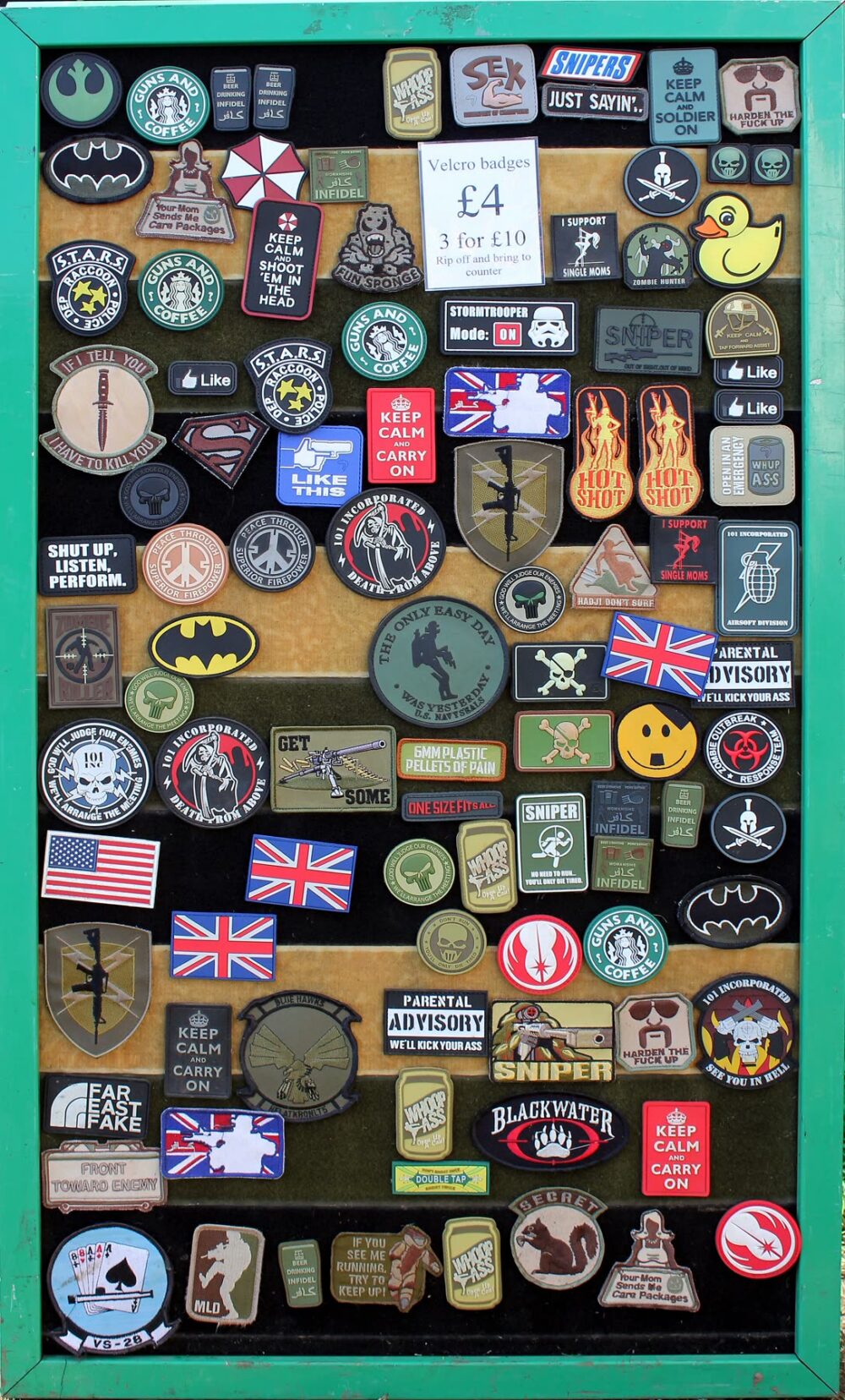
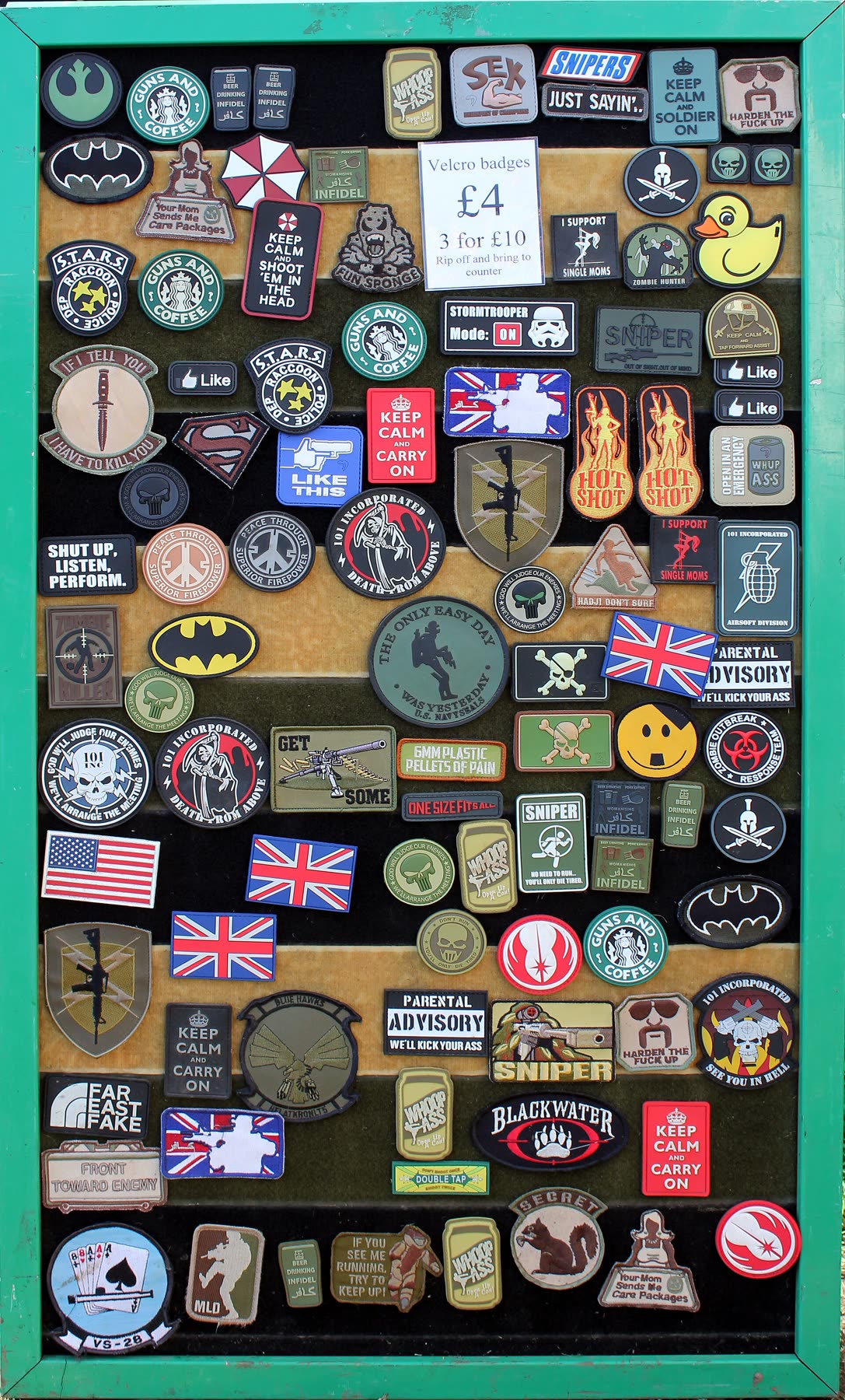
Meme pins (physical) are pins that borrow from recognizable internet memes: reaction faces, catchphrases, absurd scenarios. Retailers like Pinbuds’ funny & meme collection show the pattern clearly: small enamel pins that take online humor and turn it into wearable accessories.
Pinned memes (digital) live on social platforms. On TikTok, Instagram, or X, creators can “pin” a post or video so it stays at the top of a profile or comment thread. Guides like Dexerto’s explain that a pinned TikTok video is just a normal post that’s been highlighted, often used for a creator’s most viral meme or a product promotion.
From a buying and sourcing perspective, you’re dealing with two different worlds:
- Physical meme pins and related merch
- Niche pin retailers (Pinbuds, On Point Pins, 9GAG’s own meme pin shop)
- Creator marketplaces like Etsy’s meme pin listings
- Print-on-demand platforms like Redbubble’s meme designs that can be printed on pins or apparel
- General marketplaces and wholesale-style sites that include novelty pins alongside many other categories
- Digital pinned memes
- Social platforms where pinning is a content feature
- Social shopping integrations such as TikTok Shop’s “funny meme pins” page, where creators promote physical meme pins inside meme-heavy video feeds
Understanding which side you’re working on — physical product vs digital content — is your first platform decision.
How Platform Types Actually Work for Meme Pins and Digital Pinned Posts
Here’s how the main platform models behave when memes are the focus.
1. Niche pin shops and creator marketplaces
Specialist retailers such as Pinbuds’ enamel pin catalog or 9GAG’s meme pin store curate designs around internet culture, anime, food puns, and similar themes. You’re buying finished products, usually in ones or small multiples.
Creator marketplaces like Etsy host many independent designers who produce handmade or custom anime and meme pins. You browse by keyword, then pick a seller whose style and listing details match your needs. These platforms cater to collectors and micro-brands that want distinctive designs or small custom runs.
Implications:
- Pricing: usually retail-level per pin; good for small orders.
- MOQs: often 1-5 units; custom work may require more.
- Relationship: direct with an individual shop or maker.
2. Print-on-demand and design-first platforms
Sites like Redbubble let artists upload meme-inspired artwork that’s printed on various products — apparel, stickers, pins, bags. The platform handles production and basic logistics; the artist focuses on the design and promotion.
Implications:
- Pricing: per-item, factoring both base product and print.
- MOQs: typically single-unit orders; no need to hold inventory.
- Relationship: you deal with the platform’s catalog as a buyer; as a seller you hand off manufacturing to the service.
This route suits small brands testing whether a meme resonates without committing to bulk enamel pin production.
3. Mass marketplaces and wholesale-style sites
Large marketplaces (Amazon, general e-commerce platforms) sell everything, including meme pins, but the meme focus is incidental. On the wholesale side, international marketplaces similar to AliExpress are referenced by DHgate’s own button-pin editorial as places offering low per-unit pricing for novelty pins and button pins.
AliExpress’ button pin context highlights that it’s an international platform where you can source pins cheaply from overseas sellers.
Implications:
- Pricing: often very low per unit for bulk; shipping and wait times vary by seller.
- MOQs: some listings allow single units, others expect dozens or more.
- Relationship: you’re buying from third-party sellers on a very large marketplace, not a curated meme brand.
4. Social platforms and pinned meme mechanics
On social networks, “pinning” is a visibility tool rather than a product category. Creators pin posts that represent their brand or best-performing meme, and sometimes attach shopping links.
TikTok Shop’s funny meme pins page shows the hybrid model: short-form meme content drives attention; in-app shopping surfaces the physical pins. You discover pins through videos, then buy within the same app.
Implications:
- Pricing: set by individual sellers; often promoted via limited-time offers.
- MOQs: geared toward consumer purchases (single or a few units).
- Relationship: you interact with a creator’s content and storefront together; your pinned meme strategy is part marketing, part merchandising.
Snapshot: How these types differ
| Platform type | Typical order size | Design control for small brands | Best suited for |
|---|---|---|---|
| Niche pin shops / Etsy sellers | 1-20 finished pins | Low–medium (buy or commission) | Collectors, small resale batches |
| Print-on-demand (e.g., Redbubble) | 1+ per design | Medium–high (your artwork) | Testing memes without inventory |
| Wholesale-style marketplaces | Dozens+ per listing | Medium (you choose listing) | Bulk importers, very budget-conscious buyers |
| Social shopping (TikTok Shop) | 1-10 per checkout | High for creators, low for buyers | Creator-led merch tied to pinned content |
The right lane depends on whether you care more about uniqueness, margin, volume, or social reach.
Matching Platforms to Buyers: Collectors, Small Brands, and Bulk Importers
Scenario 1: US collectors and casual buyers
If you just want to wear your favorite memes or grab small gifts:
- Start with niche retailers like Pinbuds’ funny memes pins or 9GAG’s meme pins for curated joke-forward designs.
- Use Etsy’s meme pin searches for handmade, fan-style takes on memes and anime. This is where you’ll see the most experimental art.
- For impulse buys tied to creators you follow, TikTok Shop’s meme pin listings are convenient because you’ve already seen the product “in action” in a video.
You’re trading slightly higher prices for less hassle and more interesting designs.
Scenario 2: Small ecommerce brands and creators
If you run a small store or creator brand and want to monetize memes:
- Use print-on-demand platforms like Redbubble-style services for early tests. Upload your memes as designs across pins, shirts, or bags and see what sells.
- As a design proves itself, commission a dedicated meme pin run through a maker on Etsy or a specialist pin shop, where you can refine materials and quality.
- Tie everything together with pinned memes on social: pin your best-performing meme post or product video so new visitors immediately see your flagship joke and merch.
This approach keeps upfront risk low while letting you graduate successful memes into higher-margin physical pins.
Scenario 3: Bulk importers and cross-border sourcers
If you’re chasing low unit costs for resale at scale, wholesale-style platforms and international marketplaces become more relevant.
- Treat each listing like a separate supplier: compare designs, stated materials, and order quantities.
- Cross-check marketplace options — our comparison of online marketplaces and shopping platforms and the deep dive on DHgate vs AliExpress, Alibaba and Temu can help frame trade-offs.
- Read up on what DHgate is and how the marketplace works before committing, so you understand you’re dealing with independent sellers inside a larger platform.
Bulk sourcing is powerful when you already know which memes you want to scale. If you’re still experimenting, starting with small-batch creator platforms and print-on-demand keeps your meme pins from becoming dead stock.