
Rhythmic gymnastics balls are sold across very different types of online platforms, and the best route depends on whether you need a single practice ball for a young gymnast, an FIG-spec ball for competition, or a small batch for resale. General sports retailers often stock cheaper youth balls in smaller diameters, specialist rhythmic shops curate FIG-approved brands, and global marketplaces like Amazon mix everything from entry-level practice gear to cross-border bulk offers. Your job is to match your level (recreational vs FIG-competition), quantity needs, and comfort with cross-border risk to the right platform type, then confirm diameter, weight, brand, and shipping terms before you buy.
FIG rules treat the ball as one of five apparatuses; competition balls typically have a diameter of 18-20 cm and a minimum weight of 400 g, and are usually made from rubber or synthetic material designed for controlled bounce and grip.Source Practice balls can be lighter or smaller. Some retailers, such as Decathlon Australia, list youth-focused balls around 16.5 cm aimed at gymnasts up to about age 13, showing how mass-market platforms skew to beginner gear.Source Specialist guides like Gymnamo’s sizing article distinguish junior, middle, and senior ball sizes and point out the difference between FIG-approved balls and practice models, which is a useful lens for choosing your channel.Source
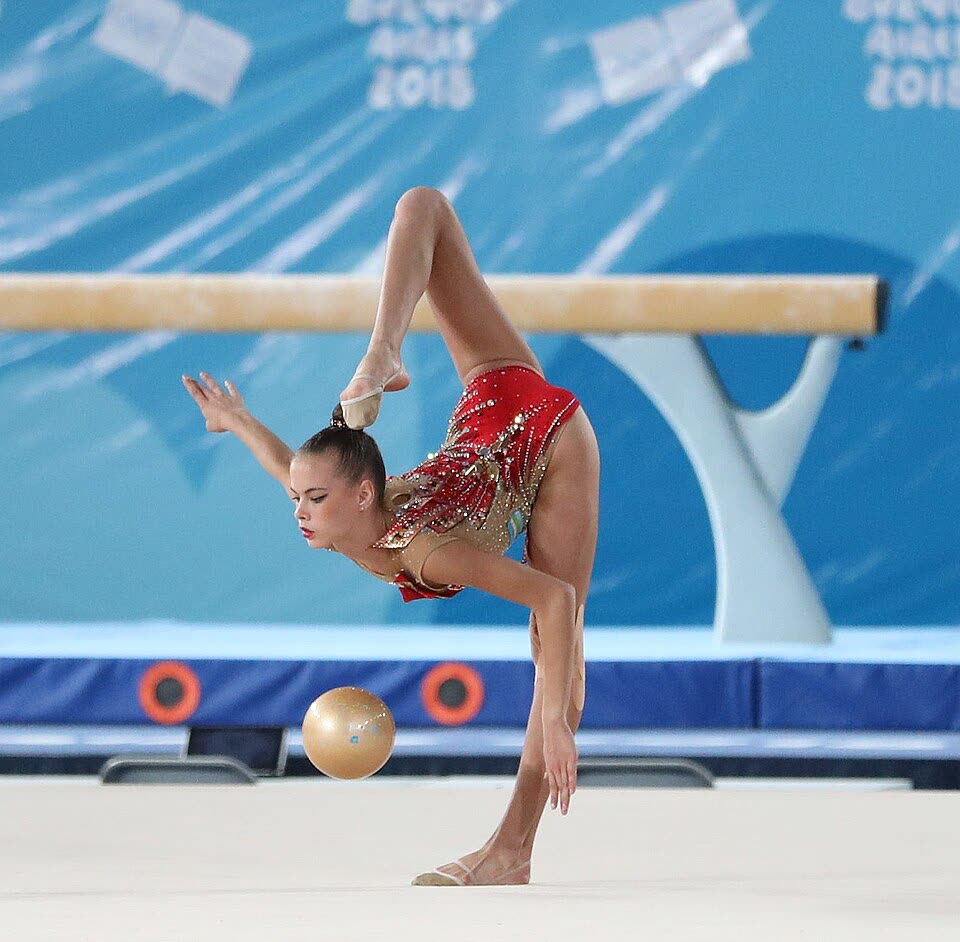
Where Rhythmic Gymnastics Balls Are Sold Online (Retailers, Specialists, Marketplaces)
For Australian and US buyers, rhythmic balls cluster into three broad platform types:
- General sports and big-box retailers
Sports chains and general online sports shops often treat the rhythmic ball as a youth or entry-level product. You’ll see sequinned PVC balls or soft rubber models marketed to clubs and school programs. The Decathlon Australia example is typical: a 16.5 cm, sequinned ball positioned for gymnasts up to about age 13.Source These sites usually carry one or two house or lesser-known brands and focus on low price and ease of purchase.
- Specialist rhythmic gymnastics stores
Dedicated rhythmic platforms curate multiple ball sizes, colors, and brands. Gymnamo’s ball collection, for instance, shows a spread of sizes aligned with junior/middle/senior levels and a mix of well-known brands.Source Australian specialist retailer Rhythmic.com.au lists Sasaki, Chacott, and Pastorelli balls, including FIG-approved options.Source That kind of catalog signals attention to FIG compliance, fine-grain sizing, and the needs of higher-level athletes.
- Global online marketplaces
Marketplaces such as Amazon host many independent sellers, ranging from official distributors to no-name brands. You’ll find practice balls, some branded FIG-compliant models, and generic rhythmic-style balls whose specs you must read closely. International supplier sites like Nishohi, which lists soft rubber balls with an “adhesive” (grippy) effect in diameters of 15, 16, 17, and 18 cm,Source illustrate the sort of practice-focused inventory that often flows into marketplace listings or B2B orders.
For cross-border buyers (including Australians looking beyond local stores), that mix means you can either stay with local retailers for simplicity, lean on rhythmic specialists for FIG-quality gear, or tap marketplaces and manufacturer sites if you want lower-cost practice stock or a wider color range.
How Retail Sites, Specialist Stores, and Marketplaces Actually Work for Balls
These platform types don’t just differ in what they stock; they operate differently, which affects sizing accuracy, authenticity risk, and how much product expertise you can expect.
General sports retail sites
Retailers like Decathlon run a classic single-seller model: the platform itself chooses and sells the product. That usually means:
- Limited range: one or two rhythmic balls targeting beginner or youth levels.
- Simplified specs: headline diameter and target age, but less detail on material performance beyond mentions of lightness or maneuverability.
- Accessible pricing: oriented toward school programs and casual training, not elite competition.
This route is efficient if you want a first ball for basic club routines and don’t need FIG compliance. It’s weaker if you’re matching exact competition specs or chasing specific brands like Sasaki.
Specialist rhythmic gymnastics shops
Rhythmic-focused platforms behave more like niche pro shops:
- Curated brand mix: Gymnamo’s catalog and Rhythmic.com.au’s listings show brands such as Sasaki, Chacott, and Pastorelli alongside practice balls.SourceSource
- Clear level segmentation: Gymnamo’s guide separates junior, middle, and senior ball sizes, and flags FIG-approved vs non-FIG models.Source
- FIG wording in listings: Rhythmic.com.au labels certain Pastorelli balls as FIG-approved, making it easier for competitive gymnasts to filter.Source
Service-wise, these stores often understand club and competition requirements, so product descriptions and sizing guidance are tuned to rhythmic rather than generic sport. For an athlete stepping into FIG competition, this channel is usually more aligned with needs than general retailers.
Global marketplaces and manufacturer platforms
Marketplaces (Amazon, eBay, and cross-border sites) and manufacturer stores (like Nishohi’s gymnastics section) share two traits:
- Many sellers or SKUs: You’ll see multiple diameters (e.g., Nishohi’s 15-18 cm balls) and material notes such as soft rubber with adhesive grip, which are common for practice balls.Source
- Variable listing quality: Some sellers provide full specs (diameter, approximate weight, material type, grip description), others just a size label and color.
The upside is breadth: more colors, intermediate sizes between youth and senior balls, and often lower prices for practice gear, especially if you are ordering several units. The trade-off is that you must scrutinize each listing for correct diameter and weight, and confirm whether the brand is recognized in rhythmic circles or just visually similar to competition balls.
Matching Platforms to Your Use Case (Athletes and Small Resellers)
You can simplify the platform choice by deciding what you’re actually trying to achieve: safe training for a younger gymnast, FIG-ready equipment, or inventory for a small shop.
Compact comparison of platform routes
This table captures typical roles for each platform type based on the evidence above and common market practice:
| Platform type | Typical ball types & brands | Best fit use cases | Quantity sweet spot |
|---|---|---|---|
| General sports retailer | Youth/practice balls (e.g., ~16.5 cm Domyos at Decathlon) | Beginner or under-13 club training | Single units or small sets |
| Specialist rhythmic shop | Sasaki, Chacott, Pastorelli; FIG-approved + practice | FIG-level athletes; serious club training | Single premium balls, a few per team |
| Manufacturer / niche supplier | Practice balls in 15-18 cm soft rubber with adhesive grip (e.g., Nishohi) | Clubs needing durable practice gear; resellers sourcing known practice models | Small to medium bulk orders |
| Global marketplace (e.g., Amazon) | Mix of branded FIG-style and generic practice balls | Budget-conscious buyers; color variety; trial stock for micro-resellers | Single units to small batches |
For Australian buyers, specialist rhythmic sites such as Rhythmic.com.au bridge the gap between local availability and FIG-quality brands, while manufacturer or marketplace routes tend to imply cross-border shipping.
Scenario: beginner or recreational gymnast
If you’re buying one ball for a child or adult doing basic rhythmic classes:
- A general sports retailer works well. A 16-17 cm sequinned or PVC ball designed for youth, like the Decathlon listing, matches typical club expectations and is easy to replace.Source
- A specialist rhythmic shop is useful if you want a specific brand from day one, but you don’t necessarily need FIG compliance yet.
In this band, paying for a high-end FIG ball can be overkill unless your coach specifically asks for it.
Scenario: FIG competition or high-level training
Once routines are judged under FIG rules, ball choice tightens:
- Stick with specialist rhythmic platforms that clearly label FIG-approved models and list brands used widely in competition (Sasaki, Chacott, Pastorelli).
- Use sizing guidance like Gymnamo’s junior/middle/senior breakdown to align diameter with age and hand size.Source
You can still buy practice balls from sports retailers or marketplaces for conditioning, but treat the competition ball as a technical piece of equipment sourced through rhythmic specialists.
Scenario: small ecommerce or club reselling
For a small shop or club that wants to resell balls to members:
- Specialist rhythmic shops may offer enough margin if you buy a few premium balls and pass costs through to serious athletes.
- Manufacturer-type platforms (e.g., Nishohi) are appealing if you want multiple sizes of practice balls with consistent material and grip for group training.Source
- Global marketplaces, including cross-border options like DHgate, can be one route to inexpensive practice or visually appealing balls in small batches. If you go this way, treat each listing as its own micro-supplier: check seller history, read specs for diameter and material carefully, and avoid assuming a ball is FIG-compliant unless the brand and approval are clearly stated. For more on how such marketplaces work structurally, you can compare them in our overview of online marketplaces and shopping platforms or see how DHgate sits among peers in this comparison of DHgate, AliExpress, Alibaba and Temu.
Resellers usually benefit from separating their stock into two lines: dependable practice balls from a known manufacturer or specialist rhythmic shop, and optional “fun” or budget balls sourced via marketplaces, clearly labeled as practice-only.
Cross-border shipping and returns, in practical terms
Because rhythmic balls are relatively small but sensitive to deformation, your last check before purchasing from any platform should be practical rather than theoretical:
- Confirm the diameter and weight in the listing against your gymnast’s level or FIG needs.
- Look for mentions of material (e.g., soft rubber with adhesive grip for practice, elastic synthetic compounds for high-end balls).
- Check how the ball is described as being packed (boxed vs loose) and whether the seller clarifies that it ships inflated or deflated.
Those details are usually visible on the product page and make more difference to real training than broad promises about shipping time or generic buyer protection language.