
Hypebeast phone cases sit on a spectrum from rare streetwear collaborations to $10 graphic shells. Authentic collabs from labels and artists tend to offer stronger materials, better finishing, and much higher prices; hype-inspired designs on artist platforms and general marketplaces are cheaper and easier to find, but they rarely carry the same build quality or collector value. The right channel for you depends on whether you care most about exclusivity, day‑to‑day protection, or resale margin.
What Counts as a Hypebeast Phone Case Today?
“Hypebeast” in this context means phone cases that plug directly into streetwear and drop culture, not just any bold print.
You see this most clearly in real collaborations:
- Stussy x Gizmobies iPhone cases paired the Stussy logo-heavy aesthetic with molded protection accessories, sold as branded releases rather than generic shells.Stussy x Gizmobies example
- BAPE x Candies “BAPE HEADS” iPhone 5 case put the BAPE head motif onto a dedicated case accessory, tying into the label’s broader camo and logo universe.BAPE x Candies case
- Yeezy Boost 350‑inspired cases mirrored the sneaker’s color blocking and texture patterns, echoing the way limited shoes drive hype for accessories around them.Yeezy Boost case reference
- The HYPEBEAST Magazine x Takashi Murakami iPhone case wrapped a case in Murakami’s signature floral art, aligning phone protection with collectible art culture.Murakami collab example
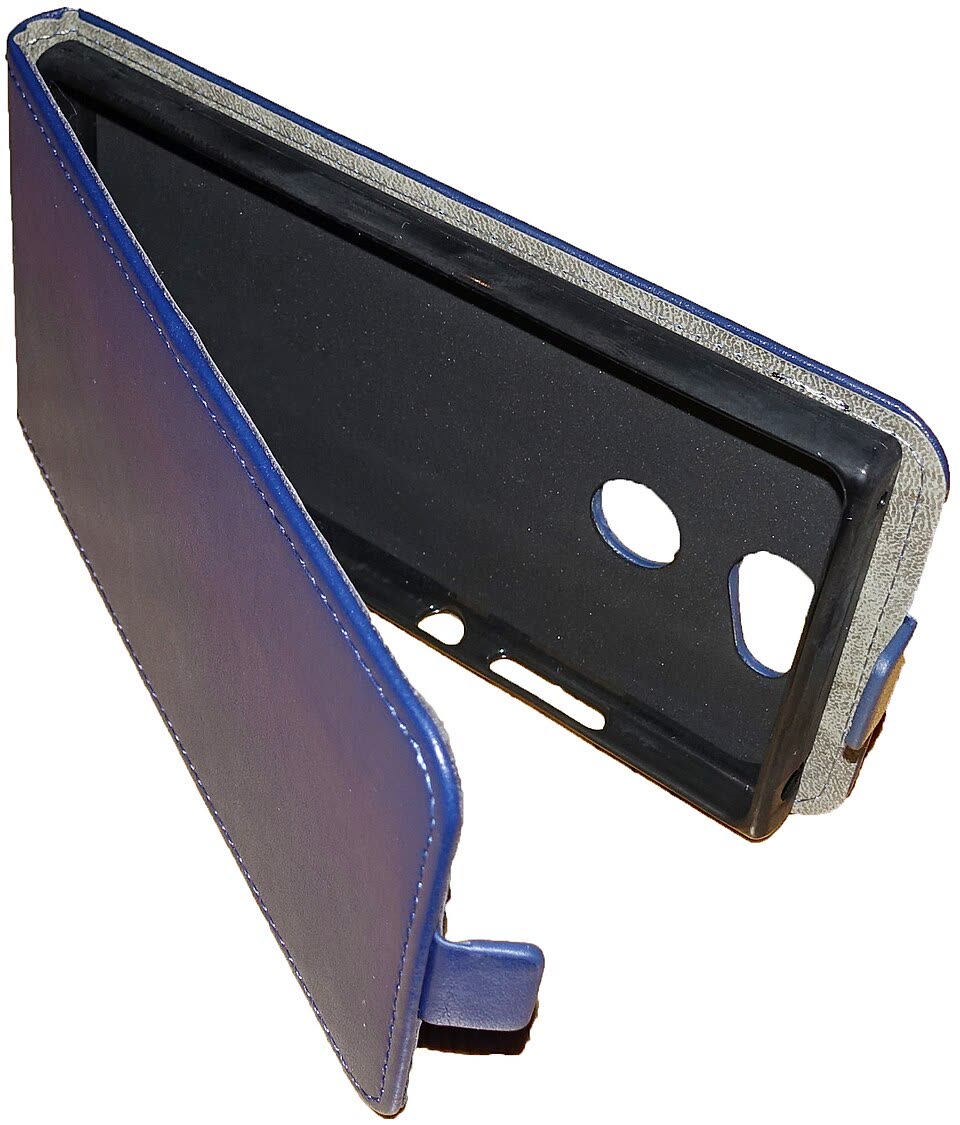
Modern collaborations like BlackEyePatch x CASETiFY extend this idea: branded graphics across multiple case formats marketed as a “fit” for your phone, much like a capsule collection for clothing.BlackEyePatch x CASETiFY reference
Compared with these, cases tagged “hypebeast” on marketplaces such as Etsy, Redbubble, Teepublic, or ArtsCase are usually hype-inspired rather than official collabs. They lean on streetwear cues — sneaker silhouettes, graffiti fonts, drip logos — but the branding is independent artwork or unlicensed references rather than a true partnership.
So a working definition:
- Authentic hypebeast cases: Official collaborations with streetwear labels, artists, or magazines, often limited in quantity.
- Hype-inspired cases: Designs that echo hype culture aesthetics but are sold through general or artist marketplaces without an official brand partnership.
Quality and Price Tiers: From Limited Collabs to Artist Platforms
Materials and release type drive both protection and price.
Main tiers you’ll encounter
| Tier / channel type | Typical price band (editorial) | Protection level (general expectation) | Authenticity / branding |
|---|---|---|---|
| Limited streetwear/art collabs | Roughly $50–$100+ | Mid to high; often solid shells or hybrids | Official label/artist branding, often limited |
| Premium case brands with collabs | Around $50–$100+ | Mid to high; tested designs, better materials | Mix of brand and collab graphics |
| Midrange branded / lifestyle cases | Roughly $20–$50 | Moderate; decent drop resistance, TPU/PC mix | Recognizable accessory brands, fashion-forward |
| Artist / print-on-demand platforms | Often around $15–$30, some near $10 | Light to moderate; slim shells, basic protection | Independent art, hype-style tags, few true collabs |
| Budget generic street-style cases | Circa $10 and up | Low to moderate; thin plastic or TPU | No official collab, brand references may be vague |
These ranges are editorial estimates based on how premium phone cases are positioned: blog comparisons of brands like PITAKA and Newcloth describe premium models starting around $49.99 and limited, design‑driven editions nearer $99, while metal and heavy-duty cases in general can run from about $10 to well over $100 depending on material and features.PITAKA vs Newcloth price context
On the budget side, affordable brands highlighted in phone‑case roundups often sit in the $10–$50 range while still using decent TPU or polycarbonate shells.
Materials and build cues
- Hybrid or layered builds (TPU bumper + hard back, raised bezels) usually show up in midrange and premium tiers, whether in collabs or general branded cases.
- Slim printed shells dominate the hype-inspired segment on artist platforms like Redbubble’s hypebeast phone cases page, with protection closer to scratch resistance than serious drop cushioning.
- Specialty materials (carbon fiber, metal, aramid) tend to push pricing up even when the design is minimal; when combined with hype graphics, they sit firmly in the premium bracket.
For personal use, treat most hype-inspired prints as style-first accessories and confirm drop protection only if the listing goes into real detail about shock absorption or construction.
Channel Comparison: Best Options for US Buyers and Small Resellers
You can buy or source hypebeast-style cases through four broad channel types.
1. Official brand and collab shops
These include streetwear labels and collaboration partners selling directly: examples over the years include Stussy accessories, BAPE case drops, or CASETiFY collabs highlighted on Hypebeast.
- Best for: Authenticity, collector value, strongest brand signaling.
- Trade‑offs: High prices, limited colorways and device support, scarce restocks. For resellers, margins are often thin unless you play the secondary market.
2. Fashion and artist marketplaces
Platforms centered on art and customization — Etsy, Redbubble, Teepublic, ArtsCase — host many designs tagged “hypebeast” or built around sneaker culture and street graphics.Etsy hypebeast phone case search Teepublic hypebeast phone cases
- Best for: Variety, lower upfront prices, easy access to on‑trend art.
- Protection: Often single‑layer shells; you’re mainly paying for the print.
- Reseller angle: Good for testing aesthetics and niche audiences, but you’re usually buying close to end‑consumer pricing. Private‑label deals with artists are sometimes possible if you negotiate, but not guaranteed.
3. General retail marketplaces
Large marketplaces (Amazon, eBay, big-box retailer sites) carry everything from licensed collabs to no‑name “street” cases.
- Best for: Convenience, fast shipping on mainstream models, mixed range of protection levels.
- Risk: Branding may be ambiguous; a “Yeezy” or “BAPE” case might just be a pattern nod rather than a licensed product. Read descriptions carefully and look for clear licensing language if authenticity matters to you.
4. Cross-border sourcing platforms
Cross-border marketplaces give US buyers and small ecommerce sellers access to bulk lots of hype-inspired cases and OEM/ODM suppliers. Here you’re usually dealing with overseas sellers, longer lead times, and varying quality.
DHgate is one example in this category: a marketplace where independent sellers list everything from generic phone cases to trend‑driven street-style designs. For hypebeast‑style sourcing, its role is similar to other cross‑border platforms — potentially useful for margin‑friendly, hype-inspired inventory if you vet each seller carefully. That vetting should focus on real‑world photos, material descriptions (TPU vs hard plastic vs hybrids), and clarity around whether the designs are original art or imitations of known brands. You can learn more about how DHgate stacks up against other marketplaces in this broader comparison of DHgate, AliExpress, Alibaba, and Temu.
For small resellers, cross‑border sourcing becomes attractive once you’re ready to experiment with small bulk orders and accept that not every shipment will feel like a $50 collab case. It’s less about authenticity and more about finding repeatable styles that buyers recognize as “hype” at a price that allows profit.
For a personal phone, the choice is simple: pay up for an official collab if brand and build matter, or dip into artist platforms for a cheaper, style‑led case and treat the protection as secondary. For resale, decide whether your audience cares more about real labels or just the look; then match that to either limited but expensive authentic products, or higher‑margin hype-inspired designs sourced through artist platforms, general marketplaces, or cross‑border sellers.