
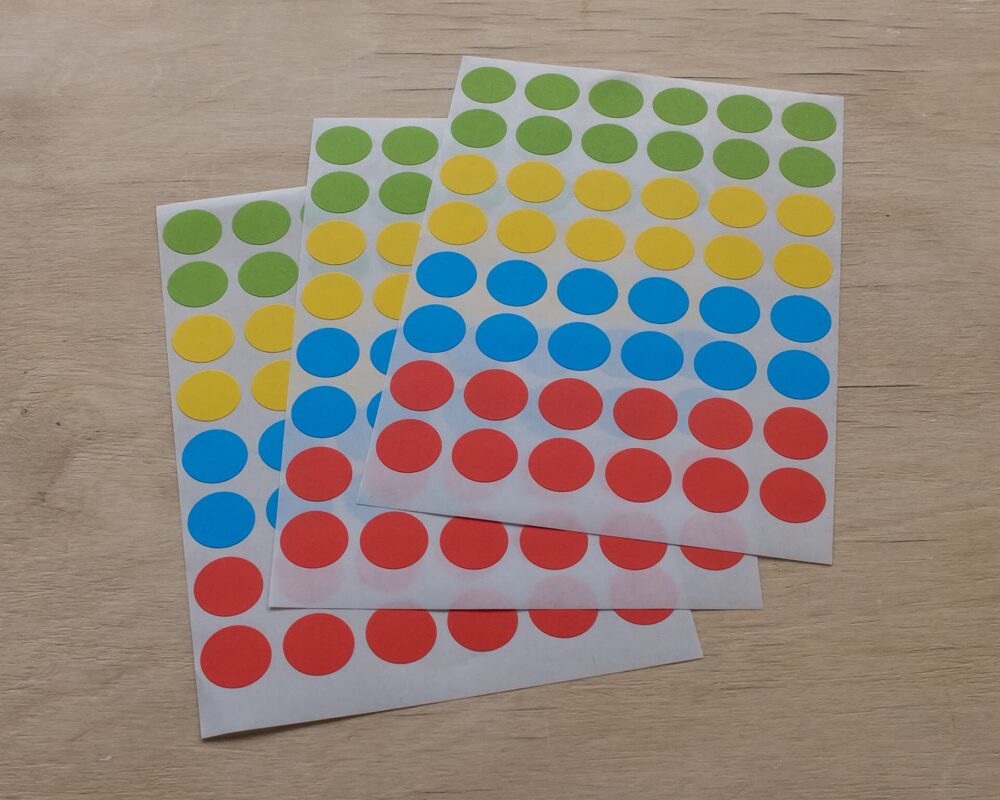
Sticker design and drawing ideas only turn into a business once you connect them to the right tools and platforms. If you’re in the U.S. and thinking about selling stickers, your core decisions are: which styles you’ll draw, how you’ll get them printed (DIY, print-on-demand, or bulk), and which platforms you’ll use to reach buyers (artist marketplaces, your own store, or cross‑border suppliers). The best route depends on whether you’re a solo illustrator selling 50 orders a month or an ecommerce brand ready to buy 5,000 stickers at a time.
From Drawing Ideas to Sellable Stickers: Market and Platform Overview
Sticker design simply means creating clear, engaging graphics that will be printed on adhesive materials and used on laptops, water bottles, notebooks, packaging, and more. Guides from tools like Adobe Express highlight common commercial styles: cute character stickers, minimalist icons and typography, and hand‑drawn sketchy looks.
From a commerce angle, those ideas only matter if they fit a buyer’s use case:
- Character sets (mascots, animals, chibi people) work well for Etsy packs, Patreon rewards, and fan communities.
- Minimalist designs (simple symbols, slogans, logo marks) are strong for brand packaging or ecommerce inserts.
- Hand‑drawn styles feel premium and are often positioned as limited runs or artist-signed items.
Style-specific tutorials like the character, minimalist, and hand‑drawn guides on ArtStyles focus on drawing technique. For selling, you layer a basic business workflow on top of that art:
- Design – draw digitally (Procreate, Photoshop, Canva) or traditionally and scan. Keep linework clean and colors bold so they reproduce well at small sizes.
- Prep for print – export at a high resolution, set a bleed area if you want die‑cut shapes, and group designs into sheets or packs.
- Print – choose DIY home printing, local print shops, traditional offset printers, or print‑on‑demand (POD) services.
- Sell – list products on marketplaces (Etsy, Amazon, Redbubble, Society6), your own site, or via wholesale and cross‑border partners.
That last step—where you sell—drives which tools and formats you should design for. For example, sticker sheets with matching themes are easy to list as single SKUs on marketplaces, while individual die‑cuts with strong branding may suit your own store.
Platform Types for Sticker Creators: Marketplaces, POD Services, and Store Builders
Most sticker businesses use a mix of platforms rather than relying on just one. Here’s how the main types work and what relationships they create between you and buyers.
Artist and general marketplaces
Marketplaces connect many independent creators to many buyers under one shared brand.
- Examples: Etsy, Amazon, eBay, plus artist‑focused POD marketplaces like Redbubble and Society6, which QinPrinting’s guide to selling stickers online lists as popular routes for sticker artists (QinPrinting overview).
- How they work: You upload designs, create product listings, and follow the marketplace’s rules. On Etsy, you typically handle printing and shipping yourself or use a POD integration. On Redbubble/Society6, the platform both prints and ships.
- Buyer relationship: Buyers technically buy from you, but they trust the marketplace brand first. You’re competing with thousands of other sticker sellers on search results and category pages.
This route is strong for testing sticker ideas with low upfront cost. The trade‑off is limited control over branding and discovering your own direct audience.
Print‑on‑demand APIs and services
Print‑on‑demand services focus on production and fulfillment, not discovery.
- Examples: Services and APIs like Prodigi promote custom sticker printing and dropshipping for creators (Prodigi POD overview).
- How they work: You upload artwork and connect the POD to your marketplace store or independent site via an app or API. When a buyer orders, the POD prints the sticker, packs it, and ships directly to the buyer.
- Buyer relationship: Buyers usually see your brand first (on Etsy or your own site), but the physical product is made and delivered by the POD partner.
This model is attractive if you want to focus on designing and marketing rather than managing a printer, vinyl stock, or shipping station.
Storefront builders for independent brands
Store builders let you skip third‑party marketplaces and run a branded site.
- Examples: Shopify, Squarespace, Big Cartel are cited in seller guides as common routes for launching independent sticker shops (seller guide example).
- How they work: You pay for the software, build a site, configure payments, then plug in either your own printing workflow or a POD app.
- Buyer relationship: Buyers are your customers, on your domain, interacting with your brand and email list.
This path suits sellers who already know their audience or want to build a long‑term brand, even if they still list a few packs on marketplaces for extra reach.
Wholesale and cross‑border marketplaces
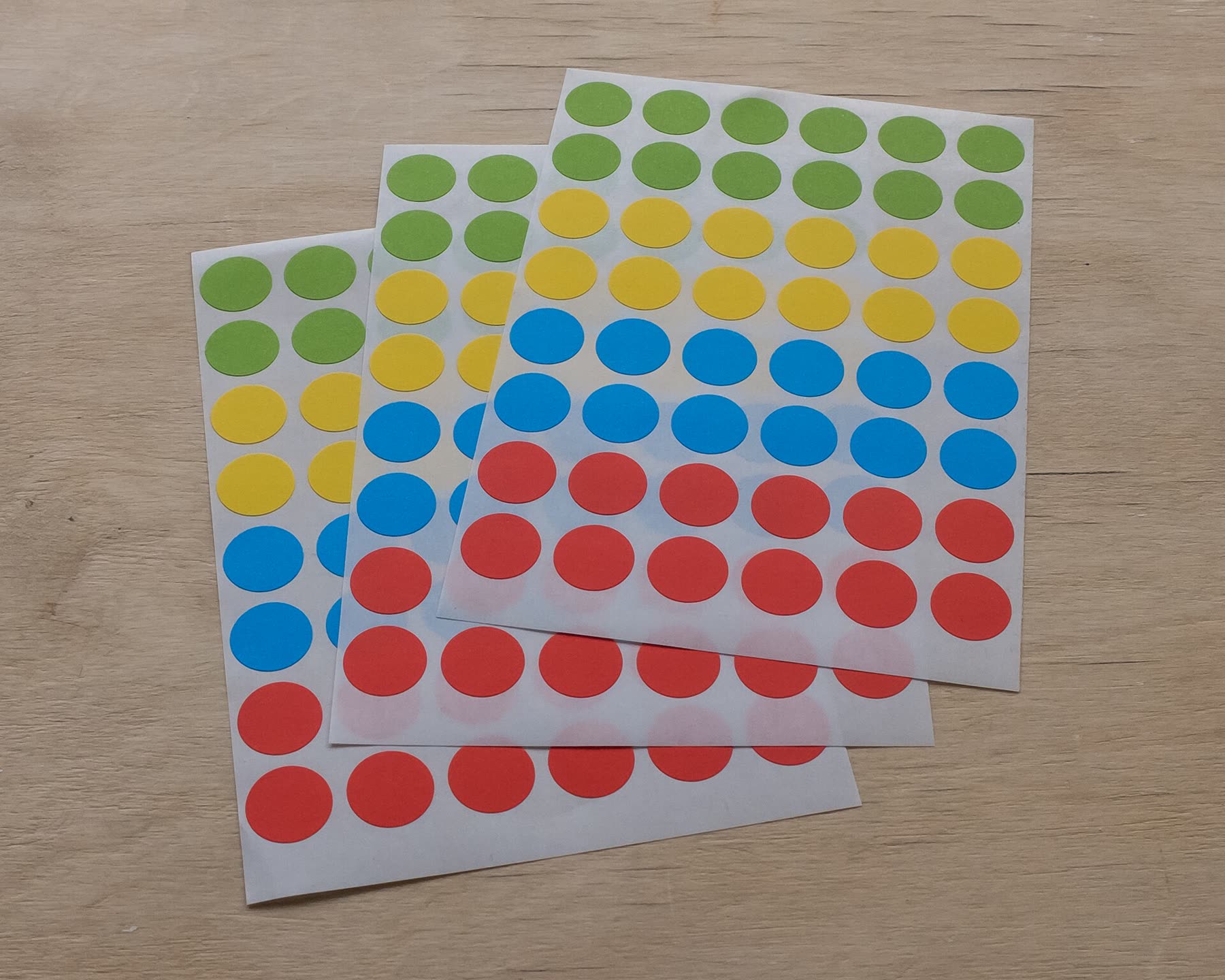
Wholesale marketplaces connect business buyers to suppliers who can print sticker designs in bulk.
- Examples: Cross‑border B2B platforms such as DHgate, along with other global sourcing sites.
- How they work: You source a printer rather than a retail buyer. You upload designs or send files, negotiate specs (materials, finishes, quantities), and place a bulk order.
- Buyer relationship: You are the buyer of the bulk stickers. You then resell them via one of the channels above.
This path makes sense once you’ve proven demand and want per‑unit costs low enough for wholesale or large subscription boxes.
Comparing Sticker Selling Channels: Fees, Volume, Protection, and Cross‑Border Options
No single platform handles everything well. The mix you choose should match your volume, margins, and appetite for operational work. Here’s a high‑level comparison of the main channels.
| Channel type | Best for | Printing handled by | Discoverability |
|---|---|---|---|
| Artist marketplace (Etsy) | Solo artists testing designs | You or POD integration | Strong—built‑in shopper traffic |
| Artist POD (Redbubble) | Designers who want zero ops | Platform POD | Moderate—platform search |
| Store builder (Shopify) | Growing brands & repeat buyers | You or POD integration | Depends on your own marketing |
| Wholesale B2B (e.g. DHgate) | Established sellers needing bulk | External printer supplier | Not for retail; you resell |
This table is editorial, not exhaustive, but it shows why many sticker sellers start on an artist marketplace, then layer on a store builder or wholesale sourcing as they grow.
Where cross‑border sourcing platforms fit (including DHgate)
Cross‑border wholesale marketplaces like DHgate can be relevant once you’re ordering in bulk and care more about unit cost than about small‑batch flexibility. For example, a U.S. ecommerce brand that has validated a set of minimalist logo stickers on Etsy or Shopify might move to a DHgate supplier to print thousands of copies at lower per‑sticker cost.
Scenario walk‑throughs: matching ideas to platforms
Scenario 1: Solo artist with hand‑drawn characters You have a sketchbook full of character sticker ideas. Start by digitizing them and uploading sets to Etsy or an artist POD marketplace like Redbubble/Society6, where many artists already sell sticker packs (QinPrinting marketplace examples). Use these platforms to see which themes resonate. If one series takes off, later migrate fans to a Shopify or Squarespace store for limited editions and bundles.
Scenario 2: Small brand using minimalist stickers for packaging You run a small ecommerce shop and want logo stickers for packaging and freebies. In this case, your primary buyer is yourself. Consider a POD printer or a local/online traditional printer to produce higher‑quality vinyl logo stickers, then keep selling your main products on Amazon, Shopify, or Etsy. Sticker design here is a branding tool, not the main revenue stream.
Scenario 3: Growing subscription box adding bulk stickers Your subscription box has consistent demand for themed character or hand‑drawn sticker sheets. You may start with POD integrations and an independent store builder, but once quantities stabilize, look at wholesale printers or cross‑border marketplaces (including DHgate) for bulk runs. Keep your retail front—Shopify plus Etsy or Amazon—while treating the sourcing platform strictly as a supplier directory you vet via samples.
For broader context on how different marketplaces work and what roles they play in a multi‑channel strategy, see Compare online marketplaces and shopping platforms.
The short version: your sticker design ideas—cute characters, minimalist icons, or hand‑drawn art—should dictate where you start. Artist marketplaces and POD platforms help you test and learn fast. Storefront builders help you turn winning designs into a brand. Cross‑border wholesale and platforms like DHgate only become relevant once you’re ready to treat stickers as a scaled product line rather than a handful of test packs.