
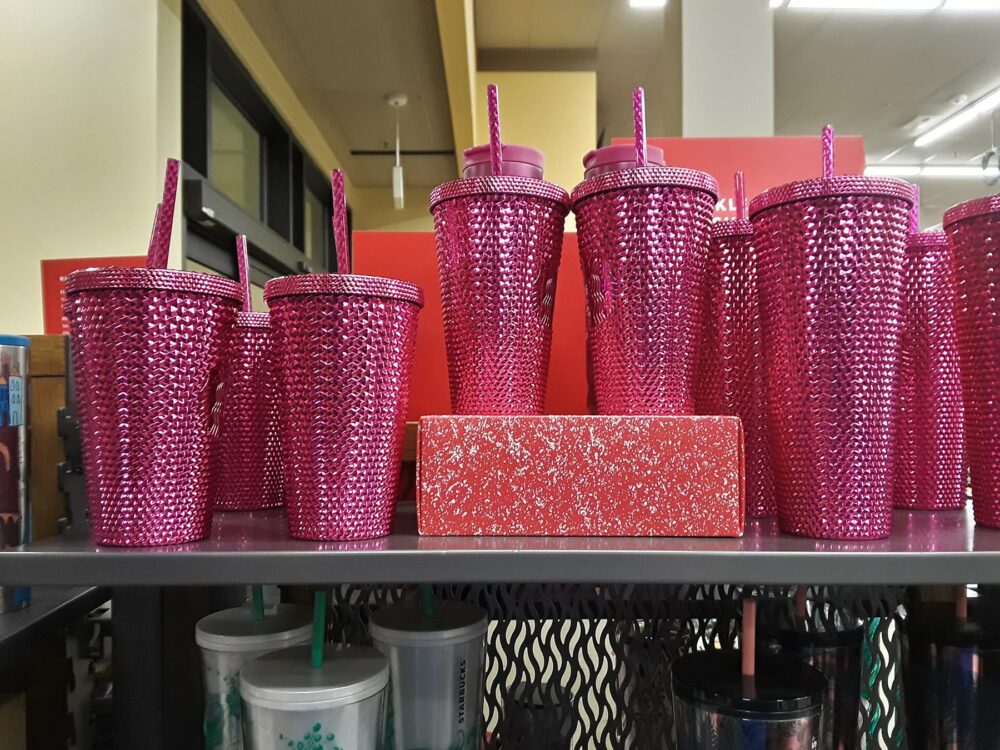
Starbucks holographic tumblers are mid‑priced, well‑made pieces that sit somewhere between everyday drinkware and collectibles. New cups from Starbucks typically retail around the low‑to‑mid‑$20s for a 24 oz cold cup, but some holographic designs become scarce and resell well above retail on Poshmark, Mercari, and eBay. Mass‑market holographic look‑alikes at Walmart, Five Below, or TikTok Shop often cost much less but vary more in finish and durability. Your decision comes down to how much you care about authenticity, insulation, and rarity versus simply getting the holographic look at a lower cost.
What counts as a Starbucks holographic tumbler, and what really affects price and quality?
“Starbucks holographic tumbler” doesn’t refer to a single model. It’s a family of cups with a shimmering, color‑shifting finish — iridescent mermaid scales, hologram waves, ombré gradients, studded textures, and seasonal motifs. You can see an example in Walmart’s listing for the Holiday 2022 Hologram Wave Ombre Tumbler 24oz, which describes a double‑walled acrylic cold cup with a holographic wave design and ombré color shift.Source
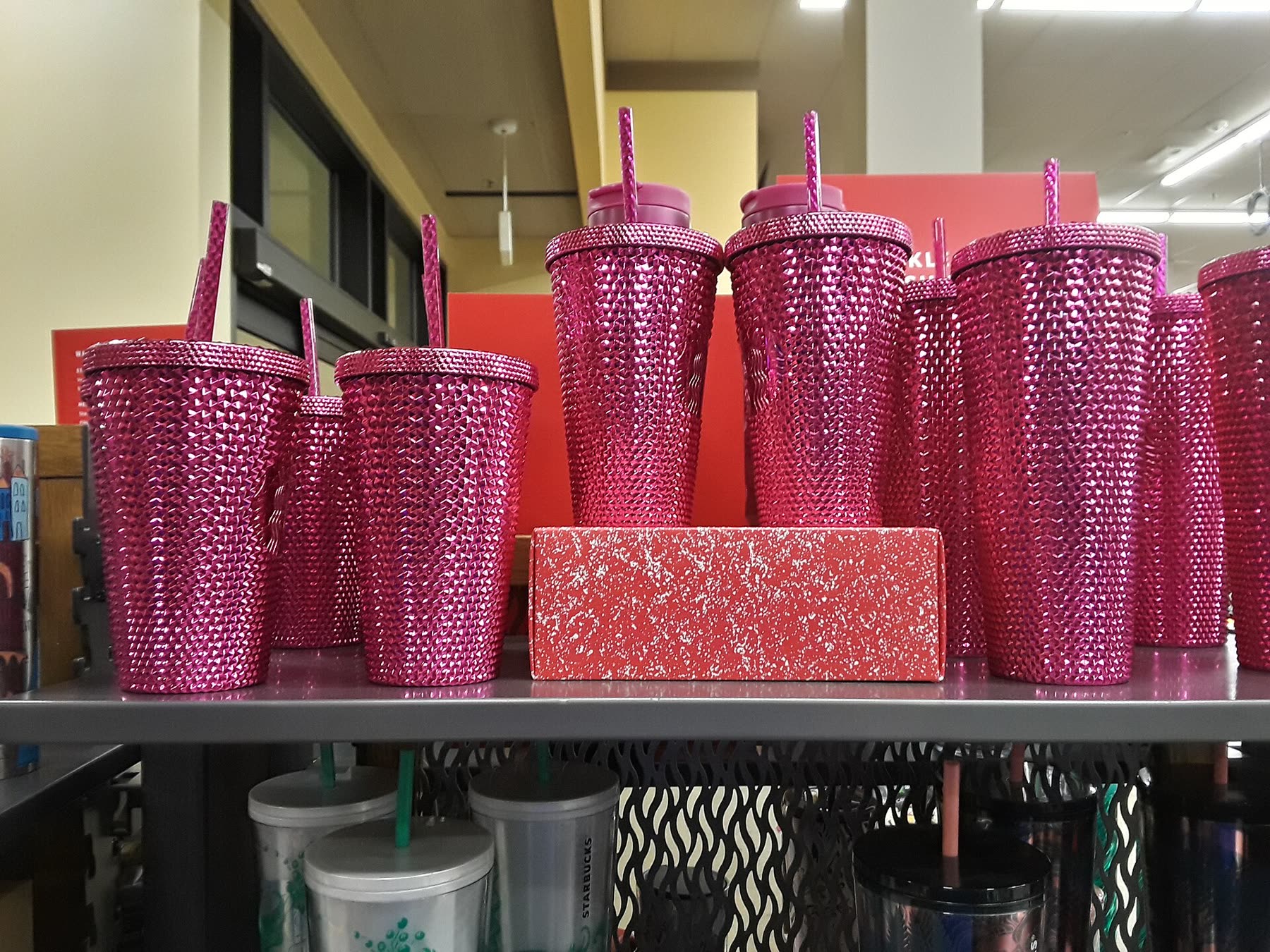
Under the holographic umbrella, Starbucks uses several base materials:
- Acrylic / plastic cold cups – Double‑walled, straw lids, mostly for cold drinks. These include most of the hologram and iridescent designs.
- Stainless steel insulated tumblers – Vacuum insulated, intended to keep drinks hot or cold for hours, with sleeker finishes plus some holographic or iridescent treatments.Source
- Ceramic and glass – Less common in holographic form but exist in the broader Starbucks drinkware line; more fragile and usually for home use.Source
Across those types, quality and price are driven by:
- Insulation and material – Stainless steel tumblers generally feel more premium and hold temperature longer than basic acrylic cold cups.
- Design complexity – Holographic studded or mermaid‑scale patterns require more tooling and finishing, which tends to push retail pricing up compared with plain printed plastic.
- Release type – Seasonal drops (holiday, anniversary, special collections) and region‑specific releases are often produced in limited runs. That scarcity fuels collector interest and resale markups.
- Condition and authenticity – NWT (new with tags) cups from verified sources command more, especially for designs that are no longer on Starbucks shelves.
If you care mostly about how long your drink stays cold or hot, material and insulation matter more than the holographic finish. If you’re collecting or gifting, design rarity and condition dominate the value conversation.
Where can you buy holographic Starbucks tumblers today and what do they cost?
Starbucks rotates drinkware designs constantly, so specific holographic tumblers move on and off official shelves. That’s why you’ll now find a lot of them on resale sites and general retailers instead of directly from Starbucks.
Quick marketplace snapshot
| Channel / marketplace | What you’ll mostly find | Typical price band vs original retail | Common pros & trade‑offs |
|---|---|---|---|
| Starbucks stores & online shop | Current season holographic cups, some core designs | Around $20–$30 for drinkwareSource | Authentic, new; selection limited to current drops |
| Poshmark, Mercari, eBay | Older holographic designs, NWT or gently used, labeled “rare” or seasonalSourceSourceSource | Often well above original retail for sought‑after designsSource | Access to sold‑out cups; higher markups, variable authenticity |
| Walmart, Five Below, mass retail | Official Starbucks cups plus non‑Starbucks holographic look‑alikesSourceSource | Starbucks near original retail; look‑alikes at a fraction of thatSource | Easy returns, lower prices on look‑alikes; branding and finish vary |
| TikTok Shop & social commerce | Mix of resellers offering Starbucks cups and generic holographic tumblersSource | Wide range; generics often cheap, branded cups closer to or above retail | Trend‑driven; quality and authenticity depend on individual sellers |
| Cross‑border marketplaces | Generic holographic tumblers, no Starbucks branding | Generally low per‑unit prices (plus shipping, duties) | Good for look‑alike sourcing; must vet specs and sellers carefully |
Official Starbucks retail
Starbucks positions its drinkware as mid‑priced lifestyle accessories. A recent Starbucks merchandise feature cites cold cups around the low‑$20s for 24 oz sizes and just under $20 for smaller sizes.Source An editorial look at the collectors market also notes drinkware generally retailing between $20 and $30 and often selling out on Starbucks’ own site, pushing collectors to hunt elsewhere.Source
From a quality standpoint, official cups tend to have consistent molding, relatively durable finishes, and lids that fit properly. You’re paying partially for brand and design, but also for predictable build quality and food‑contact materials that meet Starbucks’ standards.
Resale platforms: Poshmark, Mercari, eBay
If you search Poshmark, you’ll see multiple holographic Starbucks listings tagged NWT, including a 2022 Rose Gold Iridescent Holographic Mermaid Tumbler and other mermaid‑scale designs.Source Mercari shows similar holographic cold cups and insulated tumblers with iridescent finishes.Source eBay has listings for studded iridescent cold cups and other holographic styles.Source
These platforms illustrate two realities:
- Active collector demand. Sellers label cups “rare,” “limited,” or “anniversary,” and many list NWT items, signalling a collector market rather than casual secondhand.
- Marked‑up pricing on popular designs. Editorial coverage of the Starbucks collectors cup market describes older iridescent studded tumblers commanding prices well above their original $20–$30 retail due to rarity and hype.Source
Quality on resale sites depends on the specific item: some are new in box, others used. You get access to sold‑out designs, but you’re paying collector prices and relying on photos and descriptions for condition and authenticity.
Mass‑market look‑alikes: Walmart, Five Below, TikTok
Walmart’s business site lists the Holiday 2022 Hologram Wave Ombre Tumbler 24oz as an official Starbucks product.Source Alongside that, Walmart and chains like Five Below carry non‑Starbucks holographic tumblers that mimic the look — double‑walled plastic, straw lids, iridescent studding or scales — at significantly lower prices.
A TikTok comparison that went viral showed a Starbucks studded holographic cup next to a very similar Five Below cup, highlighting that the cheaper version sold for about a fraction of the Starbucks price, even though the visual effect was close.Source That doesn’t guarantee identical manufacturing or materials, but it shows there’s a budget tier that can scratch the holographic itch without the Starbucks logo.
TikTok Shop adds another layer: you’ll see independent sellers offering both authentic‑looking Starbucks drinkware and generic holographic tumblers.Source Selection is broad, but quality and authenticity are more variable, and listings can disappear fast.
Cross‑border look‑alike sourcing
For buyers and small ecommerce sellers who care about the holographic aesthetic more than the brand, cross‑border marketplaces can be a way to source generic holographic tumblers at low unit cost. Platforms such as DHgate list a wide range of non‑Starbucks holographic drinkware; if you explore those routes, treat each listing like a mini due‑diligence project, reading material specs closely and checking seller ratings and buyer photos rather than assuming everything will match Starbucks quality.
If you’re considering cross‑border sourcing at scale, it’s also worth understanding how DHgate fits among other global marketplaces and how wholesale supplier relationships work; this comparison of DHgate vs AliExpress, Alibaba and Temu and this overview of DHgate’s marketplace model can help frame those decisions.
Choosing the right channel for your budget, quality needs, and business goals
Different buyers should make different choices. You don’t need a collector‑grade cup for every iced coffee.
Personal use: you mainly want a good tumbler
If you just want a reliable cold cup with a holographic vibe:
- Buy current‑season Starbucks drinkware if you care about brand, finish consistency, and known materials, and you’re fine paying around the $20–$30 band.
- Choose non‑Starbucks holographic tumblers at Walmart, Five Below, or TikTok Shop if you’re more price‑sensitive and don’t need the logo or long‑term collector value. Expect cosmetic quality to vary more — seams, stud alignment, and sheen may not be quite as refined as official Starbucks.
Gifting: balancing wow factor and budget
For gifts, the decision is mostly about perceived value:
- A new, current Starbucks holographic tumbler bought directly from Starbucks or a major retailer feels more premium and safer as a gift.
- A resale “rare” cup can be a special gift for someone who actively collects Starbucks drinkware, but you’ll pay collector pricing and need to examine seller photos for flaws.
- If budget is tight, a well‑finished look‑alike from a mass retailer can still look impressive, especially when paired with a gift card.
Collecting: authenticity and rarity matter
Collectors are usually better off focusing on:
- Official Starbucks releases (including collaborations and regional drops) and
- NWT or documented older holographic cups from resale platforms where the design is clearly identifiable (year, collection name).
Here, paying above retail can be rational — but only for designs with proven collector interest. Look‑alikes and cross‑border generics don’t hold value the same way; they’re décor, not investments.
Small ecommerce sellers: testing inventory
If you run a small shop or online store, your channel choice depends on your positioning:
- Reselling authentic Starbucks holographic tumblers (sourced from official retail or reputable resale) targets the collector/luxury‑aesthetic market. Margins can be good on truly rare pieces, but sourcing is inconsistent and capital is tied up in individual items.
- Stocking generic holographic tumblers from mass retailers or cross‑border marketplaces positions you as a budget or aesthetic‑first option. You trade brand cachet for volume and lower unit cost; quality control becomes your job, and you’ll want to order small test batches before committing.
In short, pay retail at Starbucks if you care most about authentic designs and consistent quality, pay resale markups only for specific collector pieces that you genuinely want or can resell to that audience, and look at mass‑market or cross‑border holographic tumblers when price and visual effect matter more than the siren logo.