
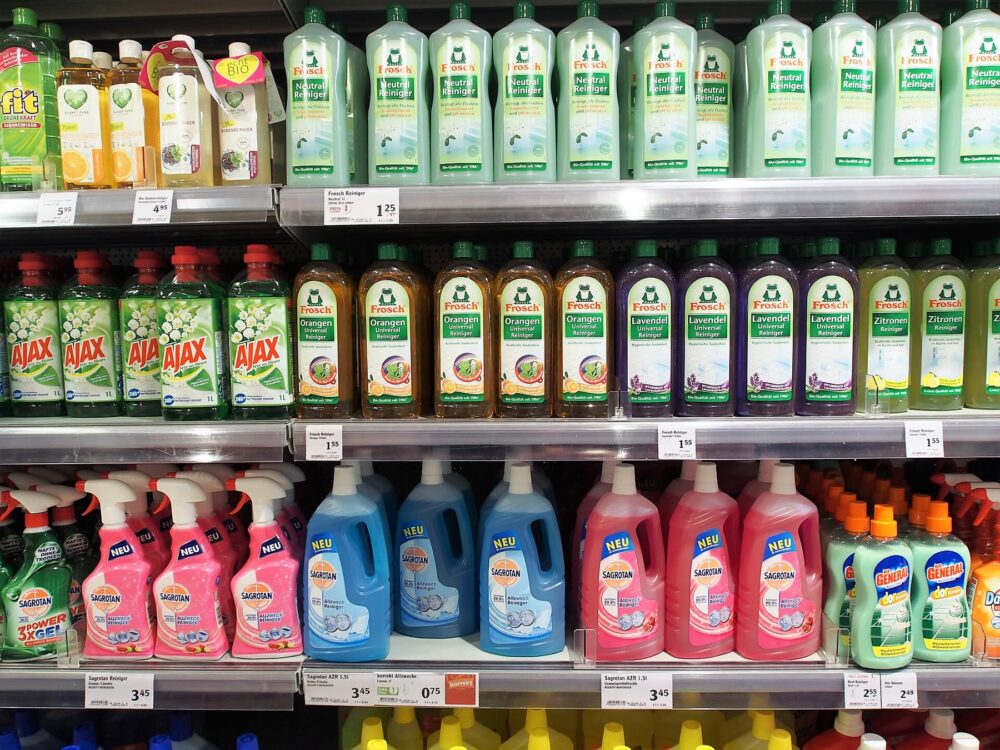
Australian buyers looking for car all-purpose cleaners (APCs) effectively have three main routes: local retailers and brand sites for quick, low-risk purchases; specialist car care ecommerce stores for enthusiast and professional-grade products; and marketplaces (domestic or cross-border) if you’re chasing volume or variety. The right choice depends on whether you just want one bottle for weekend detailing, a steady supply for a mobile business, or pallet-level stock for an online store.
APCs are versatile cleaners designed for multiple car surfaces. DHgate’s editorial blog describes all-purpose car cleaners as products that can work on both interior and exterior areas, which matches how Australian detailing retailers present them: one chemical that can be diluted for carpets, plastics, and sometimes wheels or engine bays.
How Australians Buy Car All-Purpose Cleaners Today
In Australia, APCs sit at the intersection of mainstream car-care and enthusiast detailing.
You’ll find branded multi-purpose interior cleaners through supermarket-style and big-box retailers, but the deeper APC ranges live on specialist websites.
Specialist car care retailers such as Waxit run dedicated All Purpose Cleaners categories. Waxit’s collection page groups APC concentrates and ready-to-use formulas, aimed at detailing enthusiasts and professionals who understand dilutions and specific use cases.
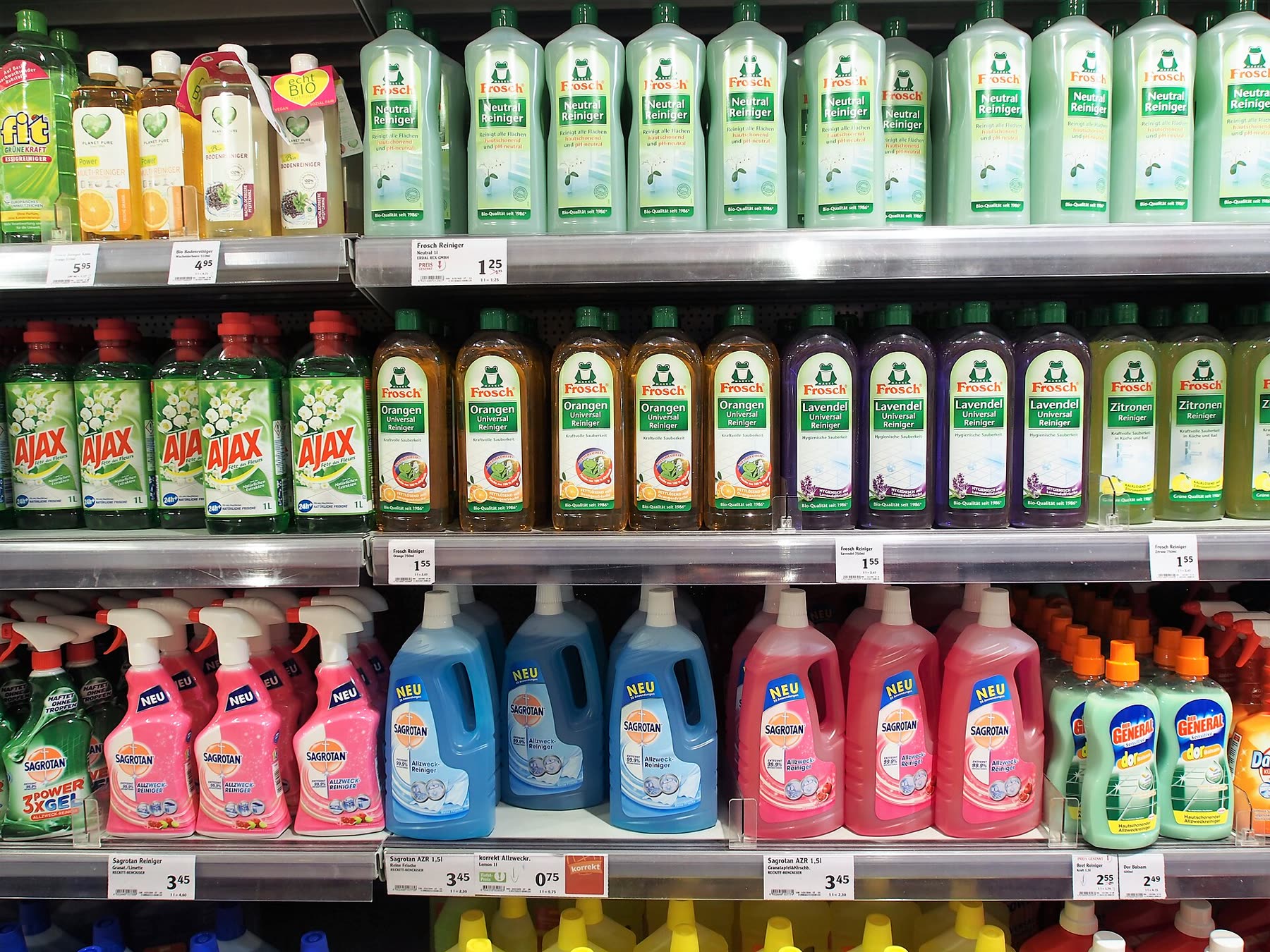
Similarly, AutoBuff operates an online All Purpose Cleaners (APC) collection with multiple brands positioned for both interior and exterior cleaning. These platforms feel more like a detailing supply shop than a general marketplace.
On the brand side, Armor All’s Australian site lists interior cleaners, including multi-purpose car surface products, under its Interior Cleaners section. That’s a direct-from-brand route: you’re buying specific formulations from a single label, not browsing a broad APC shelf.
For mass-market options and third-party sellers, Amazon.com.au’s Automotive Cleaners best-sellers page surfaces a rotating mix of general-purpose car cleaning products. Many Australian buyers treat Amazon AU as a catch-all marketplace for familiar brands, bundled with everyday household orders.
Platform Types for Car All-Purpose Cleaners
From a buyer’s perspective, the sites above fall into three distinct platform types.
1. Specialist car care ecommerce stores
Examples: Waxit, AutoBuff.
These platforms focus narrowly on car detailing. Their APC categories typically:
- Offer pro-grade concentrates and niche brands alongside mainstream labels.
- Expect buyers to understand dilution ratios, surface compatibility, and use cases.
- Cater to repeat purchasers like detailers and serious hobbyists.
Operationally, you’re buying retail quantities (liters, not pallets) but from a specialist supply channel. The relationship is standard ecommerce: you order online, they ship domestically, with support centered on product choice rather than platform issues.
2. Brand-direct sites
Example: Armor All Australia.
A brand site sells its own range only. In the APC context, Armor All’s Australian interior cleaners page showcases multi-purpose interior products and related cleaners.
This route suits buyers who:
- Want to stick with one brand’s ecosystem.
- Prefer manufacturer-level instructions and marketing.
- Don’t need to compare multiple APC chemistries side by side.
3. General marketplaces
Example: Amazon AU.
Marketplaces like Amazon AU host many sellers and brands in one automotive-cleaners category. The Automotive Cleaners best-sellers list gives a snapshot of what’s moving in volume, including general-purpose car cleaners.
Compared with specialist stores, marketplaces:
- Mix premium detailing APCs with budget general cleaners and bundles.
- Emphasize convenience, shipping options, and customer reviews.
- Are less curated around professional detailing workflows.
For small ecommerce businesses, marketplaces can double as both sourcing avenues (finding products to resell) and sales channels, depending on how you structure your business.
Comparing Channels and Choosing the Right Route
Here’s a compact comparison of the main platform routes Australians use for APCs:
| Buyer route | Typical use case | Product depth for APCs | Volume sweet spot |
|---|---|---|---|
| Specialist car care sites (Waxit, AutoBuff) | Enthusiast or professional detailing | High: dedicated APC categories | Single bottles to small batches |
| Brand-direct (Armor All AU) | Loyal to one mainstream brand | Moderate: brand’s own range | Single bottles, multi-packs |
| General marketplace (Amazon AU) | Everyday car owner; variety and convenience | Mixed: from general cleaners to some APCs | Single items; occasional bulk listings |
| Cross-border marketplaces (e.g., DHgate) | Price-sensitive bulk sourcing and experimentation | Highly variable; depends on seller | Cartons or larger wholesale-style orders |
For DIY car owners who want one product that can clean seats, plastics, and maybe wheel wells, local retail channels make more sense. A single APC from Waxit or AutoBuff is easy to ship within Australia, and a multi-purpose interior cleaner from Armor All’s range provides a familiar-brand option.
A mobile detailer or small workshop usually benefits from specialist sites first. Waxit’s APC concentrates and AutoBuff’s multi-brand APC collection make it practical to buy several liters at a time, try different chemistries, and stick to domestic shipping and consumer protections.
A small ecommerce business selling car-care kits faces a more complex choice. You might start by buying retail units from specialist sites or Amazon AU to validate demand locally. Once volumes grow and you’re comfortable managing import risks, cross-border marketplaces such as DHgate become relevant as one of several sourcing options. DHgate’s own editorial advice stresses comparing ingredients, price, brand reputation and specific cleaning needs for car cleaners; applied to cross-border APC sourcing, that means:
- Checking each listing’s technical description and surfaces claimed.
- Comparing per-unit costs after shipping and duties.
- Being selective about brands and running small test orders before committing to larger volumes.
If you’re weighing DHgate or similar platforms in a broader marketplace mix, resources like What DHgate is and how the marketplace works and Compare DHgate with AliExpress, Alibaba and Temu can help you frame DHgate as one sourcing route alongside domestic retail and other marketplaces, rather than a default choice.
The practical split is simple:
- Buy local, specialist, or brand-direct if you care more about predictable use, clear instructions and domestic shipping than absolute lowest cost.
- Explore marketplace and cross-border sourcing only when volume, margin and product differentiation justify the extra verification and logistics work.